The Open Home Foundation has officially deployed Home Assistant 2026.9, introducing a sweeping array of platform-wide updates aimed at lowering the technical barriers of smart home automation, expanding local voice assistant capabilities, and streamlining hardware integrations. As part of the release cycle, the September 2026 update delivers substantial architectural enhancements to industrial protocols, deepens accessibility features for data visualizations, and modernizes dashboard management across complex multi-vendor ecosystems.
Main Facts and Core Software Upgrades
The flagship enhancement in Home Assistant 2026.9 centers on the modernization of Modbus. Historically, integrating industrial and energy hardware—such as solar inverters, commercial heat pumps, and high-capacity electrical meters—required users to hand-write extensive register maps using YAML configuration files. This technical hurdle effectively isolated a massive category of legacy and green-energy devices from mainstream adoption.
The 2026.9 release resolves this limitation by introducing a unified connection framework powered by the fully typed Python library tmodbus. Integrations capable of native device communication can now share a single connection bus rather than competing for access. Initial implementations of this capability include native Modbus TCP support for Fronius solar inverters, Sofar Inverter Modbus systems, and Flexit ventilation units, enabling direct device discovery and setup through the standard graphical user interface.
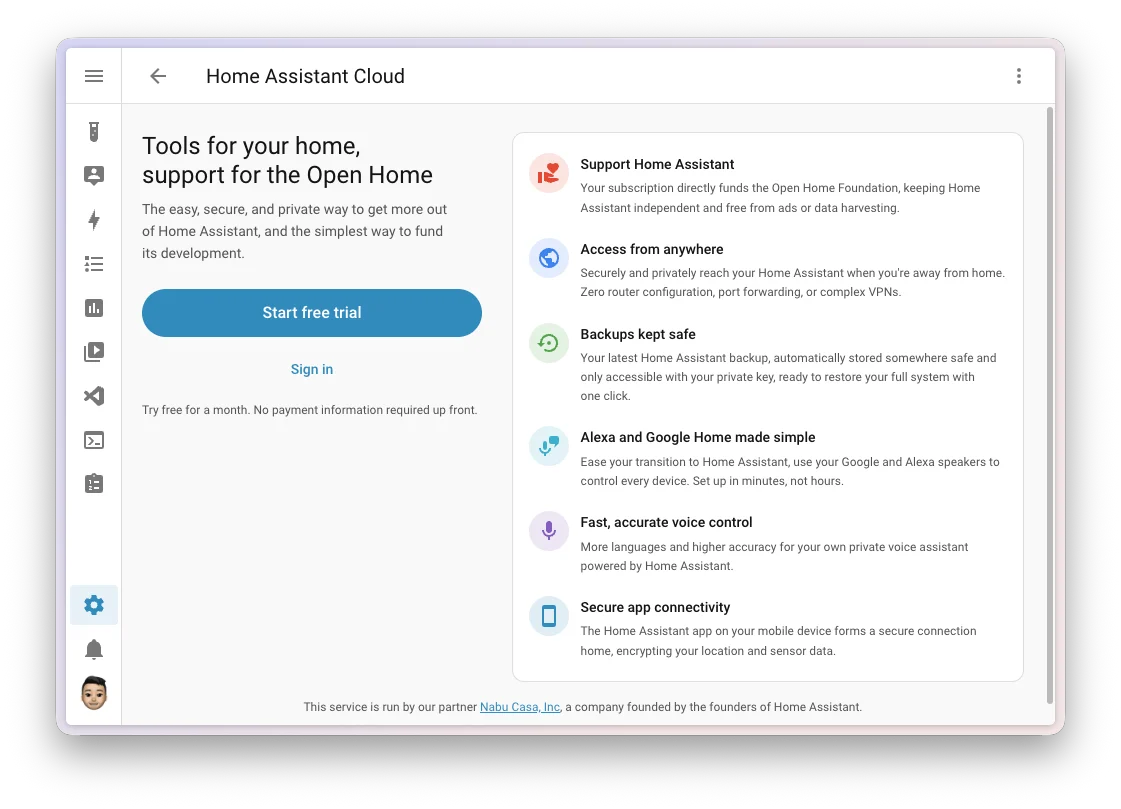
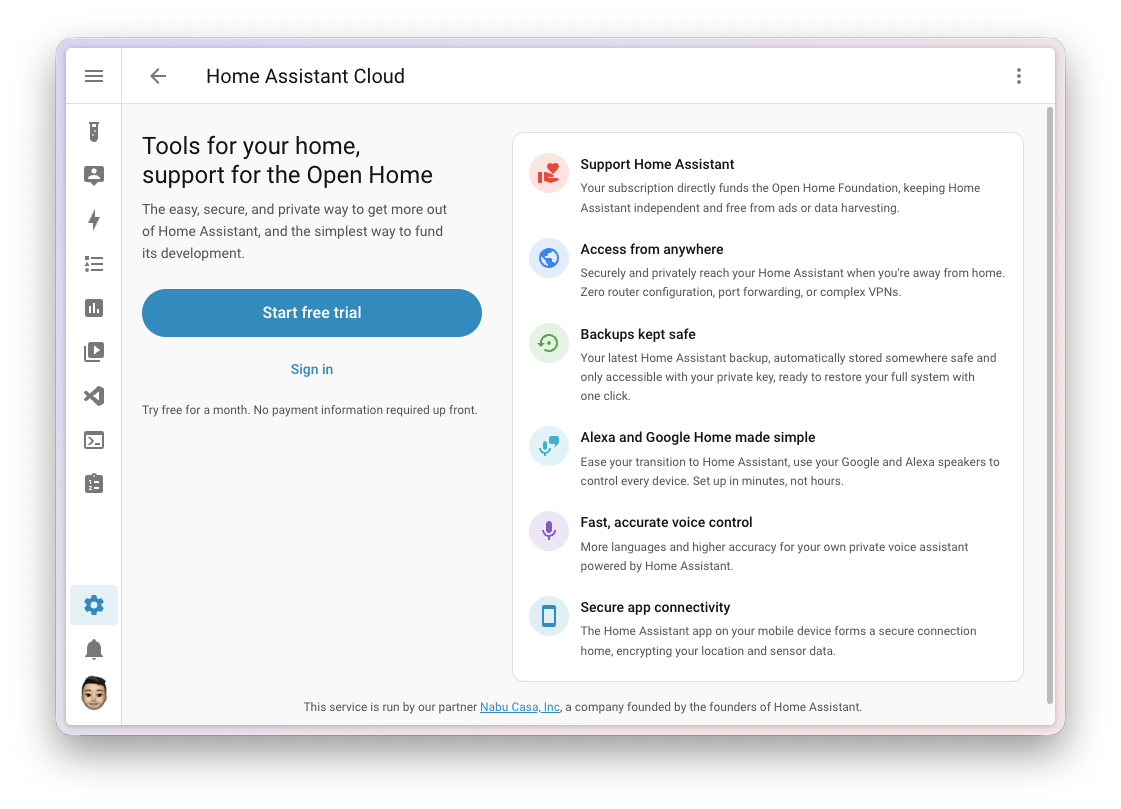
Simultaneously, the platform has rolled out an optional Cloud-based speech-to-text engine developed in partnership with Nabu Casa and powered by Soniox. Aimed at households utilizing non-English primary languages or operating in acoustically challenging, noisy environments, the updated voice processing pipeline targets historical pain points involving regional accents and background audio interference. The feature is available immediately to subscribers via the Home Assistant Labs interface, retaining the project’s strict privacy guarantees against audio logging or third-party training.
Chronology and Release Roadmap
The deployment of version 2026.9 follows a disciplined monthly release schedule maintained by the Open Home Foundation and the broader open-source development community. The groundwork for several key features in this release was established across previous iterations:
- July 2026 (Release 2026.7): Replaced legacy sun-tracking triggers with dedicated solar events (sunrise, sunset, solar noon, and elevation changes) and improved platform-wide color contrast accessibility.
- August 2026 (Release 2026.8): Integrated time-based offset options for sun triggers and deployed UI-driven IP-banning tools to mitigate malicious login attempts.
- September 2026 (Release 2026.9): Official deployment of unified Modbus architecture, enhanced Security dashboard active alerts, Matter network topology mapping, and keyboard-navigable audio-assisted data charts.
Throughout the remainder of September 2026, the development team has committed to a weekly patch release cadence—targeting Fridays—to address emergent software bugs and ensure system stability across diverse hardware deployments ranging from Raspberry Pi units to enterprise-grade virtual machines.
Supporting Data and Dashboard Enhancements
Beyond industrial protocol updates, the release brings significant structural refinements to user-facing dashboards and data auditing tools:
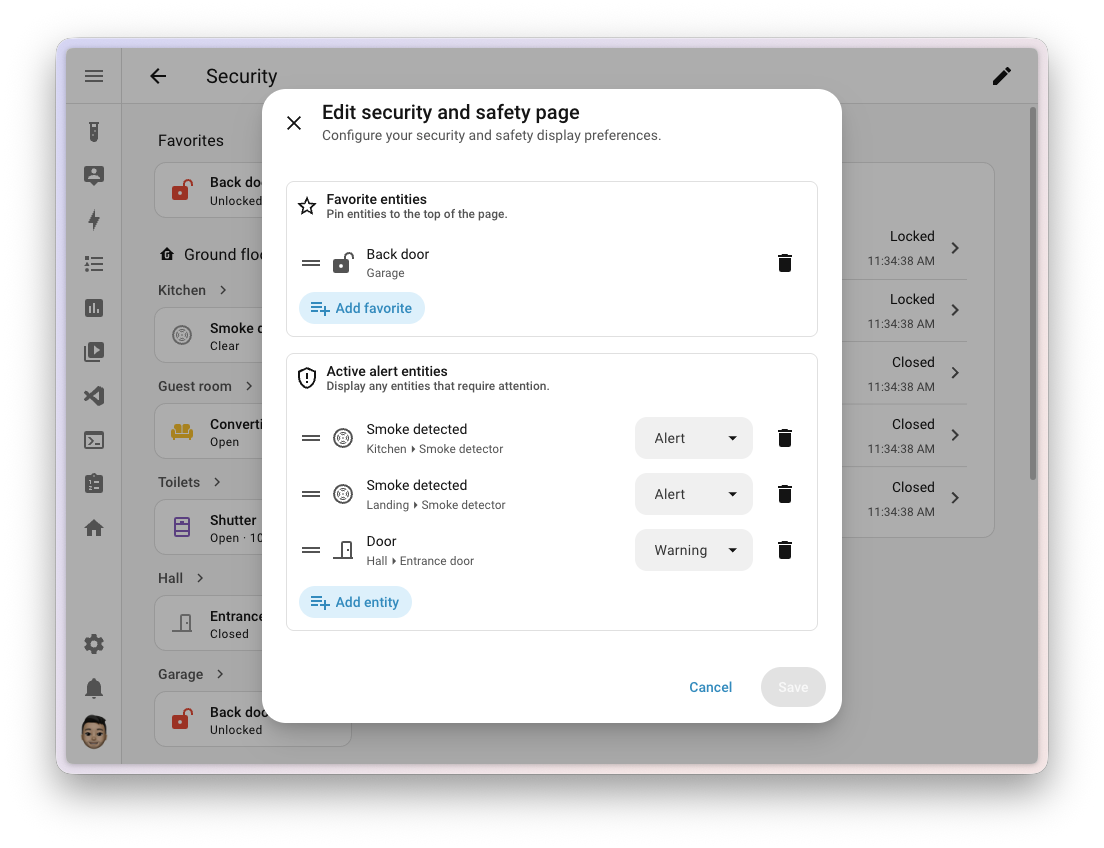
- Security Dashboard Updates: The built-in Security interface now features dynamic "Active alerts" and pinned "Favorites." The Active alerts module remains hidden during normal operations and scales visual severity levels (distinguishing warnings from critical alarms) only when specific entities, such as unlatched perimeter doors or smoke detectors, require user intervention.
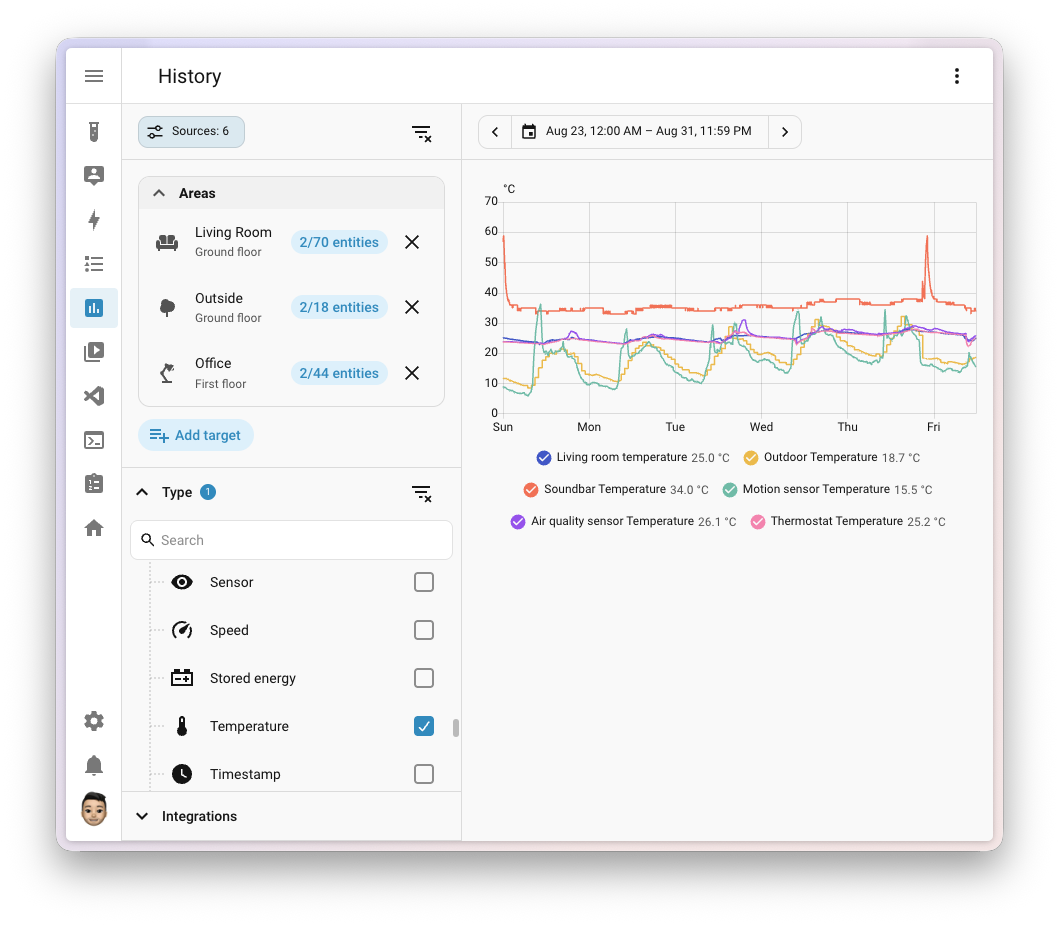
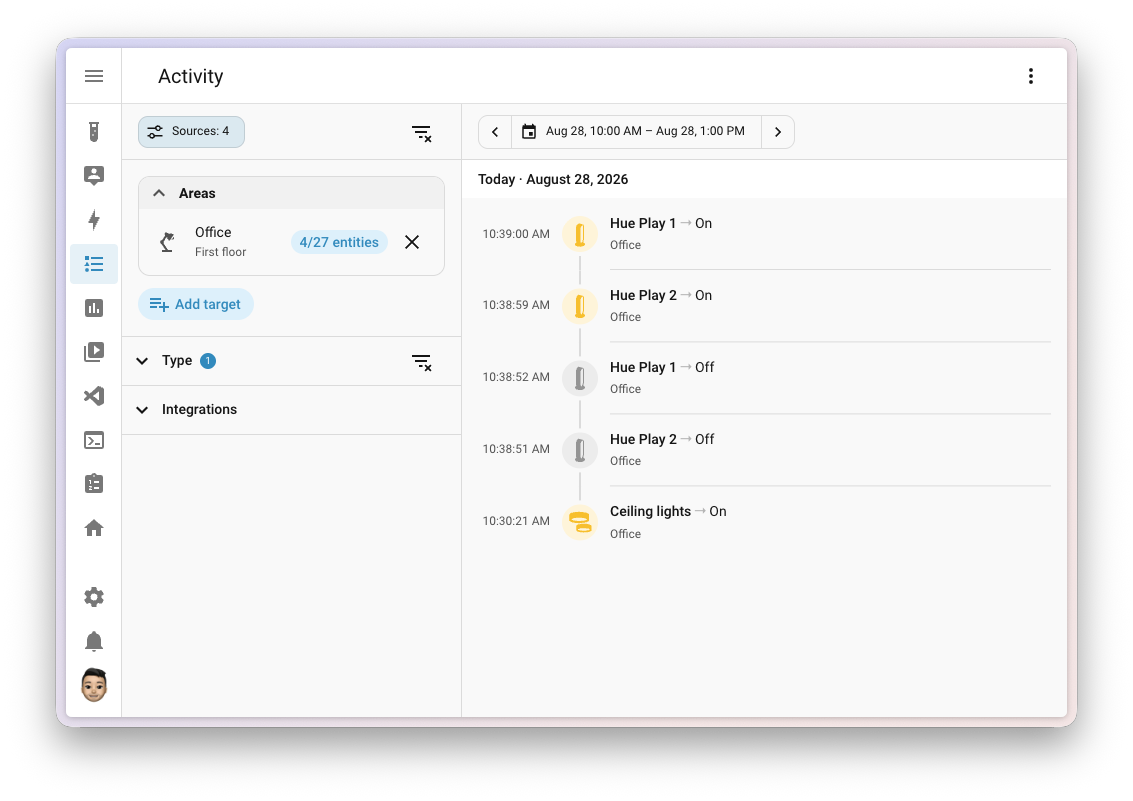
- Unified Sources Panel: Both the History and Activity logs have been merged under a standardized left-hand navigation pane. Users can filter data across floors, areas, devices, and specific domain classes while preserving query states across sessions.
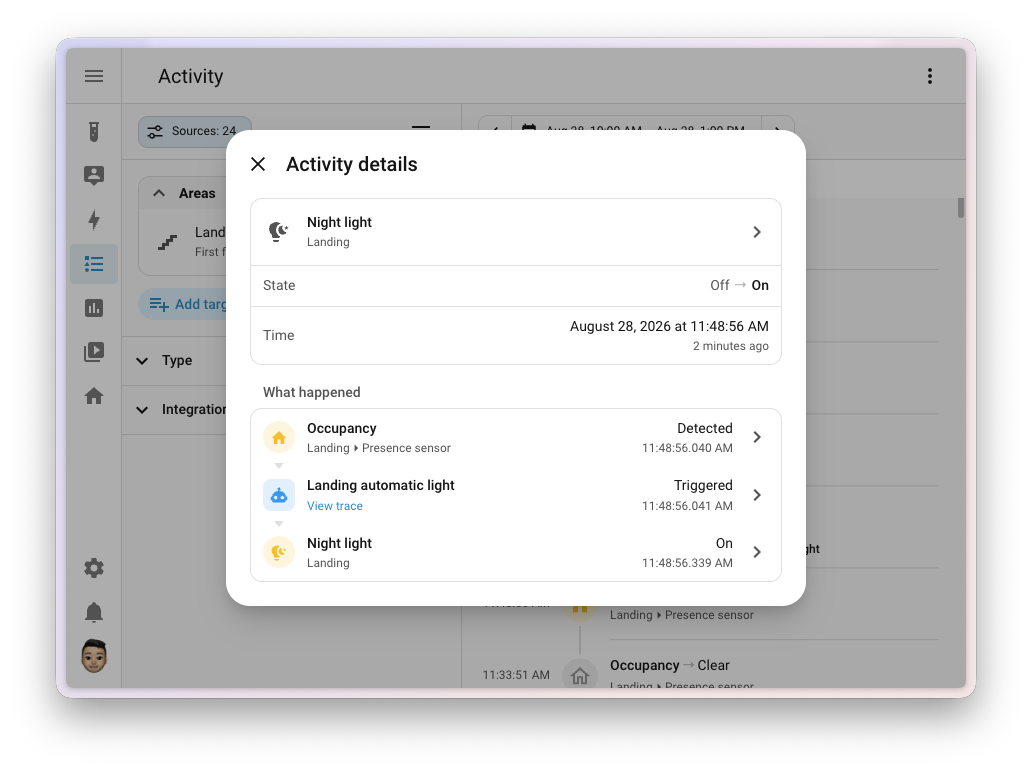
- Granular Activity Auditing: The Activity log has evolved from reporting raw state changes to providing chronological causal chains. Selecting a log entry now displays a detailed dialog illustrating the origin event, intermediate script or automation passes, and precise millisecond timestamps.
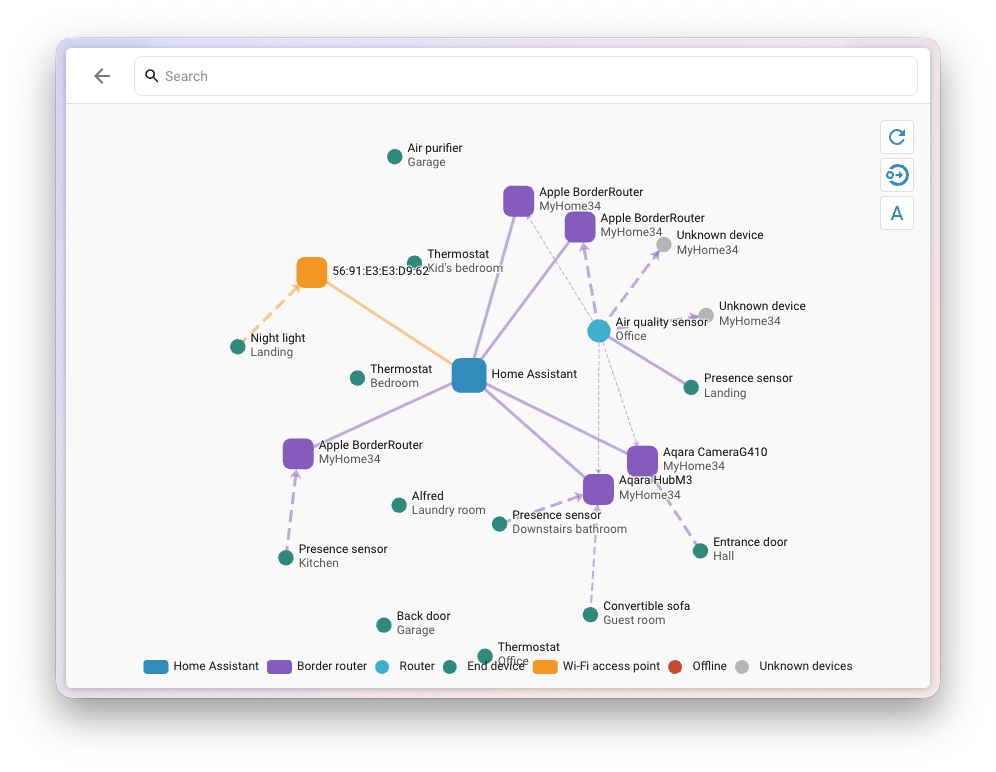
- Matter Network Topography: Addressing a long-standing parity gap with Zigbee (ZHA) and Z-Wave protocols, the Matter integration now features a graphical network map visualizing Thread mesh links, Wi-Fi connections, border routers, and battery-powered end devices.
Accessibility and Hardware Management
Demonstrating a continuous commitment to universal design, Home Assistant 2026.9 introduces comprehensive accessibility features for analytical charts. Previously, graphical data visualizations were entirely inaccessible to keyboard-only users and screen-reader software.
The updated charting engine now treats every data point as a focusable element. Users navigating via keyboard can traverse historical data points step-by-step, accompanied by live screen-reader announcements of timestamps and numerical values. Furthermore, the platform introduces audio-based trend representation: as a user steps through a chart, the interface generates synthesized tonal pitches that scale in frequency relative to the data values, allowing visually impaired users to audit data trends audibly.
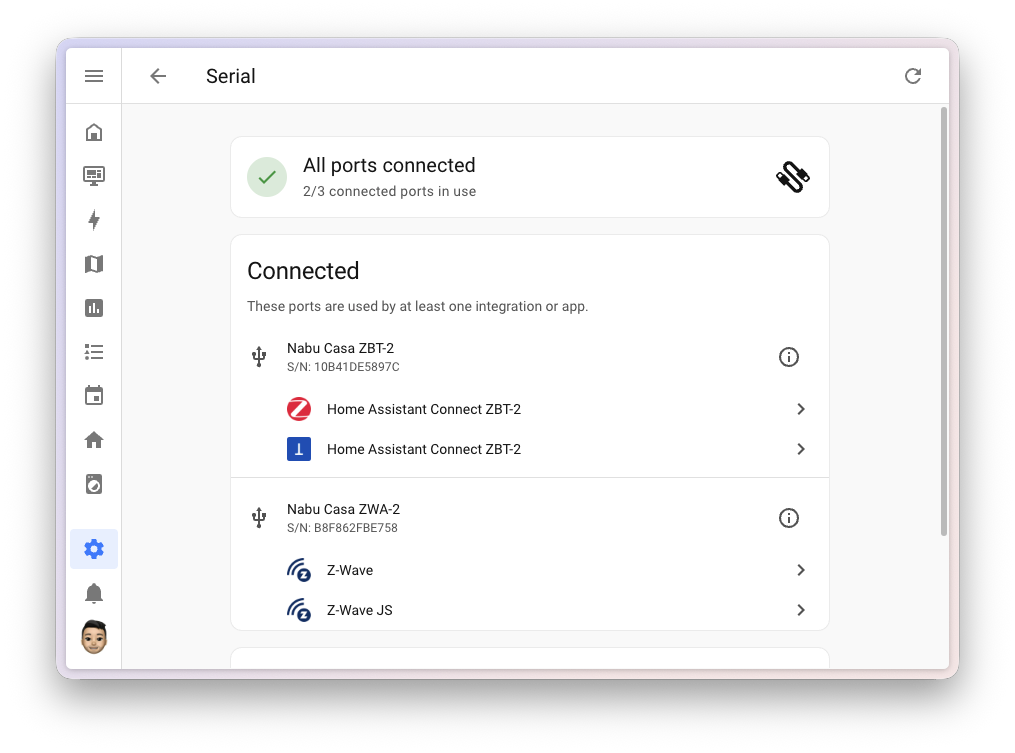
In the realm of hardware connectivity, the settings architecture has expanded to include a dedicated Serial panel under the Connectivity category. Mirroring the integration treatment previously granted to infrared and radio frequency hardware, the Serial panel catalogs all physical USB dongles and serial ports, sorting them into active, connected-idle, and missing-device states to simplify troubleshooting for local mesh networks.
Broader Impact and Implications
The release of version 2026.9 underscores the strategic maturation of Home Assistant as a viable alternative to closed, commercial smart home ecosystems. By bridging the gap between complex industrial hardware standards—such as Modbus—and consumer-friendly user interfaces, the Open Home Foundation is accelerating the integration of home energy management systems, photovoltaic arrays, and heat pumps.
Simultaneously, tightening administrative access controls for core functions—such as software updates and lock credential management—signals an increased emphasis on enterprise-grade security hardening. These architectural adjustments ensure that as smart home deployments scale in complexity, administrative integrity and user privacy remain uncompromised.