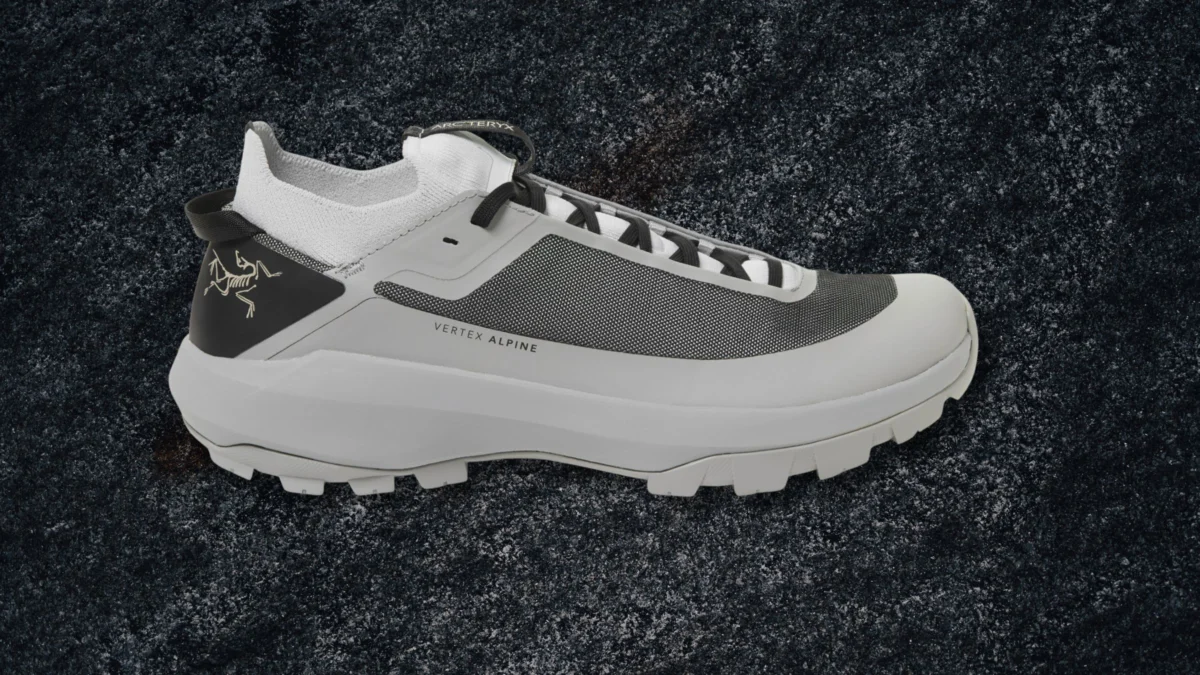
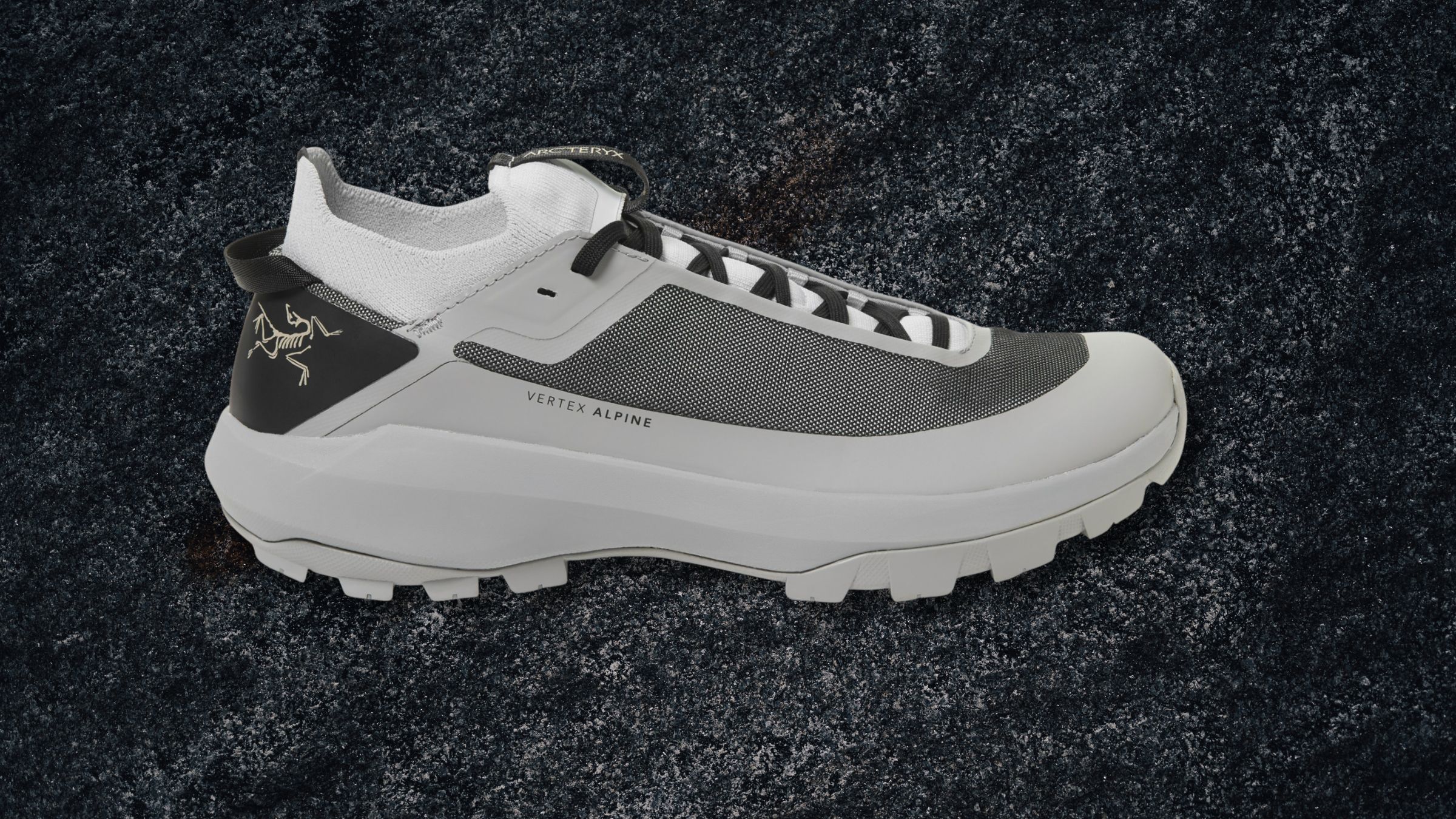
The outdoor retail landscape witnessed a notable shift this week as REI announced a significant 30 percent price reduction on the Arc’teryx Vertex Alpine, a model recently identified by industry experts as the premier all-around approach shoe for the 2026 season. Originally retailing at $230, the technical footwear is now available for $161, providing a substantial incentive for alpine climbers and mountain runners looking to consolidate their gear requirements. This discount arrives during a period of high demand for versatile mountain equipment, as athletes prepare for the transition between late summer and early autumn climbing conditions.
The Arc’teryx Vertex Alpine occupies a unique niche in the current market, bridging the gap between high-performance trail running footwear and traditional technical approach shoes. Its architecture is specifically engineered for users who prioritize speed during long, multi-terrain approaches, yet require the mechanical support necessary for mid-grade rock climbing. By combining a rockered sole profile—typically found in endurance running gear—with the sticky friction rubber of a climbing shoe, Arc’teryx has sought to solve a persistent logistical problem for climbers: the need to carry separate, specialized footwear for different segments of a single objective.
Chronology of Field Testing and Development
The development cycle of the Vertex Alpine reflects a broader industry trend toward "fast and light" alpinism, where weight reduction and efficiency are paramount. Throughout the 2025 and 2026 seasons, the shoe underwent rigorous field testing in diverse environments, ranging from the technical limestone escarpments of Mt. Potosi in Nevada to the rugged, high-altitude terrain of Washington Pass in the North Cascades.
In mid-2025, lead testers—including Climbing magazine’s senior editorial staff—began evaluating the shoe’s performance over extended, high-mileage missions. The testing protocol was exhaustive, covering over 100 miles of varied terrain and approximately 10,000 feet of vertical gain. Observations during this period noted that the shoe’s durability surpassed that of conventional lightweight mesh alternatives. Specifically, the integration of Matryx fabric—a high-tenacity, Kevlar-infused material often reserved for high-stress climbing harnesses and professional-grade soccer cleats—provided a necessary defense against the abrasive sandstone of Red Rock and the sharp edges of alpine granite.
By early 2026, the data gathered from these deployments indicated that the shoe maintained its structural integrity even after extensive use in technical chimneys and scree fields. The rand, which is often the first point of failure in approach footwear, demonstrated exceptional adhesion, and the Vibram XS Flash 2 rubber outsole retained its structural lug integrity despite significant exposure to high-friction environments.
Technical Specifications and Design Analysis
The engineering philosophy behind the Vertex Alpine centers on the reconciliation of two diametrically opposed needs: the flexibility required for a natural running gait and the rigidity required for technical edging. The shoe utilizes a Thermoplastic Polyurethane (TPU) shank, which provides the torsional stiffness needed to stand on small rock edges—supporting climbing performance up to 5.10- difficulty ratings.
Data points regarding the shoe’s design include an 8mm drop, a specification chosen to provide shock absorption during long, high-impact descents from mountain summits. This feature is particularly relevant for climbers performing "walk-offs," where the descent can often be as taxing on the musculoskeletal system as the ascent. Furthermore, the inclusion of a dedicated "climbing zone" at the toe—an area free of the aggressive lug patterns found on the rest of the sole—allows for precise placement on rock, a feature typically absent in standard trail runners.
The choice of the Matryx upper serves as the primary differentiator between the Vertex Alpine and its competitors. Traditional approach shoes often utilize either leather, which can be heavy and slow-drying, or standard mesh, which is prone to tearing when subjected to the friction of crack climbing. The Matryx material offers a middle ground, providing significant breathability for high-output aerobic activity while offering the tear resistance required for off-width or chimney climbing, where the shoe is subjected to intense shear forces.
Market Implications and Consumer Strategy
The decision by REI to apply a 30 percent markdown—bringing the price down to $161—is reflective of standard seasonal inventory cycles, yet the timing is particularly advantageous for the alpine climbing community. As the summer season concludes and athletes begin planning for late-season alpine objectives, the availability of high-tier equipment at a reduced price point often influences purchasing behavior toward professional-grade gear.
For the consumer, the selection of the correct size remains a critical factor in performance. According to guidance provided by Arc’teryx and reinforced by field testers, the shoe features a "precision fit," which is intentionally snug to maximize sensitivity on rock. While standard street shoe sizing is recommended for those focusing primarily on climbing, the manufacturer advises a half-size increase for users whose primary objective is running or long-distance approach work. This nuance in sizing highlights the technical nature of the footwear; it is not merely a lifestyle shoe, but a specialized tool designed to fit the foot tightly to ensure no "slop" or movement occurs during technical footwork.
Economic Context and Gear Sustainability
The move toward more durable, multipurpose gear like the Vertex Alpine aligns with a broader shift in the outdoor industry toward sustainability and "quiver reduction." By manufacturing a shoe that performs equally well on a 10-mile trail run and a multi-pitch climbing route, Arc’teryx is targeting a demographic that values gear longevity and efficiency.
Industry analysts note that consumers are increasingly willing to pay a premium for products that utilize high-end materials like Vibram rubber and Matryx fabric, provided those products offer a tangible increase in utility. The current sale at REI serves as an entry point for those who might otherwise be deterred by the $230 MSRP, potentially expanding the user base for technical alpine gear. From a sustainability perspective, the ability of the shoe to withstand over 100 miles of vertical terrain without showing signs of premature wear suggests a lower rate of replacement, which aligns with the industry’s long-term goal of reducing textile waste.
Official Response and User Sentiment
While direct statements from the design team at Arc’teryx regarding this specific promotional event are limited, the company’s broader marketing strategy has consistently emphasized the "climber’s running shoe" concept. Feedback from the field has been largely positive, particularly regarding the balance between weight and protection. The ability to wear the shoe for the initial pitches of multi-pitch routes—such as the experience documented on the Southern Man route (5.11d)—serves as a benchmark for the shoe’s versatility.
Retailers such as REI report that such discounts are often used to clear shelf space for upcoming seasonal product lines, but they also serve to solidify a product’s reputation by putting it in the hands of a broader range of climbers. The data gathered from user reviews and professional testers alike suggests that the Vertex Alpine has established itself as a reliable, if specialized, component of a modern climber’s kit.
Future Outlook for Technical Approach Footwear
As of September 2026, the market for approach shoes continues to evolve. The success of the Vertex Alpine suggests that the future of this category lies in hybrid designs that do not sacrifice technical climbing performance for athletic comfort. As materials science continues to advance—with further developments in synthetic uppers and more specialized rubber compounds—it is likely that other manufacturers will attempt to emulate the Vertex Alpine’s design principles.
For now, the current discount represents a significant opportunity for the climbing community to acquire high-performance footwear that has been extensively validated in the field. Whether utilized for rapid ascents of technical spires in Washington or long-distance scrambles in the American Southwest, the shoe’s performance metrics suggest it will remain a relevant piece of equipment for the remainder of the season and into the future. With inventory levels currently stable for both men’s and women’s sizing, the market remains receptive to those seeking to upgrade their approach capabilities.