The landscape of independent game development has long been defined by its willingness to experiment with niche aesthetics and mechanical fusions that larger studios often overlook. The latest title to emerge from this creative crucible is Break The Night, a hack-and-slash project that integrates roguelike progression mechanics with a visual language heavily influenced by late-2000s character design and early digital-era motifs. Recently featured as a standout in the latest SAGE (Sonic Amateur Games Expo) showcase, the title represents a burgeoning trend of developers utilizing established fan-centric platforms to launch original, non-fan-derivative intellectual properties.
The Origins of the Project and the SAGE Expo Context
The SAGE Expo, originally conceived as a dedicated hub for Sonic the Hedgehog fan games, has evolved significantly over the past decade. While its namesake remains a focal point for the community, the expo has transitioned into a broader exhibition for independent developers, particularly those working within the 2D action and platforming genres. The inclusion of original titles like Break The Night in this year’s lineup underscores a shift in how indie developers view community-driven events; they are no longer just repositories for fan content but are increasingly functioning as viable platforms for original, commercially ambitious projects to gain early traction and user feedback.
Break The Night follows the narrative of three roommates who, after boarding a mysterious, unexplained train, find themselves transported to "the Limit"—a metaphysical space existing between established realities. The narrative framework centers on their attempts to navigate this dimension, eventually encountering a corrupting entity and magical creatures that facilitate a transformation mechanic, serving as the basis for the game’s combat system.
Core Mechanics and Technical Framework
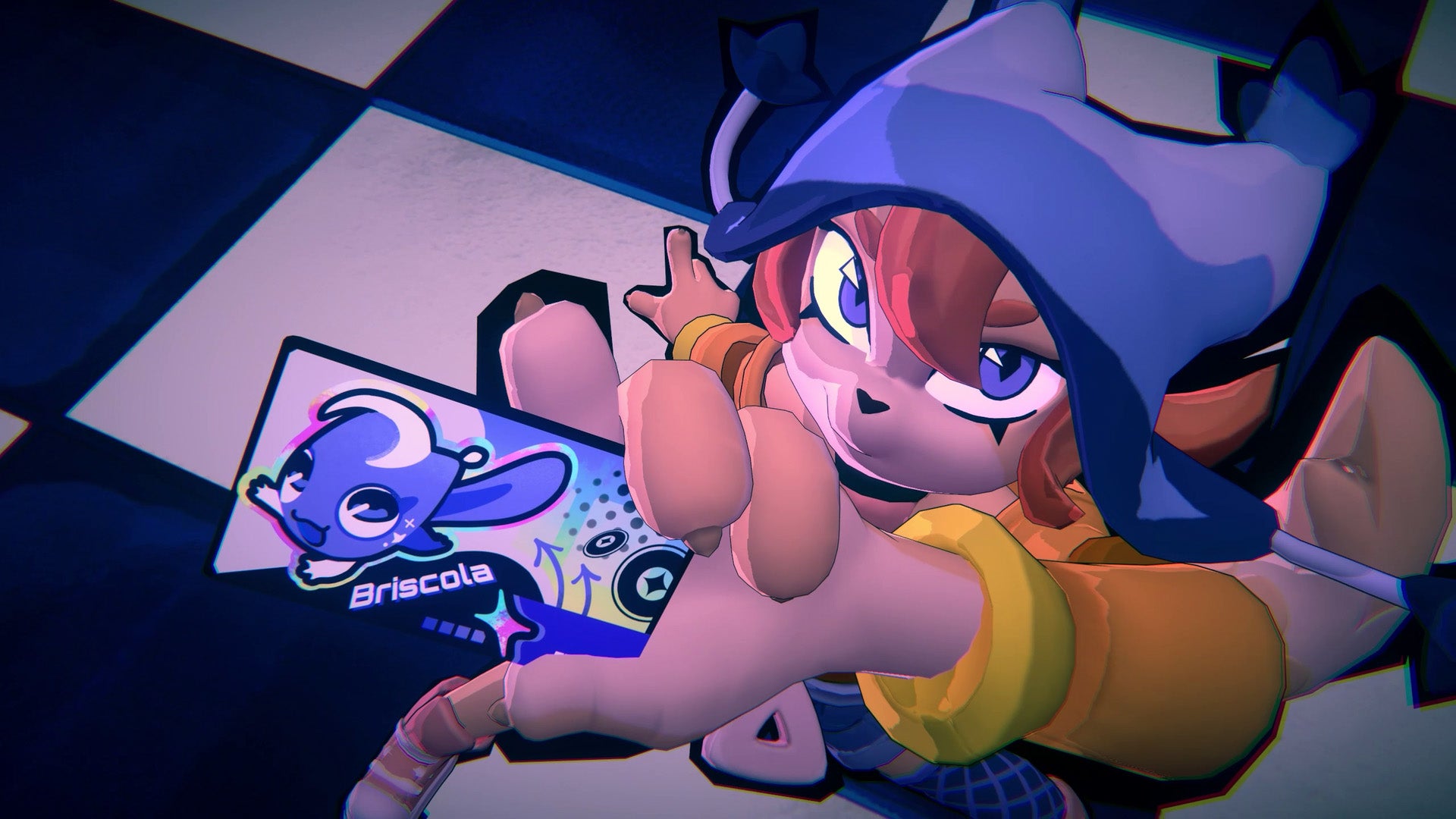
In its current demonstration phase, Break The Night prioritizes the "game feel" of its combat loops. The developers have focused on a foundational hack-and-slash structure that utilizes a three-pronged approach: a standard combo string, verticality-focused launch and slam attacks, and a card-based ability system.
The integration of cards as a core combat mechanic suggests a roguelike progression structure, where players will likely be required to manage limited-use abilities to optimize their performance against waves of enemies. This system adds a layer of strategic resource management to the traditional action-game formula. Technologically, the movement system is a highlight, featuring a dash-jump mechanic that allows for significant momentum carry-over, a design choice reminiscent of high-mobility platformers like Celeste. This emphasis on movement speed and fluid spatial navigation indicates that the development team is aiming for a high skill ceiling despite the game’s current early-stage status.
Visual Aesthetic and Industry Trends
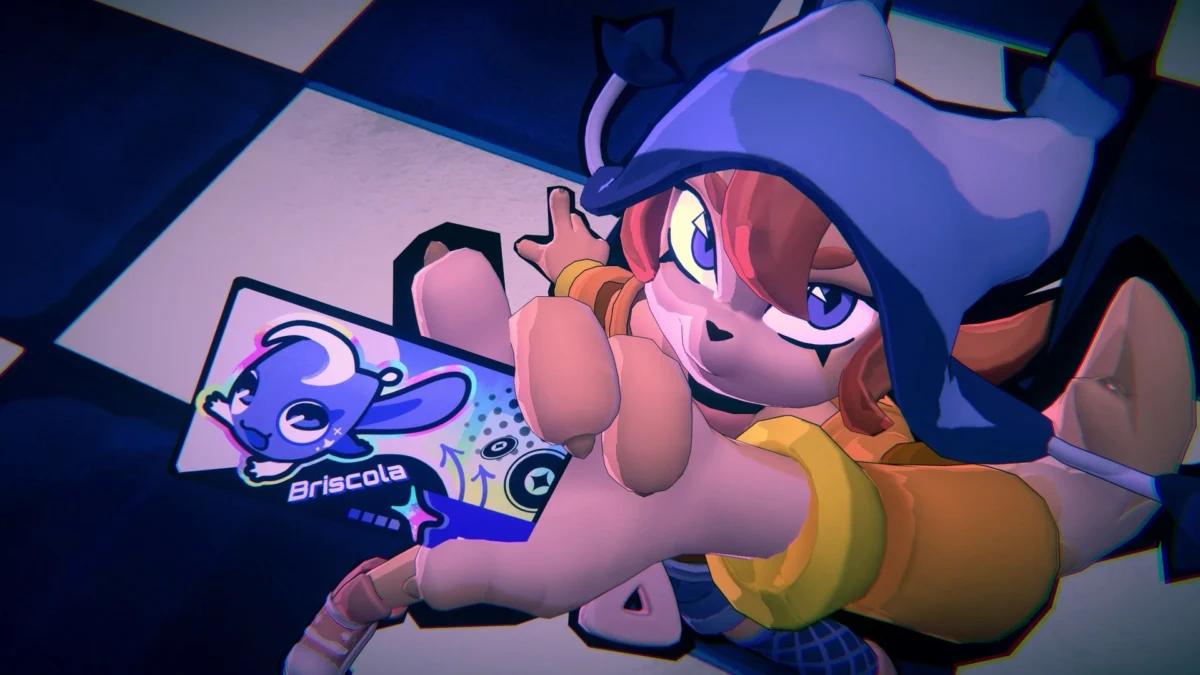
The aesthetic direction of Break The Night is explicitly rooted in the visual culture of the late 2000s, moving beyond the Y2K-revival trends that have dominated independent media for the past several years. By focusing on the post-Y2K era, the developers are tapping into a specific cultural nostalgia that emphasizes vibrant, slightly surreal, and tech-forward imagery. This aesthetic, often characterized by sharp silhouettes and stylized "furry-adjacent" character designs, creates a distinct visual identity that sets the title apart from the pixel-art saturation currently present in the indie market.
From an analytical perspective, this stylistic choice is significant. Many independent developers are currently moving away from retro-mimicry in favor of "early digital" aesthetics, which allow for a more cohesive look that feels both nostalgic and distinctly modern. The success of these titles often hinges on the developers’ ability to bridge the gap between archaic visual limitations and modern rendering capabilities, a balance that Break The Night appears to be navigating through its fluid, high-frame-rate animation and stylized effects.
Development Timeline and Community Engagement
The current trajectory of Break The Night is marked by its transition from a hobbyist project to a formal commercial venture. The release of a combat-focused demo during the SAGE Expo serves as a critical milestone in the development timeline. Unlike traditional market-ready releases, this demo functions as a stress test for the game’s engine and combat mechanics, gathering community data on balance, responsiveness, and player preferences.
- Phase One (Conception): Establishing the narrative "Limit" and core character archetypes.
- Phase Two (Prototyping): Developing the combat loop and movement physics.
- Phase Three (Exhibition): The SAGE Expo demo release, serving as the current public touchpoint.
- Phase Four (Commercial Preparation): Transitioning to a dedicated Steam presence and long-term development roadmap.
By bypassing a traditional Early Access launch in favor of a targeted combat demo, the developers are effectively engaging in a "lean development" cycle. This allows them to iterate on the most important aspect of the game—the core combat loop—before investing resources into broader world-building or narrative expansion.
Implications for the Indie Market
The rise of games like Break The Night highlights a changing landscape in indie game financing and marketing. The reliance on community showcases rather than traditional trade shows allows for a more direct, unfiltered dialogue between developers and their target audience. This creates a feedback loop where player reactions to specific mechanics—such as the card-based power-ups or the movement physics—can directly influence the final design of the game.
Furthermore, the game’s success in generating interest without an established franchise brand suggests that niche aesthetic appeal, combined with polished mechanical execution, remains a viable path for new developers. As the industry continues to consolidate, the ability of smaller studios to build dedicated, organic communities through platforms like Steam and independent expos becomes increasingly critical.
Future Outlook and Challenges
While the foundation of Break The Night is robust, the studio faces the challenge of scaling its content. The transition from a small-scale combat demo to a fully realized, multi-level roguelike is historically where many independent projects encounter difficulties. The development team must successfully implement a deeper variety of cards, enemy archetypes, and environmental hazards to keep the "Limit" engaging over long-term play sessions.
Moreover, the narrative development remains in its infancy. As the game moves toward a wider release, the integration of the three protagonists’ stories into the gameplay will be the deciding factor in its long-term appeal. The current "roommate" premise offers a solid hook, but expanding this into a compelling, cohesive narrative that justifies the game’s progression will be essential.
In conclusion, Break The Night stands as a testament to the current vitality of the independent scene. By leaning into its unique aesthetic and prioritizing the tactile satisfaction of its combat, the developers have successfully positioned the game as a title to watch. As it continues its development cycle, the focus will remain on whether the team can successfully marry its promising mechanical foundation with a depth of content capable of sustaining a full commercial release. With the game now listed on Steam, the next phase of its journey will be defined by how the developers integrate player feedback from the SAGE demo into the final, polished product.