Tesla has officially reopened its reservation books for the long-awaited, next-generation Tesla Roadster, requiring prospective buyers to commit a substantial $50,000 deposit. This financial obligation arrives just days ahead of a heavily anticipated October 1, 2026, reveal event scheduled in Waco, Texas. The move effectively breathes new life into a reservation pipeline that was originally initiated nearly a decade ago in 2017 before being quietly paused in 2021 when Tesla removed specific pricing and order structures from its corporate website.
The renewed reservation framework mirrors the original terms established during the vehicle’s initial unveiling. Interested buyers must complete an immediate, fully refundable $5,000 credit card payment, followed by a mandatory $45,000 wire transfer that must clear within ten days. According to Tesla’s updated portal, a reservation is not finalized until the full wire transfer is acknowledged and processed by the company. Despite collecting these considerable upfront funds, Tesla has yet to publish a confirmed final retail price or a definitive commercial production date on its official order page, leaving buyers to speculate on the final cost of the high-performance electric vehicle.
Chronology of Delays and Broken Timelines
The path of the second-generation Roadster has been defined by prolonged developmental shifts and repeatedly missed production targets. When Elon Musk first showcased the prototype in November 2017 during the surprise launch of the Tesla Semi, he boldly promised that production would commence by 2020. At the time, the vehicle’s projected specifications captivated the automotive industry, boasting a blistering 0-60 mph acceleration time of 1.9 seconds, a top speed exceeding 250 miles per hour, and an unprecedented battery range of roughly 620 miles per charge.

However, those aggressive timelines quickly unraveled. As supply chain pressures, corporate resource reallocations toward higher-volume vehicles like the Model Y and Cybertruck, and engineering refinements took priority, the Roadster’s production target slipped consecutively through 2022, 2023, 2024, and the 2025–2026 window. Most recently, corporate communications indicate that actual manufacturing will not realistically begin until late 2027 or 2028 at Gigafactory Texas.
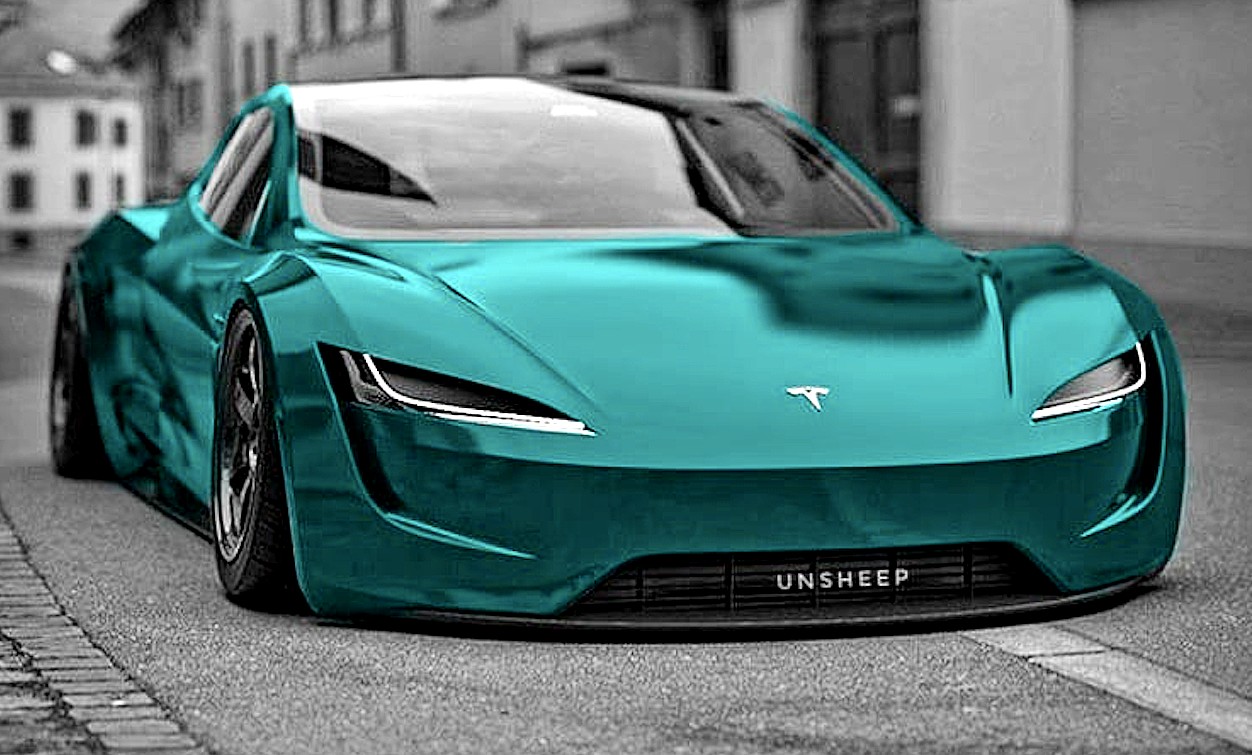
Throughout this lengthy gestation period, the vehicle’s design language has also evolved. Engineering teams have reportedly integrated sharper, more angular styling cues influenced by the geometric aesthetic of the Cybertruck, departing somewhat from the smooth, aerodynamic curves of the original 2017 prototype. For the original cohort of reservation holders—many of whom locked in their $50,000 deposits in 2017, or paid a staggering $250,000 upfront for the limited-run Founders Series—the journey has meant waiting nearly nine years for a production vehicle, leading to inevitable cancellations from some high-profile early adopters.

The Waco Reveal and the Mysterious FAA Airspace Restrictions
The upcoming October 1 event is set to take place in Waco, Texas, strategically positioned approximately 90 minutes north of Tesla’s corporate headquarters in Austin and in close proximity to SpaceX’s McGregor rocket development and testing facility. Invitations have already been dispatched to legacy reservation holders alongside a cryptic "Go for launch" marketing teaser posted across corporate social media channels on September 12.
Adding significant intrigue to the gathering, the Federal Aviation Administration (FAA) established a formal Temporary Flight Restriction (TFR) over the McGregor testing area, effective from September 18 through October 2. Designated as NOTAM FDC 6/3825, the restriction enforces a strict 1.5-nautical-mile radius around the site, extending from ground level up to an unusually high ceiling of 10,000 feet. While typical engine static tests at the McGregor facility generally command airspace ceilings of around 2,000 feet, this elevation limit has fueled intense speculation across aviation and automotive circles.

The heightened altitude restriction aligns directly with long-standing rumors regarding the optional "SpaceX Package" for the Roadster. Musk has previously suggested that the vehicle could feature compressed cold-gas thrusters derived from aerospace engineering, theoretically capable of enhancing acceleration boundaries or even enabling brief, controlled hovering capabilities. Industry analysts note that a 10,000-foot vertical buffer would provide an essential safety margin for any public demonstration involving airborne or vertical lift components, though Tesla has strictly refrained from officially confirming a flight demonstration.
Financial Stakes and Broader Market Implications
Tesla’s decision to resume large-scale deposit collections serves as a major test of consumer confidence. Asking new buyers to tie up $50,000 without a finalized bill of materials or an exact delivery date requires a profound degree of brand loyalty, particularly given the historical delays associated with the project.
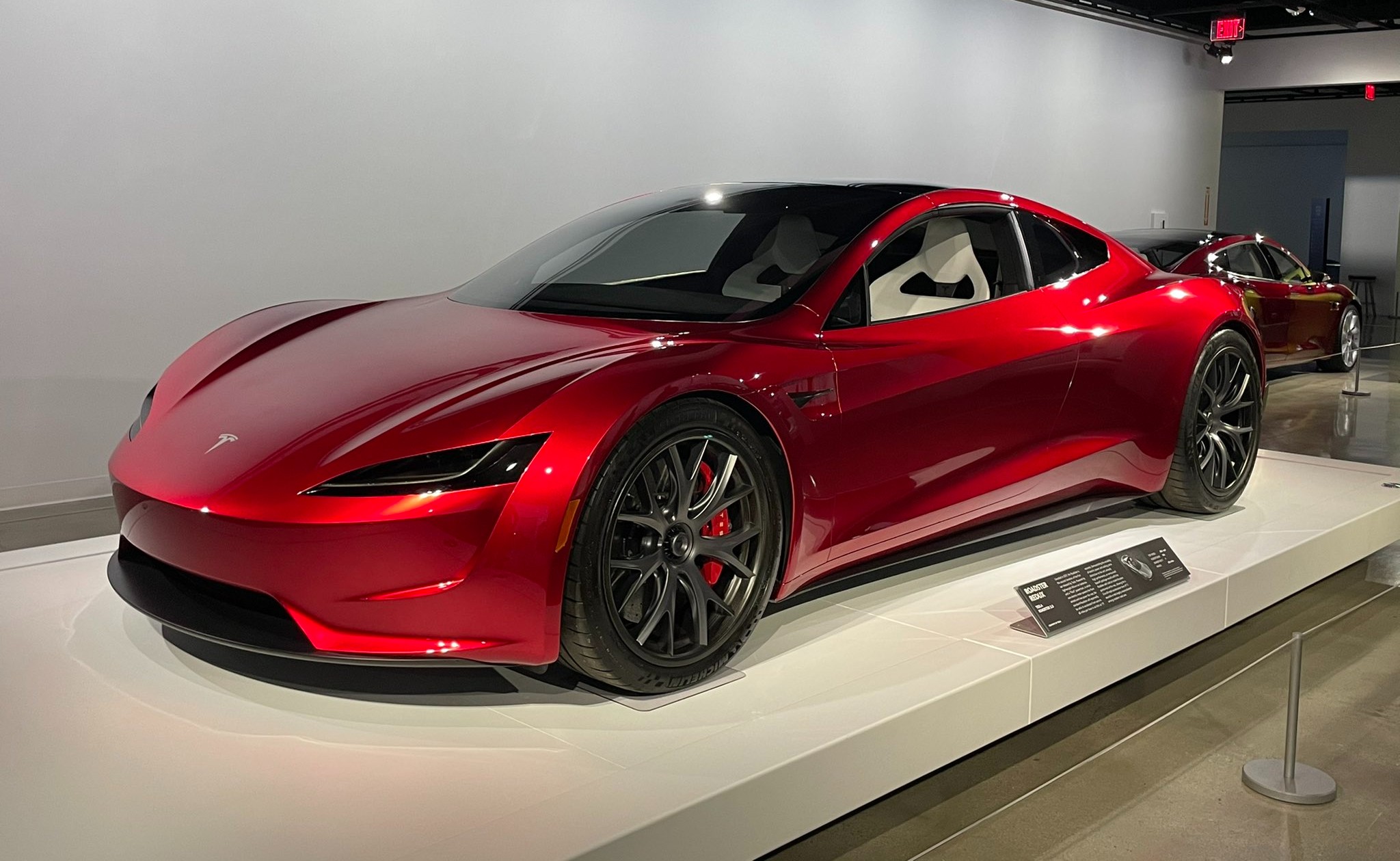
Beyond the immediate financial transactions, the October 1 event carries immense strategic weight for the brand. As legacy automakers introduce their own high-performance electric platforms, Tesla must demonstrate that the Roadster remains the technological pinnacle of battery-electric vehicle development. The upcoming presentation is expected to provide definitive answers regarding final specifications, pricing tiers, and a concrete manufacturing schedule, ultimately determining whether the next-generation Roadster can finally transition from a persistent engineering concept into a tangible reality on public roads.