The integration of cameras into consumer-grade smart glasses represents one of the most significant technological shifts in the wearable market, yet this evolution has been marred by intense public scrutiny and profound privacy concerns. While manufacturers initially touted the convenience of point-of-view capture and AI-driven assistance, the industry now faces a severe reputational hurdle. The widespread perception of these devices as potential tools for unauthorized surveillance—often colloquially dubbed "perv glasses"—has created a hostile environment for the next generation of extended reality (XR) hardware, including forthcoming devices from major tech conglomerates.
The Evolution of the Smart Glass Camera
The trajectory of smart eyewear began with ambitious, albeit commercially unsuccessful, experiments like the original Google Glass. However, the current iteration of the technology found a renewed foothold through the partnership between Meta and Ray-Ban. By blending aesthetic, familiar eyewear frames with sophisticated integrated hardware, Meta effectively brought smart glasses into the mainstream.
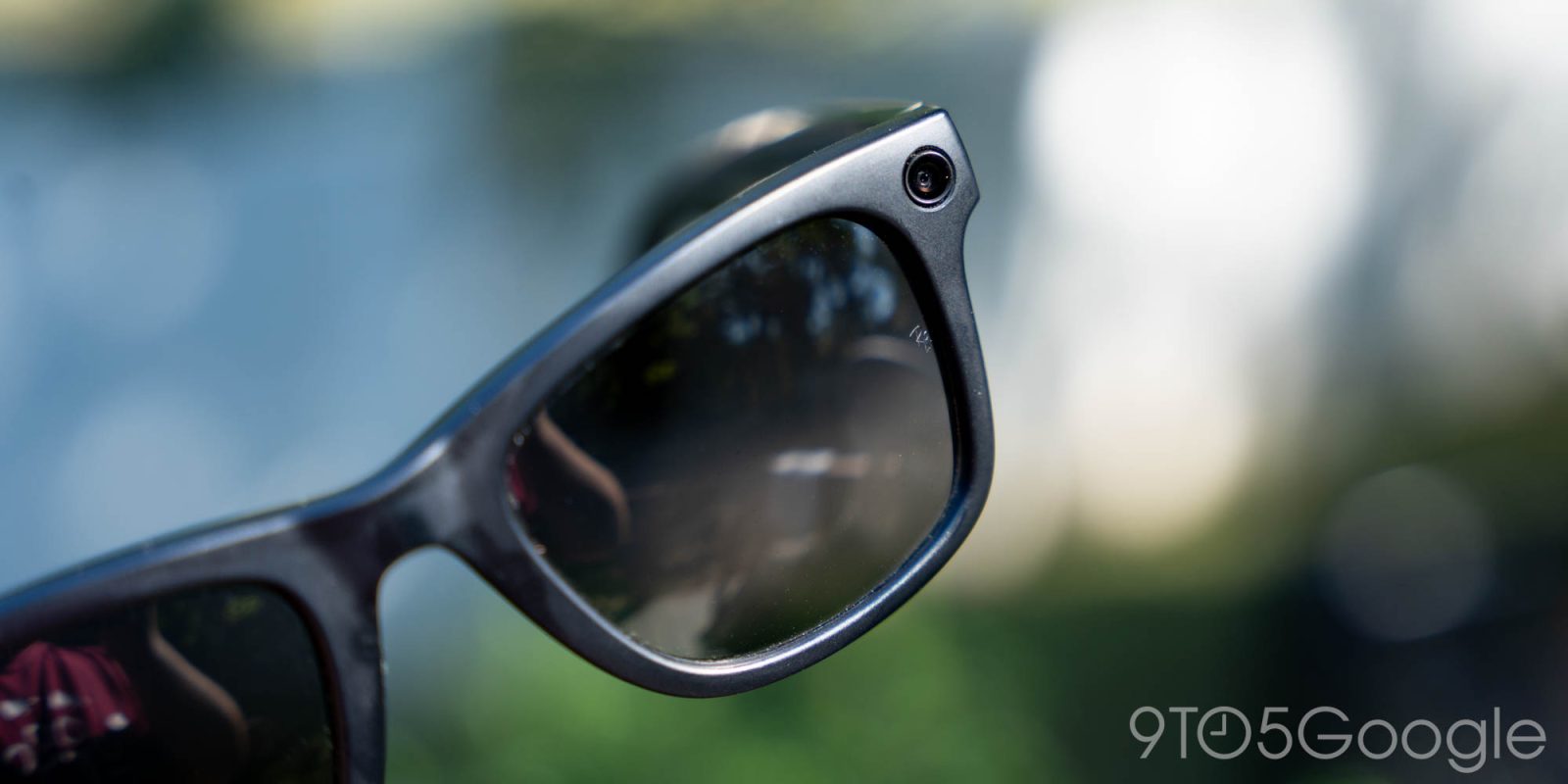
The primary value proposition for these devices is twofold: hands-free photography and real-time AI processing. Users are able to document life as it happens, translate foreign signage in real-time, or receive object identification through voice commands. Despite these functional benefits, the inclusion of a camera has consistently been the most contentious hardware component. The ability to record video or snap photos without the overt social cues associated with lifting a smartphone has fundamentally disrupted traditional norms of public privacy.
Chronology of the Privacy Debate
The controversy surrounding camera-equipped wearables is not a recent phenomenon, but it has intensified over the last two years as adoption rates climbed.
- Initial Launch Phase: When Meta released its second-generation Ray-Ban smart glasses, the market response was initially positive, driven by the convenience of capturing social media content.
- Privacy Vulnerabilities Identified: Security researchers and privacy advocates quickly identified that the privacy LED, intended to signal to bystanders that a recording was in progress, could be circumvented. Reports circulated regarding third-party modifications that allowed users to disable the light, effectively turning the glasses into a covert recording device.
- Data Handling Scrutiny: Public trust suffered a significant blow following reports that Meta had utilized internal human moderators to review private, uncensored footage captured by users to refine its AI models. These revelations heightened existing fears about how private data is stored and analyzed.
- Mid-2026 Regulatory and Technical Response: By July 2026, the pressure to address these loopholes became undeniable. Meta released firmware updates aimed at preventing the physical or software-based suppression of the notification LED. However, the lag between the identification of these vulnerabilities and the deployment of patches fueled criticism regarding the company’s commitment to user and bystander privacy.
Data and Public Perception
The tension between functionality and privacy is supported by evolving social sentiment. Recent surveys regarding wearable technology indicate that while consumers are interested in the utility of AR, a majority express discomfort when interacting with individuals wearing devices capable of recording them.
The "stigma of the camera" is not merely anecdotal; it is a measurable factor that influences product development. Manufacturers are now forced to weigh the benefits of AI-powered computer vision—which requires a clear line of sight—against the reality that many venues, private businesses, and social circles are actively considering, or have already implemented, bans on camera-equipped wearables. This creates a challenging market landscape where the hardware’s primary competitive advantage is also its greatest social liability.
Industry Responses and Countermeasures
Major technology companies are attempting to navigate this climate by prioritizing transparency and "privacy-by-design" architectures. Samsung and Google, both of which are currently developing Android-based XR glasses, have acknowledged the reputational damage caused by previous industry failures.
Samsung, in particular, has publicly stated that its upcoming hardware includes robust, tamper-resistant protections designed to ensure that the privacy notification system cannot be bypassed. This includes hardware-level interlocks that prevent the camera from operating if the status indicator is blocked or disabled. However, the challenge for these companies is not just technical; it is communicative. Convincing a skeptical public that these devices are inherently safe requires a level of transparency that goes beyond standard terms-of-service agreements.
The Broader Implications for the XR Sector
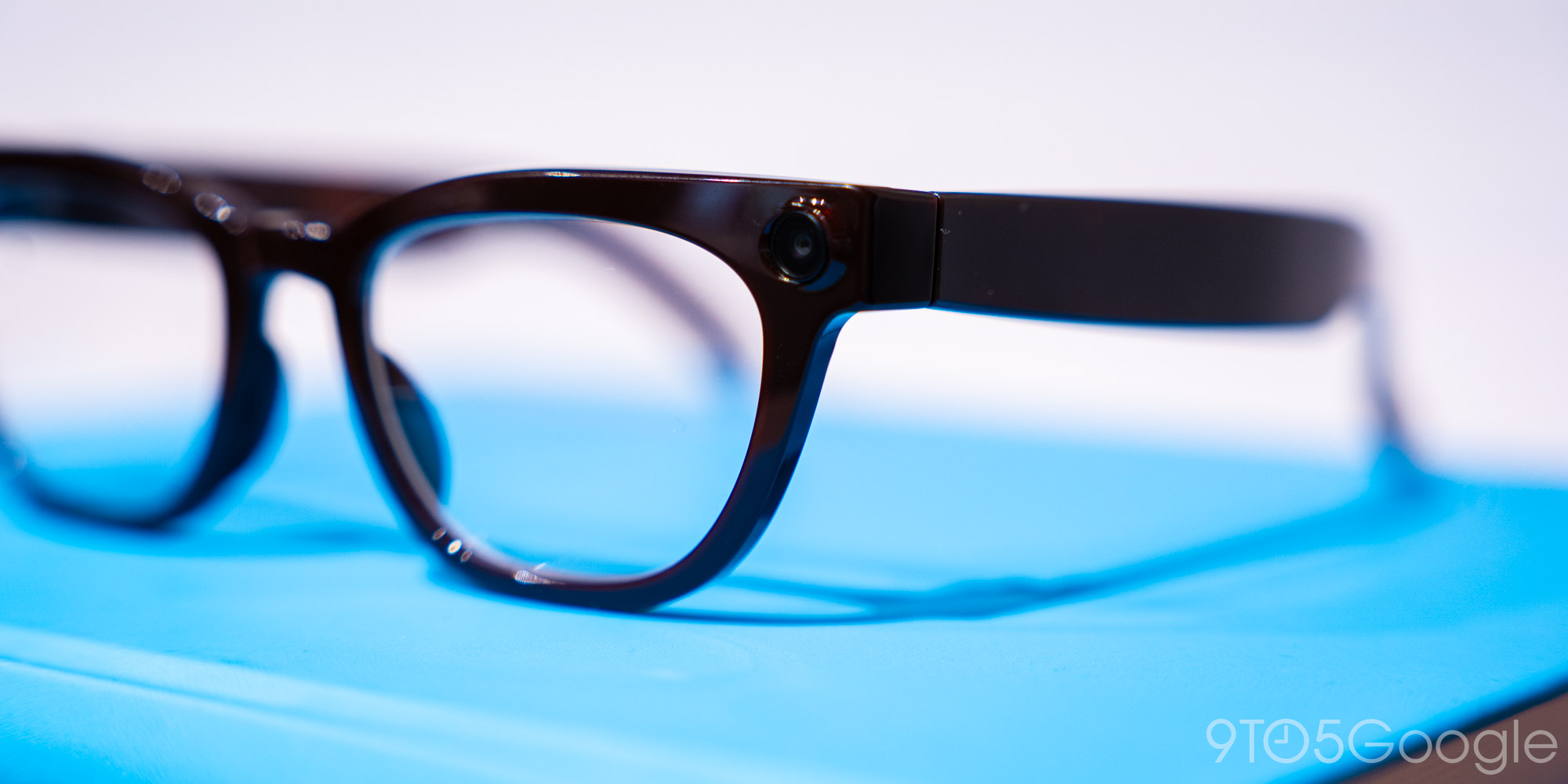
The long-term success of augmented reality depends on the integration of environmental sensors, which almost universally include cameras. If the stigma surrounding "smart" eyewear persists, the XR sector may be forced to bifurcate:
- The Privacy-First Approach: Developing glasses that prioritize audio, bone conduction, and display-only features while omitting optical sensors. While this mitigates privacy concerns, it significantly limits the potential of the device, rendering features like real-time translation or object recognition impossible.
- The Transparent-Hardware Approach: Developing high-end, sensor-rich devices that are bundled with rigorous, third-party audited privacy standards. This approach assumes that with enough regulation and public education, the "stigma" will eventually mirror the early days of smartphone cameras, where initial resistance gave way to societal acceptance.
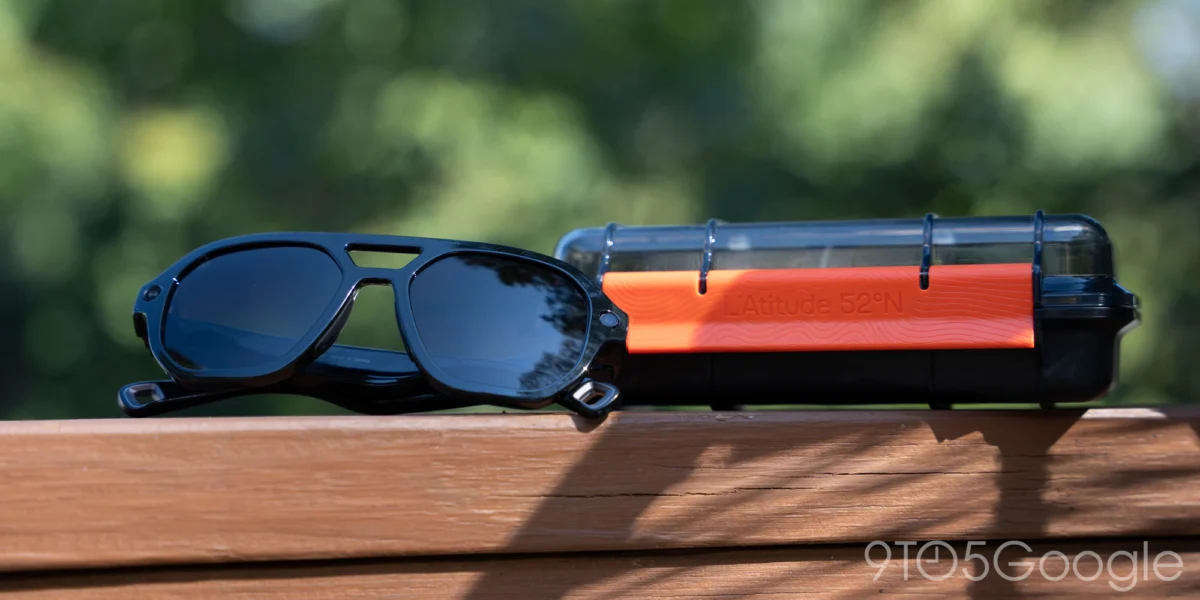
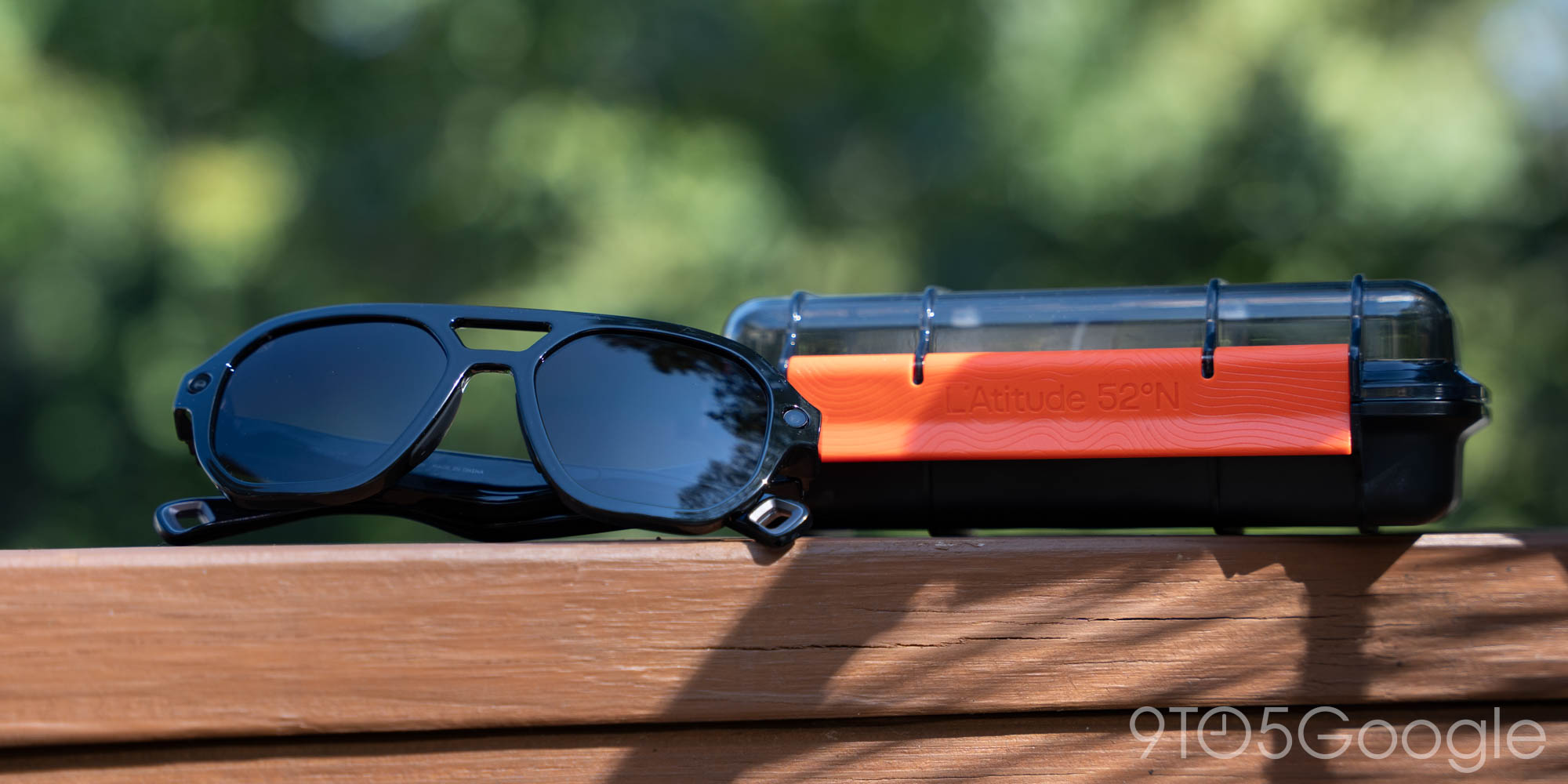
The reality is that the current market environment is one of extreme caution. Smaller developers, such as those behind the Latitude 52°N Berlin glasses, are navigating this space by experimenting with form factors that attempt to balance camera utility with a less intrusive, more traditional appearance. Yet, the consensus among industry analysts is that the reputational damage caused by early, poorly managed deployments of this technology has shortened the "runway" for future innovations.
The Path Forward: Regulation and Standardization
As we approach the widespread adoption of Android-powered XR headsets and glasses, the conversation is shifting from individual product features to industry-wide standards. There is a growing call for:

- Standardized Signaling: A universal, standardized indicator light that is recognizable across all brands, ensuring that the public can identify when a device is recording, regardless of the manufacturer.
- Data Sovereignty: Stricter guidelines on the cloud storage of raw video footage. Moving processing from the cloud to the device (Edge AI) would mitigate privacy concerns, as data would never leave the user’s possession.
- Legal Frameworks: Potential legislation that clarifies the legality of wearable recording devices in public spaces, similar to the regulations governing dashcams or body-worn cameras used by law enforcement.
The industry is currently in a "cooling off" period where the excitement of the initial product launch has been tempered by the reality of the societal response. For smart glasses to reach mass-market ubiquity, companies must transition from a posture of reactive patching to one of proactive, transparent, and rigorous ethical engineering. The failure to do so risks relegating smart glasses to a niche category, permanently tainted by the missteps of the industry’s early, and often reckless, attempts to put cameras on the faces of the general public.
The burden of proof now rests with the manufacturers. Whether the upcoming generation of Google and Samsung hardware can overcome the "perv glass" label will determine if the next decade is defined by a revolution in personal computing or a cautionary tale about the limits of wearable surveillance.