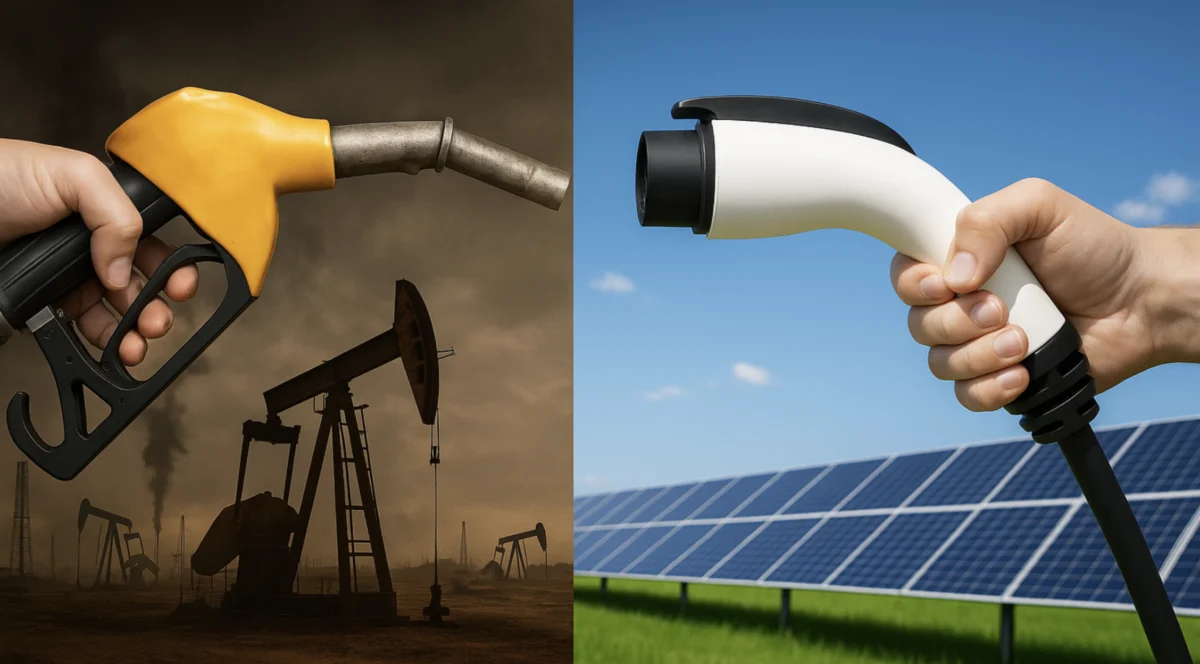
The intersection of modern geopolitics and global energy infrastructure has exposed the fragility of a civilization heavily reliant on fossil fuels. At present, international trade and maritime logistics face acute disruptions stemming from approximately half a dozen active conflicts directly tied to petroleum availability, refining capacity, and transit chokepoints. Financial institutions and energy analysts note that nearly 43% of the world’s crude oil supply originates from or travels through regions experiencing active military hostilities or severe political instability. Despite these systemic vulnerabilities, the transition toward electrified transport systems offers a structural path away from resource-driven conflicts, insulating national economies from price shocks and supply volatility.
The anatomy of the current crisis spans multiple continents, key maritime corridors, and vital energy infrastructure. Analysts observing the macroeconomic landscape highlight that traditional mechanisms for mitigating supply crunches—such as the release of strategic petroleum reserves—are proving insufficient as geopolitical friction persists without a clear diplomatic endgame.
The Closure of the Strait of Hormuz and Middle Eastern Transit Bottlenecks
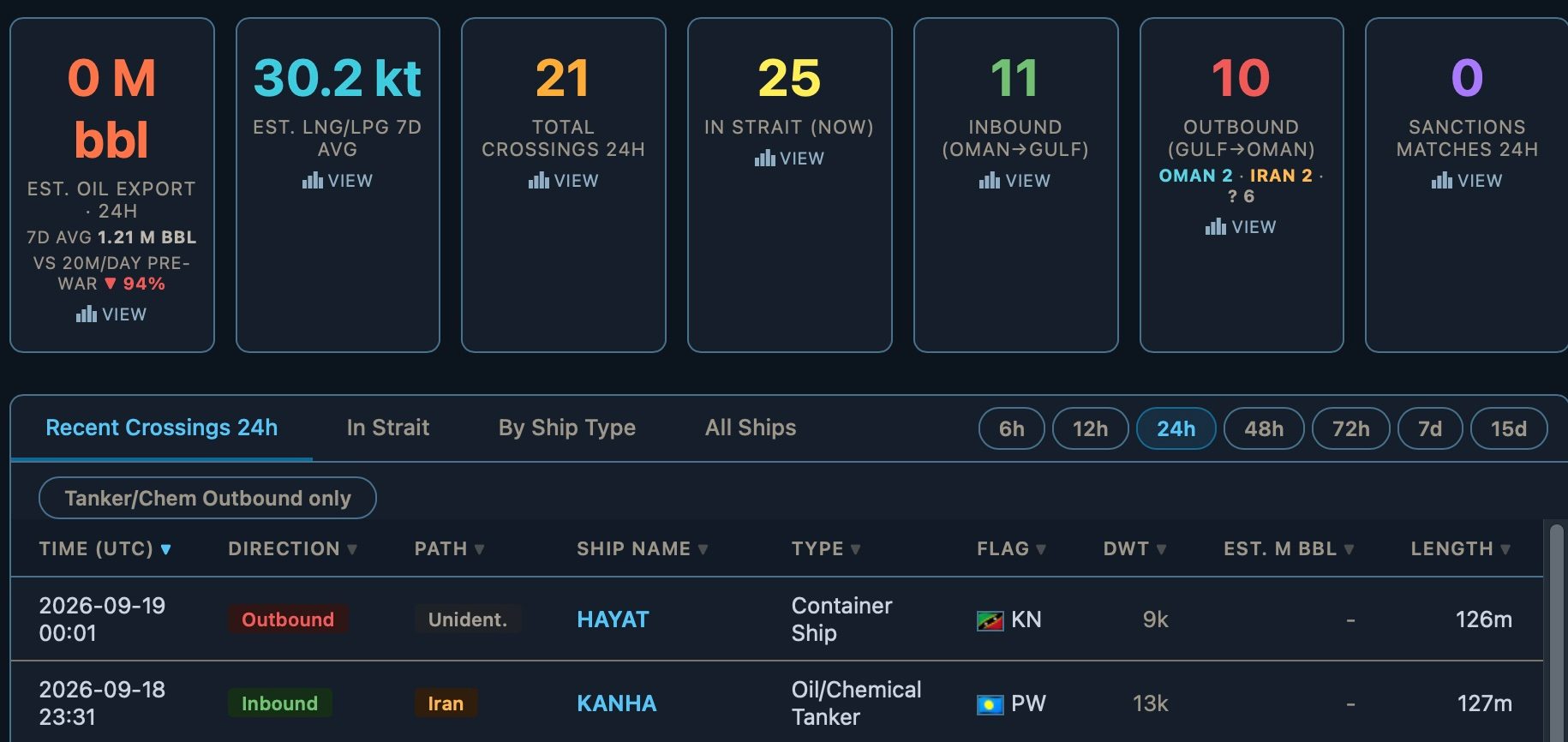
The most critical disruption centers on the Strait of Hormuz, a narrow maritime passage through which roughly one-fifth of the world’s petroleum historically flowed. Since March, traffic through the strait has been reduced to a fraction of its normal volume following escalating military engagements involving regional and international actors. The protracted closure has severely restricted outgoing shipments from major Persian Gulf producers, threatening an immediate global energy crisis.
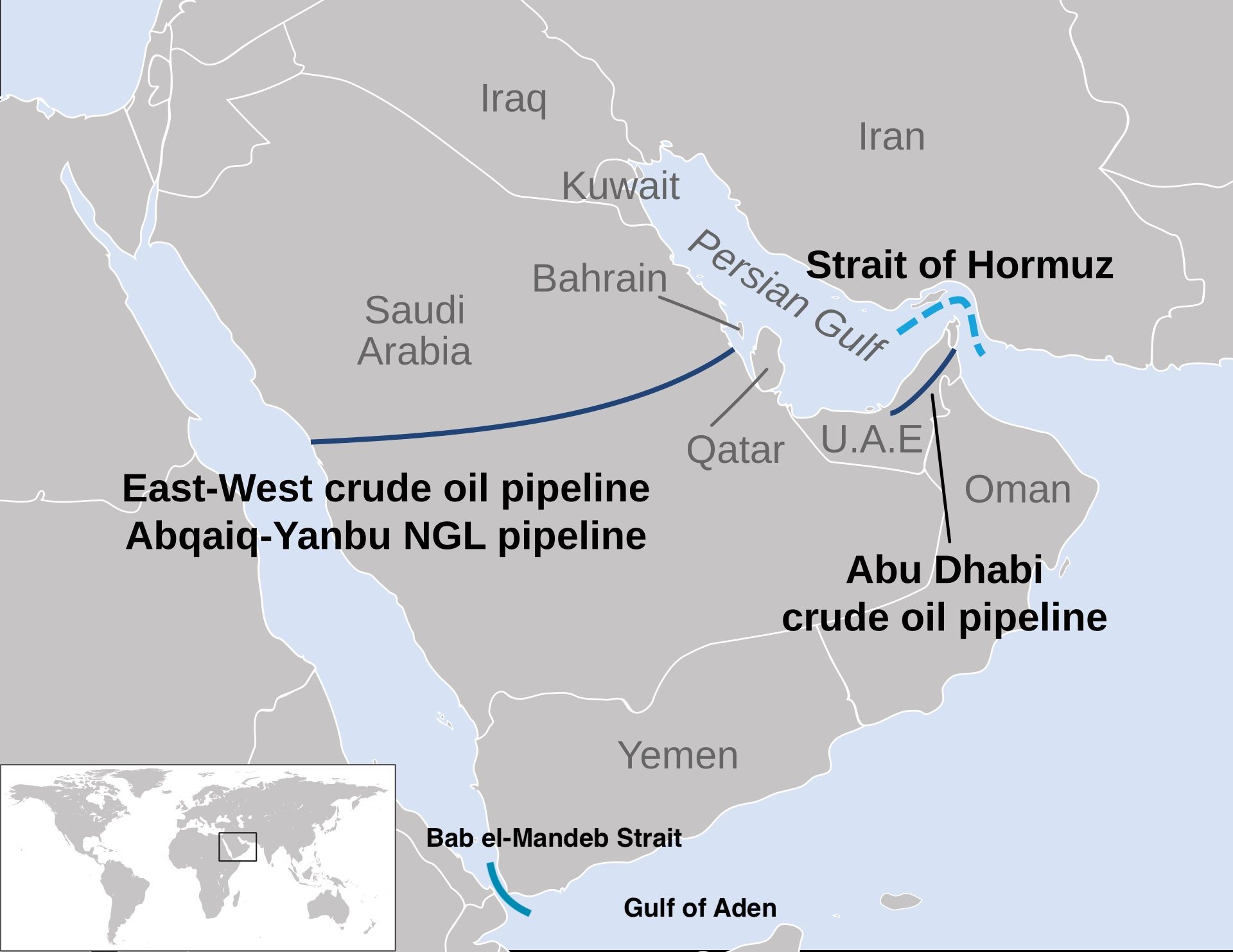
Compounding the maritime blockade, critical overland infrastructure has also been targeted. The East-West crude oil pipeline in Saudi Arabia, designed to transport oil from eastern production fields to western Red Sea terminals and bypass the Strait of Hormuz, was forced to shut down following a drone strike on a key pumping station. Responsibility for the attack was traced to Houthi forces in Yemen, highlighting the vulnerability of energy conduits situated near the Bab-el-Mandeb strait—another essential maritime chokepoint accounting for approximately 9% of global seaborne oil shipments. The dual disruption across both the Arabian Gulf and the Red Sea has forced shipping companies to reroute vessels, driving up operational costs and pushing diesel prices in various Western markets to historic highs.
European Energy Infrastructure and the Russian Conflict
Further compounding global supply tightness, the protracted conflict between Russia and Ukraine has fundamentally altered European and Eurasian energy markets. Following the 2014 annexation of Crimea and the subsequent full-scale invasion in 2022, international economic sanctions severely curtailed Russian crude and natural gas exports.
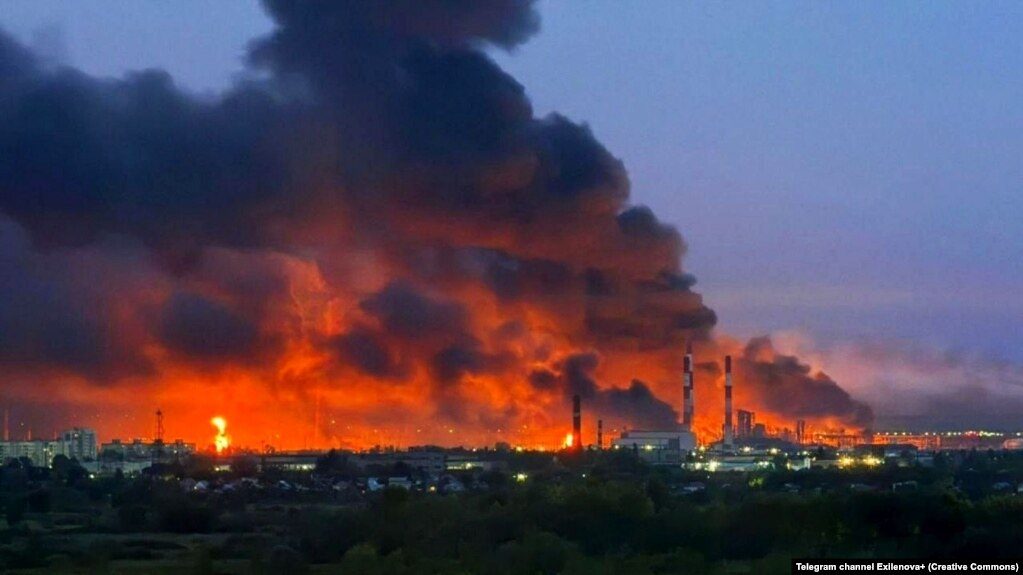
In response to sustained hostilities, Ukrainian military operations have increasingly targeted domestic Russian oil refining infrastructure. Industry reports indicate that persistent drone strikes have successfully impacted a significant portion of Russia’s primary refining capacity, forcing temporary domestic shortages, long queues at filling stations, and a sharp decline in Russia’s standing as a major petroleum exporter. Consequently, domestic consumers in regions affected by these disruptions have accelerated their adoption of alternative mobility solutions, with electric vehicle registrations experiencing notable surges as traditional fuel availability wanes.
Hemispheric Trade Disputes and Energy Sanctions
Energy-related frictions are not isolated to Eurasia and the Middle East; the Western Hemisphere has similarly become a focal point for resource-based economic coercion. Recent political interventions in Venezuela have left the nation’s vast petroleum reserves in administrative limbo. Although diplomatic and commercial arrangements have been pursued to grant international firms access to untapped fields, developmental timelines suggest these projects will require up to a decade to become operational—a horizon that coincides with broader global projections for peak oil demand.
Concurrently, intensified economic blockades targeting Cuba have restricted the island nation’s access to imported petroleum, resulting in severe domestic energy shortages, rolling blackouts, and logistical strain. In response, local municipal and national authorities have accelerated renewable energy deployment, incorporating solar infrastructure and localized electric transport solutions to mitigate the impacts of restricted fossil fuel access.
North American trade dynamics have also introduced new variables into continental energy logistics. Ongoing trade negotiations and tariff disputes between the United States and Canada have prompted Canadian policymakers to reevaluate long-standing cross-border pipeline interdependencies. These geopolitical realignments have occasionally opened domestic markets to alternative automotive imports, altering regional sales trajectories for electrified vehicles.

Macroeconomic Fallout and the Limits of Strategic Reserves
As global petroleum supplies tighten, financial institutions have expressed growing uncertainty regarding future market stability. Major investment banks, including JPMorgan Chase, have acknowledged the difficulty of modeling long-term energy forecasts given the intractability of ongoing Middle Eastern and Eastern European conflicts.
Governments worldwide have increasingly relied on emergency stockpiles to buffer domestic consumers from acute price spikes. However, months of sustained withdrawals have depleted national strategic petroleum reserves to multi-year lows. Major consumers, including China—which previously leveraged high reserves and a rapid shift toward electrified transport to avert severe domestic price shocks—face renewed pressure as economic activity rebounds and import requirements are reassessed.

Financial analysts emphasize that while high energy input costs cascade across consumer goods, the inflationary impact remains moderated in regions where widespread adoption of electric mobility has successfully displaced baseline liquid fuel demand. Market data from the previous year indicates that global electric vehicle adoption successfully displaced an amount of oil demand equivalent to a substantial portion of major exporting nations’ total output, providing a structural buffer against even more severe price volatility.
Electrification as a Structural Remedy
Energy economists and environmental policy experts increasingly frame the widespread deployment of electric transportation and renewable power generation as the definitive long-term solution to resource-based conflict. Because the vast majority of global petroleum consumption is dedicated to light-duty and commercial road transport, replacing internal combustion engines with battery-electric platforms directly reduces geopolitical exposure to vulnerable supply chains.
Unlike crude oil, which requires continuous extraction, international maritime transit, and vulnerable refining infrastructure, electricity can be generated domestically using a diverse mix of local resources, including solar, wind, hydro, and nuclear power. Furthermore, the mineral components required for modern energy storage batteries are geographically well-distributed, consumed in vastly lower aggregate weights per vehicle lifecycle than fossil fuels, and possess established recycling pathways.
As international markets continue to navigate the friction between legacy energy dependencies and emerging high-efficiency technologies, the imperative to decouple national security from fossil fuel infrastructure remains a central focus of industrial policy worldwide. The ongoing transition toward electrification offers a measurable pathway to mitigate environmental degradation, stabilize consumer energy costs, and eliminate the systemic drivers of resource conflicts.