The latest edition of Adventure Journal, designated as volume AJ 42, has curated a compelling selection of six new and notable literary releases focusing on human interaction with the environment, conservation, historical reckoning, and the philosophy of the natural world. Spanning photography, narrative memoir, ecological science, historical fiction, and philosophical naturalism, the selected titles offer readers an expansive look at how humanity shapes and is shaped by the biosphere.
This curated reading list arrives at a critical juncture in contemporary environmental discourse, as global policy increasingly intersects with Indigenous land rights, biodiversity preservation, and the urgent need to understand historical relationships with delicate ecosystems. Through rigorous reporting, immersive storytelling, and striking visual journalism, these six works invite readers to reconsider foundational concepts of stewardship, wilderness, and human dependency on the earth.
Indigenous Stewardship and the Power of Visual Documentation
Leading the AJ 42 recommended reading list is Guardians of Life by renowned National Geographic photographer Kiliii Yūyan, published by Braided River. Set for release in 2026, the volume compiles nearly two hundred photographs drawn from nine distinct Native communities, showcasing an intimate portrait of human connection to traditional lands.
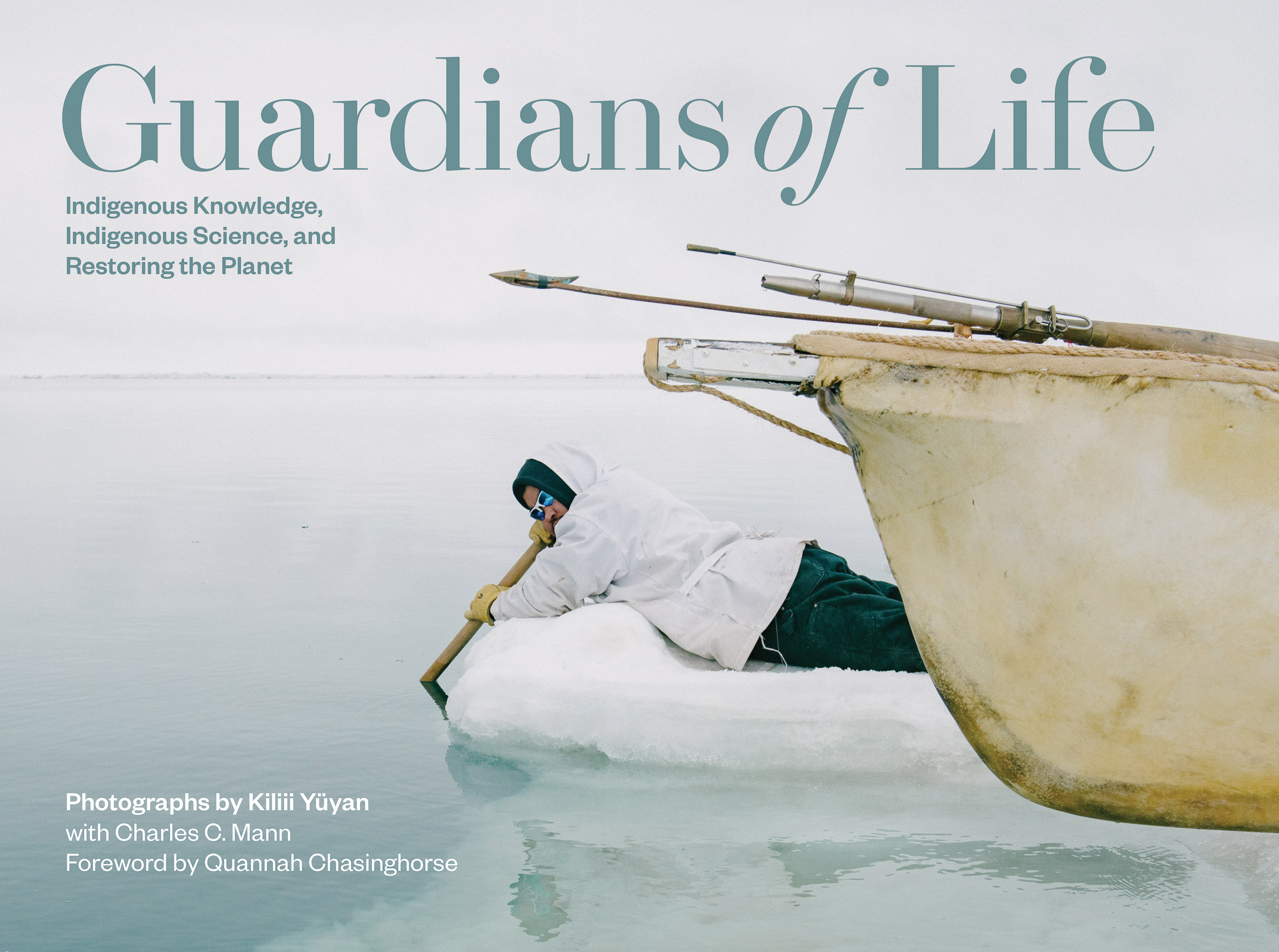
The book’s thematic foundation rests on a profound environmental reality: Indigenous territories currently comprise approximately thirty-seven percent of all remaining natural lands on earth and harbor an estimated eighty percent of global terrestrial biodiversity. Yūyan’s work underscores the efficacy of traditional management paradigms through historical context, notably examining the 1977 International Whaling Commission ban that prohibited the Iñupiat from executing traditional bowhead whale hunts—a practice spanning millennia. Following subsequent legal challenges, the Iñupiat secured the right to self-manage the whale population, resulting in a tripling of the species’ numbers over a thirty-year span.
Through visual journalism and hard data, Yūyan presents a compelling argument for placing ecological stewardship back into the hands of Indigenous populations. Environmental analysts and Indigenous rights advocates have frequently noted that traditional ecological knowledge (TEK) consistently outperforms top-down, bureaucratic conservation models. Guardians of Life bridges statistical realities with emotive, ground-level documentation, demonstrating that the health of global ecosystems is inextricably linked to the sovereignty and survival of Indigenous cultures.
Reassessing the Ecological Value of Wetlands in Bogland
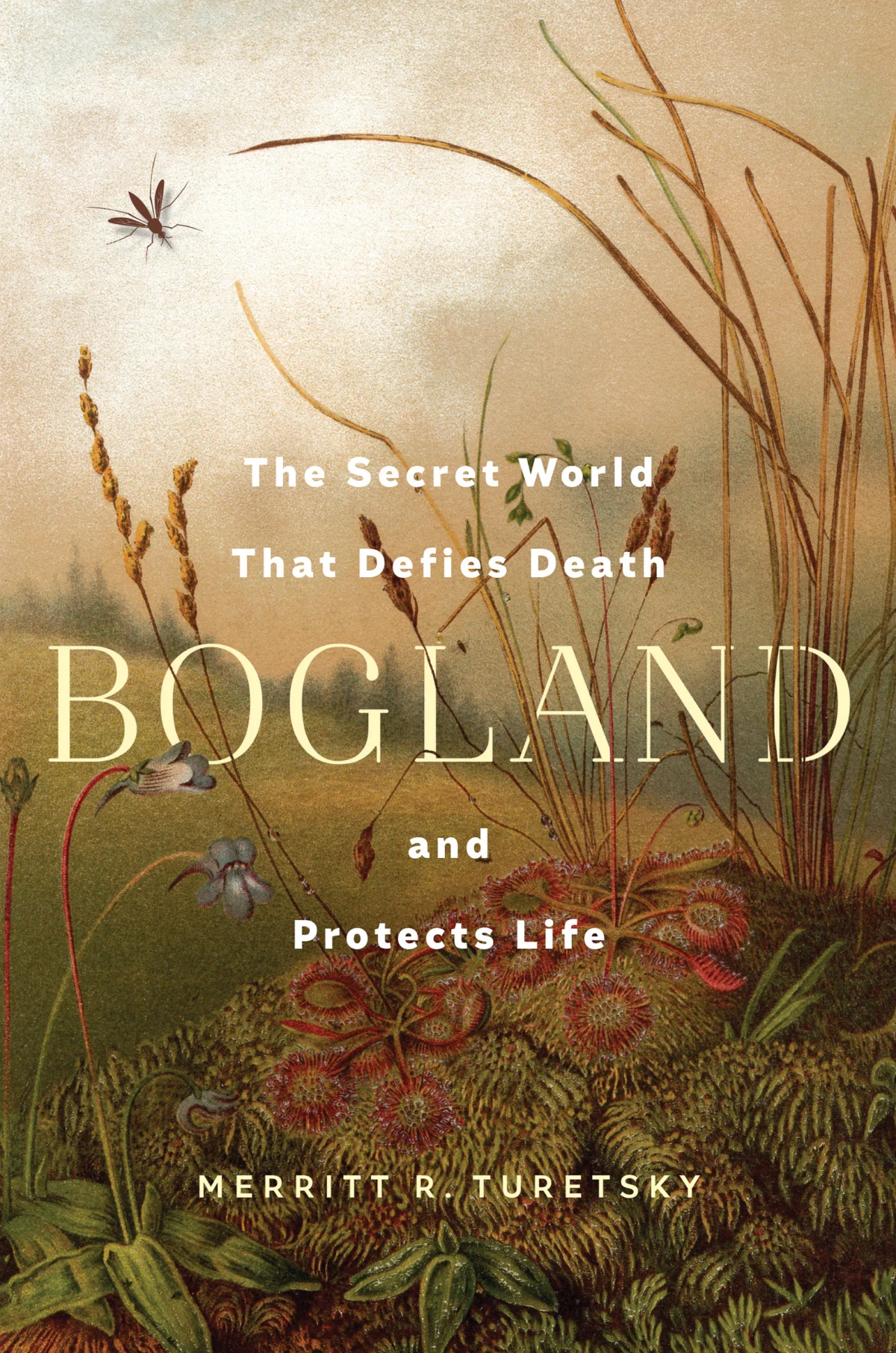
Shifting from terrestrial and marine wildlife management to subterranean and wetland ecosystems, Merritt R. Turetsky’s Bogland, published by WW Norton in 2026, challenges conventional pejorative views of bogs, fens, and peatlands. Historically characterized in modern lexicons as impediments to progress, development, or travel, wetlands are reframed by Turetsky as some of the most critical and underrated life-support systems on the planet.
From a scientific perspective, the carbon dynamics of peatlands are staggering. Although bogs cover only about three percent of the earth’s land surface, they store roughly thirty percent of all global soil carbon. However, this vast carbon sink is increasingly vulnerable; rising global temperatures, permafrost thaw, and human-induced fires threaten to destabilize these ecosystems, potentially releasing massive quantities of greenhouse gases into the atmosphere.
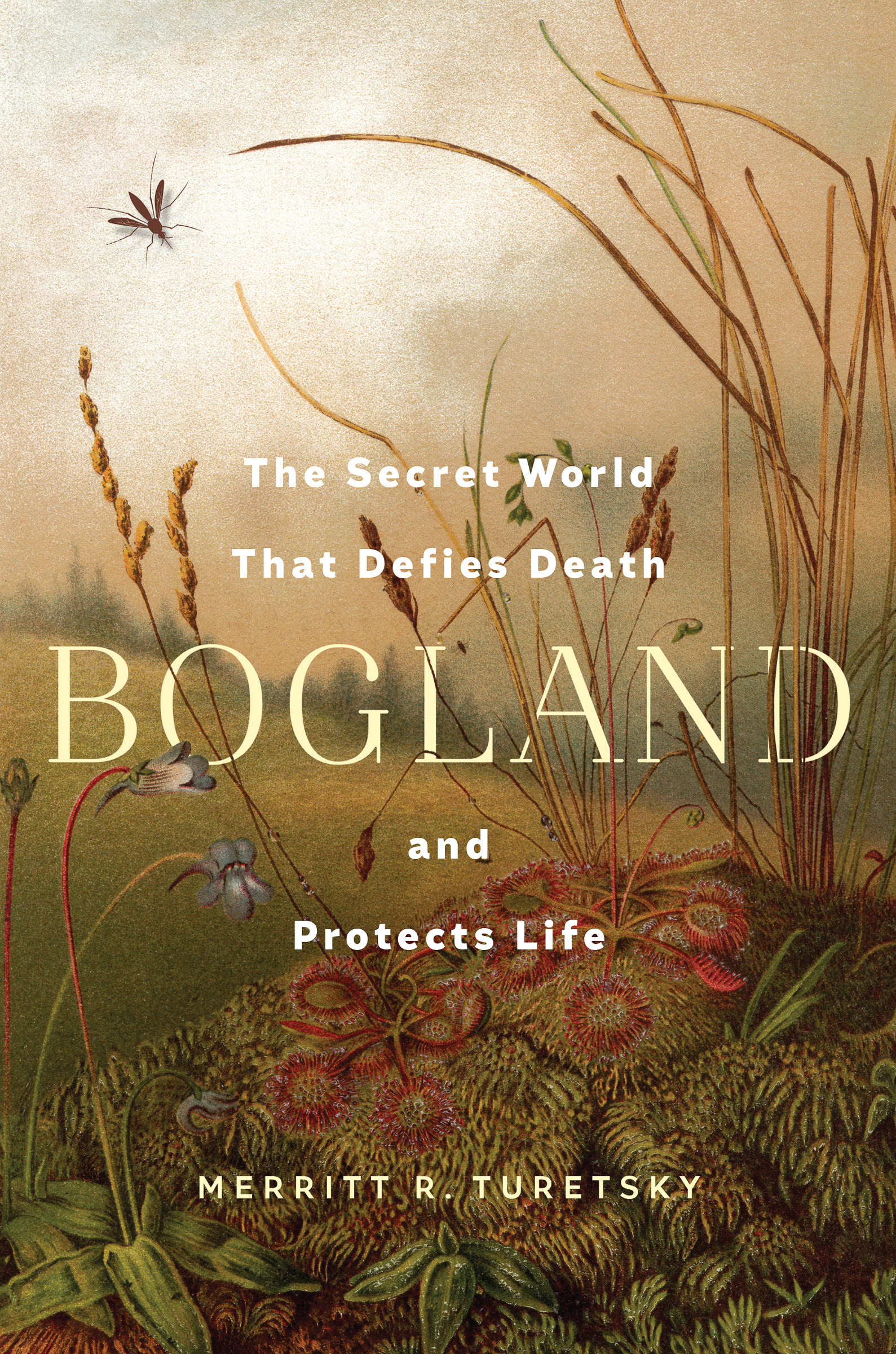
Turetsky balances hard-nosed climate science with vivid human and cultural histories embedded within the muck. The narrative explores archaeological treasures such as the resurfaced Iron Age bog bodies—preserved impeccably with their final meals intact—and recounts historical eras when swamps and wetlands served as natural refuges for the hunted and marginalized. While leaning heavily into the liminal qualities of these landscapes, Bogland serves as a timely reminder of the vital role wetlands play in global hydrological cycles, carbon sequestration, and historical preservation.
A Reckoning with Wilderness and Legacy in Yosemite Falls
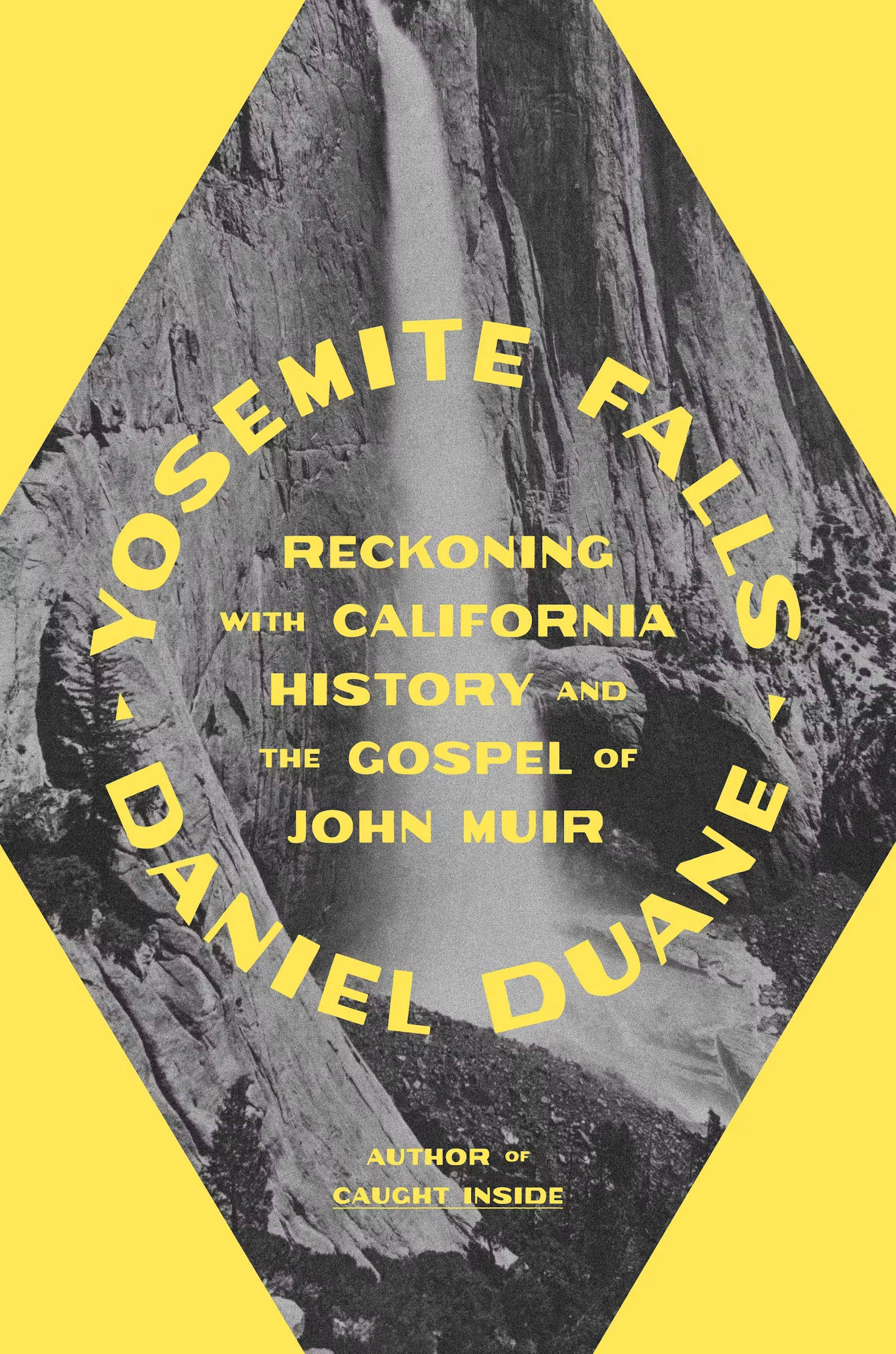
The complex legacy of American conservation is brought to the forefront in Daniel Duane’s Yosemite Falls, published by North Point Press in 2026. Duane, widely recognized for his authoritative surf and outdoor literature including Caught Inside, delivers a deeply personal memoir intertwined with historical critique.
The narrative chronicles a Sierra Nevada boyhood shaped by the traditional, preservationist ethos popularized by John Muir—characterized by backpacking, skiing, and scaling granite monoliths under the formidable influence of an exacting father. Simultaneously, Duane confronts the darker, often-erased historical realities underpinning the postcard-perfect imagery of Yosemite National Park, including the violent dispossession of native inhabitants and the human flaws of celebrated conservation icons.
What distinguishes Duane’s approach is his refusal to abandon affection for the landscape despite its complicated history. Continuing to climb the granite walls of the park and introducing his own daughters to the same vertical environments, Duane maintains a nuanced perspective that resists tidy moral resolutions. The book reflects a broader cultural shift within outdoor recreation and environmental history: the necessity of holding reverence for natural wonders while honestly confronting the historical injustices tied to their establishment.
An Elegy for Reindeer-Herding Traditions in Northern China
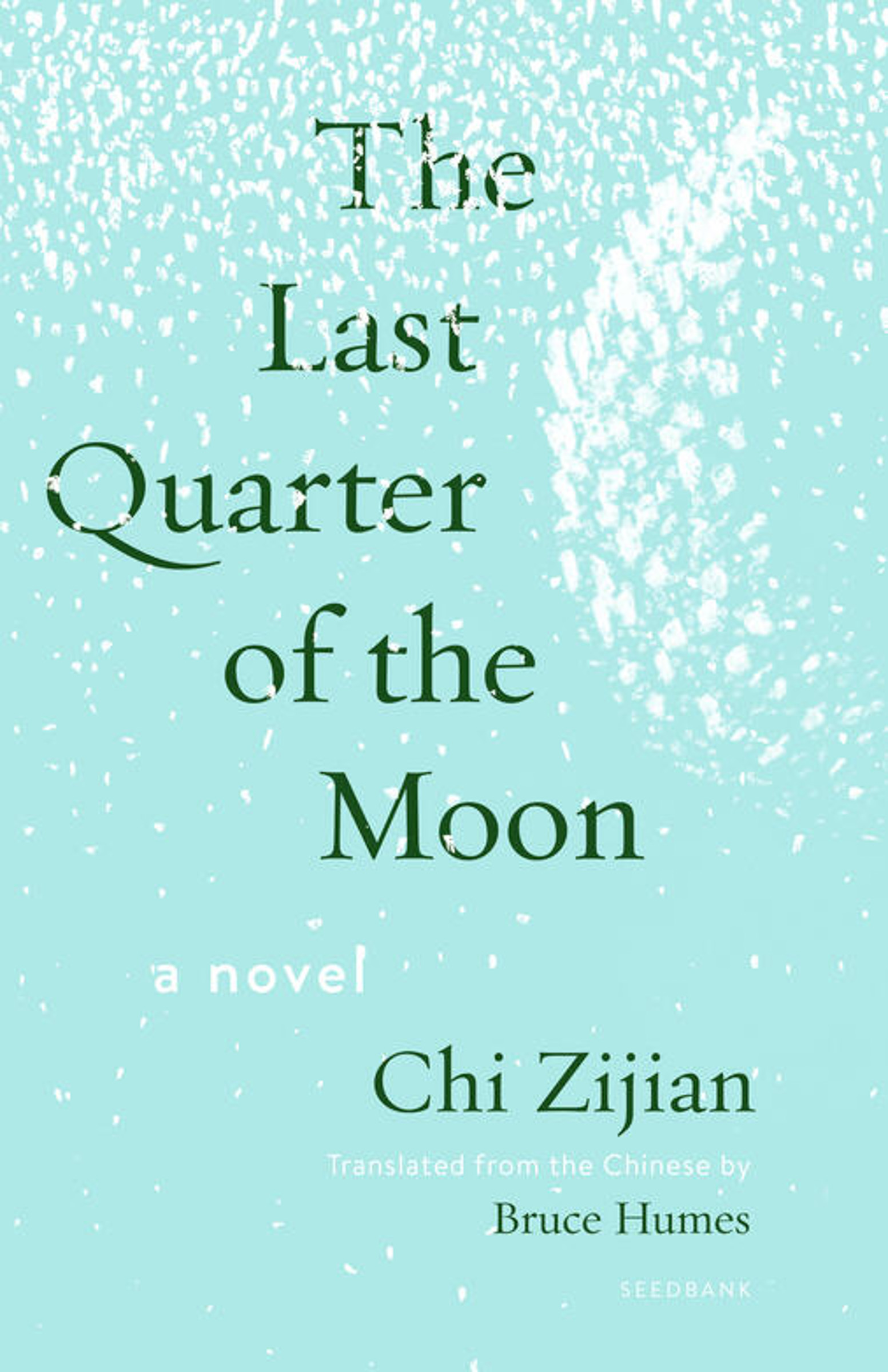
Translating the oral and experiential history of northern China’s Indigenous communities into literature, Chi Zijian’s The Last Quarter of the Moon, translated by Bruce Humes and published by Milkweed Editions in 2026, captures the vanishing lifestyle of the Evenki people.
Structured across the span of a single day, the narrative is narrated by a ninety-year-old Evenki woman—the widow of the clan’s final chieftain—as she watches the last members of her community board government trucks for relocation to a modern settlement. Choosing to remain behind with the rain, the fire, and the fading memory of her ancestors, the protagonist reflects on a century of sweeping socio-cultural and ecological changes.
The novel is notable for its refusal to over-explain cultural specificities to the reader, utilizing terms such as urireng, shirangju, and the soul concept umai within an immersive, natural rhythm. Delivered in a flat, matter-of-fact tone reflective of extreme old age, the book treats mortality and cultural erasure with sobering clarity. As industrial expansion, climate shifts, and state policies continue to pressure traditional pastoralist societies worldwide, The Last Quarter ofm the Moon stands as both an artistic masterpiece and an ethnographic elegy.
Historical Survival and Gender Constraints in Isola
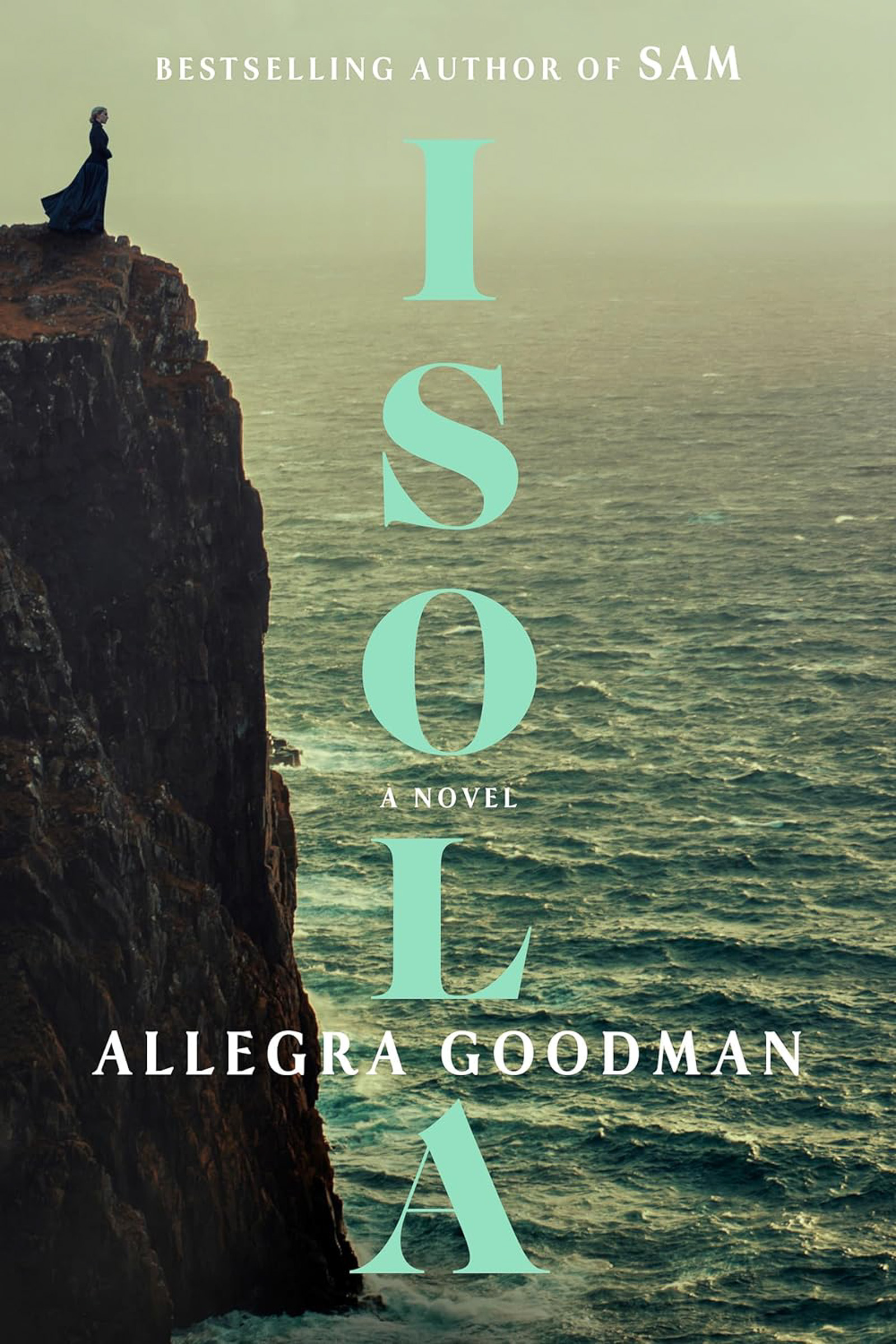
Venturing into historical fiction and high-stakes adventure, Allegra Goodman’s 2025 novel Isola, published by Dial Press, transports readers to the early sixteenth century. The narrative centers on Marguerite de la Rocque de Roberval, an orphaned French noblewoman whose life is upended by a predatory cousin and guardian who misappropriates her inheritance and attempts to force her into marriage.
Following her forced embarkation on a colonizing expedition to North America, Marguerite finds romance with a member of the crew, prompting her vengeful cousin to abandon her and her companions on a desolate island in the Gulf of Saint Lawrence. What follows is a brutal survival narrative marked by harsh winters, harrowing isolation, and encounters with wildlife, including hand-to-hand combat with polar bears using rudimentary tools.
While functioning primarily as a gripping adventure yarn, Isola operates on a deeper thematic level as an incisive critique of the legal, social, and economic constraints imposed upon women during the early modern era. The revelation that the narrative is rooted in actual historical events adds a layer of profound respect for the resilience of early explorers who navigated both geopolitical tyranny and merciless natural environments.
Broadening the Ecological Lens Through Arborescence in In Trees
Concluding the AJ 42 reading list is Robert Moor’s In Trees, published by Simon & Schuster in 2026. Following his critically acclaimed exploration of pathways and animal trails in On Trails, Moor pivots his investigative lens toward arboreal biology, championing what he terms "treethinking"—a conceptual framework characterized by slow, branching, deep-rooted, and long-term perspectives.
Moor’s research spans global ecosystems and cultural landmarks, featuring high-altitude fieldwork such as scaling a giant sequoia alongside renowned broadcaster David Attenborough, studying traditional bonsai horticulture in Japan, observing chimpanzee nesting habits in Tanzania, and examining historical archives in Alabama related to his own family’s ancestral ties to slavery.
Organized around the metaphor of arborescence, the book applies botanical concepts to complex human systems including neurology, evolutionary biology, race, and grief. Although critics note that the ambitious metaphor occasionally stretches thin when applied to wildly diverse human experiences, the sheer scope and intellectual curiosity of the project affirm Moor’s standing as a premier contemporary nature writer.
Broader Implications and Publishing Trends
The collective release of these six titles underscores a distinct evolution in contemporary outdoor and environmental publishing. Rather than focusing solely on athletic triumph or idealized wilderness escape, modern literature increasingly demands an integrated understanding of ecology, social justice, historical accountability, and Indigenous rights.
As publishers like Adventure Journal continue to highlight works that bridge rigorous scientific inquiry with deeply human narratives, readers are provided with the critical tools necessary to navigate an increasingly complex ecological landscape. Whether examining the carbon storage capacity of northern bogs, the botanical wisdom of ancient forests, or the resilient heritage of reindeer herders, these selections reflect a collective cultural movement toward deeper, more honest engagement with the natural world.