The modern professional landscape has shifted irrevocably toward hybrid work models, placing the humble webcam at the center of daily corporate communication and creative expression. While high-end laptops, such as the 16-inch MacBook Pro M4 Pro, have recently integrated 12MP Center Stage sensors that offer a significant leap in quality, the vast majority of personal computers still ship with lackluster, low-resolution camera hardware. This performance gap between standard built-in sensors and the requirements of professional video conferencing has fostered a robust aftermarket for external webcams, with manufacturers increasingly focusing on AI-driven image processing and sensor size to bridge the divide.
The necessity for high-fidelity video has moved beyond simple business utility. As the gig economy expands, the rise of professional content creators, educators, and social media influencers has necessitated hardware that offers more than just basic capture capabilities. Today, the market for webcams is segmented by specific user needs: affordability for the casual remote worker, portability for the frequent traveler, and professional-grade resolution for those who require studio-quality production values.
The Evolution of Video Conferencing Hardware
The rapid adoption of remote communication tools like Zoom, Microsoft Teams, and Google Meet between 2020 and 2022 fundamentally changed consumer expectations. Before this period, the webcam market was largely stagnant, dominated by basic 720p sensors. The sudden influx of millions of users into virtual meeting spaces highlighted the poor lighting performance and narrow dynamic range of standard laptop cameras.
Market analysts have observed a distinct shift in consumer behavior since 2023. Manufacturers have responded by moving away from purely optical improvements toward "computational videography." Similar to how smartphones rely on software to improve photos, modern webcams now utilize dedicated image signal processors (ISPs) and AI to perform real-time background blur, auto-framing, and low-light noise reduction. This transition represents a maturation of the category, turning the webcam from a peripheral into a sophisticated input device.
Categorizing the Current Market Leaders
Selecting the appropriate webcam depends on a rigorous assessment of one’s professional environment. Based on current performance metrics, the industry has identified several top-tier models that excel in distinct scenarios.
The Versatile Standard: Logitech HD Webcam C920
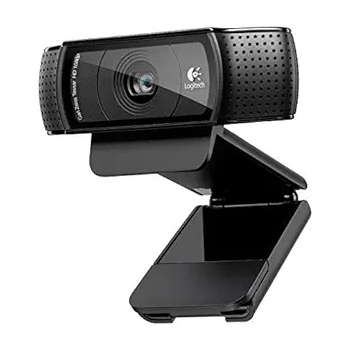
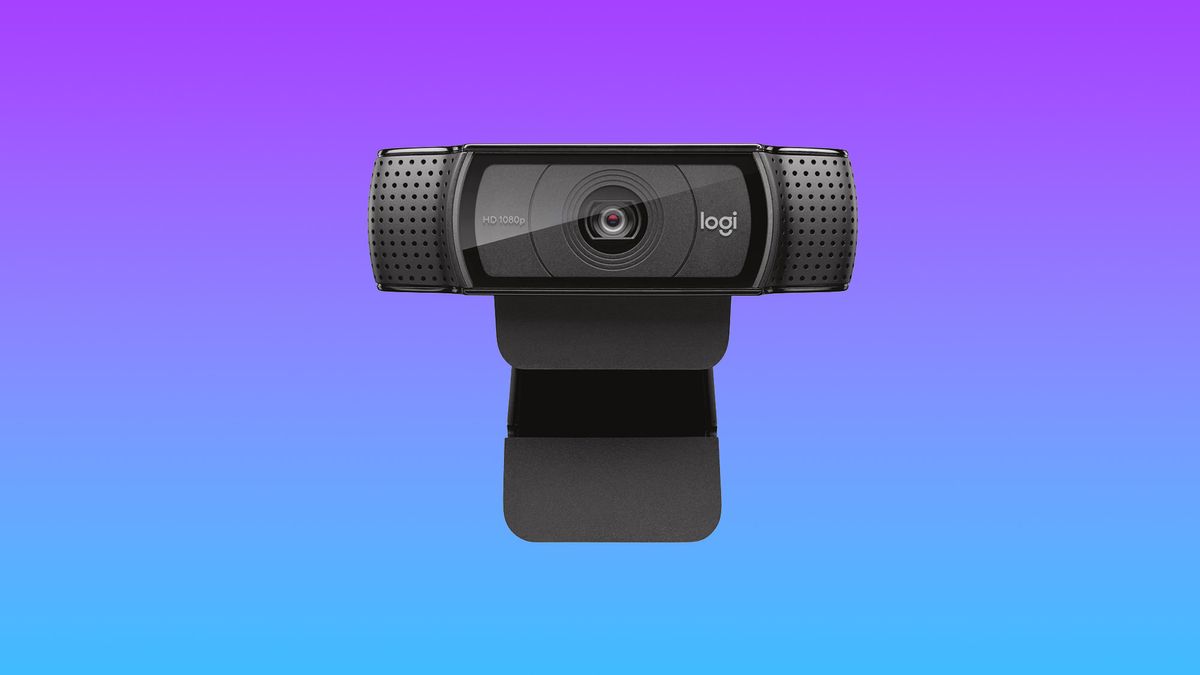
For the average professional, the Logitech C920 remains the benchmark for value and reliability. Since its introduction, it has held a dominant market share due to its consistent performance and 1080p resolution at 30 frames per second. Its 78-degree field of view is optimized for small-group meetings, and its color accuracy is sufficient for standard office environments. While the accompanying software is rudimentary, the hardware’s plug-and-play compatibility across Windows and macOS makes it the most accessible entry point for those looking to improve upon their stock laptop camera.
The Professional Powerhouse: Insta360 Link 2
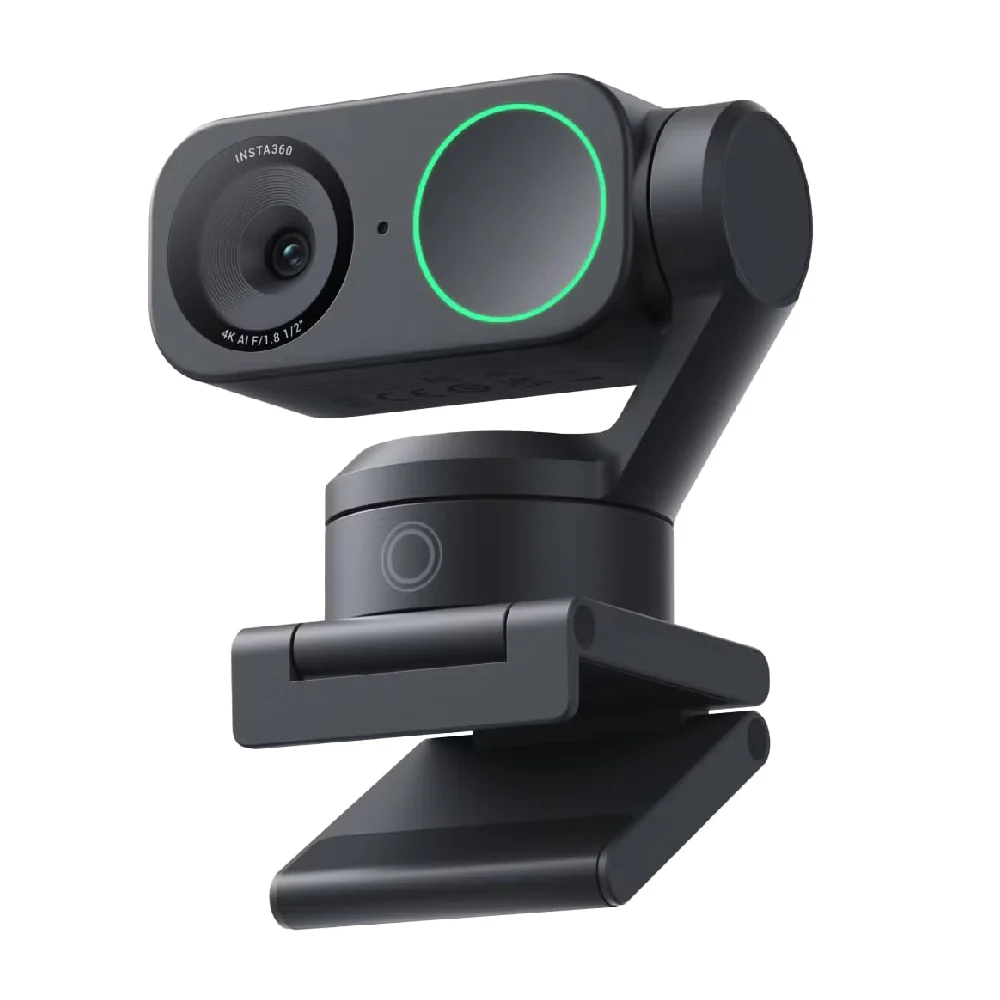
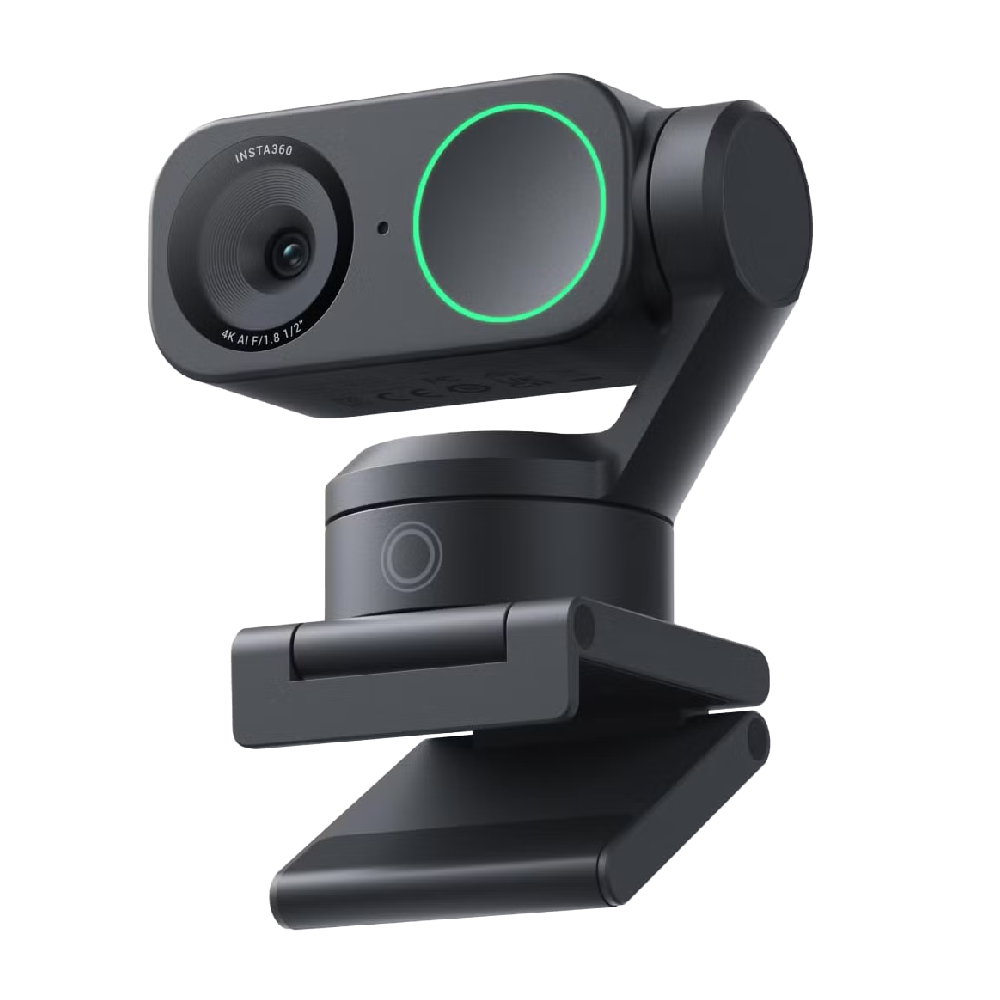
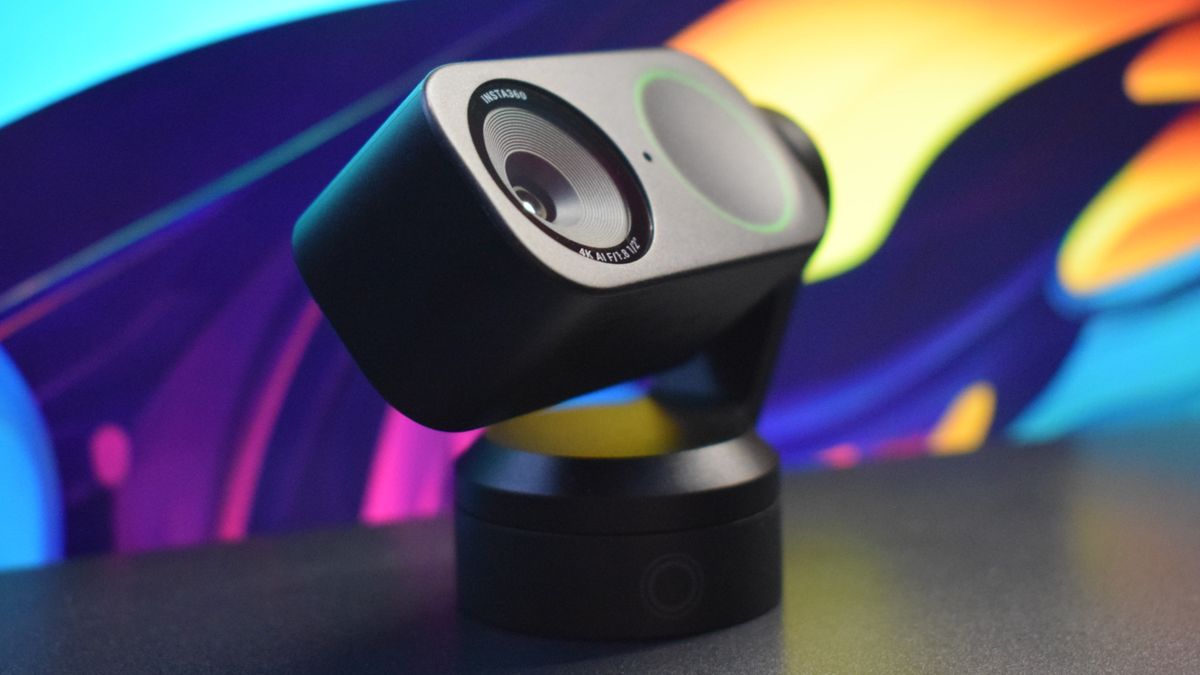
Targeting the intersection of content creation and corporate presentation, the Insta360 Link 2 introduces a dual-axis gimbal mechanism. This hardware-based tracking allows the camera to physically rotate and tilt, keeping the subject centered even during active movement. With 4K resolution and an improved 1/2-inch sensor, it offers a dramatic reduction in image noise. The device is specifically engineered for "DeskView" functionality, which allows users to demonstrate physical products or whiteboards during a stream—a significant advantage for educators and technical presenters.
The Ultra-Portable Solution: Opal Tadpole
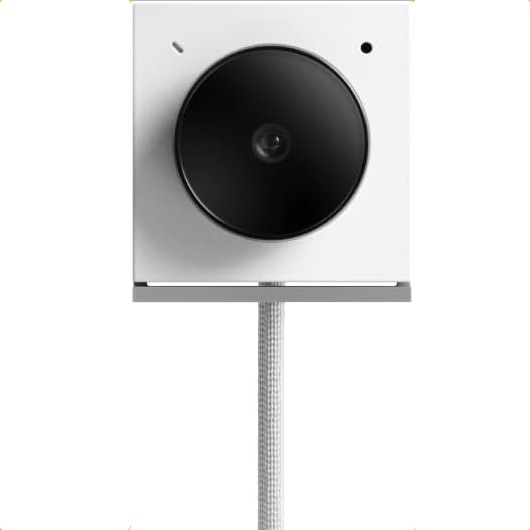
Frequent travelers often face a compromise: either carry a bulky, high-quality camera or rely on a poor-quality built-in lens. The Opal Tadpole addresses this by mimicking the form factor of legacy accessories, weighing almost nothing and clipping directly onto a laptop bezel. Despite its diminutive size, it provides 4K resolution and superior HDR performance. It is a prime example of the industry’s focus on miniaturization without sacrificing the optical clarity required for high-stakes virtual meetings.
The Midrange Value Proposition: Anker PowerConf C200
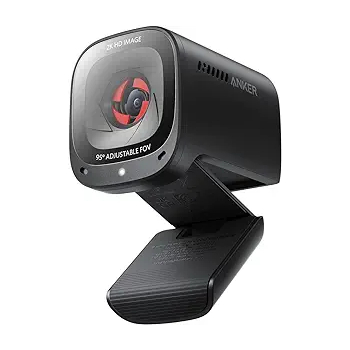
Anker has carved out a significant space in the market by providing features typically reserved for premium devices at a lower price point. The PowerConf C200 outputs 2K video and includes a physical privacy shutter—a feature that has become a non-negotiable requirement for many corporate security policies. Its ability to maintain focus in challenging, dim office lighting is a testament to the advancements in sensor technology within the $70 price bracket.
The High-Resolution Choice: Logitech MX Brio 4K
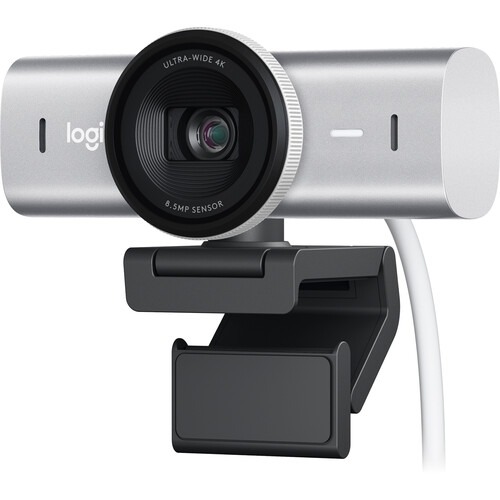
At the top of the consumer tier, the Logitech MX Brio 4K utilizes an 8.5MP Sony STARVIS CMOS sensor. This hardware choice is critical for users who require the highest level of detail and color fidelity. By offering 4K resolution alongside a robust, sturdy build, it serves as the bridge between standard webcams and professional-grade mirrorless camera setups. It is specifically designed for users who prioritize image sharpness above all other considerations.
Comparative Technical Analysis
| Webcam | Resolution | Frame Rate | Key Feature |
|---|---|---|---|
| Logitech C920 | 1080p | 30fps | Reliability |
| Insta360 Link 2 | 4K | 30fps (4K) / 60fps (1080p) | AI Gimbal Tracking |
| Opal Tadpole | 4K | 30fps | Portability |
| Anker C200 | 2K | 60fps | Privacy Shutter |
| Logitech MX Brio | 4K | 30fps (4K) / 60fps (1080p) | Sony STARVIS Sensor |
Implications for Remote Workforce Productivity
The shift toward better webcam hardware is not merely aesthetic; it has measurable impacts on communication efficacy. Studies on non-verbal communication suggest that clear visual signals—such as facial expressions and hand gestures—are vital for building trust in virtual teams. When a webcam is grainy or poorly lit, the "cognitive load" on the viewer increases, as they must work harder to interpret the speaker’s intent.
Consequently, many corporations have begun to formalize "home office standards" that include recommendations for lighting and camera hardware. This institutional adoption is expected to sustain the demand for high-end webcams through the remainder of the decade. Furthermore, the integration of AI-assisted features like "Show Mode" (used for whiteboards) and "DeskView" indicates that hardware manufacturers are no longer just selling cameras, but are instead selling tools for collaborative engagement.
Future Outlook and Industry Trajectory
Looking forward, the industry is poised to move toward even greater integration of depth-sensing technology. By incorporating time-of-flight (ToF) sensors or structured light, future webcams will likely offer more accurate background removal without the need for intensive software processing. This will alleviate the strain on CPU resources, allowing for smoother video calls even on older or less powerful laptops.
Moreover, the competition between established peripheral manufacturers and newer, innovation-focused brands like Insta360 and Opal is forcing a rapid cycle of iteration. This competition is objectively beneficial for the end-user, as it drives down the price of high-fidelity sensors and encourages the adoption of better microphone arrays, which are often the secondary point of failure in standard webcams.
Conclusion
The decision to invest in an external webcam should be guided by the user’s specific workflow. For the casual user, the Logitech C920 remains the most efficient choice, providing a noticeable upgrade for minimal cost. For the professional creator or presenter, the Insta360 Link 2 provides unmatched versatility through its mechanical design. Meanwhile, those who travel frequently or operate in low-light environments will find the Opal Tadpole or the Logitech MX Brio to be superior investments.
As the lines between traditional office environments and virtual spaces continue to blur, the hardware we use to represent ourselves digitally will remain a cornerstone of professional identity. Whether through the lens of a $60 device or a $200 professional sensor, the pursuit of clarity is an essential step in maintaining the efficacy and human connection required in a distributed workforce.