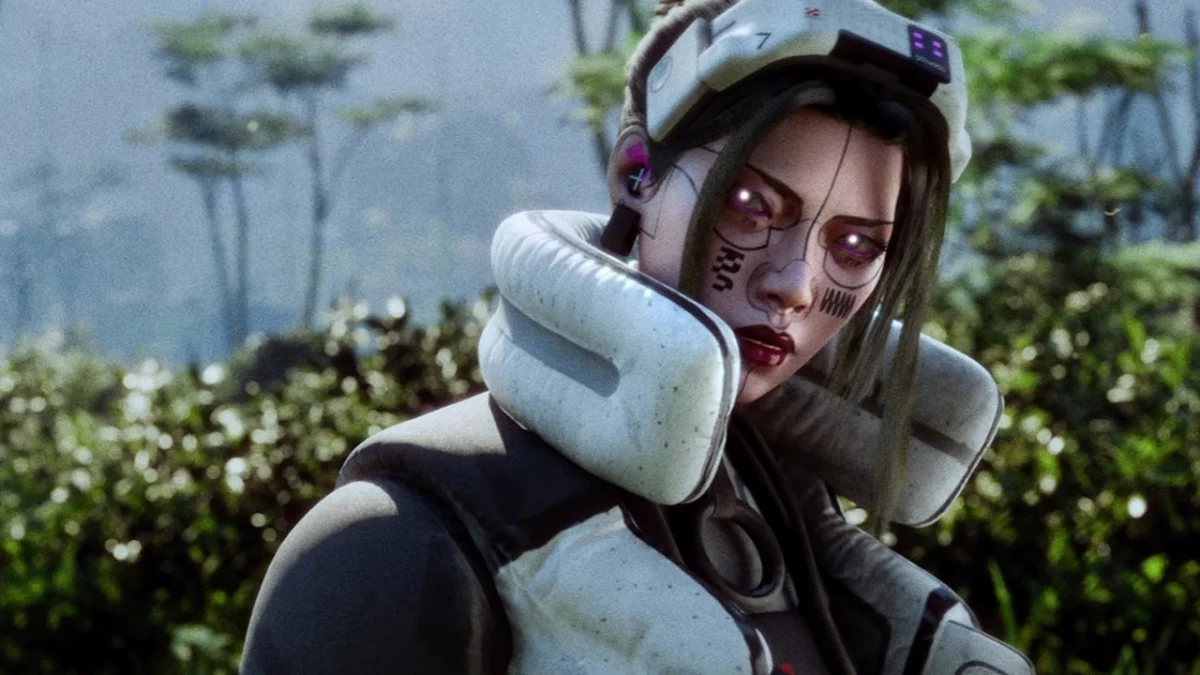
In the high-stakes world of live-service game development, rumors often serve as a barometer for community anxiety, particularly when a studio as storied as Bungie undergoes significant structural transitions. Recently, a series of claims circulating on forums like 4Chan and Reddit suggested that Bungie was preparing to merge its two flagship intellectual properties—Destiny and the upcoming extraction shooter Marathon—into a singular, cohesive narrative universe. These claims alleged that Marathon would serve as a prequel to the Destiny timeline, specifically framing it as the origin story for humanity’s "Golden Age" and a vehicle to foreshadow threats later realized in the Destiny franchise.
The speculation reached a fever pitch this week, prompting an immediate and definitive response from Bungie leadership. Julia Nardin, a veteran developer at the studio and the current creative director for Marathon, took to social media platform X to address the rumors directly. "As someone who’s worked on both Destiny and Marathon, I can confirm that the ‘leak’ about us merging the two IPs is fake," Nardin stated. "They share a lot of the same Bungie DNA, but like siblings, they’re also their own independent entities. Please don’t believe everything you read online."
The Context of the Speculation
The rumors, which gained traction through a collated post on the Marathon subreddit, painted a picture of a studio desperate to leverage the established, albeit waning, goodwill of the Destiny fanbase to bolster the struggling anticipation for its new extraction shooter. Beyond the narrative merger, the leak posited that Bungie was actively rehiring former Destiny 2 developers to integrate discarded concepts—originally intended for canceled Destiny expansions or a hypothetical Destiny 3—into the Marathon build.
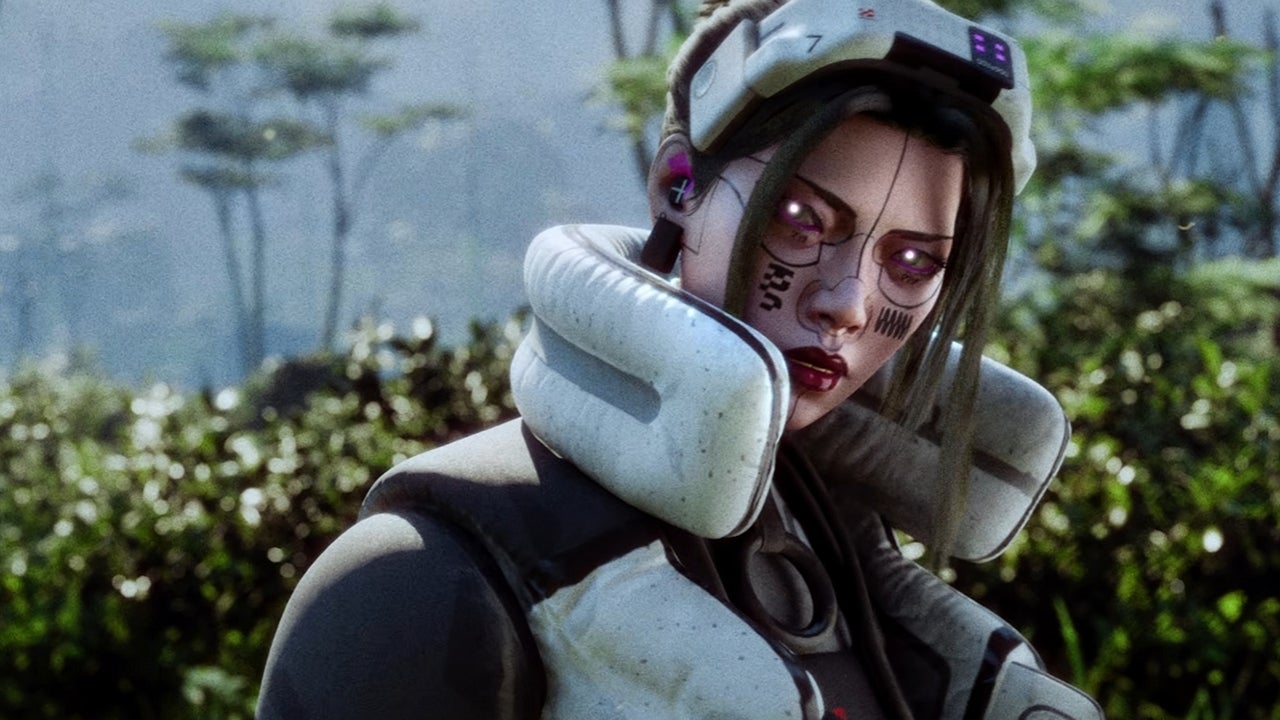
This narrative gained superficial credibility due to the current state of Bungie’s internal operations. Following the release of The Final Shape in June 2024, the studio confirmed that it had ceased all major development on Destiny 2, effectively bringing the "Light and Darkness" saga to a permanent close. With no official plans for a Destiny 3, the rumor mill capitalized on the vacuum of information, suggesting that the "Bungie DNA" mentioned by Nardin was literal rather than metaphorical.
A Timeline of Recent Studio Volatility
To understand why such rumors gained such rapid traction, one must examine the turbulent timeline Bungie has navigated over the past eighteen months.
- Late 2023: Bungie begins a period of internal restructuring following lower-than-expected revenue from Destiny 2: Lightfall. Reports of layoffs begin to surface as the studio pivots resources.
- June 2024: Bungie releases the final major content update for Destiny 2. The studio officially announces that no further expansions are planned and that a sequel, Destiny 3, is not in development.
- Late June 2024: A second, larger wave of layoffs impacts hundreds of employees across multiple departments, leading to a significant reorganization of staff, with many being transitioned to the Marathon project.
- Q3 2024 – Present: As Marathon faces an uphill battle to capture the interest of a crowded extraction-shooter market, the studio grapples with a decline in active player engagement on legacy titles and a lack of public, playable builds for its upcoming projects.
Analyzing the "Leak" Claims
While the narrative merger has been debunked, the leak contained several other claims that remain under intense community scrutiny. Specifically, the leak alleged that Marathon would adopt traditional Destiny mechanics, including faction-based reputation systems and a shared social space. Furthermore, it suggested that Bungie might incentivize Destiny 2 players to migrate to Marathon by offering in-game cosmetic rewards tied to "Triumphs" achieved in the final months of Destiny 2.
Industry analysts note that while these specific integration strategies are unconfirmed, they align with common retention tactics used by live-service developers. Utilizing "cross-game rewards" is a standard marketing play to bridge the gap between a sunsetting product and a new launch.

Perhaps most significant is the claim regarding the "Investigations" mode. The leak described this as a PvE-focused experience blending the cooperative monster-hunting elements of titles like Monster Hunter with the wave-based intensity of Splatoon’s Salmon Run mode. While Bungie has not confirmed these details, the studio has previously acknowledged that Marathon’s development trajectory includes a focus on expanding its PvE offerings to address player feedback regarding the game’s core loop.
Financial and Market Challenges
The pressure on Bungie to succeed with Marathon is immense. According to recent market analysis, Marathon has struggled to gain traction in a market dominated by established extraction shooters like Escape from Tarkov and Hunt: Showdown. Estimated sales figures suggest the title has reached approximately 1.2 million units globally, with Steam data indicating a sharp decline in player retention. Current concurrent player counts on Steam have hovered below 3,000, a figure that represents a significant challenge for a game designed to thrive on a high-density, live-service player base.
The delay of Marathon’s next major update, which is expected to introduce the aforementioned PvE elements, has only exacerbated the studio’s communication challenges. While the leak suggested the delay was tied to a shift toward a "free-to-play" model for the game’s December release, Bungie has remained tight-lipped regarding its monetization strategy for the final build.
The Broader Impact on Bungie’s Brand
The persistence of these rumors highlights a growing disconnect between the studio and its core audience. For years, the "Bungie brand" was defined by the deep, interconnected lore of the Destiny universe. As that chapter closes, the audience is clearly struggling to define what a "Bungie game" looks like in the absence of the Guardians and the Traveler.

The official dismissal of the merger rumors serves as an attempt by the studio to set expectations for Marathon as a standalone experience. By distancing Marathon from the "baggage" of Destiny’s complex, decade-long narrative, Bungie is attempting to carve out a new identity. However, the studio’s success will ultimately depend on its ability to deliver a gameplay experience that justifies the shift in resources.
Implications for Future Development
For the development team, the task remains clear: Marathon must stand on its own merits. The studio’s focus, as implied by Nardin’s comments, is on refining the "Bungie DNA"—the signature gunplay, movement, and atmospheric world-building—that has defined the company since the early Halo days.
Moving forward, stakeholders will be watching for the official release of the "Investigations" mode, as this will likely serve as the litmus test for whether the studio can successfully adapt to the demands of the modern extraction-shooter market. If the game fails to recapture the momentum lost during the final months of Destiny 2, the studio may face further pressure from its parent company, Sony, to reconsider its long-term development roadmap.
Ultimately, while the dream of a unified Bungie multiverse may persist in the imaginations of fans, the reality is a studio at a crossroads. The transition from Destiny 2 to Marathon is not just a change in game titles; it is a fundamental pivot in the studio’s business model and creative direction. The rejection of the "merger" rumor is a necessary step in forcing the community to look at Marathon not as a successor to Destiny, but as a new entity entirely—one that must prove its value in a vastly different gaming landscape than the one its predecessor dominated.