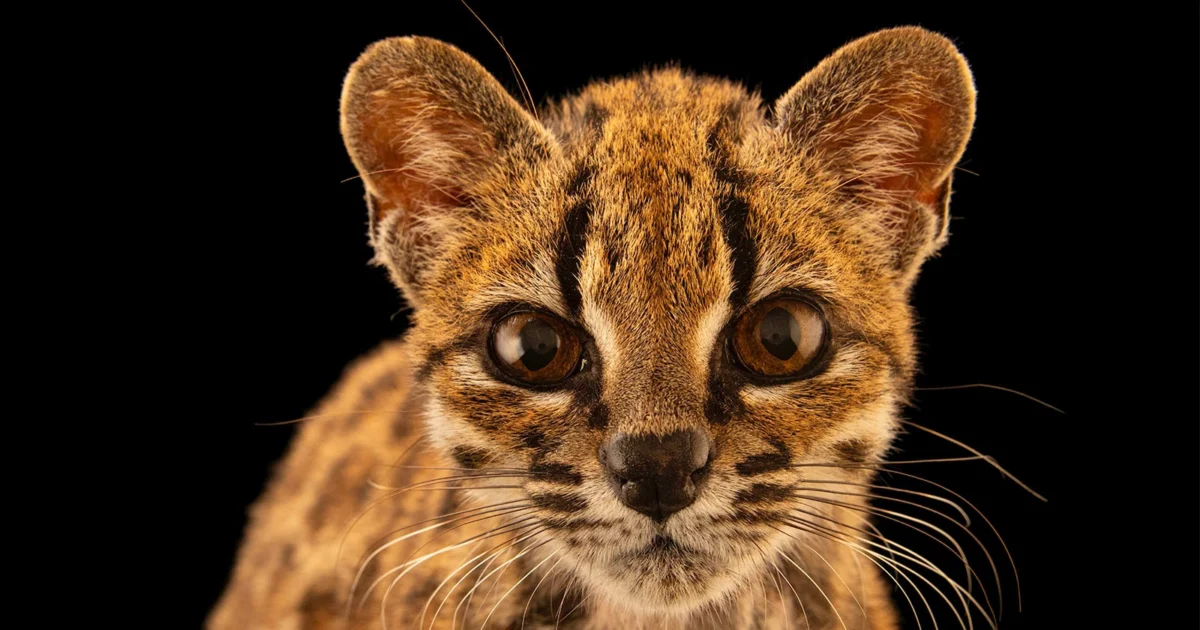
A decade-long scientific investigation has culminated in the formal identification of a new feline species, Leopardus tilcayo, a discovery that represents the first addition to the biological record of living wild cat species in more than 100 years. The announcement, detailed in a peer-reviewed study published in the journal Current Biology, resolves a long-standing mystery that began in the Bolivian Andes when a small, physically distinct kitten was brought to a wildlife rescue center.
The Origin of a Scientific Breakthrough
The narrative of Leopardus tilcayo began in 2016 when a local resident discovered an orphaned kitten abandoned on a forest road in Bolivia. Initially mistaken for a domestic cat, the animal exhibited behavioral and physical traits that led its rescuer to seek professional assistance at the Senda Verde wildlife sanctuary in Coroico.
Paola Nogales-Ascarrunz, a National Geographic Explorer and the founder of the Bolivian Felids Research Program (Programa de Investigación de Félidos Bolivia), was among the first experts to examine the animal. Upon her initial interaction with the cat, she was struck by its atypical morphology. "I took a hundred pictures of it," Nogales-Ascarrunz recalled. "I was so fascinated." Despite her immediate intuition that the cat represented a unique specimen, the rigorous scientific process required to validate a new species demanded far more than visual observation. For several years, the animal was categorized under the broad umbrella of Leopardus tigrinus, a known, albeit elusive, species of small wild cat found across parts of South America.
A Decade of Investigative Analysis
The journey toward classification was marked by patience and the advancement of genetic research capabilities. It was not until 2019, while Nogales-Ascarrunz was compiling an educational booklet on the wild felids of Bolivia, that the discrepancies between the kitten at Senda Verde and the known characteristics of Leopardus tigrinus became impossible to ignore.
The investigative team, which expanded to include geneticist Eduardo Eizirik and researcher Jonas Lescroart, initiated a multi-year genetic study. By comparing the DNA of the Senda Verde specimen against established genetic markers for other Leopardus species, the team identified distinct genomic signatures that confirmed the cat was not a variant or subspecies, but a separate, evolutionarily distinct lineage. This discovery underscores the importance of longitudinal research in wildlife biology; the same photos that seemed ambiguous in 2016 provided the visual foundation for a breakthrough that would not be formally published until 2026.
Morphological and Biological Characteristics
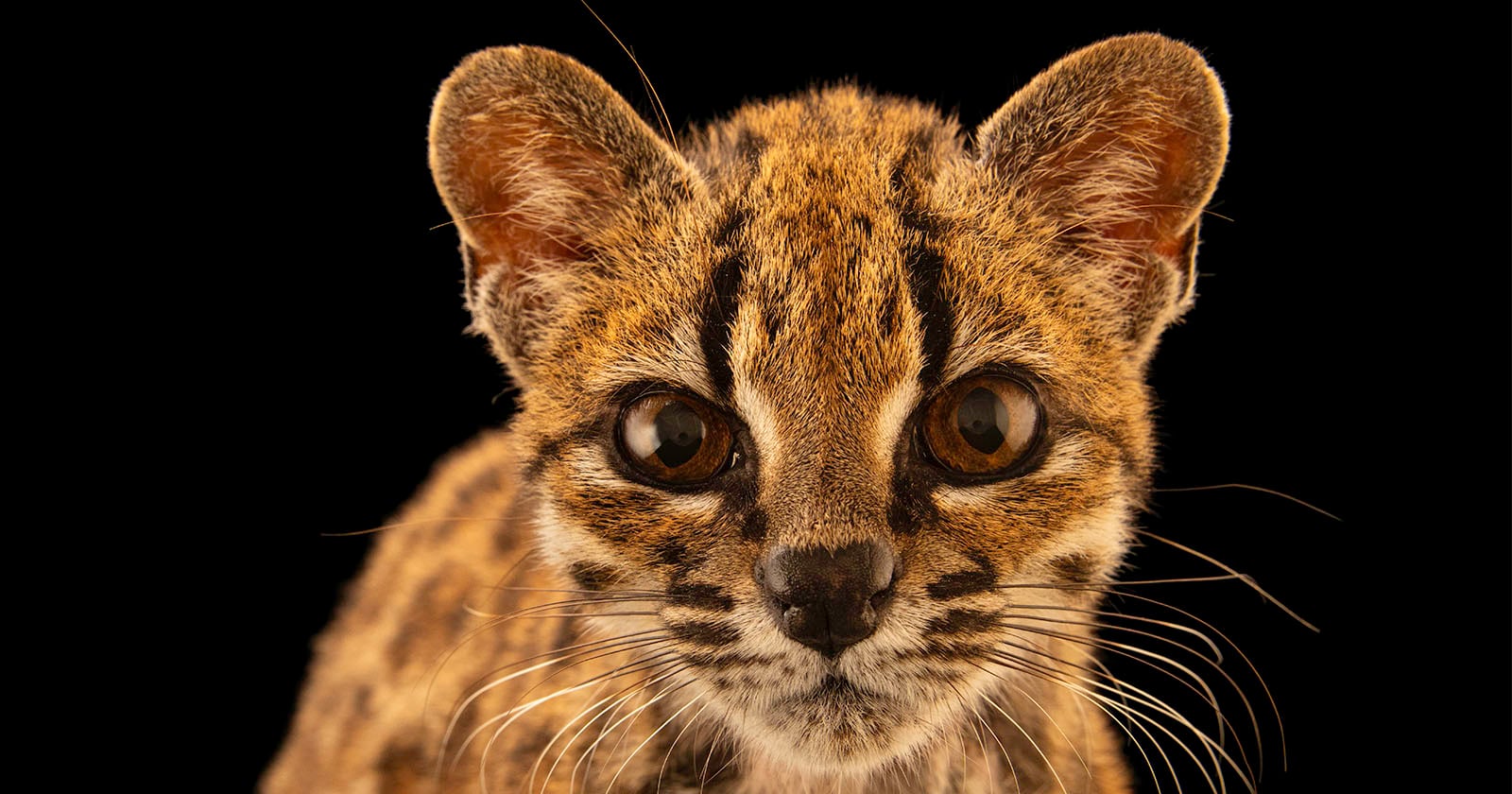
Leopardus tilcayo presents a striking appearance that differentiates it from its closest relatives. The species is characterized by a diminutive stature, weighing only a few pounds—significantly less than the average domestic cat. Physical identifiers include a distinctively scrunched facial structure, short, rounded ears, and unusually long whiskers. Its coat is marked by deep, leopard-like spots, providing effective camouflage in its native Andean habitat.
Despite the breakthrough in classification, the biological profile of Leopardus tilcayo remains largely an enigma. Current scientific data regarding its life history is sparse. Researchers have yet to document the species’ specific dietary habits, reproductive cycles, or its role within the broader Andean ecosystem. Furthermore, the nature of its interactions with predators and its population density in the wild remain critical gaps in existing ecological knowledge. The discovery serves as a reminder that even within well-studied families like Felidae, significant gaps in taxonomic understanding persist.
Global Significance and Conservation Implications
The formal recognition of Leopardus tilcayo carries profound implications for biodiversity conservation. In an era where global wildlife populations are facing unprecedented pressures from habitat fragmentation, climate change, and human-wildlife conflict, the discovery of a previously unknown species provides a rare, optimistic data point. However, it also serves as a warning regarding the vulnerability of undiscovered life.
Eduardo Eizirik, a key contributor to the genetic study, emphasized the broader impact of this finding: "Showing the general public that even in a flagship group such as cats, there are still new species to be discovered may transmit an important message. There are many undiscovered species out there in the world, and they are at risk of disappearing before we even discover them."
The case of Leopardus tilcayo illustrates the critical need for continued investment in local research programs. Without the intervention of the Senda Verde sanctuary and the subsequent persistence of the Bolivian Felids Research Program, this unique lineage might have been misidentified or lost entirely to history. The scientific community is now pivoting toward field surveys to determine the range and population health of this newly named cat.
Integration into the National Geographic Photo Ark
As a testament to the rarity of this discovery, the original cat that sparked the investigation has been immortalized as part of the National Geographic Photo Ark. Photographer Joel Sartore, known for his mission to document thousands of animal species in captivity, visited Senda Verde to capture high-resolution portraits of the animal. These images, which highlight the cat’s expressive amber eyes and unique coat patterns, have become the definitive visual record of the species.
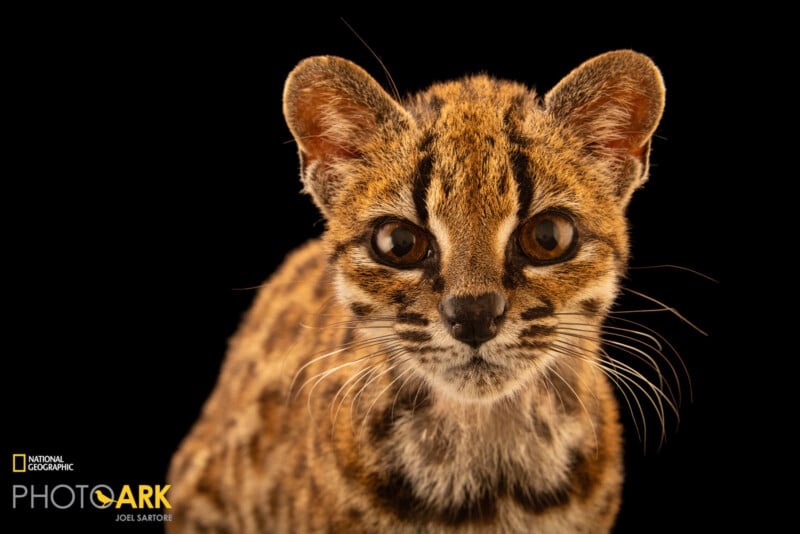
The inclusion of Leopardus tilcayo in the Photo Ark not only provides the public with a rare look at an elusive creature but also bridges the gap between complex genomic research and public engagement. By giving the species a visual identity, researchers hope to galvanize local and international support for the protection of its habitat.
The Path Forward for Taxonomic Research
The identification of Leopardus tilcayo serves as a case study for the evolution of modern taxonomy. As genetic sequencing techniques become more accessible and field observation tools, such as camera traps and high-resolution digital photography, become more ubiquitous, the probability of identifying cryptic species increases.
However, the 10-year gap between discovery and publication highlights the rigorous standards required for such a claim. In the contemporary scientific landscape, a new species must withstand intense scrutiny from the global community. The Current Biology publication provides the necessary evidence to satisfy these demands, effectively closing the chapter on the "weird cat" of the Andes and opening a new one regarding the ecological study of this distinct feline.
As the scientific community turns its attention to the wild, the primary focus will be on "in-situ" observation. The discovery of Leopardus tilcayo is not merely an end-goal, but rather the beginning of an effort to understand a creature that has successfully remained hidden in plain sight for centuries. Future studies will likely utilize non-invasive monitoring techniques, such as environmental DNA (eDNA) sampling and motion-activated camera networks, to map the species’ range across the Andean slopes.
The success of the team in Bolivia stands as a milestone for modern zoology. It reinforces the reality that, despite the vast reach of current scientific exploration, the natural world continues to harbor secrets that require both technological advancement and the keen eye of local experts to uncover. The Leopardus tilcayo is now, officially, the latest member of the feline family to be welcomed into the global scientific record, prompting a renewed focus on the hidden biodiversity of South America.