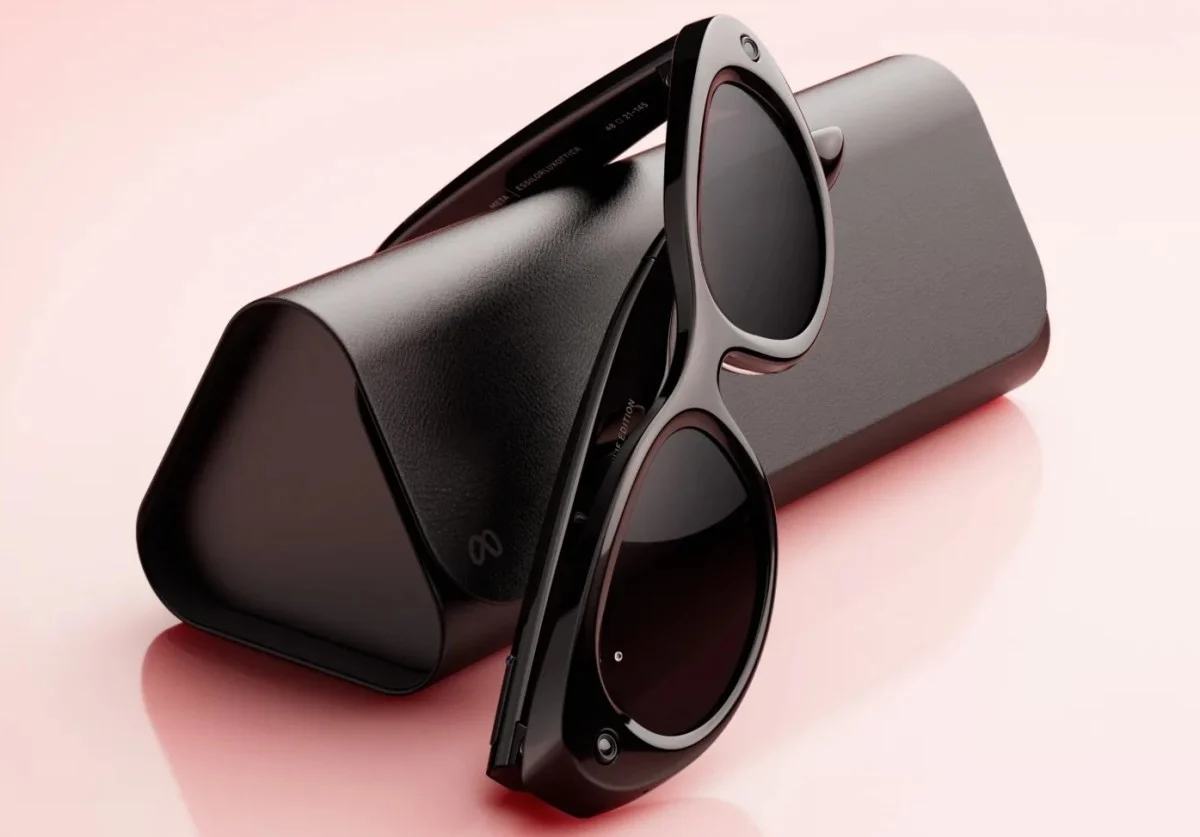
The current landscape of wearable technology is dominated by devices that prioritize visual data collection, often sparking intense scrutiny regarding surveillance and personal privacy. Meta’s existing smart glasses, developed in partnership with Ray-Ban, have achieved notable commercial success, yet the inclusion of high-definition cameras remains a significant barrier for many potential consumers who remain wary of recording devices in social or professional settings. According to recent reports, Meta is actively developing a new iteration of its smart eyewear, codenamed "Luna," which is specifically designed to function without an integrated camera, signaling a strategic pivot toward an audio-first wearable experience.
The Evolution of Meta’s Hardware Strategy
Meta’s foray into the smart glasses market began in earnest with the goal of creating a seamless interface between physical reality and the digital world. The initial Ray-Ban Meta smart glasses introduced a suite of features including livestreaming, photo capture, and AI-powered visual recognition. While these features were lauded for their convenience, the inherent presence of a lens necessitated strict privacy protocols, such as physical LED indicators to signal recording.
The decision to develop the Luna model suggests that Meta is observing a bifurcation in the market. While some users prioritize the "life-logging" capabilities of camera-equipped glasses, a substantial demographic is interested in the benefits of integrated AI assistants—such as real-time language translation, navigation, and digital communication—without the social friction associated with cameras. By removing the camera, Meta can potentially lower the production cost of the hardware, reduce the physical footprint of the frame, and mitigate the regulatory and social concerns that have hindered the widespread adoption of camera-equipped wearables.
Technical Specifications and Expected Functionality
While official specifications remain subject to confirmation, early reports indicate that the Luna glasses will prioritize high-fidelity audio and voice-based interaction. The device is expected to feature a robust array of six microphones, designed to isolate the wearer’s voice from ambient noise. This is critical for the effective operation of Meta AI, the company’s proprietary large language model integration.
The glasses will likely feature speakers directed toward the wearer’s ears, providing a private audio stream for music, podcasts, and AI responses without requiring traditional headphones. A dedicated physical button located on the frame will allow users to trigger Meta AI instantly, ensuring that the interface remains intuitive and hands-free. By stripping away the visual sensors, Meta is positioning the Luna not as a tool for content creation, but as a digital companion intended to augment the user’s auditory experience and provide instant access to the company’s vast information ecosystem.
Chronology of the Meta Connect Roadmap
The rollout of the Luna glasses is slated to align with Meta’s broader product release cycle, which centers around its annual developer conference. The event, scheduled for September 23 and 24, has traditionally served as the primary stage for Meta’s CEO, Mark Zuckerberg, to unveil new hardware and outline the company’s vision for the future of the metaverse and artificial intelligence.
- 2021: Meta launches its first-generation smart glasses, "Ray-Ban Stories," focusing on basic photo and video capture.
- 2023: The second-generation Ray-Ban Meta glasses are released, featuring improved AI integration and live-streaming capabilities.
- Early 2024: Internal discussions regarding privacy and the "privacy-first" market segment gain momentum within Meta’s hardware division.
- September 2024: Expected unveiling of the Luna project at the Meta Connect developer conference.
- October 2024: Anticipated commercial release and shipping of the camera-free glasses to consumers.
This timeline reflects a rapid development cycle, indicative of Meta’s urgency to capture market share in the growing smart-eyewear sector before competitors—such as Apple, Google, or specialized startups—can fully address the privacy-conscious consumer segment.
Privacy Implications and Public Sentiment
The primary driver behind the Luna initiative is the mounting pressure from regulators and privacy advocates. In jurisdictions like the European Union, where the General Data Protection Regulation (GDPR) and subsequent AI acts have imposed stringent requirements on biometric data and public recording, camera-equipped wearables face significant hurdles. By removing the camera, Meta effectively sidesteps the most contentious aspects of these regulations, making the device much easier to market in privacy-sensitive regions.
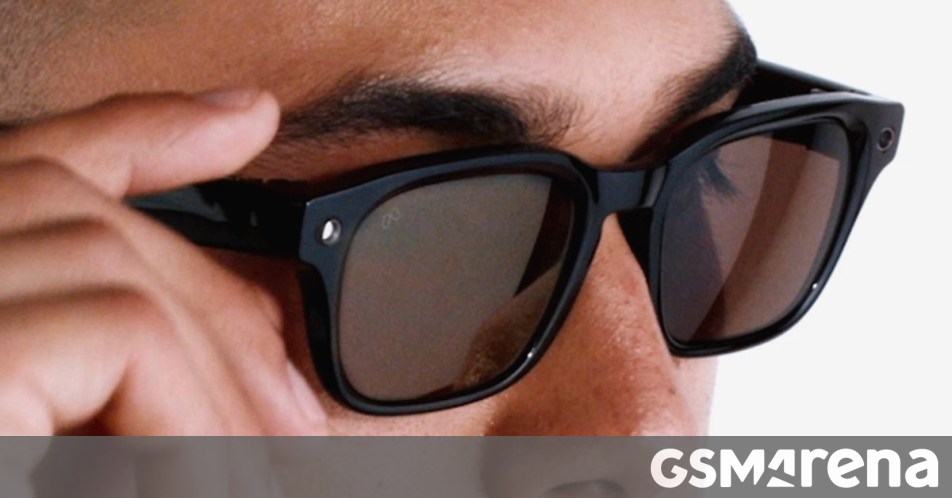
Data suggests that public perception of smart glasses is deeply tied to the "creepy factor" associated with surreptitious recording. Market research indicates that while consumers are interested in the utility of AI-powered assistants, there is a marked resistance to wearing devices that others might perceive as surveillance tools. The Luna model serves as a "soft entry" into the wearable market, allowing users to become accustomed to the form factor of smart glasses without the social stigma often attached to camera-integrated hardware.
Market Analysis: The Shift Toward Audio-Centric Wearables
The move toward an audio-only smart glass reflects a broader trend in the tech industry toward ambient computing. The objective of ambient computing is to make technology feel invisible; it should be available when needed and dormant when not. By leveraging Meta AI, the Luna glasses can provide value through voice, effectively acting as an extension of the user’s smartphone.
From a business perspective, this strategy is highly logical. If Meta can successfully integrate its AI into the daily lives of millions via a comfortable, stylish, and non-intrusive pair of glasses, it secures its position as a primary gatekeeper of user intent. Unlike smartphones, which require the user to divert their gaze from their surroundings to a screen, glasses keep the user present in the physical world. For Meta, this represents a massive opportunity to monetize through voice-based commerce, personalized advertisements, and premium AI services.
Competitive Positioning and Industry Response
Competitors in the space have taken varying approaches. Amazon has experimented with the Echo Frames, which prioritize voice interaction and Alexa integration, largely avoiding cameras to focus on utility. Apple, while rumors persist regarding their own smart eyewear, has focused heavily on the Vision Pro, a high-end spatial computing device that occupies a different, more immersive price bracket.
Meta’s advantage lies in its established partnership with EssilorLuxottica, the parent company of Ray-Ban. This partnership ensures that the Luna glasses will likely benefit from high-end fashion aesthetics, a factor that has historically been the downfall of other "tech-focused" glasses that prioritized function over form. If the Luna maintains the design language of traditional eyewear while providing the power of Meta AI, it could significantly widen the addressable market for smart wearables.
Potential Challenges Ahead
Despite the optimism, the Luna project faces significant challenges. The primary hurdle is value proposition: will consumers pay a premium for glasses that do not offer photo or video capture? To succeed, the AI capabilities must be exceptionally polished. If the voice interface is buggy, slow, or unable to provide meaningful real-time assistance, the device risks being perceived as an overpriced pair of sunglasses.
Furthermore, Meta must contend with the "always-on" nature of AI. Users will demand rigorous transparency regarding how their voice data is stored, processed, and whether it is used for training future models. Any failure to secure user trust regarding data privacy could derail the product launch regardless of its technical merits.
Conclusion
The development of the Meta Luna glasses represents a pragmatic shift in the company’s hardware roadmap. By acknowledging the privacy concerns that have hampered the adoption of camera-integrated wearables, Meta is attempting to democratize the smart-glass experience. If the September launch confirms these reports, the tech industry will be watching closely to see if the market is ready for a device that prioritizes auditory intelligence over visual capture.
As the lines between digital assistance and daily life continue to blur, the success of the Luna project will likely serve as a litmus test for the future of wearable AI. If Meta can successfully balance the utility of its AI with the comfort and privacy expectations of the modern consumer, the Luna could very well become a staple accessory, marking a new era in the evolution of personal computing. Whether this device will achieve mass-market saturation or remain a niche tool for early adopters will depend on the effectiveness of the integration and the company’s ability to communicate the inherent benefits of a camera-free smart glass in an increasingly digital world.