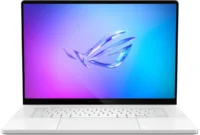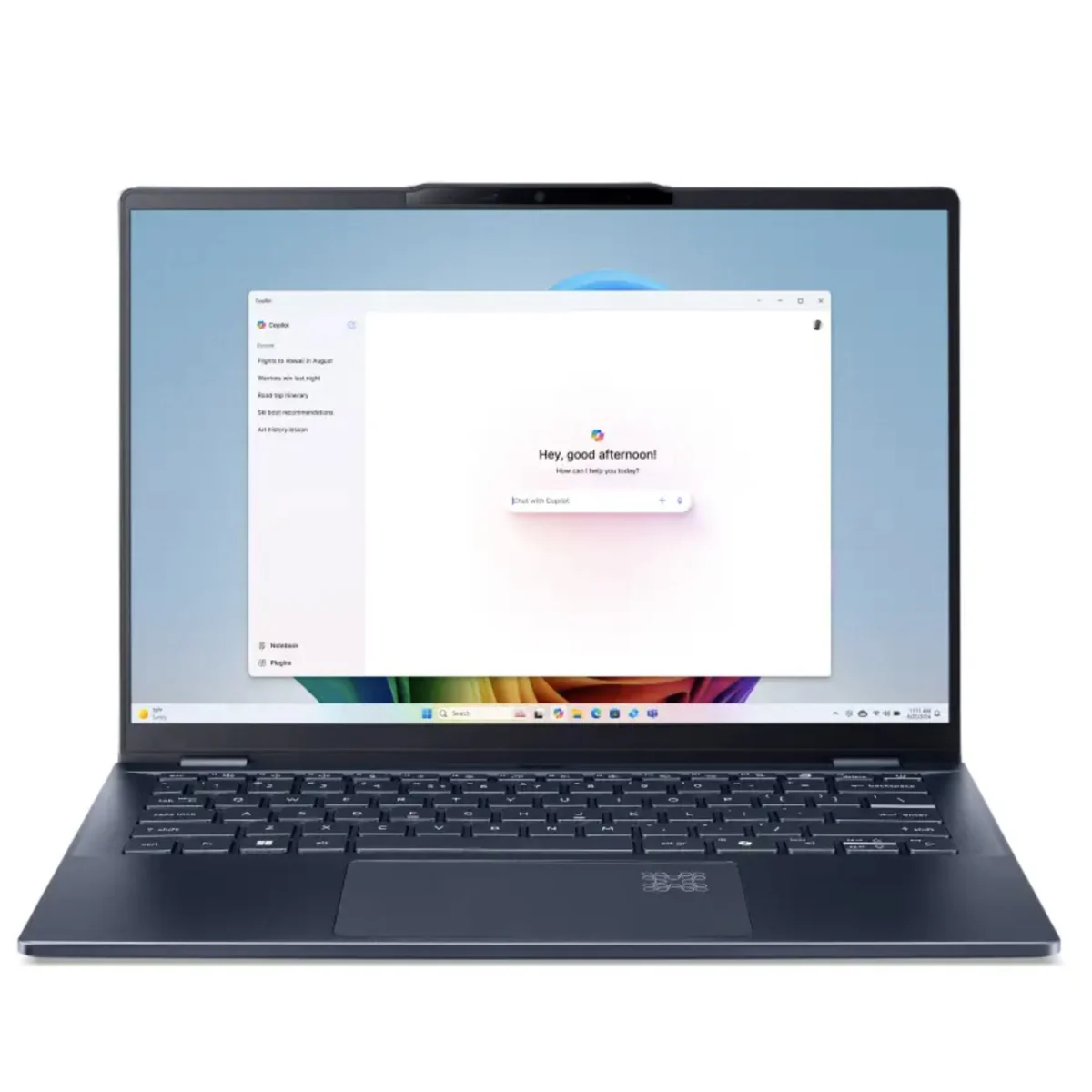
The 14-inch laptop form factor has emerged as the definitive standard for modern mobile computing, successfully bridging the gap between the ultra-portability of 13-inch devices and the high-performance demands traditionally reserved for 15-inch workstations. Since 2018, market data has shown a significant shift in consumer preference toward this specific size, as professionals and students alike demand machines that can handle intensive multitasking without compromising ergonomics or portability. For the modern remote worker or frequent traveler, the 14-inch chassis offers a "sweet spot"—providing enough screen real estate to manage complex spreadsheets and creative workflows while remaining light enough to minimize the physical strain associated with daily commuting.
The Evolution of the 14-Inch Standard
Historically, the laptop market was polarized between small, underpowered ultrabooks and bulky, high-performance powerhouses. The rise of the 14-inch category represents a technological maturation. Advances in thermal management, battery density, and system-on-a-chip (SoC) efficiency have allowed manufacturers to pack desktop-class performance into thinner, lighter enclosures. This evolution is particularly evident in 2025, where integrated components, such as the latest Apple M4 silicon and Intel’s Lunar Lake architectures, enable sustained performance levels that were once impossible in such a compact design.
Industry Leaders and Top Performers
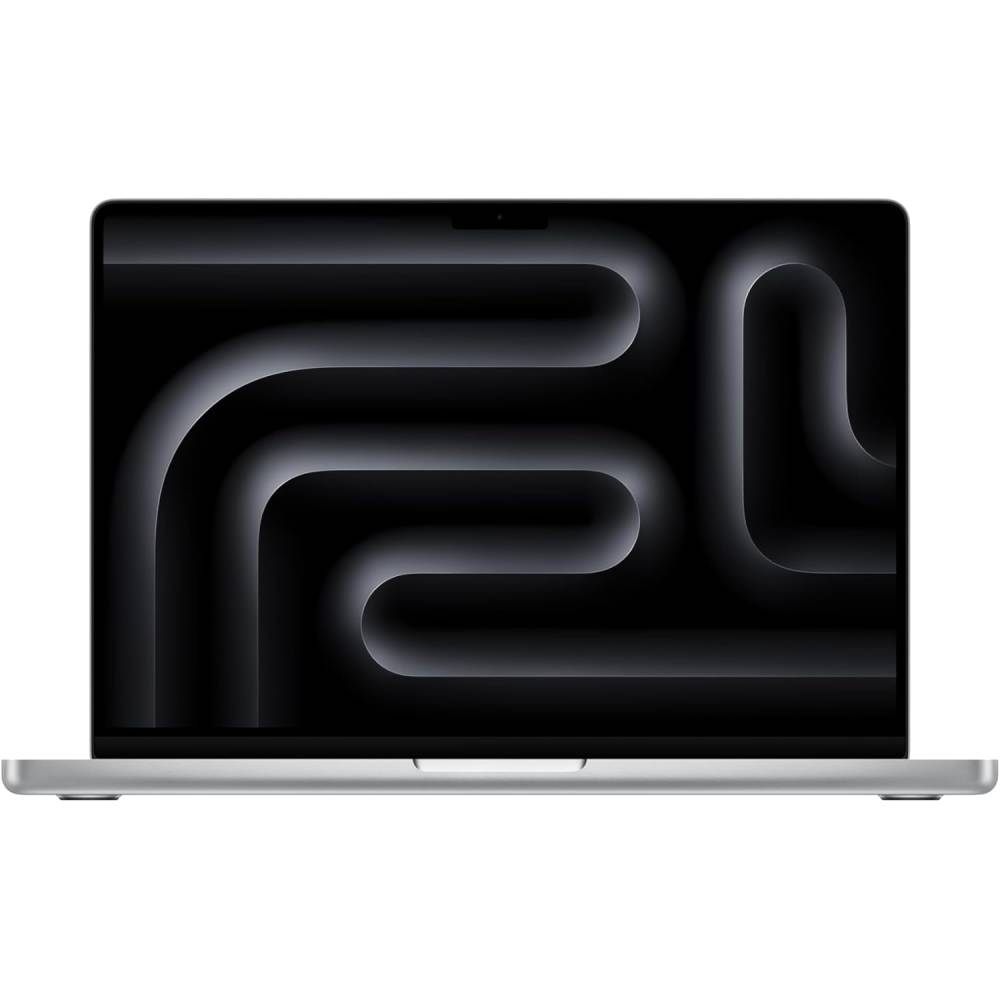
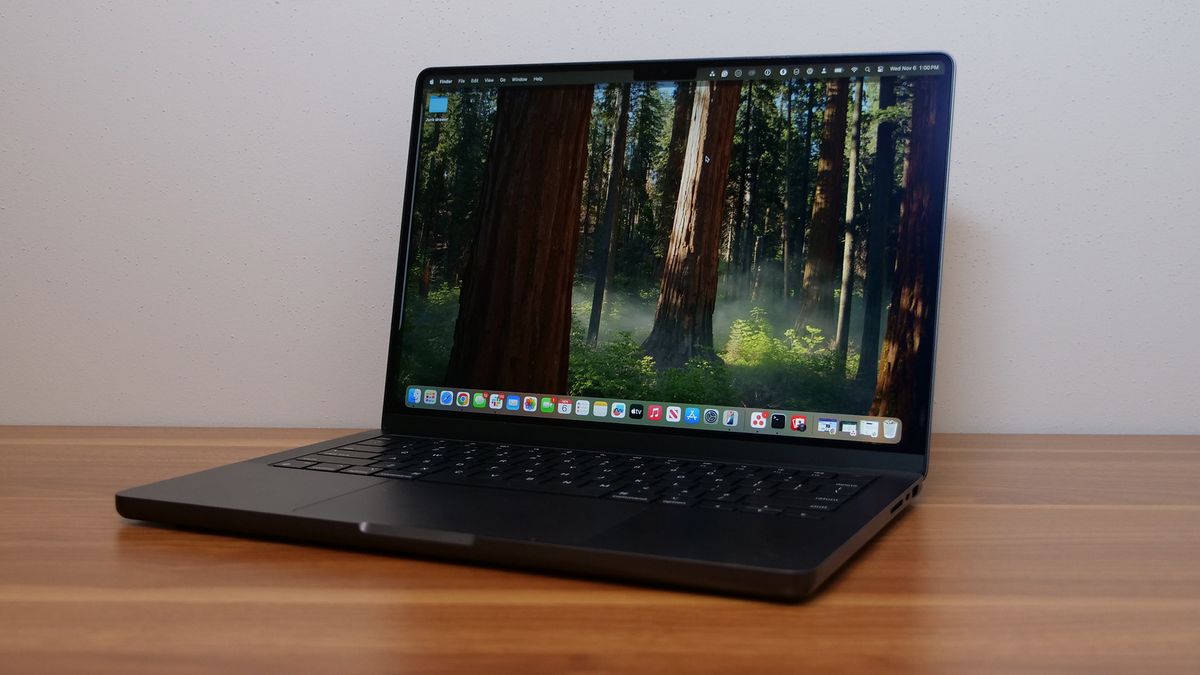
Market analysis reveals that consumers are currently prioritizing three pillars: battery longevity, display quality, and processing efficiency. Based on rigorous testing, the Apple MacBook Pro 14 M4 currently leads the sector. By maintaining its iconic design language while integrating the M4 chip, Apple has provided a machine that, in independent tests, achieved over 18 hours of battery life. The 14.2-inch Liquid Retina XDR display continues to set the industry benchmark for brightness and contrast, making it the preferred choice for creative professionals.
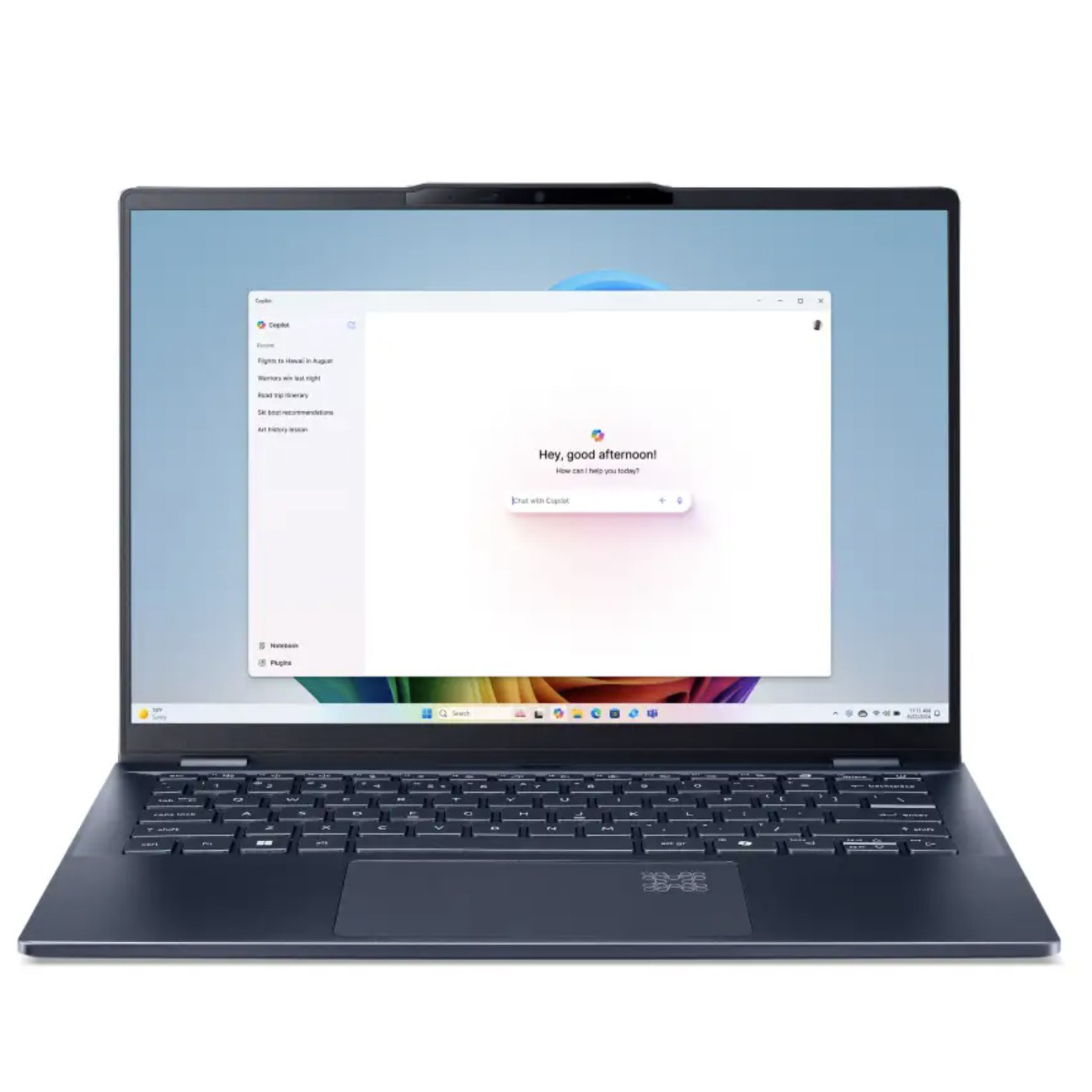
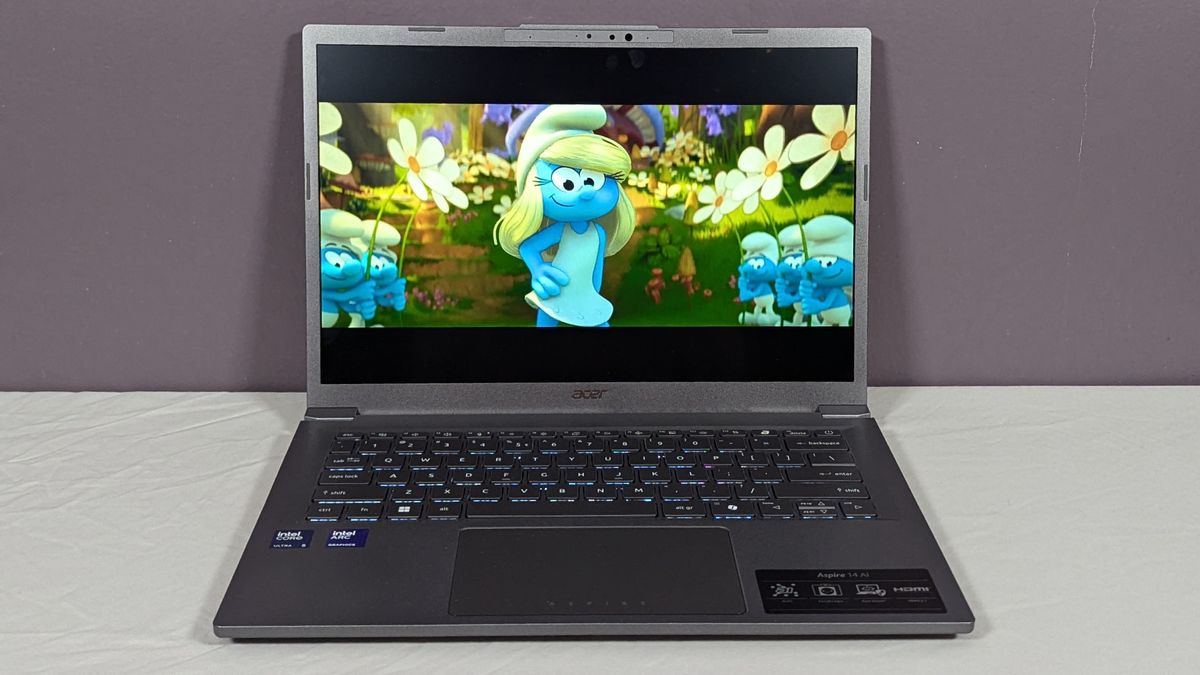
Conversely, for those operating on a restricted budget, the Acer Aspire 14 AI has disrupted the sub-$800 market. While budget laptops previously suffered from poor build quality and dismal display panels, the Aspire 14 AI provides a sturdy aluminum chassis and Intel Core Ultra 5 processing, proving that high performance is no longer exclusive to premium-tier devices.
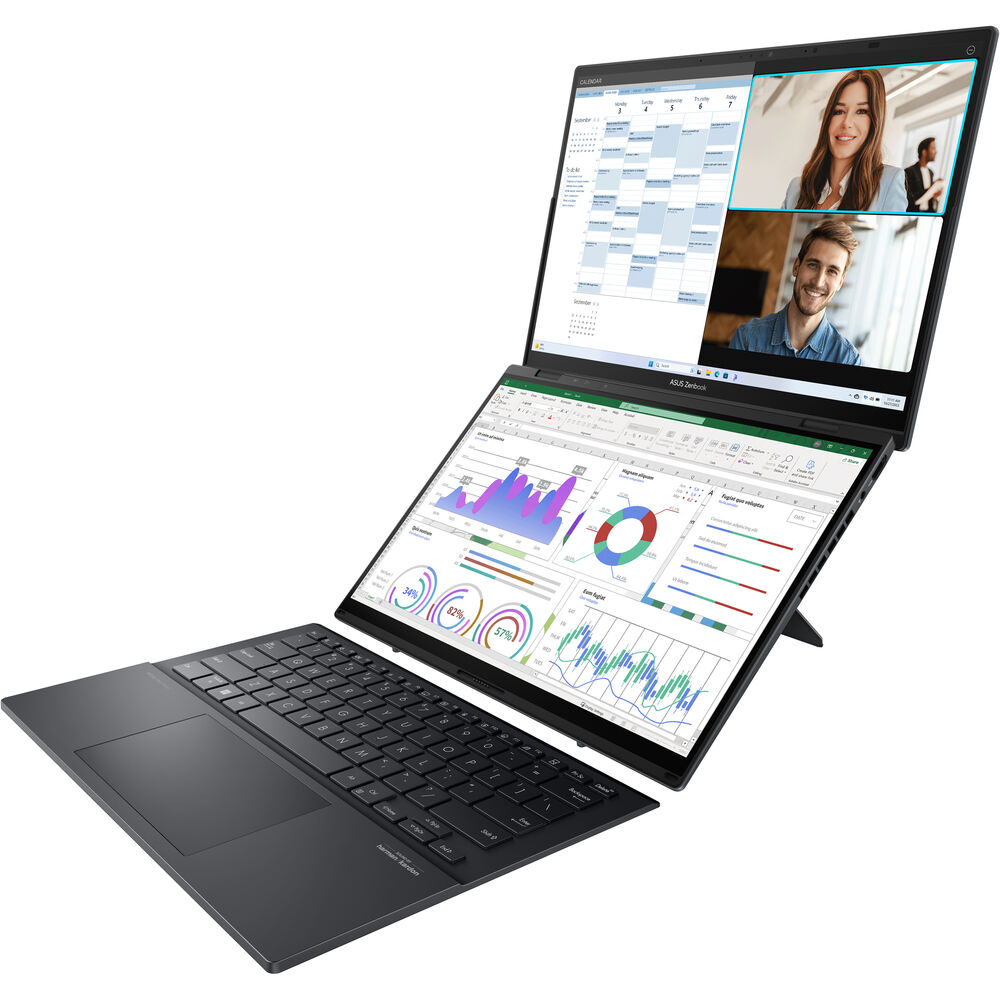
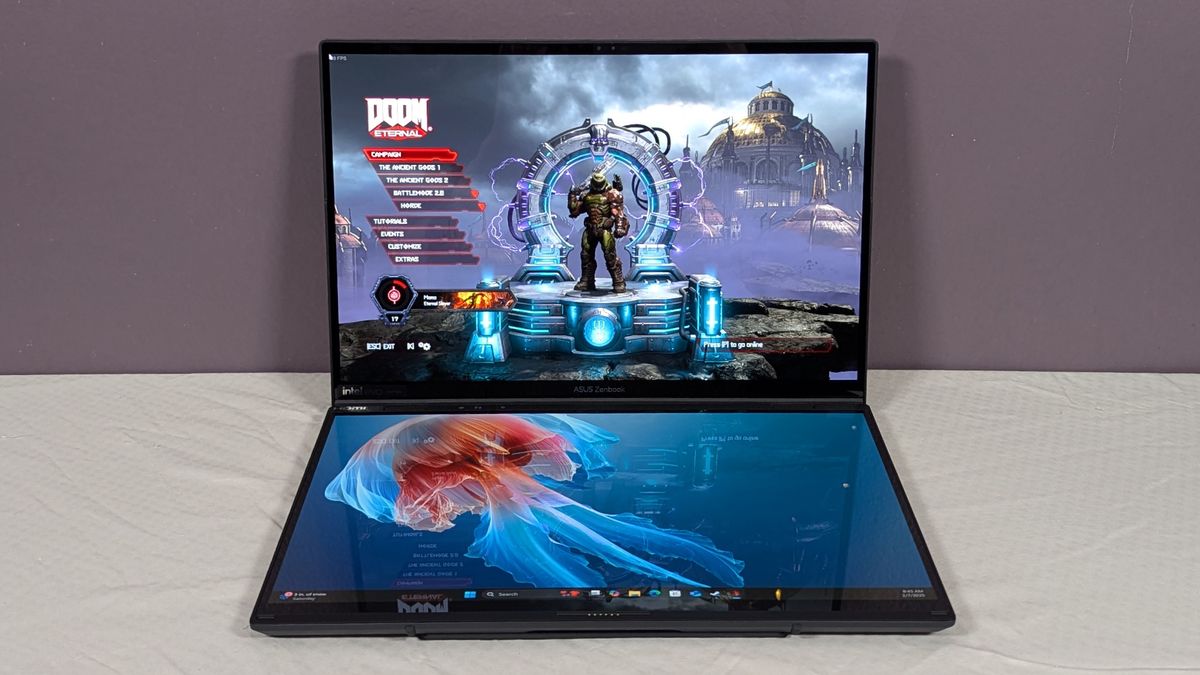
For users seeking innovation beyond the traditional clamshell, the Asus Zenbook Duo (2025) offers a dual-screen configuration that mimics a multi-monitor desktop setup. By utilizing two 14-inch OLED panels, this device caters to multitaskers who require an expansive digital workspace. While battery life is naturally taxed by the secondary screen—averaging roughly 8.5 hours—the trade-off for increased productivity is a significant selling point for coders, financial analysts, and project managers.
Comparative Performance Metrics
To understand the current competitive landscape, it is essential to examine benchmark data. In Geekbench 6 multi-core performance testing, the Apple MacBook Pro 14 M4 yields a score of approximately 15,114, while the Asus Zenbook Duo (2025) reaches 16,048, illustrating the raw power available in modern mobile configurations.
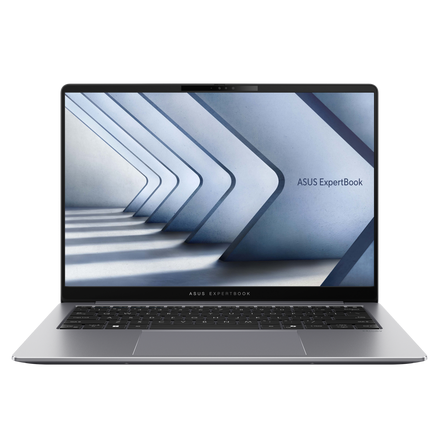
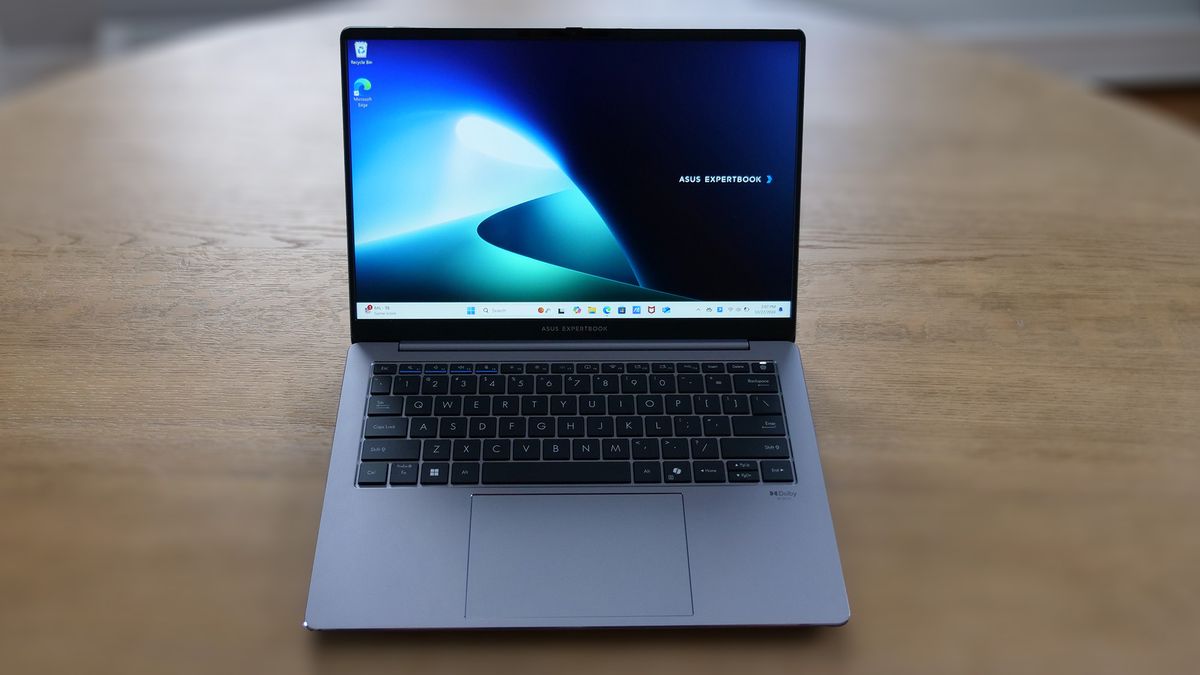
When evaluating thermal management—a critical factor for sustained performance—the Asus ExpertBook P5 has distinguished itself as one of the coolest-running laptops in the professional category. During stress tests, it successfully maintained temperatures well below the 95-degree Fahrenheit comfort threshold, a feat that eludes many competitors. This efficiency is vital for business users who rely on stable performance during back-to-back video conferencing and heavy data processing.
The Gaming Frontier
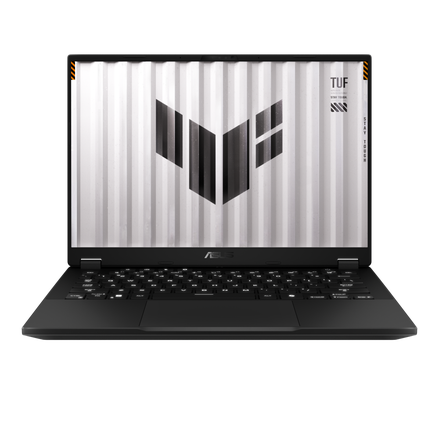
The integration of dedicated graphics into 14-inch chassis has historically been hampered by heat and power constraints. However, the Asus TUF Gaming A14 has effectively addressed these issues. By pairing an AMD Ryzen 7 8845HS processor with an Nvidia GeForce RTX 4060 GPU, the device delivers over 60 frames per second in most modern titles at medium settings. Most notably, it achieves this while offering 10 hours of battery life, a figure that shatters the five-hour industry average for gaming laptops. This shift toward "efficient gaming" allows users to transition from a gaming session to a lecture or board meeting without needing to hunt for a power outlet.

Strategic Implications for the Market
The 14-inch segment’s dominance reflects broader trends in the workplace. As companies continue to support hybrid and remote work models, the demand for "all-in-one" devices has spiked. A 14-inch laptop is no longer just a secondary machine; it is the primary computer for the majority of knowledge workers.
Manufacturers are responding to this by prioritizing port variety and webcam quality. The Asus ExpertBook P5, for instance, includes a comprehensive array of ports—including HDMI, USB-A, and USB-C—acknowledging that business users cannot afford to carry multiple dongles. Furthermore, the industry-wide transition toward OLED displays has enhanced visual fidelity, although manufacturers are now balancing color accuracy with power consumption to ensure that these vibrant screens do not prematurely drain the battery.
How to Choose Your Ideal Device
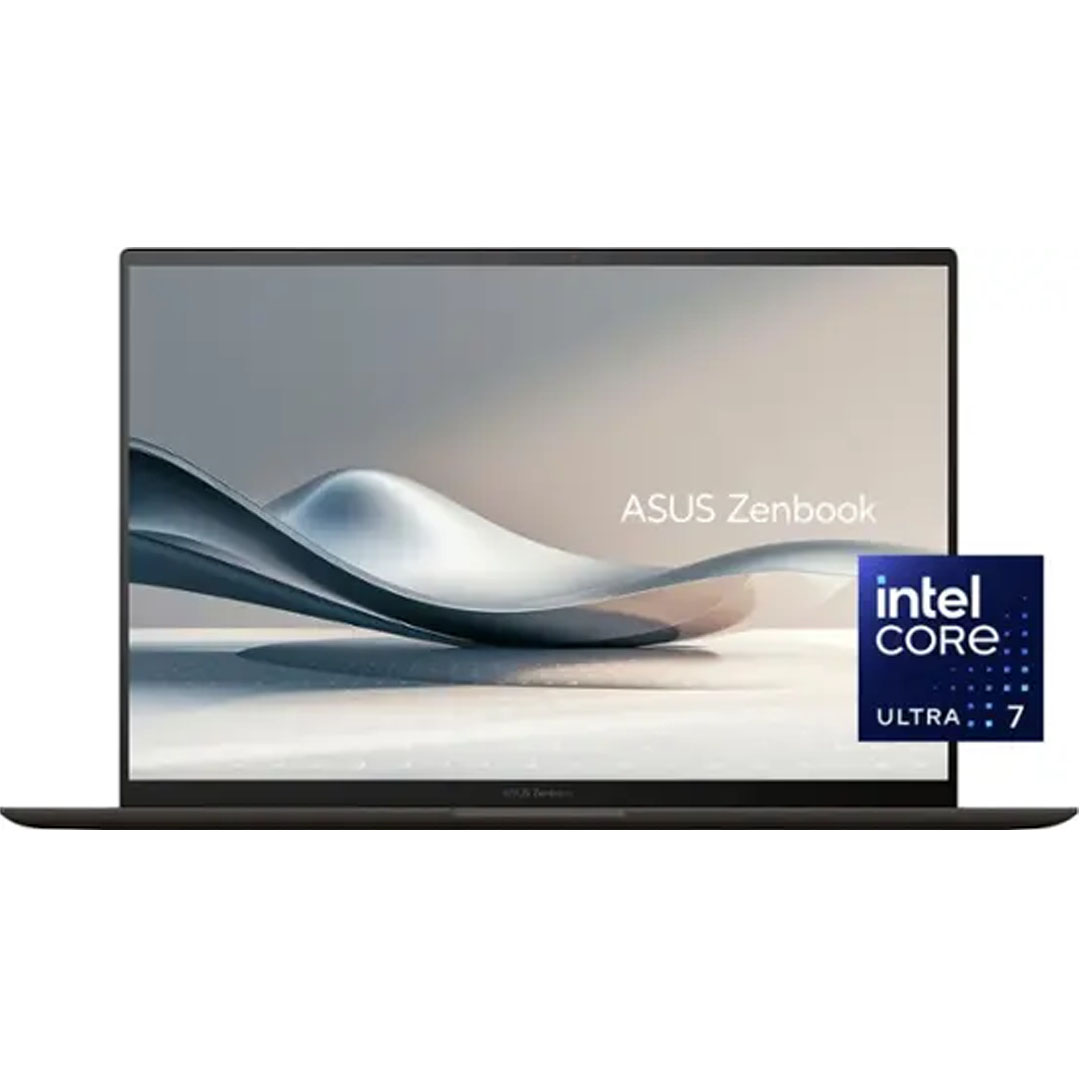
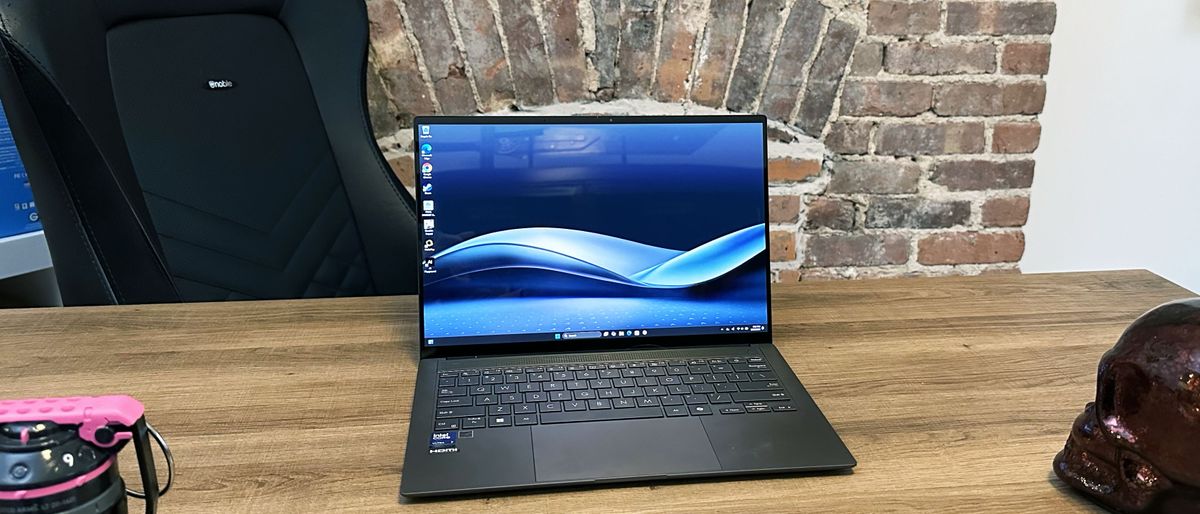
Selecting the right laptop requires an objective assessment of one’s specific needs. For those prioritizing mobility, the Asus Zenbook S 14, at just 2.6 pounds, stands out as the ultimate ultrabook. Its Lunar Lake architecture offers a balanced approach, delivering responsive performance for general office tasks and media consumption.
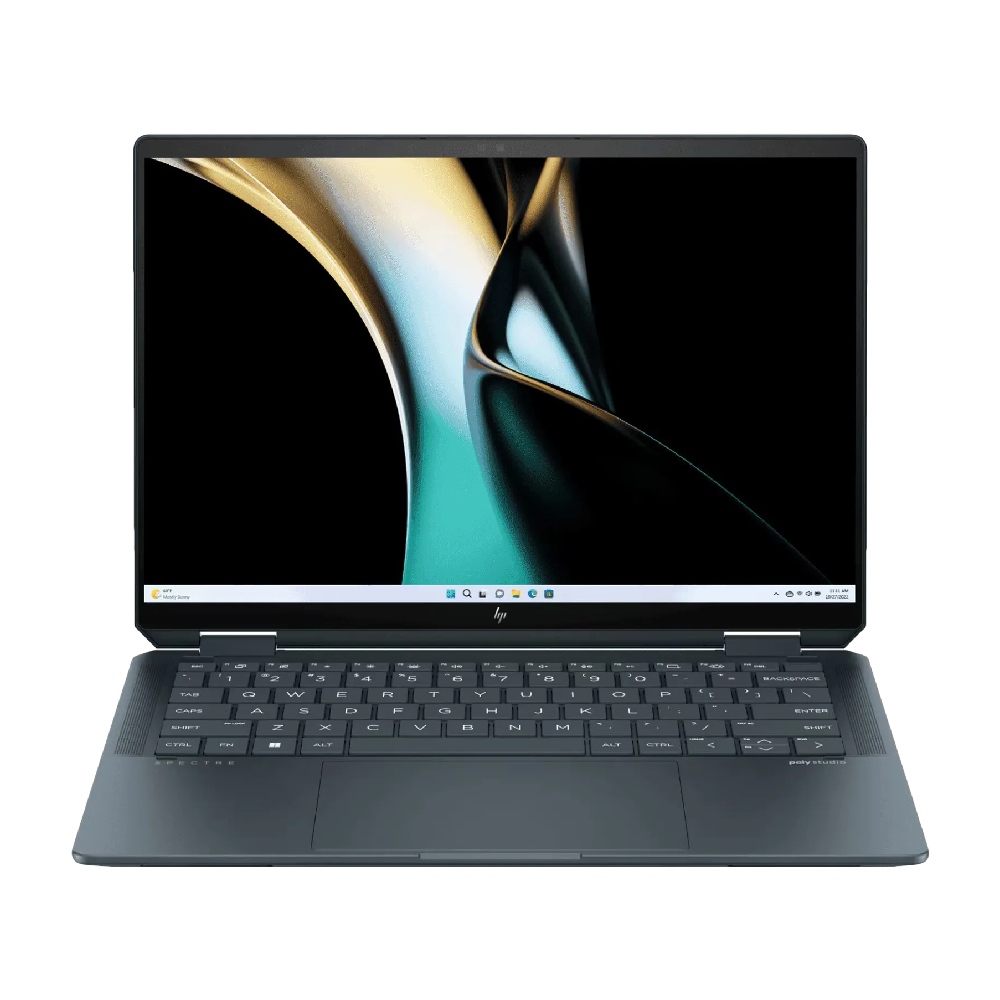
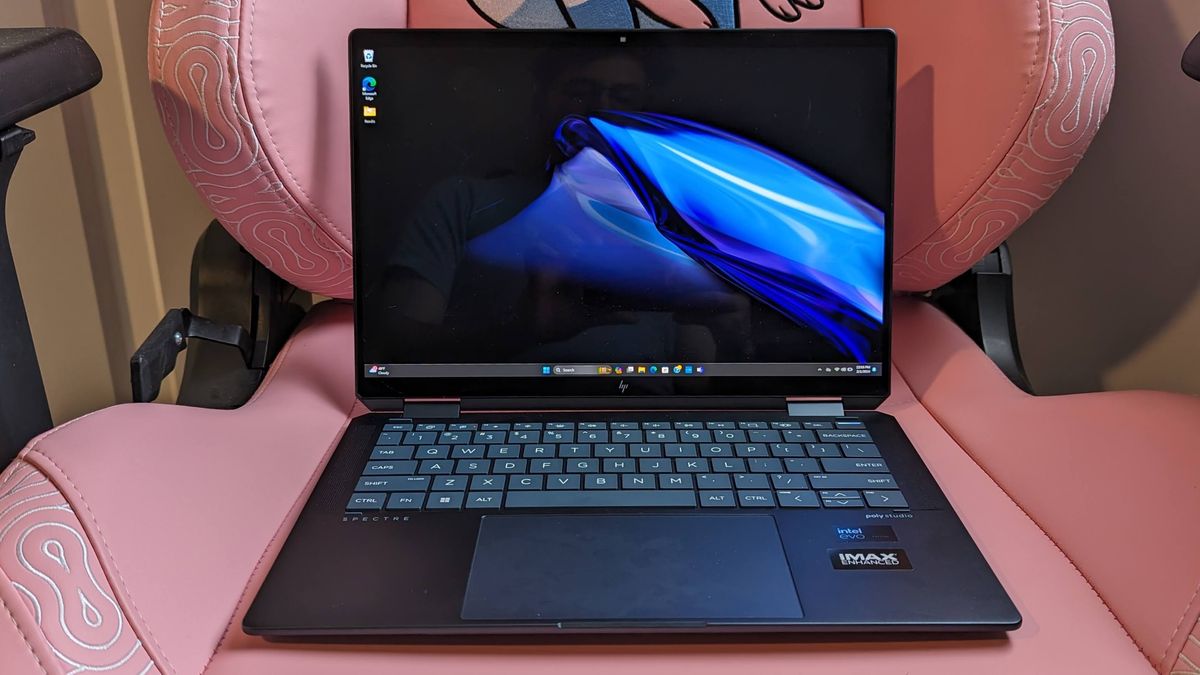
Conversely, for the "power user" who requires maximum versatility, the HP Spectre x360 14 remains the premier 2-in-1 choice. Its convertible hinge allows for tablet-like interaction, which, when paired with a high-quality stylus, serves as an excellent tool for digital note-taking and sketching. While it may have fewer ports than a dedicated business machine, its build quality and input responsiveness justify its place at the top of the convertible category.
Methodology and Testing Standards
The data provided in this analysis is derived from a standardized regimen of synthetic and real-world benchmarks. Every device is tested using a Klein K10 colorimeter to verify display accuracy and brightness levels, ensuring that claims regarding nits and color gamut coverage are substantiated by empirical evidence. Performance tests, such as Handbrake video transcoding and 25GB file transfer speeds, simulate the actual workflows of professionals.
Furthermore, the "battery life" metric is calculated through continuous web surfing over Wi-Fi at a set brightness of 150 nits. This provides a baseline that allows for direct, unbiased comparisons across all operating systems, whether they are running Windows 11, macOS, or specialized ARM-based configurations.
Future Outlook
As we move further into 2025, the 14-inch laptop will likely continue to absorb features from both the tablet and workstation markets. We expect to see further refinements in NPU (Neural Processing Unit) integration, as artificial intelligence tasks become more localized to the device. The challenge for manufacturers will remain consistent: maintaining the physical dimensions that make the 14-inch form factor so desirable, while pushing the boundaries of what is possible in terms of processing power, thermal efficiency, and battery longevity. For the consumer, this translates into a market that has never been more competitive or more capable of meeting diverse professional and personal requirements.