After five years, more than 100 published stories, and extensive field testing of hundreds of products, Nathan Pipenberg has announced his departure from his post as the resident ultralight columnist for Backpacker magazine. Pipenberg’s tenure marked a period of rapid technological evolution within the outdoor gear industry, characterized by the commercialization of ultra-high-molecular-weight-polyethylene (UHMWPE) composite fabrics, the widespread adoption of Polartec Alpha Direct insulation, and the refinement of frameless backpack suspension systems. Rather than delivering a retrospective on his travels, Pipenberg used his final column to conduct a pragmatic, hard-dollar assessment of the gear market, detailing precisely which items he would—and would not—purchase with his own money now that his tenure of receiving early-access industry samples has concluded.
Main Facts and Transition Background
Pipenberg’s exit on September 2, 2026, concludes a significant half-decade chapter in specialized outdoor journalism. Over the past five years, the ultralight backpacking sector has transitioned from a fringe subculture focused on extreme weight minimization to a dominant commercial trend influencing mainstream outdoor manufacturers. During this timeframe, gear manufacturers raced to adopt advanced composite laminates and engineered textiles, frequently driving retail prices to unprecedented heights. Pipenberg’s final analysis serves as an insider’s guide to navigating this inflated market, separating functional engineering advancements from high-priced marketing novelties. His evaluations provide prospective buyers with a financial roadmap for assembling a reliable, high-performance kit without succumbing to industry-driven consumerism.
Chronology of Innovation: Five Years of Gear Evolution
The period from 2021 to 2026 witnessed a fundamental shift in how backpackers approach base-weight reduction. Early in Pipenberg’s tenure at Backpacker, traditional nylon and basic silicone-coated polyester (silnylon) dominated the market, while experimental materials like Dyneema Composite Fabrics (DCF) were largely restricted to boutique cottage brands.
As the timeline progressed:
- 2021–2022: The emergence of specialized high-tenacity grid fabrics and early iterations of woven composite materials began challenging the dominance of traditional nylon packs.
- 2023–2024: High-breathability active insulation, spearheaded by Polartec Alpha Direct, disrupted traditional midlayer design by offering thermal regulation without trapping excessive moisture during high-output aerobic activity.
- 2025–2026: The introduction of advanced composite alternatives—such as Ultraweave and ALUULA Graflyte—pushed pack weights lower while intensifying debates over long-term seam integrity and lamination durability. Concurrently, the popularity of vest-style shoulder straps redefined comfort standards for frameless packs, proving that load carriage could be improved through ergonomic strap distribution rather than rigid frame sheets.
Financial Analysis: The Gear Worth Buying
Pipenberg’s evaluation highlights specific product categories where financial investment yields measurable performance and durability benefits, challenging the notion that ultralight gear must inherently sacrifice comfort or longevity.
Frameless Backpacks with Vest-Style Straps
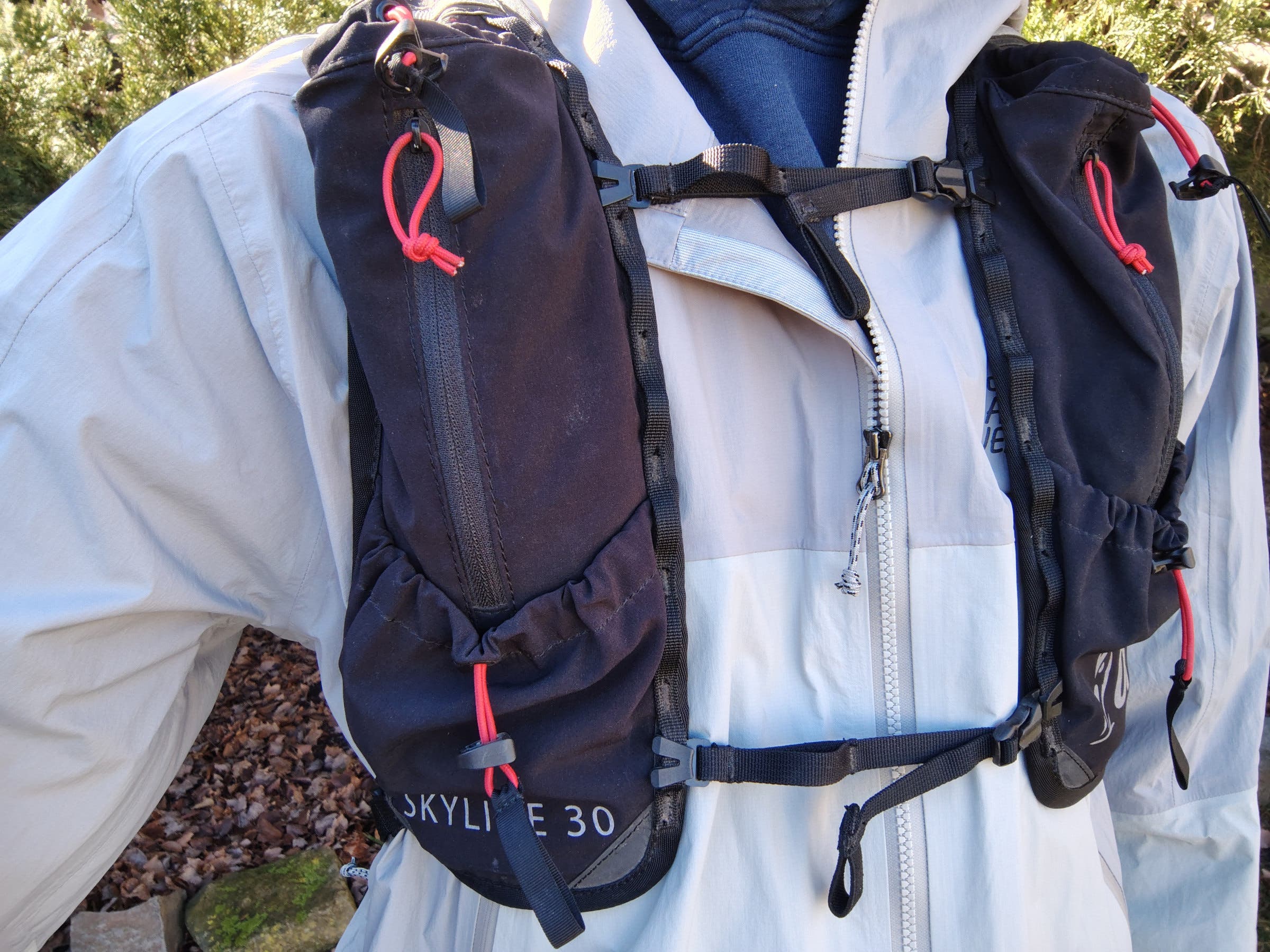
While modern internal suspension frames remain exceptionally lightweight and supportive, the evolution of wider, stretchier vest-style shoulder straps has revived the viability of frameless packs. Models such as the Gossamer Gear Skala 38 distribute loads more uniformly across the torso rather than localizing pressure on the shoulders, while also providing expanded storage real estate for shoulder strap pockets. Pipenberg identifies this design philosophy as an optimal balance of simplicity, freedom of movement, and economic value.
Active Insulation: Alpha Direct and Tecnowool
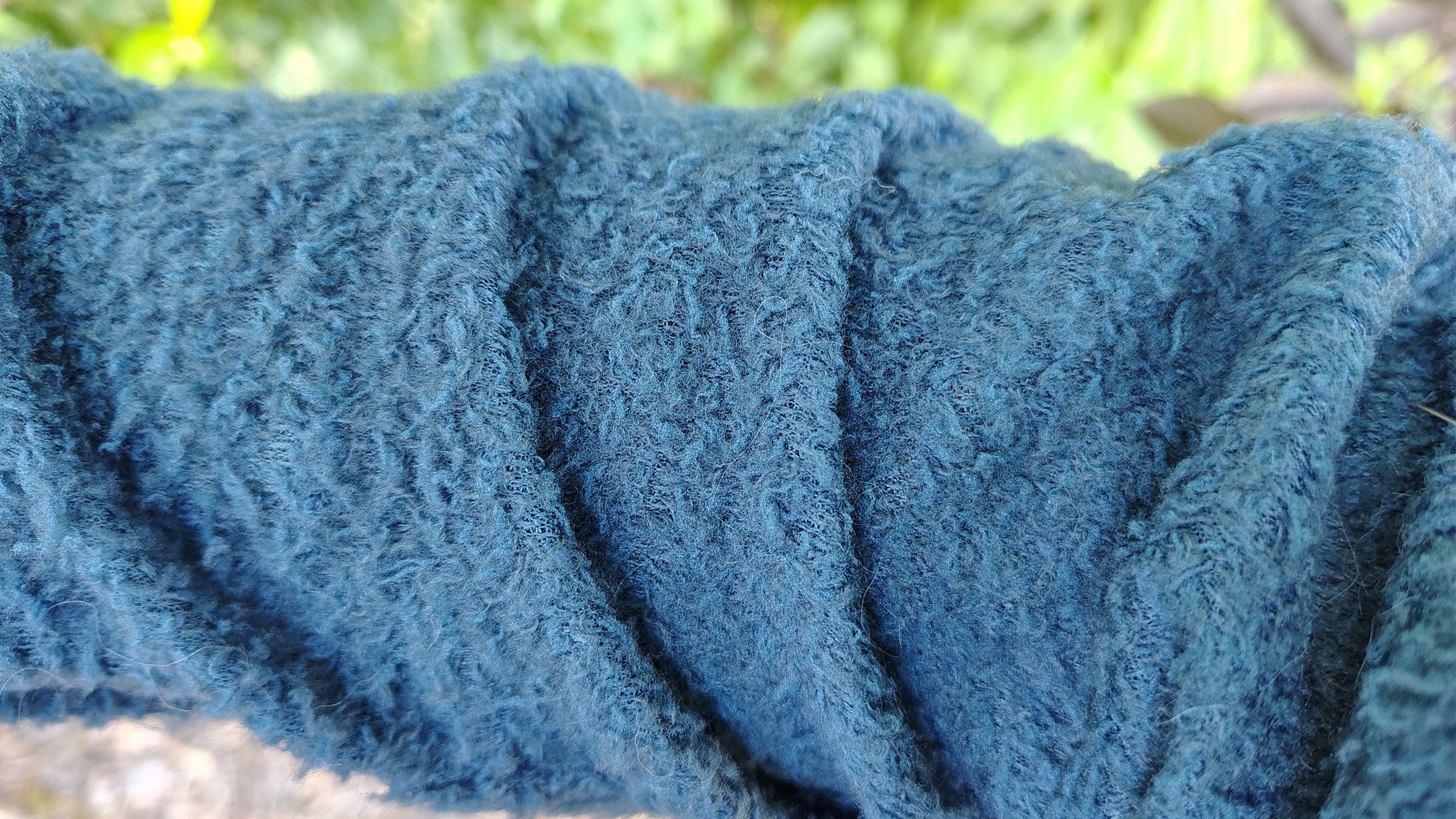
Polartec Alpha Direct established a benchmark for warmth-to-weight ratios and breathability in active midlayers. However, recent material science developments have introduced competitive alternatives like the Farpointe Tecnowool Cruiser. Tufted with wool on the exterior, Tecnowool matches Alpha Direct’s breathability while delivering superior softness, stretch, and odor resistance at a marginal weight increase.
High-Performance Weather Protection: Showers Pass Cloudburst Hoodie
The conventional hard-shell rain jacket has long faced criticism within the ultralight community for poor breathability, declining waterproof treatments, and rigid, uncomfortable fabrics that render them single-use items. Priced at $260 and weighing nearly 10 ounces, the Showers Pass Cloudburst Hoodie defies traditional ultralight metrics. By utilizing a soft, quiet, and stretchy waterproof membrane, it functions effectively as both a continuous-wear windbreaker and a reliable storm shell, offering versatility that justifies its cost.
Four-Season Sleep Systems: Therm-a-Rest NeoAir XTherm NXT
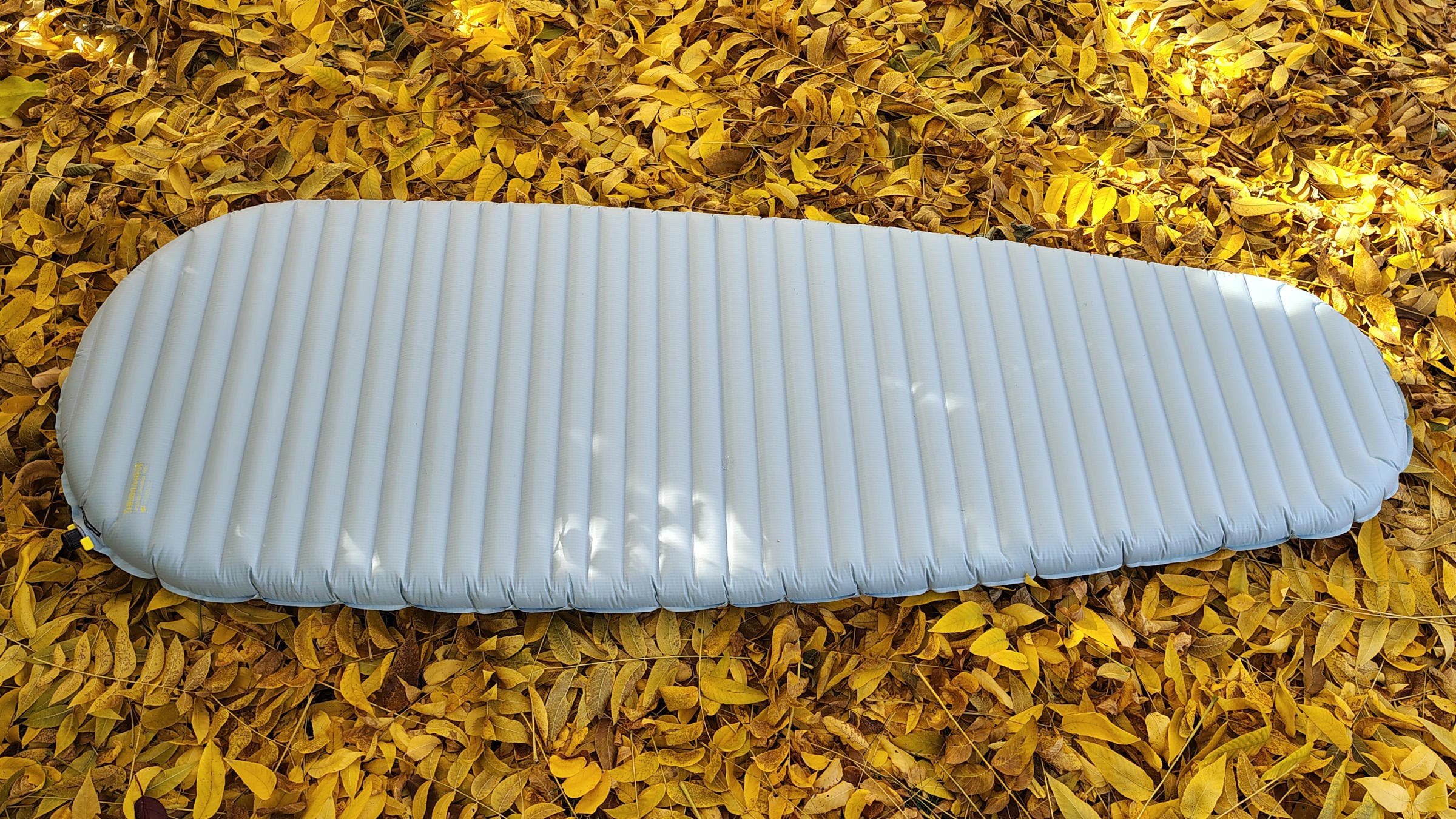
Investing in a dedicated winter sleeping pad for year-round use represents a strategic durability play. The Therm-a-Rest NeoAir XTherm NXT carries a negligible weight penalty compared to its three-season counterpart, the XLite NXT, while incorporating a robust 70-denier nylon bottom. This heavy-duty base fabric provides a significant upgrade in puncture and abrasion resistance over standard 20- to 40-denier alternatives. Furthermore, field experience suggests that reflective mylar thermal barriers do not cause overheating in warm weather, effectively serving as an effective thermal buffer against hot ground.
Minimalist Summer Quilts
For high-summer conditions, a specialized 40-degree sleeping quilt—such as the 9.5-ounce Cumulus Neo Quilt 150—provides an exceptional luxury upgrade. Compressing to the dimensions of a standard sports ball, these ultra-low-weight quilts eliminate unnecessary bulk and insulation, rendering heavier three-season bags redundant during peak seasonal temperatures.
Critical Assessment: The Gear Not Worth Buying
Pipenberg’s analysis also identifies sectors where industry marketing outpaces functional utility, advising consumers to redirect funds away from over-engineered products.
Composite Fabrics (Dyneema, Ultra, and Graflyte)
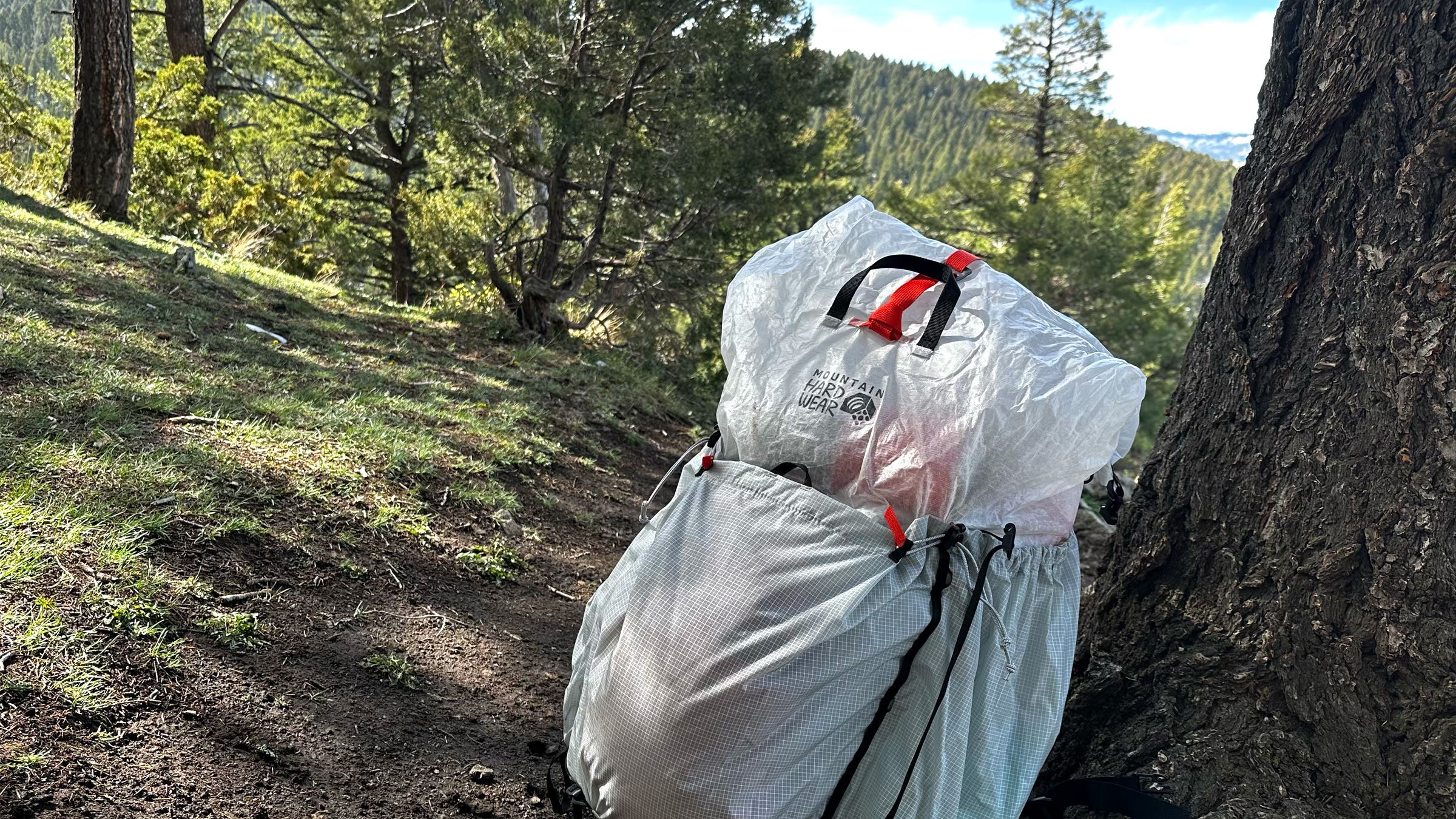
Despite the high tensile strength and tear resistance of ultra-high-molecular-weight-polyethylene (UHMWPE) composite fabrics, Pipenberg argues that their high retail costs outweigh their benefits for standard backpack construction. Because an ultralight pack utilizes minimal yardage, fabric weight reduction yields negligible overall system savings. Furthermore, composite materials present engineering challenges, including potential lamination delamination, reduced abrasion resistance in early Dyneema iterations, and difficulties in maintaining stitch integrity under high tension. For shelters, while Dyneema reduces water absorption and sag, its susceptibility to permanent creasing and high price tags make silicone-coated polyester (silpoly) a more pragmatic, cost-effective alternative.
Hiking-Specific Apparel
The markup on outdoor-branded apparel often exceeds functional performance gains. Comparative testing demonstrates that generic synthetic garments, such as polyester athletic shirts and shorts from mass retailers or thrift stores, perform identically to specialized outdoor-branded sun hoodies and hiking pants on the trail. Pipenberg emphasizes that branding commands a financial premium that does not translate to superior trail durability or moisture management.
Broader Industry Impact and Implications
Pipenberg’s departure and final assessment reflect a broader maturation phase within the outdoor recreation industry. As consumer awareness grows regarding equipment longevity, repairability, and real-world utility, the pressure on manufacturers to justify high price tags with genuine functional upgrades has intensified.
The analytical shift from raw weight minimization to holistic cost-value performance signals a changing consumer base. Backpackers are increasingly rejecting disposable, highly fragile gear in favor of modular, durable systems that balance weight savings with long-term reliability. As brands adapt to these evolving consumer expectations, the insights compiled over Pipenberg’s five-year tenure at Backpacker serve as a foundational reference for hikers navigating an increasingly complex commercial marketplace.