
The release of the 3.0 update for Warcraft 3: Reforged, coinciding with the debut of the Forsaken Kingdom expansion, marks a significant turning point in the history of the beleaguered remaster. While the patch introduces long-awaited features such as an updated graphics mode and an increase in the unit selection cap from 12 to 24, it has simultaneously introduced restrictive infrastructure changes. Specifically, the game now requires a persistent internet connection to function, even for single-player content, and the native Local Area Network (LAN) functionality—a cornerstone of the original 2002 title’s competitive and social legacy—has been officially removed from the Reforged client.
A Chronology of the Reforged Struggle
To understand the weight of these recent changes, one must consider the turbulent history of Warcraft 3: Reforged. Announced with much fanfare at BlizzCon 2018, the project was intended to serve as a comprehensive overhaul of one of the most influential real-time strategy (RTS) games ever produced. When it finally launched in January 2020, however, it was met with immediate, widespread backlash. Players cited missing features that were present in the 2002 version, technical instability, and a controversial EULA (End User License Agreement) that claimed ownership of user-generated custom maps.
The game’s reputation reached a nadir shortly after launch, with it becoming one of the lowest-rated games on aggregate sites like Metacritic. In the years following, Blizzard Entertainment quietly worked to restore features and address stability, slowly clawing back the trust of a disillusioned community. The arrival of the Forsaken Kingdom expansion, the first new campaign content in 23 years, was viewed by many as the definitive "victory lap" for the remaster—a signal that the game had finally reached the state it should have been in at launch. Instead, the 3.0 update has reignited debates regarding software ownership and the preservation of classic titles.
Technical Implications of the 3.0 Patch
The most pressing concern for the player base is the move toward a mandatory "always-online" architecture. By tethering the single-player experience to Battle.net servers, the game becomes vulnerable to server outages, maintenance periods, and the inevitable future sunsetting of support. For a genre defined by longevity—Warcraft 3 remained an active, thriving community for nearly two decades without such restrictions—this shift represents a move away from the "purchased product" model toward a "live service" model.
The removal of LAN support is perhaps more contentious among the game’s core competitive demographic. Historically, LAN functionality was essential for tournament play and local gatherings, allowing players to compete with near-zero latency regardless of the quality of their external internet connection. By stripping this feature from the Reforged client, Blizzard has effectively bifurcated the player base. While the company maintains that the legacy Warcraft 3 client—provided to those who purchase Reforged—still supports offline play and LAN, this creates a fragmented experience. Players are essentially forced to choose between the modern visual fidelity and balance updates of Reforged or the functional, offline-capable architecture of the original software.
Data and Infrastructure Context
The shift in requirements reflects a broader industry trend among major publishers. Over the past decade, many AAA titles have moved toward cloud-authenticated DRM (Digital Rights Management). Proponents of these systems often cite the mitigation of piracy and the streamlining of social features, such as integrated friend lists and cross-platform syncing. However, industry analysts note that this model creates significant barriers for users in regions with unreliable internet infrastructure or for those who wish to preserve games for long-term archival purposes.
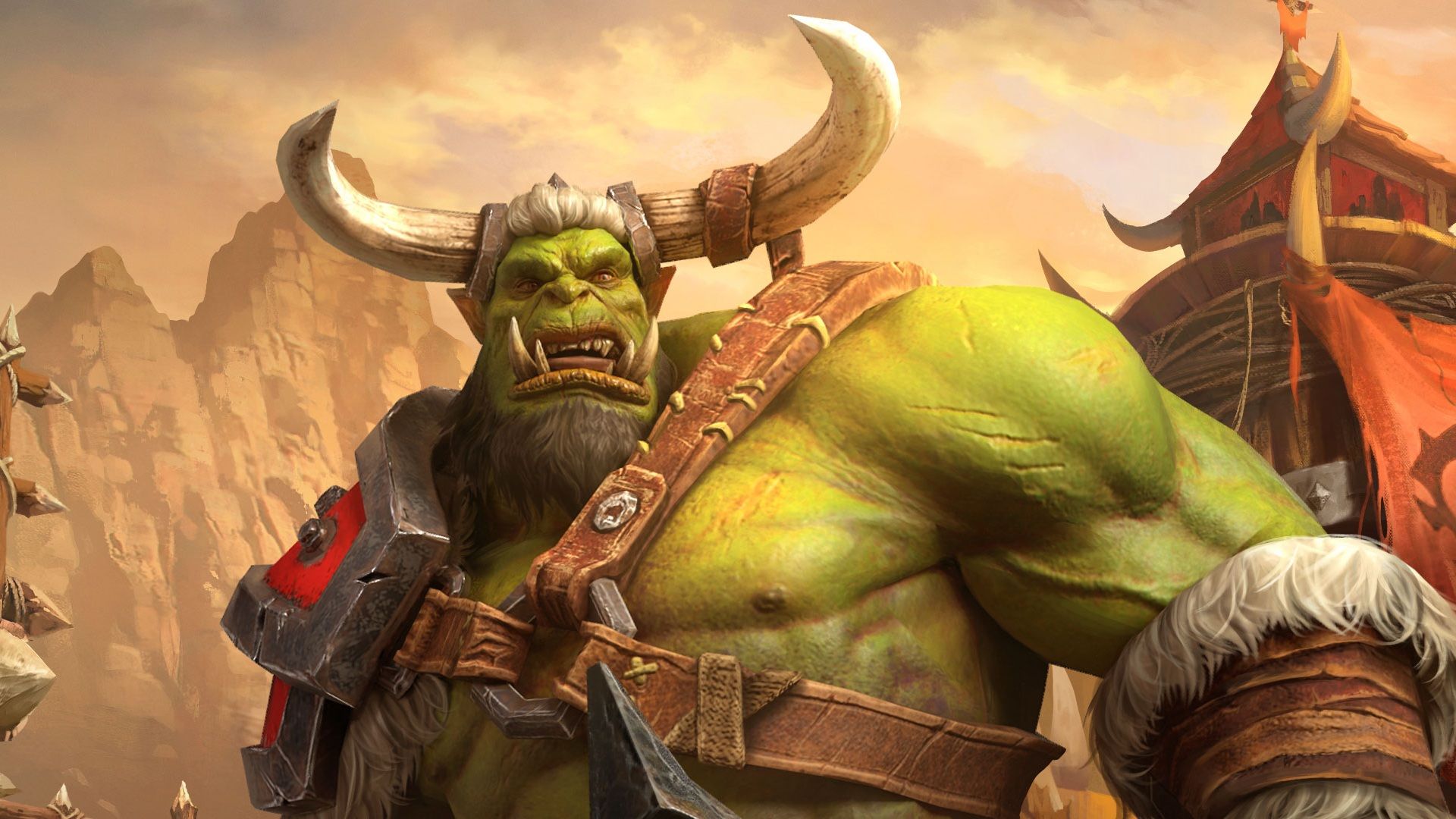
According to technical analysis of the 3.0 patch, the removal of the LAN "Local Area Network" option appears to be a deliberate effort to consolidate the game’s multiplayer traffic through Battle.net. By forcing all matches through their central servers, Blizzard gains greater control over matchmaking, cheat detection, and telemetry. While these are beneficial for an official ladder system, they remove the autonomy that defined the original Warcraft 3 experience, where players could host private servers or play entirely disconnected from Blizzard’s ecosystem.
Official Stance and Community Reaction
Blizzard Entertainment has not issued a detailed explanation for why these specific constraints were implemented in the 3.0 patch. In the absence of an official statement, the company has directed users to a support article that provides instructions on how to install the legacy client. This suggests a tacit acknowledgement that the Reforged version is no longer intended to serve as a 1:1 replacement for the original software in terms of offline functionality.
The community response, documented extensively on the official Warcraft 3 forums and social media platforms, has been largely critical. Long-term players have expressed confusion over why a remaster meant to celebrate the legacy of the game would simultaneously remove the features that made that legacy possible. The sentiment is that while the new graphics, the 24-unit selection cap, and the Forsaken Kingdom expansion are objectively positive additions, they are being overshadowed by the loss of user agency.
Broader Impact on Game Preservation
The situation with Warcraft 3: Reforged highlights the growing friction between modern distribution models and game preservation. When a company updates a legacy title, they are not only managing code but also managing a cultural artifact. By removing features like offline play, the publisher risks alienating a demographic that values the game not just as a current product, but as a historic piece of software.
Furthermore, the "always-online" requirement poses a potential risk for the game’s future. If Blizzard were to shut down the authentication servers for the Reforged client in the future, the game would technically become unplayable for the end user. While the legacy client acts as a stopgap, the necessity of relying on two separate versions to achieve the functionality of the original single product is seen by many in the industry as a failure of software maintenance.
Conclusion and Future Outlook
The 3.0 patch for Warcraft 3: Reforged serves as a case study in the complexities of updating classic titles. The developers have successfully delivered meaningful content and quality-of-life improvements that the community requested for years. However, the inclusion of restrictive DRM and the removal of LAN support have created a new set of problems that undermine the progress made during the game’s recovery period.
As the industry continues to debate the merits of always-online requirements, the Warcraft 3: Reforged situation will likely serve as a reference point for future remasters. The success of such projects depends on a delicate balance between modernizing the experience and respecting the architectural choices that allowed the original game to flourish. For now, the player base remains in a state of adjustment, utilizing the legacy client for offline play while navigating the modern, connected environment of Reforged for its new content. The long-term impact on the game’s population and its status within the RTS community remains to be seen as players weigh the benefits of the new features against the limitations of the current connectivity model.