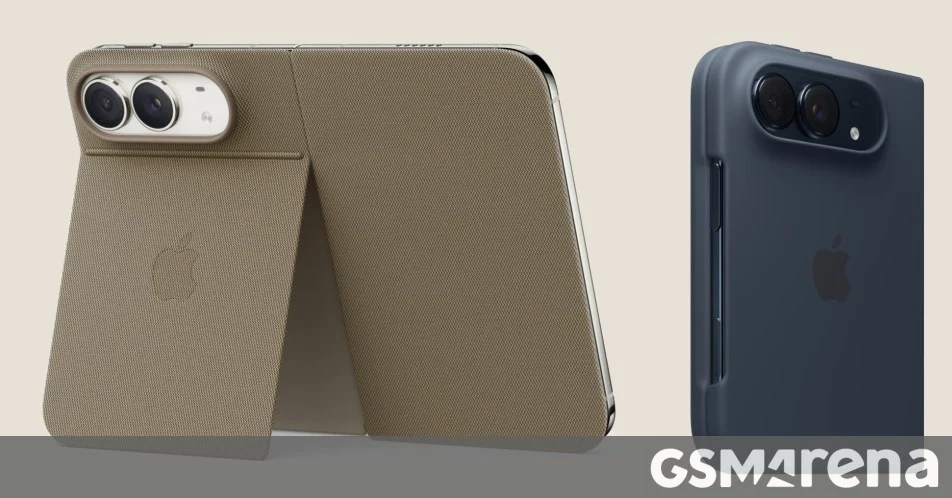
The debut of the iPhone Duo marks a pivotal transformation in Apple’s hardware strategy, signaling the company’s formal entry into the competitive foldable smartphone market. As the tech giant pushes the boundaries of hardware design, it has simultaneously introduced a suite of first-party accessories tailored specifically for the device’s unique form factor. Recognizing that the success of a foldable device relies heavily on its physical protection and ergonomics, Apple has launched the iPhone Duo Folio and the standard iPhone Duo case, both designed to ensure the longevity and utility of its flagship innovation.
A New Era of Apple Hardware Design
For years, the industry had speculated on when Apple would adopt the foldable form factor, a segment largely pioneered by competitors such as Samsung and Google. With the launch of the iPhone Duo, Apple has opted for a sophisticated approach, focusing on a seamless hinge mechanism and optimized software integration. However, a foldable device introduces new challenges regarding structural integrity and peripheral compatibility. To address these, Apple’s official accessory line serves as an extension of the phone’s engineering, ensuring that users can protect the screen and internal components without sacrificing the sleek aesthetic that the brand is known for.
The introduction of these accessories follows a long history of Apple’s "accessory-first" mentality. By releasing protective gear alongside the launch of the primary device, Apple ensures that consumers are not left waiting for third-party manufacturers to catch up to the specific dimensions of a new hardware design. This strategy, previously seen with the iPhone 15 and 16 series, is now critical for the iPhone Duo, as the geometry of a folding smartphone requires specialized materials and structural tolerances.
Detailed Breakdown of the iPhone Duo Folio
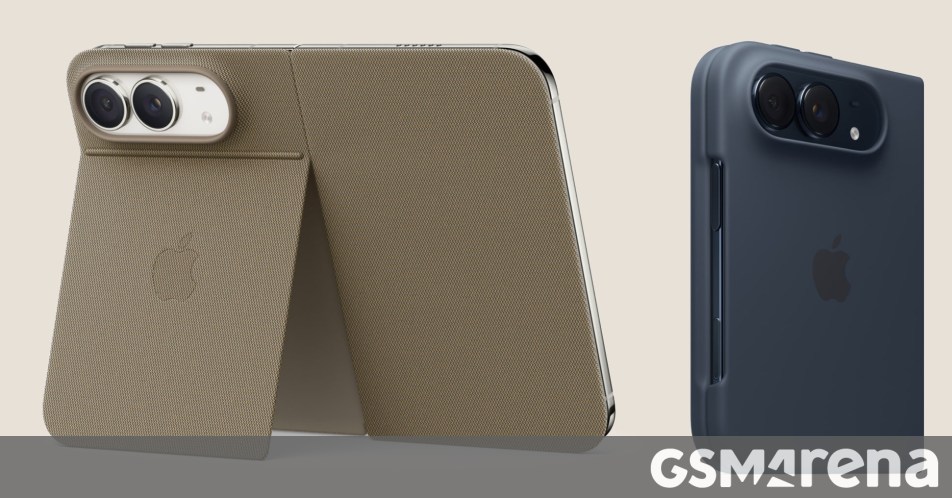
The iPhone Duo Folio represents the premium tier of Apple’s new accessory lineup. Available in two sophisticated colorways—navy blue and taupe—the Folio is engineered for users who prioritize both protection and versatility. Its defining feature is an integrated, low-profile kickstand that offers a wide range of adjustable viewing angles. This functionality is particularly vital for a device with a large, folding inner display, as it allows users to consume media or conduct video calls without needing to hold the device.
The Folio’s construction is designed to "fold away neatly," maintaining the device’s slim profile when not in use. By utilizing a high-grade synthetic material that mimics the feel of premium leather, the Folio provides a tactile experience that balances durability with luxury. The magnetic alignment system within the Folio ensures that the case remains closed during transport, protecting the primary screen from scratches or debris.
The iPhone Duo Case: Protection Meets Minimalism
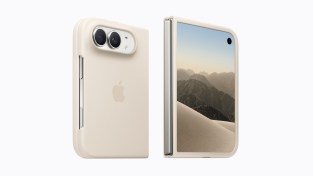
For users who prefer a more streamlined experience, Apple has released the standard iPhone Duo case. Unlike the Folio, this model is designed to be exceptionally thin and lightweight, adhering to the design philosophy of "minimalist protection." Available in sand and navy blue, the case utilizes a two-part construction that snaps securely around the folding chassis of the device.
This two-part design is a deliberate engineering choice. Because the iPhone Duo features a folding hinge, a single-piece case would struggle to maintain structural rigidity while allowing for the necessary motion. By dividing the case into two separate sections, Apple ensures that the hinge remains unobstructed while the upper and lower halves of the phone are fully protected against drops and surface scratches. The case is designed to be unobtrusive, maintaining the phone’s ergonomic balance while adding a layer of impact resistance.
Technical Specifications and Ecosystem Integration
A critical component of these new accessories is their seamless integration with Apple’s existing wireless charging ecosystem. Both the iPhone Duo Folio and the standard case are fully compatible with MagSafe, Qi2 25W, and Qi-certified charging hardware. The integration of high-density magnets within the case materials ensures a precise alignment with the iPhone Duo’s internal wireless charging coils.
According to Apple’s technical documentation, this alignment is not merely for convenience; it is essential for achieving the 25W wireless charging speeds supported by the Qi2 standard. The magnets minimize energy loss caused by misalignment, offering a "magical attach experience" that has become a hallmark of the MagSafe brand. This ensures that even with the added thickness of the case, the phone maintains efficient heat dissipation and charging performance.
Pricing and Market Positioning
The pricing strategy for these accessories reflects their position within the premium smartphone market. The iPhone Duo Folio is priced at $129 / £129 / €149, while the standard iPhone Duo case is set at $79 / £79 / €89. These price points align with Apple’s historical pricing for premium first-party accessories, signaling to the market that the company views the iPhone Duo as a high-end product.
Analysts suggest that by pricing these accessories at this level, Apple is banking on high customer attachment rates. Given the high initial investment cost of the iPhone Duo, consumers are statistically more likely to opt for official accessories that guarantee compatibility and warranty protection, rather than risking damage with cheaper, unverified third-party alternatives.
Implications for the Foldable Market
The release of these accessories carries broader implications for the foldable smartphone market. First, it validates the durability concerns that have historically plagued early foldable devices. By providing official protective gear from day one, Apple is signaling to the consumer that the iPhone Duo is a mature, reliable device designed for daily use.
Second, the design of these cases offers a glimpse into how Apple plans to manage the "hinge problem." By creating a two-part case that accommodates the folding action, Apple is setting a design template that other manufacturers will likely emulate. This standardization of protective form factors is a necessary step for the widespread adoption of foldable technology.
Finally, the focus on MagSafe and Qi2 integration across these cases highlights Apple’s ongoing commitment to a universal charging ecosystem. As the industry moves toward faster wireless charging, ensuring that cases do not act as an impediment to power transfer is a significant technical achievement.
Looking Ahead: The Future of Apple Accessories
As Apple continues to iterate on the iPhone Duo, the accessory ecosystem will likely expand to include battery packs, specialized mounts, and perhaps even modular attachments that utilize the phone’s unique folding capabilities. The current launch is merely the first phase of this development.
For now, consumers who purchase the iPhone Duo are provided with a clear path to protecting their device. Whether opting for the utility of the Folio or the minimalism of the standard case, users have access to high-quality, engineered solutions that honor the device’s design. As the market for foldable smartphones continues to grow, Apple’s strategy of releasing highly integrated accessories will likely remain a key differentiator, setting a benchmark for quality and compatibility that the rest of the industry will continue to monitor closely.
The launch of these cases underscores the company’s objective: to make the radical transition to a folding form factor feel as natural and secure as the traditional candy-bar smartphones that have defined the last two decades of mobile communication. By investing heavily in the peripheral ecosystem, Apple is not just selling a phone; it is managing the transition of the entire mobile experience into a new, foldable future.