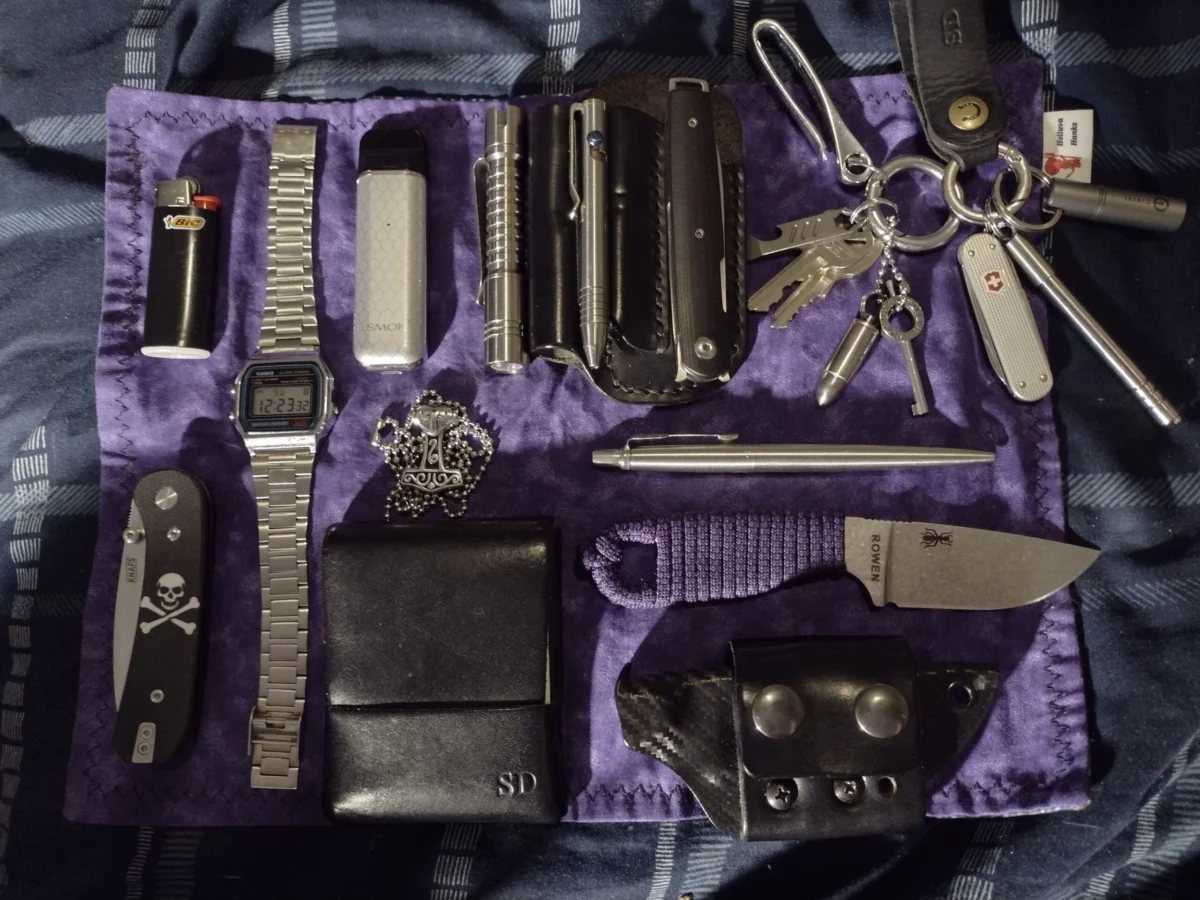
In the high-pressure environment of a commercial kitchen, where precision and efficiency are the primary currencies, the tools a professional chooses to carry off-duty often reflect a need for reliability and specialized function. For Stephen, a full-time cook based in Minnesota, the transition from culinary steel to everyday carry (EDC) gear is defined by a strict separation of purpose. In the culinary industry, cross-contamination is a fundamental hazard, and this professional standard of hygiene has fundamentally influenced how Stephen curates his personal pocket dump. By maintaining a clear boundary between food-safe culinary implements and utility-grade tools, he ensures that his daily carry kit remains specialized for the rigors of modern life, box-cutting, and general utility without compromising the sanitary standards of his profession.
The Philosophy of Purpose-Driven Gear
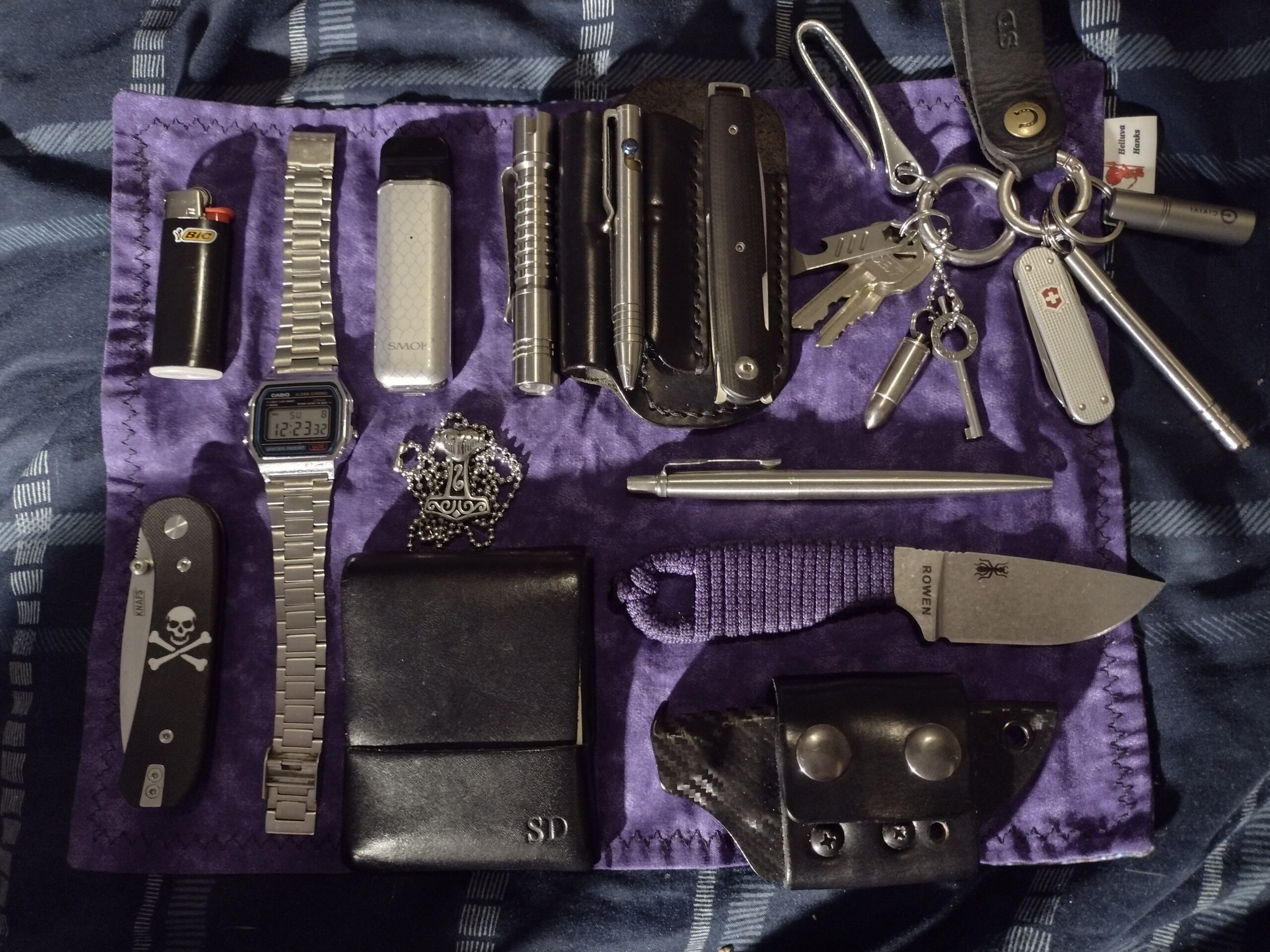
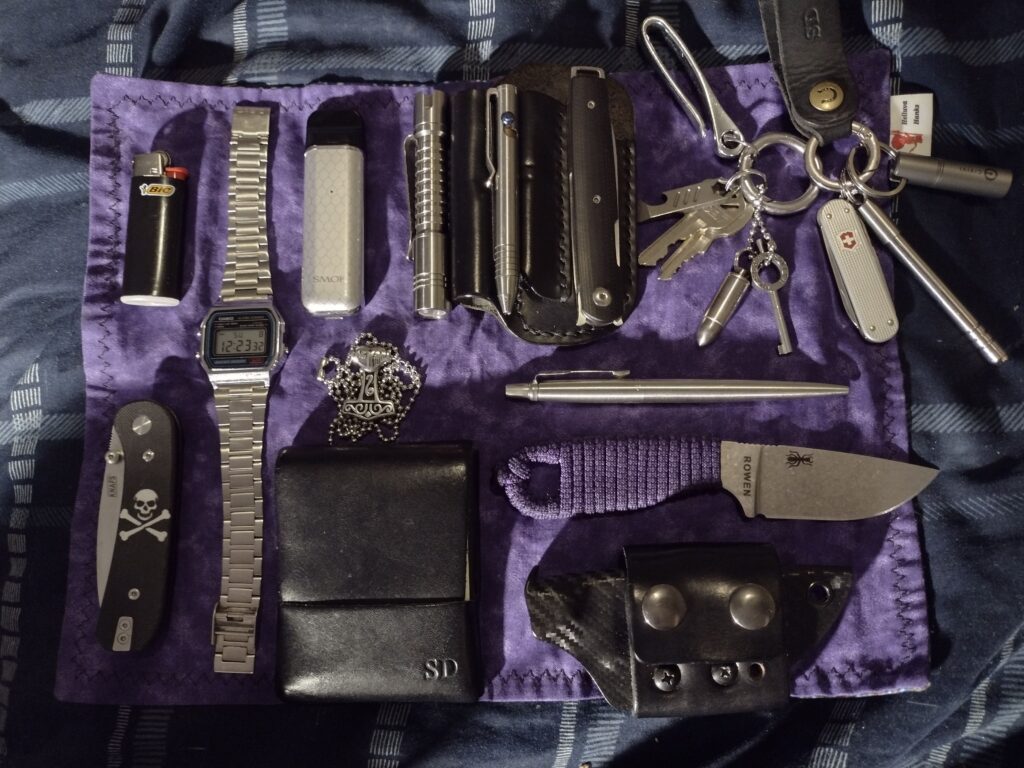
The modern EDC movement has evolved from a niche hobby into a study of utility, ergonomics, and material science. Stephen’s kit, which includes a diverse array of four knives, exemplifies the trend of "task-specific carry." In an interview regarding his gear selection, Stephen noted that his carry consists of three folding knives and one fixed-blade knife—the ESEE Izula—which serves as his primary workhorse.
The rationale for carrying multiple cutting tools stems from the varying demands of a busy workday. While a cook may handle hundreds of pounds of food, their non-culinary tasks—opening shipments, breaking down cardboard boxes, and performing minor maintenance—require blades that are not subjected to the intense sharpening and maintenance regimens of kitchen cutlery. By diversifying his carry, Stephen preserves his specialized culinary tools for the kitchen while reserving his EDC knives for the abrasive and often dulling tasks that characterize warehouse or logistics-based utility.
Technical Analysis of the Selected Loadout
The selection of gear highlighted in Stephen’s collection provides a cross-section of current market trends in personal utility. His inclusion of the Parker Jotter, a stainless-steel icon of stationery, contrasted with a premium titanium bolt-action pen, represents a common dichotomy in the EDC community: the balance between budget-friendly, high-performance staples and luxury, high-durability items.
The ESEE Izula, specifically the S35VN steel variant, is a significant choice for a daily carry fixed blade. S35VN, a martensitic stainless steel, is renowned for its balance of edge retention, toughness, and ease of sharpening. In a professional context, where a tool must function under unpredictable conditions, the choice of a high-end powder metallurgy steel like S35VN indicates a user who prioritizes longevity and performance over mere aesthetics. The use of leather sheaths and keychain-integrated organization systems further suggests a focus on weight distribution and accessibility, preventing the "clutter" effect that often plagues multi-item carry setups.
Chronology of the Everyday Carry Movement
The concept of "Everyday Carry" has roots that extend back to the early 20th century, though the modern iteration gained significant traction following the rise of online forums in the early 2000s. The 2010s saw the formalization of the movement, with digital platforms dedicated to cataloging the contents of pockets and bags.
- 2005–2010: Emergence of online communities focused on "pocket dumps" and survivalist preparedness.
- 2012–2016: Integration of high-end materials like titanium, carbon fiber, and G10 into mass-market consumer goods.
- 2018–2022: The professionalization of EDC, with a shift toward "minimalist" and "urban professional" aesthetics.
- 2023–Present: A focus on supply chain transparency, domestic manufacturing, and the integration of tech-forward tools alongside traditional steel.
Stephen’s inclusion of American-made gear, such as the ESEE Izula, aligns with a broader consumer preference for domestic manufacturing within the cutlery industry. This preference is often driven by a desire for quality control and the availability of robust warranty programs, which are essential for tools intended for lifetime use.
Economic and Practical Implications
The market for EDC gear has experienced consistent growth, with analysts noting that consumers are increasingly willing to pay a premium for high-grade metallurgy and precision engineering. The economic impact of this trend is visible in the proliferation of independent knife makers and boutique accessory manufacturers. For a professional like Stephen, investing in quality tools represents an upfront cost that is offset by the reduced frequency of replacement.
From a practical standpoint, the methodology of "hanging gear off the body"—using clips and lanyards—serves as a solution to the limitations of standard garment pockets. By offloading weight from the pockets to a belt-mounted or keychain-based system, users can carry more substantial gear without hindering their mobility. This is particularly relevant for individuals in service industries who are frequently on their feet and require tools that are easily accessible with one hand.
Professional Standards and Safety
In the culinary sector, the risk of cross-contamination is a primary focus of health inspections and internal safety audits. Stephen’s strict adherence to keeping his EDC blades away from food prep areas is not merely a preference; it is an extension of professional discipline. In the food industry, tools used for non-food purposes are considered potential sources of chemical or physical contamination. By maintaining a secondary, non-food-contact kit, professionals in the culinary arts avoid the accidental introduction of lubricants, blade coatings, or debris into the food chain.
This professional boundary serves as a case study in tool management. Whether in a kitchen, a workshop, or an office, the segregation of tools based on their specific application environments prevents premature degradation of the equipment and ensures compliance with safety standards.

Broader Impact on Personal Preparedness
The trend of curating an EDC kit reflects a broader societal shift toward individual self-reliance. While the items chosen vary based on geography and profession, the underlying motive remains constant: the desire to be equipped for common, everyday problems. Whether it is a delivery package that needs opening or a minor task requiring a precise tool, the EDC enthusiast aims to bridge the gap between "having nothing" and "having everything."
The feedback from industry editors regarding Stephen’s collection underscores the importance of intentionality. It is not enough to simply carry items; they must be chosen with an understanding of their function, cost-to-value ratio, and ergonomic fit for the individual. The praise directed at his combination of high-value items (like the Parker Jotter) and premium specialized gear (like the titanium bolt-action pen) highlights a sophisticated approach to collecting that balances financial prudence with an appreciation for superior engineering.
Future Outlook
As materials science continues to advance, the EDC community can expect to see further integration of exotic materials such as zirconium, damascus steel, and advanced ceramics into daily carry items. Furthermore, the emphasis on modularity—whereby a single sheath or keychain system can accommodate multiple different tools—will likely remain the gold standard for those who wish to maintain a lean, efficient kit.
For Stephen and other professionals who view their tools as extensions of their capability, the focus will remain on the intersection of form and function. As the demands of their respective professions evolve, their EDC kits will naturally shift to meet new requirements, ensuring that whether in the kitchen or in the field, they are prepared for the unexpected. The commitment to maintaining a professional standard of gear hygiene, coupled with a keen eye for quality, serves as a testament to the value of thoughtful preparation in an increasingly complex world. By documenting these collections, the EDC community provides a valuable resource for others seeking to refine their own kits, proving that even the most mundane daily tasks can be optimized through the careful selection of high-quality tools.