
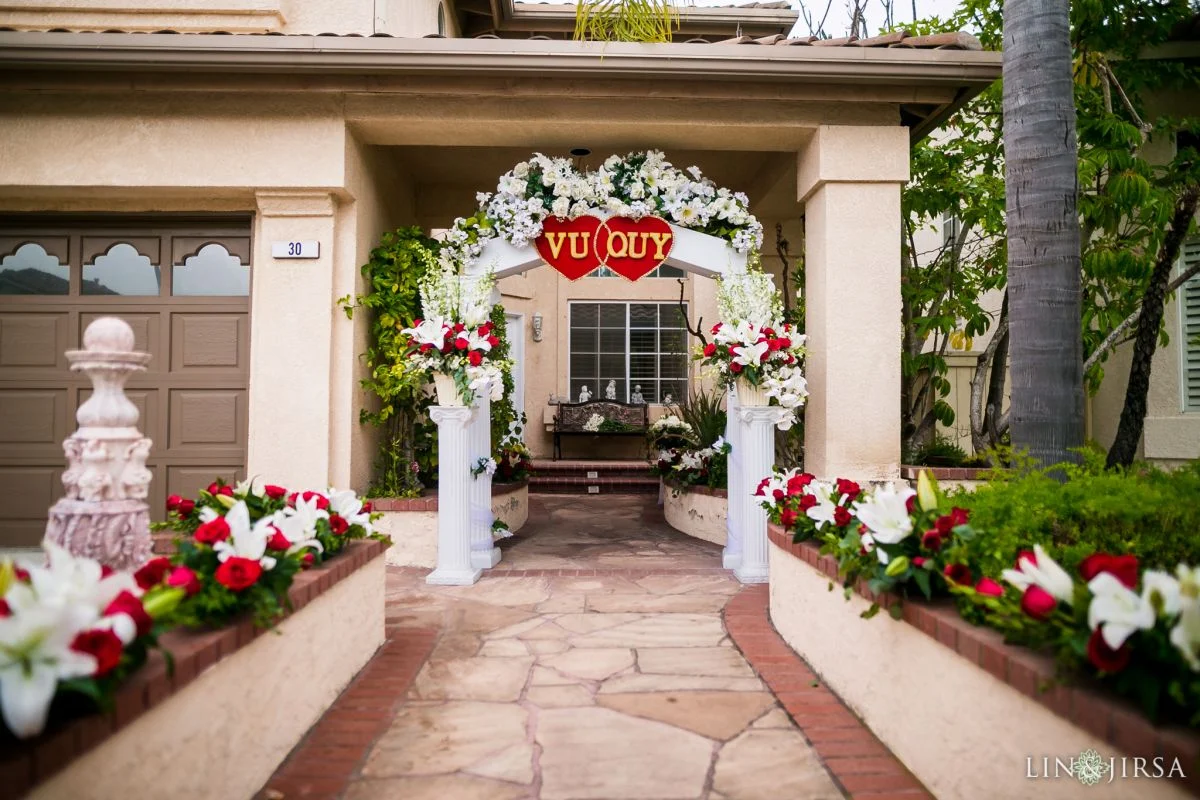
The traditional tea ceremony, a cornerstone of many Chinese, Vietnamese, and broader Asian weddings, is far more than a mere ritual; it is a deeply symbolic act of respect, commitment, and family union. As photographers and cinematographers, understanding and skillfully documenting this intricate tradition is paramount to preserving its emotional resonance and cultural significance for generations to come. This guide aims to equip visual storytellers with the knowledge and insights necessary to capture the essence of the tea ceremony, from navigating its unique timelines to appreciating its profound emotional weight.

Understanding the Nuances and Variations of the Tea Ceremony
The tea ceremony’s execution can vary significantly based on regional customs, family traditions, and the specific couple’s preferences. While commonly held at the bride’s residence, its venue can extend to hotel ballrooms, serene gardens, or dedicated wedding ceremony sites. A key aspect for photographers to grasp is the potential for multiple ceremonies. For instance, some Vietnamese couples may host distinct ceremonies at both the bride’s and groom’s family homes, each with its own set of rituals and participants. In other instances, particularly when a couple bridges different cultural backgrounds, the tea ceremony might be seamlessly integrated into the main wedding ceremony itself, rather than being a standalone event.

This adaptability necessitates a keen awareness of the wedding day’s schedule. As the creative professional, memorizing and internalizing the timeline is crucial, but so is maintaining flexibility for spontaneous adjustments or requests. When multiple ceremonies and outfit changes are anticipated, ensuring adequate time for comprehensive coverage, including preparation for each attire, becomes a priority. The logistical challenges of travel, especially in densely populated urban areas, can also significantly impact the day’s flow. Consequently, it is not uncommon for Chinese or Vietnamese wedding coverage to span between 12 and 18 hours, demanding stamina and meticulous planning.
A typical order of events within a tea ceremony often includes:

- The Procession: Family members, elders, and the bridal party gather.
- The Welcome: The couple formally enters the ceremony space.
- Serving Tea: The bride and groom, in turn, serve tea to their parents and other senior relatives, often kneeling as a sign of respect. This is a pivotal moment, symbolizing the couple’s acknowledgment and honor of their families’ blessings and guidance.
- Receiving Blessings and Gifts: Following the tea service, elders offer blessings and present gifts, which may include jewelry, money in red envelopes (hongbao), or symbolic items.
- Toasting and Acknowledgment: The couple may share a toast with their families, further solidifying their union and acceptance into each other’s families.
- Formal Introduction of the Couple: In some traditions, the couple might formally introduce themselves and their commitment to each other.
- Farewell and Transition: The ceremony concludes with the bride’s symbolic departure from her maternal home and her transition to her new life with her husband.
Navigating Diverse Environments and Intimate Spaces
The tea ceremony frequently unfolds within the domestic sphere, most commonly the bride’s living room. These environments can range from meticulously decorated, visually striking spaces to more everyday settings that might include personal belongings, televisions, or children’s toys. Photographers must possess the adaptability to work effectively in any of these scenarios. This involves employing compositional techniques and lighting skills to draw attention to the focal points of the ceremony while artfully downplaying or obscuring distracting elements. The goal is to create a narrative that highlights the beauty and significance of the ritual, regardless of the backdrop.

The intimate nature of the tea ceremony often means a large number of family members and friends converge in relatively confined spaces, such as living rooms or hotel suites. Photographers must be prepared for these close quarters. Assertiveness, coupled with politeness, is key to securing optimal vantage points without disrupting the flow of the ceremony. A versatile lens, such as a 24-70mm, can be invaluable in such situations, allowing for a range of shots from wider environmental captures to tighter portraits.
Strategic Angles and the Art of Observation

When working solo, prioritizing angles that emphasize the people the bride and groom are serving is often more impactful than focusing solely on the couple. This perspective underscores the ceremony’s core purpose: showing respect and gratitude to family elders. For teams with multiple shooters, the opportunity arises to capture both the couple’s actions and the reactions and emotions of the guests they are honoring. This dual perspective provides a richer, more comprehensive visual story.
The importance of capturing a variety of perspectives cannot be overstated. While wide shots establish the scene, tightly cropped images often reveal the nuanced emotions and details that define the experience. These close-up shots, focusing on hands exchanging tea, the gentle placement of jewelry, or the subtle gestures of affection, can be incredibly powerful storytelling tools. This is particularly true when the surrounding environment is less photogenic; a tight crop can isolate the meaningful elements and elevate them.

The Heart of the Ceremony: Emotion and Detail
In many traditional Asian cultures, the tea ceremony marks the actual moment the couple is officially considered married in the eyes of their families. It represents a profound transition, signifying the bride’s departure from her birth family and her integration into her new family unit. This deeply emotional juncture can evoke a spectrum of feelings, from profound joy and anticipation to poignant sadness as families navigate this significant life change. Photographers must be attuned to these emotional currents, ready to document the tears, smiles, and tender embraces that punctuate the ceremony. The ability to anticipate and capture these fleeting moments of raw emotion is what elevates wedding photography from mere documentation to authentic storytelling.

Beyond the grand gestures and emotional exchanges, the details of the tea ceremony are equally significant. The intricate patterns on the teacups, the delicate floral arrangements, the traditional attire, and the symbolic gifts all contribute to the visual tapestry of the event. Capturing these elements with intention and creativity adds depth and context to the narrative. A close-up of a grandmother’s hands receiving tea from her grandson, or the gleam of a new piece of jewelry being placed on the bride’s finger, can speak volumes about tradition, love, and familial bonds.
Preserving Memories: Portraits and the Passage of Time

A critical juncture for portraiture often occurs immediately following the tea ceremony. In many instances, the couple will transition from their traditional ceremonial attire into Western-style wedding gowns. Therefore, it is imperative to schedule dedicated time before this change to capture all desired individual and couple portraits. This period, often coinciding with a post-ceremony lunch, provides a valuable opportunity to pull the couple aside for a focused portrait session while guests are engaged in their meal. These portraits serve as enduring mementos of the day’s significant traditional rituals and the couple’s commitment.
Conclusion: Documenting a Legacy of Love and Respect

The tea ceremony is a profound cultural tradition that beautifully encapsulates the values of respect, family, and enduring commitment. For photographers and cinematographers, approaching this ritual with a deep understanding of its significance, meticulous planning, and an empathetic eye for emotion is paramount. By mastering the nuances of the timeline, adapting to diverse environments, strategically framing the narrative, and focusing on both the grand gestures and the intimate details, visual storytellers can create a lasting legacy of these cherished moments for the couple and their families. As the wedding landscape continues to evolve, the tea ceremony remains a powerful testament to the enduring strength of tradition and the universal language of love and familial connection.


