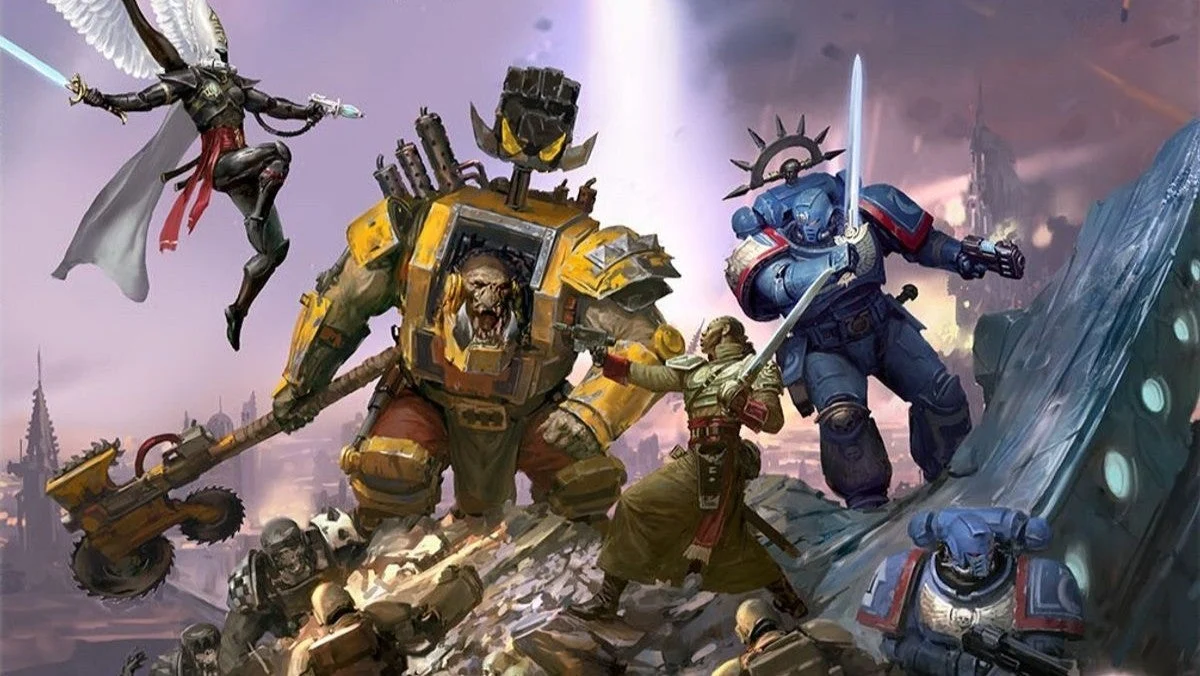
Creative Assembly has provided an in-depth look at the highly anticipated Total War: Warhammer 40,000, revealing a significant overhaul to the series’ long-standing combat paradigms, particularly concerning ranged engagements. During a recent developer livestream, the studio showcased a visceral clash between the Imperium of Man and the rampaging Orks, offering granular details on how iconic elements like drop pods, flamers, and intricate evasion statistics will redefine battlefield strategy in the grim darkness of the far future. This presentation signals a deliberate departure from the traditional "archers behind spearmen" formations characteristic of previous Total War titles, promising a more dynamic, autonomous, and tactically nuanced approach to ranged warfare.
A New Era for Total War Combat: Embracing the 41st Millennium
The livestream, which spanned over an hour and a half, served as the primary platform for Creative Assembly to articulate their vision for adapting Games Workshop’s iconic Warhammer 40,000 universe into the grand strategy framework of Total War. The core message underscored a strategic pivot: units in Total War: Warhammer 40,000 will exhibit enhanced autonomy, greater tactical flexibility, and more intelligent targeting protocols. This evolution is designed to reflect the rapid, often brutal, and highly specialized nature of warfare in the 41st Millennium, where projectile weapons, advanced technology, and devastating area-of-effect armaments dominate engagements.
Historically, Total War games have placed a strong emphasis on melee combat, with ranged units often serving as support or initial skirmishers before the main lines clashed. The Warhammer Fantasy trilogy introduced powerful magical abilities and monstrous ranged units, yet the fundamental rock-paper-scissors dynamic often revolved around unit mass and direct confrontation. Total War: Warhammer 40,000 appears poised to fundamentally disrupt this established formula, necessitating a complete re-evaluation of strategic thinking for veteran players. The transition to a universe where bolters, lasguns, and plasma cannons are ubiquitous demands a system that can accurately simulate the lethality and tactical complexity of such weaponry.
Chronology of Anticipation: From Fantasy to Far Future
The journey towards Total War: Warhammer 40,000 has been a long one, marked by years of community speculation and fervent requests. Creative Assembly’s successful Total War: Warhammer trilogy, which concluded with Total War: Warhammer III, proved the viability and immense popularity of adapting a fantasy intellectual property into their strategic framework. The fantasy trilogy garnered critical acclaim for its innovative faction design, diverse unit rosters, and the seamless integration of magic and monstrous units into the Total War engine. This success naturally fueled expectations for a Warhammer 40,000 iteration, a universe renowned for its sprawling lore, iconic factions, and, crucially, its heavy reliance on ranged combat.
While specific development timelines for Total War: Warhammer 40,000 remain under wraps, the emergence of this livestream and detailed gameplay discussions indicates that the project has reached a significant stage of internal development. Early teasers and cryptic hints from Creative Assembly over the past year have gradually built anticipation, culminating in this detailed reveal of core combat mechanics. This phased approach, typical for major Total War titles, allows the developers to manage expectations and gradually introduce players to the profound changes that will define this new entry. The focus on ranged combat in this initial deep dive is particularly telling, as it addresses one of the most significant design challenges and potential differentiators for the game.
Deep Dive into Enhanced Ranged Combat Mechanics
The developer presentation highlighted several key innovations set to revolutionize ranged combat:
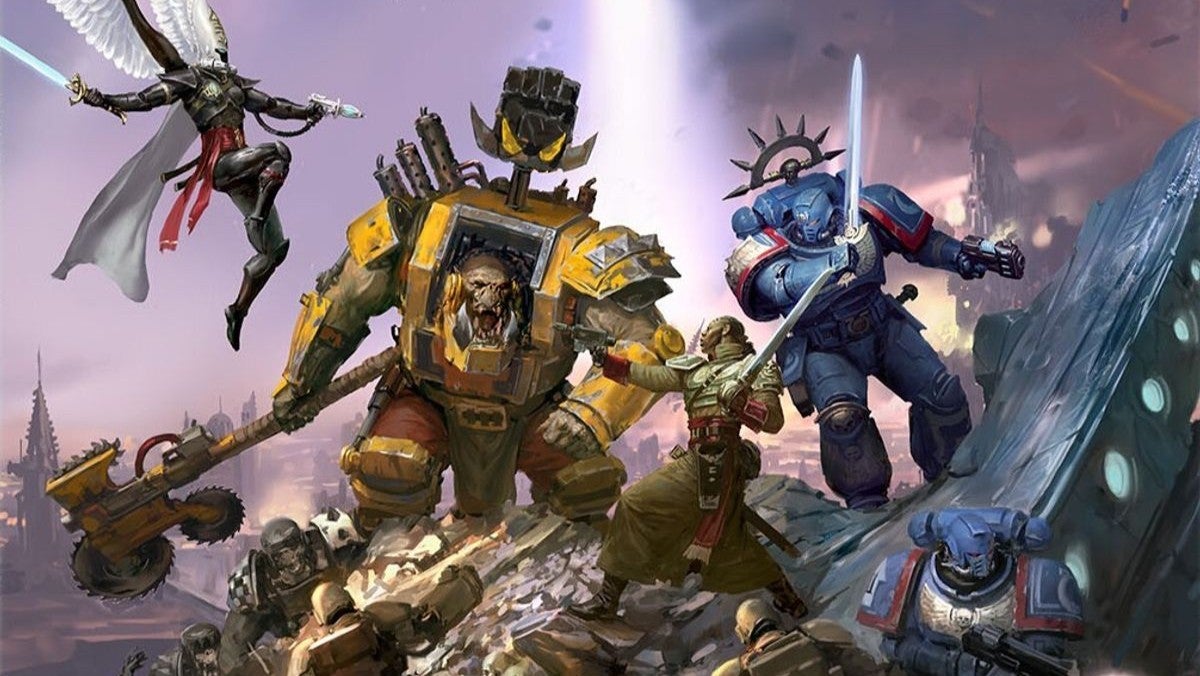
- Combined Arms and Specialization: Echoing the tactical depth of the Warhammer 40,000 tabletop game, army composition in Total War: Warhammer 40,000 will heavily feature combined arms forces. Players will assemble specialists such as Commissars for morale boosts, various infantry types, and diverse vehicle support. Each individual warrior within a unit can be equipped with a range of weapons, dynamically switching between them based on combat context. For example, a Space Marine squad might utilize boltguns for general engagements but switch to flamers for close-quarters crowd control or meltaguns against armored targets. This level of granular control and adaptability within units represents a significant upgrade from previous titles.
- Intelligent Weapon Switching and Targeting: Vehicles, a cornerstone of 40k warfare, will similarly feature multiple weapon hardpoints – from bolters and heavy stubbers to rocket pods and battle cannons. The game’s AI will intelligently prioritize targets, unleashing the most appropriate weapon against specific enemy types. This translates into more realistic and tactically sound engagements, where anti-infantry weapons are directed at infantry, and anti-armor weapons engage vehicles or heavily armored units.
- Sweeping Fire and Suppression: Certain units will possess a "sweeping fire" option, allowing them to spread damage across a larger quantity of attacking enemies. This mechanic is crucial for managing hordes, particularly against numerous Ork boyz or Tyranid swarms, and provides a defensive counter to being overwhelmed. Furthermore, units can actively "suppress" attackers, imposing temporary stat cuts that reflect the psychological and physical impact of sustained enemy fire. Suppression mechanics are vital for battlefield control, allowing players to disrupt enemy advances and create tactical windows.
- Organic Context-Driven Engagement: A standout feature is the enhanced organic and context-driven approach to combat. Troops will automatically switch to appropriate ranged fire even during melee engagements if equipped with suitable close-quarters weapons like shotguns or pistols. This eliminates the rigid distinction between melee and ranged phases, creating more fluid and realistic firefights. The game also simulates individual character behavior with unprecedented complexity, where individual soldiers within a unit will target other individual soldiers based on their specific weapons and the prevailing battlefield conditions. This micro-level simulation promises a level of realism and tactical depth previously unseen in the Total War series.
- Dispersed Fire and All-Direction Defense: Unlike previous Total War iterations where units often focused fire on a single enemy block, Total War: Warhammer 40,000 units will realistically smear their fire across several enemy units, especially when facing multiple threats. When a unit is enveloped or attacked from several directions, its gun-wielding soldiers will intelligently defend themselves in all directions, preventing easy flanking maneuvers and adding a layer of strategic challenge for encircling forces.
- Individual Line of Sight and Magazine Tracking: A truly ambitious undertaking, line of sight (LoS) is simulated from individual soldier to individual soldier, rather than simply on a unit-wide basis. This means that terrain, cover, and other units will block sightlines for individual models, forcing players to think critically about unit placement and engagement angles. Coupled with this, the game will track the contents of individual magazines, a detail that, while potentially abstract, contributes to the overall sense of realism and resource management. While it’s unlikely players will be micromanaging reloads, the underlying simulation will inform unit readiness and combat effectiveness.
- Fire-on-the-Move and Unit Doctrines: Units can now fire and perform other actions while on the move, though with an expected accuracy penalty. This introduces a critical layer of tactical mobility. However, accuracy penalties will vary based on unit type and context; for instance, Space Marines, renowned for their disciplined combat doctrines, will be adept at strafing and maintaining some accuracy while moving, whereas Imperial Guard units might prefer to "dig in" and establish static firing lines for maximum effect. This differentiation reinforces the unique combat styles of each faction.
- The ‘Sentry’ Feature and Environmental Interaction: A highly appealing "Sentry" feature allows players to priority-target an approaching enemy unit even before it enters optimal shooting range. This pre-emptive targeting is invaluable for setting up ambushes or concentrating fire on high-threat targets. Cover will be paramount, with elevated positions offering significant advantages. Furthermore, environmental destruction plays a critical role. Players can dynamically destroy buildings to deny cover to enemies or create fresh craters and defensive positions for their own forces. This dynamic terrain manipulation adds a new strategic dimension, allowing players to reshape the battlefield to their advantage.
Broader Implications for Strategy and Gameplay
These extensive changes signal a profound shift in Total War gameplay. The traditional reliance on static battle lines and methodical advances will likely give way to more fluid, fast-paced engagements reminiscent of real-time strategy games like Relic Entertainment’s Dawn of War series, which previously explored the Warhammer 40,000 universe. The emphasis on individual soldier behavior, dynamic targeting, and responsive unit actions will demand greater micro-management and on-the-fly decision-making from players.
The increased autonomy of units means players can potentially focus on broader strategic objectives while their units handle localized engagements more intelligently. However, the depth of individual line of sight and magazine tracking suggests that meticulous positioning and resource management will be rewarded. A player who understands the nuances of each unit’s weaponry, mobility, and defensive capabilities will undoubtedly gain a significant advantage.
For the Imperium, this could mean carefully orchestrating combined arms assaults, utilizing Space Marine mobility to flank while Imperial Guard heavy weapons provide suppressing fire. For the Orks, it could translate into overwhelming waves of disciplined, though perhaps less accurate, ranged fire, relying on sheer numbers and the "Waaagh!" energy to break enemy lines. The Eldar, hinted at by Creative Assembly as playing "totally differently to anything we’ve ever done," will likely leverage their speed, precision, and advanced psychic abilities in ways that capitalize on these new ranged mechanics. Their focus on hit-and-run tactics and superior technology could make them masters of flanking and exploiting individual line of sight.
The Challenges and Vision of Creative Assembly
Adapting the Warhammer 40,000 universe to Total War presents unique challenges, primarily due to the setting’s inherent focus on ranged warfare and futuristic technology, contrasting with Total War‘s historical roots. Creative Assembly has openly acknowledged this, stating that the game requires the "biggest mental shift for the strategy series in years." Their approach, as demonstrated in the livestream, is not merely to overlay 40k skins onto existing mechanics but to fundamentally reimagine core systems to fit the universe.
The development team’s commitment to simulating individual character behavior, dynamic weapon switching, and detailed line of sight suggests a strong desire to deliver an authentic Warhammer 40,000 experience. This level of detail, while complex to implement, is crucial for capturing the feel of a universe where every bolter round, every lasgun shot, and every flamethrower burst matters. The destruction of cover and the creation of defensive positions also speak to a design philosophy that prioritizes player agency and environmental interaction.
Community Reception and Future Outlook
The initial reaction from the Total War and Warhammer 40,000 communities is likely to be one of cautious optimism. The detailed breakdown of ranged combat mechanics addresses a primary concern many had about how the series would handle a gun-centric universe. The promise of intelligent unit behavior, flexible weaponry, and dynamic environments is highly appealing. However, the true test will come with hands-on experience, as players assess how these complex systems translate into enjoyable and balanced gameplay on a large scale.
As development continues, fans will undoubtedly be eager for further revelations regarding other factions, the campaign map mechanics, and the overall strategic layer. The mention of Eldar playing "totally differently" indicates a commitment to unique faction identities, a hallmark of the successful Total War: Warhammer trilogy. The success of Total War: Warhammer 40,000 will hinge on Creative Assembly’s ability to not only deliver on these ambitious combat mechanics but also to weave them into a compelling grand strategy experience that honors the vast and beloved lore of the 41st Millennium. The journey from fantasy to sci-fi is fraught with peril, but Creative Assembly appears to be charting a course that promises to be both innovative and deeply immersive.