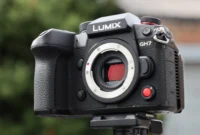
Navigating the landscape of interchangeable-lens cameras for the first time can be an unexpectedly daunting endeavor, often because marketing strategies subtly steer potential buyers toward superficial comparisons. The focus frequently lands on megapixel counts and burst shooting speeds – numbers that hold minimal significance for newcomers to the photography world. The true crux of the decision lies not in these quantifiable specifications, but in the underlying commitment to a brand’s system. This choice dictates a future ecosystem of lenses and accessories that will far outlive the initial camera body. Making the right system choice ensures that almost any current camera within that ecosystem will adequately serve your needs. Conversely, a misstep in system selection can lead to a feeling of creative confinement as soon as the desire for a second lens arises. This comprehensive guide aims to demystify the decision-making process, helping you select a camera that will foster your photographic journey rather than hinder it.
Understanding the True Nature of Your Purchase: Beyond the Body
At its core, purchasing an interchangeable-lens camera is not merely acquiring a device; it’s an investment in a specific lens mount. This mount is the standardized physical and electronic interface between a camera body and its lenses. Each major manufacturer employs its unique mount, and while adapters can bridge some gaps, they often introduce compromises in performance and functionality. Canon utilizes the RF mount for its newer mirrorless cameras, Nikon employs the Z mount, Sony has established its E mount, and Fujifilm utilizes the X mount. Notably, OM System and Panasonic cameras share the Micro Four Thirds mount.
When you acquire a camera body, you are implicitly committing to the lens catalog associated with that particular mount for the duration of your engagement with the system. Transitioning to a different system later necessitates the costly process of selling and repurchasing your entire lens collection – a financial pitfall that many beginners inadvertently fall into. This is precisely why the camera body, while important, is often overemphasized for new photographers compared to the enduring value of the lens ecosystem.
A camera body typically represents a three-to-five-year investment. In contrast, a high-quality lens can remain a valuable asset for decades, seamlessly transitioning between multiple camera bodies as your photographic needs evolve. Therefore, the fundamental question for any aspiring photographer should not be "Which camera takes the best photos?" as most modern cameras at this level are exceptionally capable. Instead, the pivotal question is: "Which system offers the lenses I will desire, at price points I can afford, both now and in the foreseeable future?" Answering this question first will largely dictate the optimal camera body choice.
The Crucial Decision: Sensor Size and Its Implications
Among the technical specifications, sensor size stands out as a critical factor that warrants careful consideration. It profoundly influences the cost, physical dimensions, and the aesthetic character of your images more than any other single component. For a first-time camera purchase, three primary sensor sizes are realistically viable:
APS-C: The Ideal Starting Point for Most
APS-C sensors represent the sweet spot for the vast majority of beginners, and it is the sensor size this guide would recommend to nearly everyone embarking on their photographic journey. These sensors are substantial enough to deliver excellent image quality, robust low-light performance, and the ability to achieve genuinely shallow depth of field for pleasing background blur. Crucially, camera bodies and lenses designed around APS-C sensors tend to be smaller, lighter, and significantly more affordable than their full-frame counterparts. Canon, Nikon, and Fujifilm all base their most accessible camera lines on this sensor format. While Sony also produces APS-C E-mount cameras, its most budget-friendly entry points into the E-mount system are often its full-frame a7 models, rather than its crop-sensor lineup. For the overwhelming majority of first-time buyers, APS-C presents the most logical and advantageous choice.
Full Frame: Professional Power with a Premium Price Tag
Full-frame sensors, often favored by professional photographers, are not inherently a poor choice for beginners, but they frequently represent a suboptimal allocation of financial resources. A full-frame sensor gathers more light, offering a slight advantage in low-light performance and greater control over depth of field. However, this comes at a substantial cost, with both bodies and lenses commanding significantly higher prices. The common pitfall for beginners is allocating their entire budget to an expensive full-frame body, leaving insufficient funds for a quality lens. This scenario results in a less capable overall imaging system than a photographer who opted for an APS-C body paired with a sharp prime lens for the same total expenditure. A beginner acquiring a full-frame body with only a mediocre kit lens often ends up with a less satisfying photographic experience than someone who made a more strategic investment in an APS-C system.
Micro Four Thirds: Compactness and Stabilization on a Budget
Micro Four Thirds (MFT) is the smallest of the three common sensor sizes, utilized by camera manufacturers OM System and Panasonic. This format is worth serious consideration for a specific demographic of photographers. The smaller sensor size incurs a slight trade-off in low-light performance and background blur capabilities. However, the significant benefits include genuinely compact camera bodies and lenses, in-body image stabilization even in entry-level models, and an extensive, affordable used lens market. If the primary objective is to assemble a small, portable kit that will be consistently carried, or if budget-friendly image stabilization is a key requirement, Micro Four Thirds deserves its place in the conversation, despite being less frequently discussed than its larger-sensor counterparts.
Dissecting the Specifications: What Truly Matters and What Doesn’t
Camera marketing often relies on impressive-sounding numbers that, in practice, have minimal impact on a beginner’s photographic experience. However, a few specifications do hold genuine importance for new users.
Essential Features for Beginners:
- Autofocus Performance: Modern autofocus systems, particularly those with subject detection and tracking capabilities powered by advanced processors, offer a tangible advantage. These systems can transform missed shots into keepers, especially when photographing dynamic subjects like children, pets, or fast-paced events. The speed and accuracy of autofocus are paramount for capturing fleeting moments.
- Viewfinder: The presence and quality of an electronic viewfinder (EVF) are more significant than often appreciated. Composing a shot with the camera held to your eye provides superior stability and is considerably easier in bright sunlight compared to relying solely on the rear LCD screen. A good viewfinder is one of the few features that genuinely justifies a higher expenditure.
- In-Body Image Stabilization (IBIS): While not always present in the most affordable beginner cameras, IBIS is a valuable feature that significantly aids in achieving sharper images in low-light conditions by compensating for camera shake. It’s a bonus that can enhance the usability of the camera in a wider range of scenarios.
Overhyped Specifications to Ignore:
- Megapixels: The difference between 20 and 24 megapixels, for instance, is virtually imperceptible in a real-world photograph and will not fundamentally alter the outcome of your shots. Marketing often inflates the importance of higher megapixel counts to suggest superior image quality, which is misleading for beginners.
- Burst Rates: Extremely high burst shooting rates are primarily beneficial for capturing rapid action, a scenario that most beginners do not encounter frequently in their early stages of photography. For everyday shooting, these speeds are largely superfluous.
- Advanced Video Specifications: Features like 6K recording or 10-bit Log video, while technically impressive on paper, do not contribute to learning the fundamentals of still photography. Prioritizing these video-centric features in a stills-first purchase can lead to acquiring an inappropriate tool for your primary goals.
The Lens Ecosystem: A Practical Examination
The true divergence between camera systems becomes apparent when examining their lens ecosystems. It is crucial to investigate this aspect thoroughly before committing to a brand.
Robust Third-Party Support:
Sony’s E-mount and Fujifilm’s X-mount systems benefit from extensive support from third-party lens manufacturers such as Sigma, Tamron, and Viltrox. This robust ecosystem translates into a wide array of high-quality, affordably priced lenses beyond those offered by the camera manufacturers themselves. For Fujifilm, this competition often drives down the cost of essential beginner lenses. In Sony’s case, the breadth of its E-mount lens catalog, encompassing both first-party and third-party options, serves as a long-term justification for investing in its full-frame a7 series. While the initial body cost may be higher, the extensive and competitively priced lens selection across the entire system offers significant value over years of ownership.
Manufacturer-Specific Considerations:
Canon has historically maintained a more restrictive approach to third-party lens development for its RF mount. Consequently, its range of more affordable APS-C lenses is somewhat limited, although options from Sigma and Tamron are beginning to emerge. Nikon’s dedicated APS-C lens lineup also faces similar limitations. However, both Canon and Nikon permit the mounting of their full-frame lenses onto their crop-sensor bodies, albeit with a crop factor applied. These factors do not render Canon or Nikon as inherently poor choices; both brands produce exceptional beginner cameras with superb color rendition and autofocus capabilities. The key takeaway is the necessity of researching the specific second and third lenses you envision acquiring and verifying their availability and price point before purchasing the camera body. The most common source of regret among new photographers is discovering that a desired lens simply does not exist for their chosen mount.
New vs. Used: Navigating the Market for Value
A brand-new camera comes with the assurance of a manufacturer’s warranty, the latest autofocus technology, and no prior history of wear and tear – benefits that are particularly valuable for beginners who may not yet possess the expertise to diagnose technical issues. For cameras purchased as gifts, the appeal of a new product is also undeniable.
However, the used market presents a compelling avenue for significant value, provided one navigates it judiciously. A camera from just a couple of generations prior can often be purchased at half the price of a new model, with minimal discernible difference in performance for a beginner. The used lens market, in particular, is a treasure trove of bargains, especially within established and mature camera systems.
The most prudent approach to buying used equipment involves sourcing from reputable dealers who rigorously inspect, grade, and warranty their stock, rather than engaging with anonymous private sellers. Established used camera specialists offer return windows and transparent grading systems, effectively mitigating most of the inherent risks. By purchasing a used camera body from a trusted vendor, beginners can often allocate the saved funds towards acquiring a significantly superior lens, which, in the end, almost invariably leads to better photographic outcomes.
Strategic Allocation of Funds: Prioritizing the Lens
The guiding principle for any first-time interchangeable-lens camera purchase should be: within your total budget, prioritize the lens over the camera body. While the camera body dictates the upper limits of convenience and autofocus performance, the lens is the primary determinant of image quality and creative control, and it possesses a far longer lifespan.
A well-conceived initial kit comprises a modest, current-generation camera body paired with one sharp, fast prime lens. This approach is demonstrably more beneficial than opting for a higher-end body equipped solely with a slow, basic kit zoom lens. While the bundled kit zoom is adequate for initial learning and offers convenience, a relatively inexpensive fast prime lens (such as a 35mm or 50mm equivalent) will impart a deeper understanding of light and depth of field, ultimately yielding superior images compared to what any expensive body alone can achieve.
Recommended Starting Points by System
Considering current pricing and availability as of mid-2026, the following represent sound entry points into various camera systems, predominantly focusing on APS-C sensors as advised. Sony remains an exception, with its most accessible E-mount options being full-frame. It is always advisable to confirm the latest pricing and stock availability before making a purchase, as these factors are subject to change.
Canon’s RF Mount System:
For beginners entering Canon’s RF mount ecosystem, the Canon EOS R100 serves as the most budget-friendly option, offering a significant upgrade from smartphone photography. However, it is a basic camera with limited handling features, including a fixed rear screen and older autofocus technology. The Canon EOS R50 is a more compelling choice for most Canon beginners, incorporating significantly improved subject-tracking autofocus, a fully articulating touchscreen, and enhanced handling ergonomics at a modest price increase. For those drawn to action photography, the Canon EOS R10 offers faster shooting capabilities and sits a step above the R50.
Nikon’s Z Mount System:
Within Nikon’s Z mount, the Nikon Z50 II stands out as an exceptional value proposition. It integrates advanced subject-detection autofocus and the powerful EXPEED 7 processor, typically found in Nikon’s higher-end models, into an accessible camera body. It features a bright viewfinder and excellent handling, justifying its slightly higher cost compared to the most basic entry-level options.
Sony’s E Mount System:
Sony’s entry points into the E-mount system are predominantly full-frame, making it the preferred choice for beginners who have deliberately opted for full-frame imaging and possess the requisite budget. The Sony a7 IV is a sensible and versatile all-rounder, featuring a 33-megapixel full-frame sensor and excellent autofocus performance. Its price has settled considerably below its initial launch cost, making it a strong contender for stills and video. The Sony a7C II offers the same sensor and autofocus capabilities in a more compact, travel-friendly body at a similar price point. For those seeking the latest advancements, the Sony a7 V represents the current flagship, boasting faster, professional-grade subject tracking at a higher price. While these models significantly exceed the cost of APS-C alternatives, they represent a deliberate full-frame commitment rather than a budget entry. The enduring appeal of Sony’s E-mount lies in its unparalleled lens catalog, particularly the extensive third-party selection, which becomes increasingly valuable over the long term.
Fujifilm’s X Mount System:
Fujifilm offers the compact and affordable Fujifilm X-M5, which is well-suited for hybrid (stills and video) shooters. However, its lack of a viewfinder is a notable drawback for beginners focused on developing their still photography skills. The Fujifilm X-T30 III rectifies this by including a viewfinder and the tactile exposure dials for which Fujifilm is renowned, albeit at a higher price. It is the superior choice for those eager to engage with photographic fundamentals through hands-on control.
Micro Four Thirds System:
In the Micro Four Thirds system, the OM System OM-D E-M10 Mark IV distinguishes itself as one of the few genuinely affordable beginner cameras offering in-body image stabilization. Housed in a compact and aesthetically pleasing body, it provides access to a vast and cost-effective Micro Four Thirds lens catalog.
The Definitive Conclusion: System First, Then Body
The fundamental takeaway for any aspiring photographer is to prioritize the selection of a camera system before settling on a specific body. This choice should be driven by the long-term lens options available rather than the immediate specifications displayed on a camera’s packaging. Unless there are compelling, specific reasons to deviate, the APS-C sensor size generally represents the most advantageous starting point.
Crucially, allocate your budget strategically, favoring investment in lenses over the camera body. While the body provides convenience and advanced autofocus features, the lens is the true enabler of image quality and creative expression, and its longevity far surpasses that of a camera body. A prudent initial kit consists of a competent, contemporary camera body complemented by a sharp, fast prime lens, rather than an overly elaborate body with only a basic kit zoom. The kit zoom, while convenient for initial exploration, cannot compare to the educational value and superior image output offered by an affordable fast prime lens, especially when learning about light and depth of field.
By adhering to these principles, the chosen camera will not be the limiting factor in your photographic development. The most effective first camera is one that resides within a system offering lenses that will facilitate your growth, with sufficient budget remaining for a lens that actively teaches you something new. Making this informed decision will allow you to focus on the art of photography itself, rather than being preoccupied with gear acquisition for years to come.