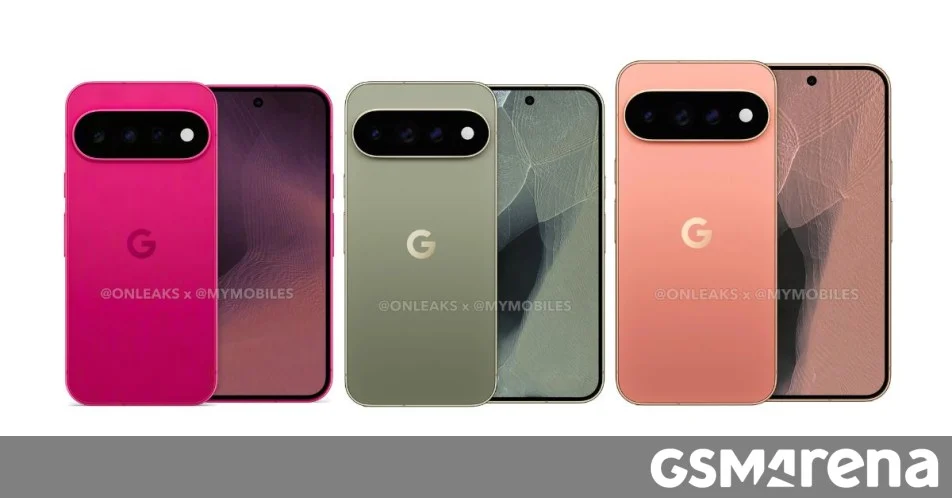
With Google’s highly anticipated Pixel 11 series launch merely weeks away, scheduled for August 12, a significant wave of leaks has pre-emptively unveiled nearly every detail about the forthcoming smartphone lineup. The latest in this series of disclosures specifically illuminates the complete color palettes for the standard Pixel 11, the more advanced Pixel 11 Pro, and the top-tier Pixel 11 Pro XL models, offering a comprehensive look at their aesthetic direction. These revelations, sourced from newly released renders shared by MyMobiles in collaboration with the renowned leaker OnLeaks, provide a clear indication of Google’s design strategy for its next generation of flagship devices.
Detailed Breakdown of the Pixel 11 Series Colorways
The leaked renders confirm that both the Pixel 11 and Pixel 11 Pro variants will each be presented in a selection of four distinct color options, suggesting a deliberate segmentation in Google’s aesthetic offerings across its product tiers.
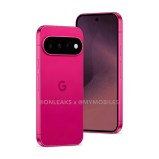
For the standard Pixel 11, the reported color choices include Fuchsia, Light Sterling, Moss, and Midnight Haze. Among these, Fuchsia stands out as a particularly vibrant pink finish, positioned to be the most audacious and visually striking option within the entire lineup. This choice signals Google’s potential intent to cater to consumers seeking a bolder, more expressive device that deviates from the traditionally muted tones often associated with high-end smartphones. Light Sterling, conversely, is likely to be a more subdued, perhaps silver or light grey tone, appealing to those who prefer classic elegance. Moss could represent an earthy green, tapping into natural aesthetics, while Midnight Haze suggests a deep, perhaps slightly desaturated, dark hue, offering a sophisticated and versatile choice for a broader audience. The inclusion of a vibrant color like Fuchsia alongside more conventional options demonstrates a strategic approach to broaden the Pixel’s appeal to diverse demographic segments, moving beyond purely functional design to incorporate elements of personal expression.
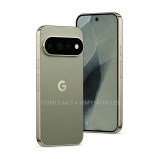
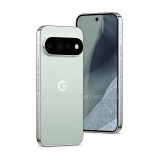
The Pixel 11 Pro and Pixel 11 Pro XL, representing Google’s premium offerings, are tipped to launch with a distinct set of four colorways: Dune, Light Fog, Midnight Haze, and Pine. This differentiation in color options between the standard and Pro models is a common strategy in the smartphone industry, allowing manufacturers to distinguish their product tiers not just by specifications but also by design and perceived luxury. Midnight Haze reappearing in the Pro lineup suggests it serves as a foundational, universally appealing dark option. Light Fog is expected to be a lighter, perhaps off-white or very pale grey, offering a minimalist and clean aesthetic.
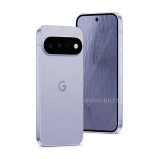
What truly sets the Pro models apart, beyond their core color, are the intricate design details revealed for the Dune and Pine variants. These specific models are depicted as featuring glossy, color-matched frames, an element that significantly elevates their premium appeal. The Dune model is notably paired with a champagne-finished frame, a choice that exudes luxury and warmth, often associated with high-end jewelry or watches. This sophisticated pairing targets consumers who value refined elegance and a distinctive, upscale look. Similarly, the Pine variant is expected to feature a polished gold frame. This golden accent against a potentially deep green (Pine) body creates a rich, opulent contrast, suggesting a device designed to make a statement. The use of color-matched and polished metallic frames indicates a meticulous attention to detail in the industrial design, aiming to provide a more cohesive and high-end feel that justifies the "Pro" designation. These choices are not merely aesthetic; they are strategic design decisions intended to position the Pixel 11 Pro and Pro XL firmly within the premium segment of the smartphone market, competing directly with offerings from Apple and Samsung that often feature similar levels of material and finish sophistication.
Broader Leaks and Anticipated Features of the Pixel 11 Series
Beyond the aesthetic revelations, the ongoing deluge of leaks has painted a comprehensive picture of the Pixel 11 series’ expected technical specifications and groundbreaking features, further fueling anticipation for the August 12 event.

The Tensor G6 Chipset: Google’s AI Powerhouse
Central to the Pixel 11 series’ performance is the anticipated debut of the new 2nm Tensor G6 chipset. This marks a significant technological leap for Google’s in-house silicon strategy. The transition to a 2nm fabrication process implies substantial improvements in both raw processing power and, critically, energy efficiency compared to previous Tensor generations. Google’s Tensor chips are designed with a primary focus on artificial intelligence and machine learning capabilities, distinguishing them from competitors that often prioritize raw CPU/GPU performance. The Tensor G6 is expected to supercharge on-device AI functions, enhancing everything from advanced computational photography and real-time language processing to improved voice recognition, augmented reality experiences, and personalized user interactions. This focus on AI allows Pixel devices to offer unique software-driven features that are seamlessly integrated with the hardware, providing a distinct user experience that leverages Google’s strengths in AI research and development. The G6 will likely build upon the foundation laid by its predecessors, offering faster NPU (Neural Processing Unit) performance and more sophisticated machine learning accelerators, thereby improving the efficiency and speed of AI-driven tasks directly on the device, reducing reliance on cloud processing and enhancing privacy.
Triple Rear Cameras: Elevating Computational Photography
The Pixel 11 lineup is expected to feature a triple rear camera system, a configuration that has become standard for premium smartphones. While Google has historically excelled with fewer lenses due to its unparalleled computational photography algorithms, the addition of a third sensor suggests an expansion of photographic versatility. Typically, a triple camera setup includes a primary wide-angle lens, an ultrawide-angle lens for expansive shots, and a telephoto lens for optical zoom. This combination would allow the Pixel 11 series to capture a broader range of photographic scenarios with greater detail and flexibility. Given Google’s reputation, this hardware upgrade will undoubtedly be complemented by advanced software enhancements, potentially introducing new AI-powered modes for low-light photography, video stabilization, portrait effects, and perhaps even innovative AR functionalities directly integrated with the camera. The synergy between the Tensor G6 and the advanced camera hardware is expected to further solidify Pixel’s position as a leader in mobile photography.
Pixel Glow LED Notification System: A New Interaction Paradigm
A particularly intriguing new feature confirmed by a recent teaser video is the "Pixel Glow LED notification system" on the back of the device. This innovative feature moves beyond traditional front-facing notification lights, offering a novel way for users to receive alerts and visual cues. While specific functionalities are yet to be fully detailed, it could potentially indicate incoming calls, messages, low battery, or even serve as a visual timer or progress bar for certain tasks. This system not only adds a unique aesthetic element to the Pixel 11 series but also explores new avenues for passive user interaction and ambient information display. It could be customizable, allowing users to assign different colors or patterns to specific notifications, thereby enhancing accessibility and personalizing the user experience. This feature underscores Google’s commitment to thoughtful design and functional innovation that differentiates its hardware in a competitive market.

Display Specifications: Immersive Visuals
In terms of displays, the leaks suggest that the standard Pixel 11 and Pixel 11 Pro will both sport 6.3-inch screens, offering a comfortable balance between immersive viewing and single-handed usability. For users desiring a larger canvas, the Pixel 11 Pro XL is expected to feature a more expansive 6.8-inch display. These display sizes align with current industry trends, catering to diverse preferences. While not explicitly detailed in the original leak, it is highly probable that the Pro models will feature high refresh rate OLED panels (likely 120Hz) for incredibly smooth scrolling and responsive interactions, alongside high resolutions and HDR support for vibrant and detailed visual experiences. The standard Pixel 11 might feature a 90Hz or 120Hz display, depending on Google’s market segmentation strategy.
The Enigmatic Pixel 11 Pro Fold
The mention of the "Pixel 11 Pro Fold" within the context of the Made by Google event on August 12 hints at Google’s continued commitment to the nascent foldable smartphone market. While details are scarce, its inclusion suggests that Google is not only refining its traditional smartphone lineup but also expanding its footprint in innovative form factors. A "Pro Fold" variant would likely aim to compete with premium foldables from Samsung and other manufacturers, offering a blend of cutting-edge technology, unique software optimizations for the foldable display, and potentially a more refined design language compared to previous iterations. This signals Google’s intent to be a significant player across all segments of the high-end smartphone market.
The "Made by Google" Event: A Strategic Platform
The Made by Google event on August 12 is far more than just a product launch; it is Google’s annual showcase for its hardware ecosystem and vision for ambient computing. These events are strategically designed to demonstrate how Google’s hardware, software, and AI capabilities seamlessly integrate to create intuitive and powerful user experiences. Beyond the Pixel 11 series, it is plausible that Google will unveil other hardware products, such as new Pixel Watch models, updated Pixel Buds, smart home devices, or provide updates on its Android operating system and other services. The event serves as a critical platform for Google to articulate its long-term hardware strategy, emphasizing how its devices are designed to be "helpful" and intelligent, leveraging the company’s vast AI and software expertise. This holistic approach is crucial for Google to compete effectively against established tech giants like Apple, which also thrives on a tightly integrated ecosystem. The Made by Google event is where Google tries to paint a coherent picture of its technological advancements, aiming to inspire confidence in its hardware ambitions and attract a loyal user base.
The Pervasive Nature of Tech Leaks: Background and Impact
The phenomenon of extensive leaks preceding major tech product launches has become an almost integral part of the industry’s hype cycle. For companies like Google, Apple, and Samsung, it is rare for a flagship product to remain entirely under wraps until its official unveiling. Leaks typically emanate from various points in the supply chain—manufacturing partners, component suppliers, accessory makers, or even internal marketing teams preparing launch materials. Reputable leakers, often with established networks, then disseminate this information, sometimes through high-quality renders or detailed specifications. OnLeaks, cited in this report, is a prime example of such a reliable source.
The impact of these leaks is multifaceted. On one hand, they generate significant buzz and anticipation, effectively serving as an unofficial pre-marketing campaign that keeps the product in public discourse for weeks or months. This can build excitement and drive early interest, potentially translating into strong pre-orders. On the other hand, leaks can undermine a company’s carefully planned launch narrative, potentially revealing key features or design elements out of sequence, or even inaccurately. While companies often maintain a public stance of "not commenting on rumors and speculation," some analysts suggest that certain leaks might be strategically managed or "controlled" to gauge public reaction or subtly build momentum without full official commitment. Regardless of intent, the constant stream of information ensures that by the time of the official announcement, much of the mystery is already gone, shifting the focus from revelation to confirmation and detailed analysis.
Analysis of Color Choices and Market Trends
Google’s selection of colorways for the Pixel 11 series offers insights into its understanding of current market trends and consumer psychology. Color in smartphone design is no longer a trivial choice; it’s a powerful tool for brand identity and consumer segmentation.
Color Psychology and Target Demographics:
- Fuchsia (Pixel 11): This bold, vibrant pink signifies creativity, playfulness, and confidence. It likely targets a younger demographic or individuals who see their smartphone as an extension of their personal style, preferring to stand out from the crowd. Its inclusion alongside more subdued options suggests Google is consciously broadening its appeal beyond traditional tech enthusiasts.
- Midnight Haze (All models): A deep, dark hue typically associated with sophistication, elegance, and professionalism. It offers versatility and a timeless appeal, making it a safe yet stylish choice for a broad user base across all tiers.
- Light Sterling / Light Fog (Standard vs. Pro): These lighter, neutral tones convey minimalism, cleanliness, and modernity. They appeal to users who prefer understated elegance and a clean aesthetic. The slight differentiation in naming might subtly reflect different material finishes or undertones between the standard and Pro models.
- Moss / Pine (Standard vs. Pro): Both represent earthy, natural greens. Moss (standard) might be a softer, more muted green, while Pine (Pro) could be a deeper, richer forest green. These colors evoke a sense of nature, tranquility, and uniqueness, appealing to environmentally conscious consumers or those seeking a distinctive yet sophisticated look. The polished gold frame for Pine further elevates its premium feel.
- Dune (Pro models): A warm, sandy beige or light brown, paired with a champagne frame, exudes understated luxury, warmth, and sophistication. It targets consumers who appreciate subtle elegance and a premium, exclusive aesthetic that stands apart from typical black or white devices.
Competitive Landscape and Material Finishes:
The detailed treatment of the Pixel 11 Pro and Pro XL, particularly the glossy, color-matched frames for Dune (champagne) and Pine (polished gold), signifies Google’s ambition to compete directly with the premium design language often seen in Apple’s Pro models and Samsung’s Ultra series. These metallic accents, carefully integrated with the device’s body color, convey a sense of meticulous craftsmanship and elevated material quality. This focus on refined finishes is crucial for justifying the higher price points of flagship devices and creating a distinct identity within a crowded market. Apple often uses specific "hero" colors for its new iPhone generations, while Samsung offers a broader, sometimes bolder, spectrum. Google’s strategy appears to be a blend, offering a bold option for the standard model and more nuanced, luxurious finishes for its Pro line, aiming for a balance between mass appeal and premium exclusivity.
Implications for Sales and Brand Identity:
A diverse and thoughtfully curated color palette can significantly influence consumer purchasing decisions. Aesthetic appeal is a major factor for many buyers, alongside specifications and features. By offering a range of colors that cater to different tastes—from the vibrant and expressive to the subtle and luxurious—Google aims to broaden the Pixel’s market reach and enhance its brand identity. The Pixel brand has traditionally been known for its software prowess and AI capabilities; these new color options and refined design elements suggest a maturing brand that is increasingly focusing on hardware aesthetics as a key differentiator. This strategic move could translate into stronger initial sales, increased brand loyalty, and a perception of the Pixel as a comprehensive premium offering.

Conclusion
As the August 12 Made by Google event draws near, the comprehensive leaks surrounding the Pixel 11 series have painted a vivid picture of Google’s next-generation smartphones. From the diverse and thoughtfully curated color palettes for the Pixel 11, Pixel 11 Pro, and Pixel 11 Pro XL, to the groundbreaking Tensor G6 chipset, advanced triple camera system, and innovative Pixel Glow LED notification system, Google appears poised to deliver a lineup that blends powerful hardware with distinctive aesthetics and cutting-edge AI. The strategic design choices, particularly the premium finishes and color-matched frames on the Pro models, underscore Google’s ambition to firmly establish the Pixel series in the high-end segment of the smartphone market. These revelations, though unofficial, have effectively set the stage for an exciting launch, confirming that the Pixel 11 series is not just about technological advancement but also about offering a more refined and personally expressive user experience. All eyes will now be on Google’s official presentation to confirm these details and unveil any remaining surprises.