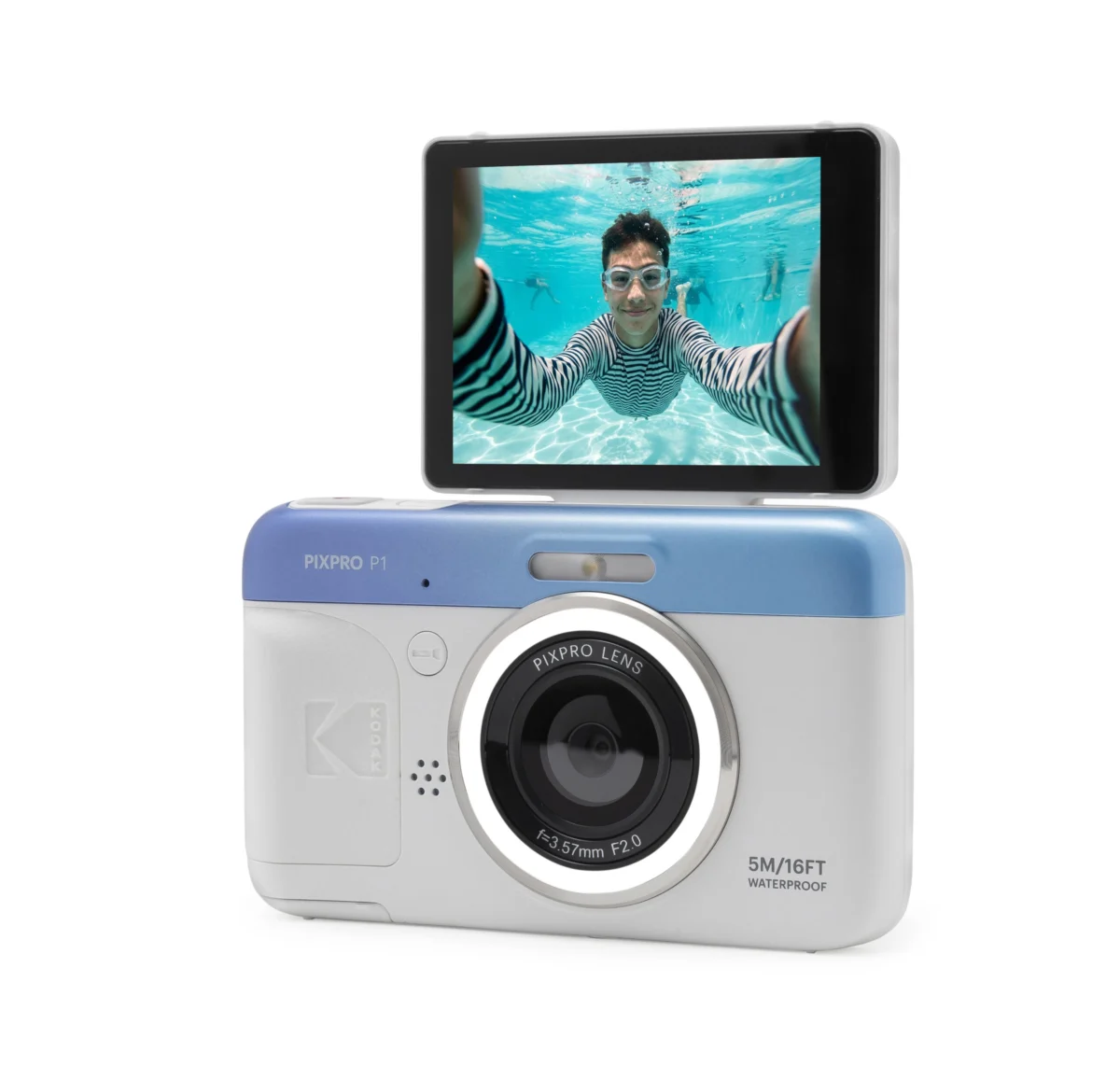
The enduring appeal of compact digital cameras, particularly those offering an affordable entry point into photography, continues to shape the market. Among the brands that have captured the attention of budget-conscious consumers, Kodak PixPro cameras have frequently emerged as trendsetters. New photographic evidence suggests that Kodak, through its licensee JK Imaging, is poised to expand its PixPro line this fall with two compelling new compact cameras: a retro-styled model featuring a significant zoom range and a unique film simulation dial, and a new waterproof variant. These anticipated releases are slated for a public debut at the prestigious IFA consumer electronics trade show in Berlin.
The intelligence surrounding these upcoming models originates from GT Company, a French distributor known for its portfolio of camera brands, including popular Kodak PixPro models such as the FZ55 and C1, as well as AgaFoto products. GT Company has indicated that the official unveiling of these new Kodak PixPro cameras will take place at IFA, scheduled from September 4th to 8th in Berlin. This major international trade fair serves as a pivotal platform for manufacturers and distributors to showcase their latest innovations to a global audience of industry professionals, media, and consumers. The timing of the announcement and unveiling places these new cameras squarely within the crucial autumn sales period, a key time for consumer electronics.
The forthcoming lineup includes two distinct models: the Kodak PixPro P1, a camera engineered for rugged, water-resistant photography, and the Kodak PixPro C10, a model that appears to blend modern zoom capabilities with nostalgic design elements and in-camera film emulation. While GT Company has yet to release exhaustive specifications for either device, visual cues from leaked photographs provide intriguing insights into their potential features and market positioning.
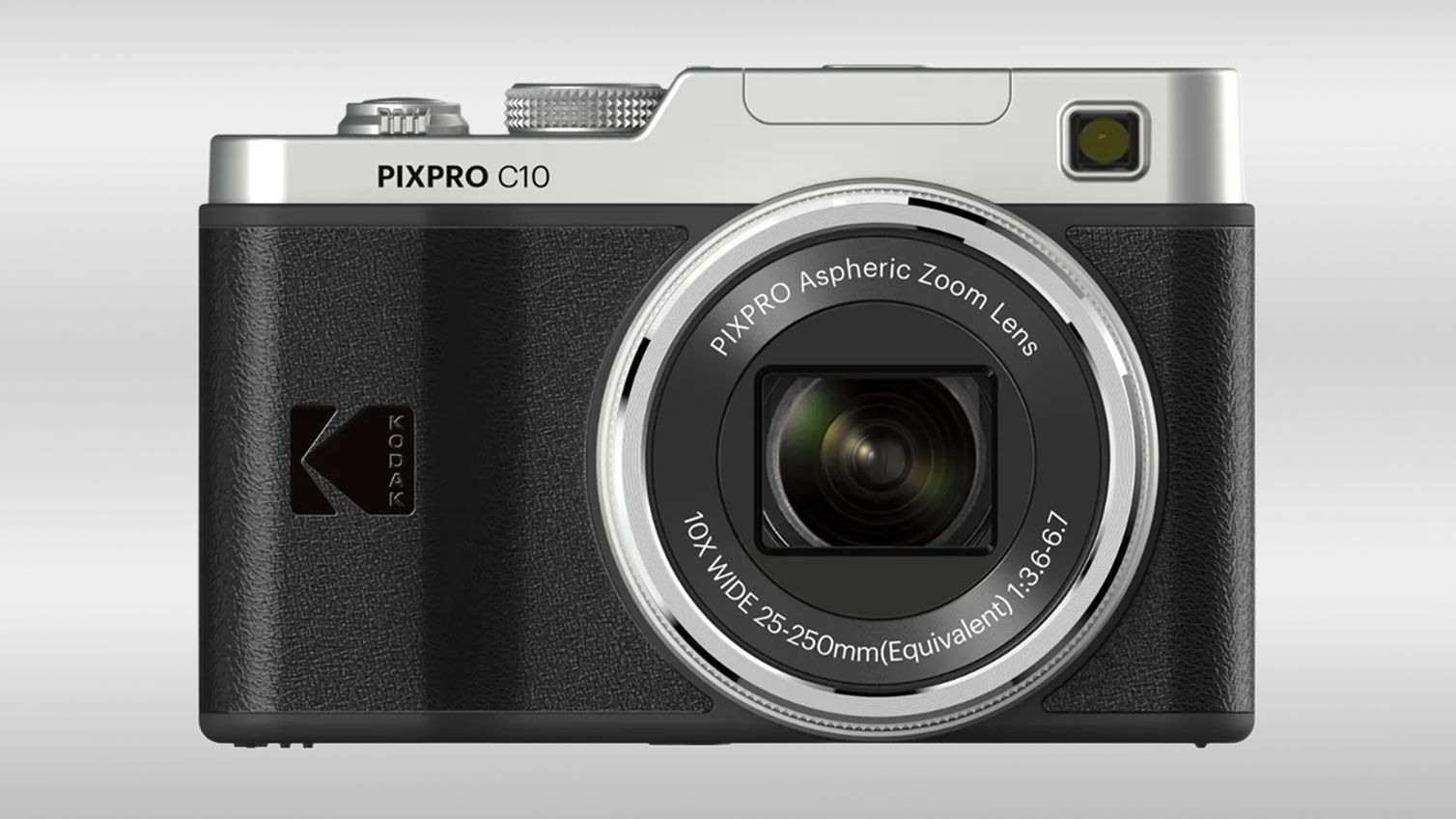
Kodak PixPro C10: A Nostalgic Zoom with Film Simulation Dial
The Kodak PixPro C10 is generating considerable interest, primarily due to its apparent fusion of enhanced zoom functionality with a distinct nod to analog photography’s aesthetic and creative appeal. Zoom capability remains a cornerstone feature for many compact cameras, and early indications suggest the PixPro C10 will be equipped with a 10x optical zoom lens. This lens is reported to have an aperture range of f/3.6-6.7, offering an equivalent focal range of approximately 25-250mm on a 35mm full-frame camera. Such a versatile zoom range would allow users to capture a wide array of scenes, from expansive landscapes to more distant subjects, without the need to physically move closer.
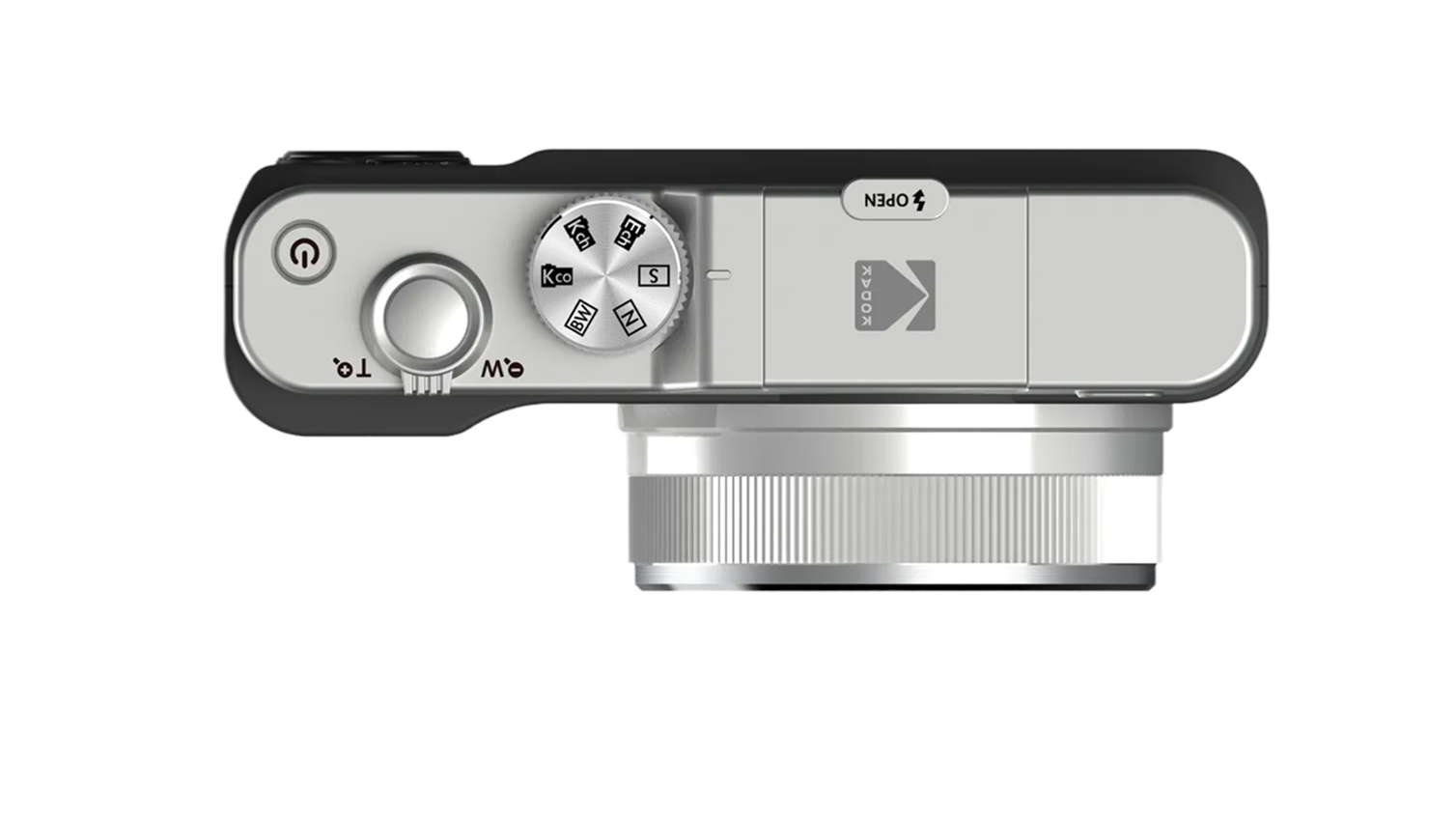
However, what truly distinguishes the PixPro C10 and aligns with Kodak’s resurgence in popularity is the inclusion of what appears to be a dedicated film simulation dial. This feature, prominently visible on the top plate of the camera, evokes the tactile experience and creative control associated with traditional film photography. The dial is marked with settings such as "S" (likely for Standard), "N" (Neutral), and "B&W" (Black & White), suggesting built-in profiles for common image looks.
More intriguingly, the dial also features icons accompanied by abbreviations like "Ech," "Kch," and "Kco." These are widely interpreted as representing digital filters designed to mimic the distinct color rendering and tonal characteristics of iconic Kodak film stocks. Film simulations, in essence, are in-camera digital color profiles that allow photographers to achieve specific aesthetic outcomes before the image is even captured, akin to applying an Instagram filter at the point of capture. This feature taps directly into the growing trend of analog aesthetics and the appreciation for the unique visual qualities of film.
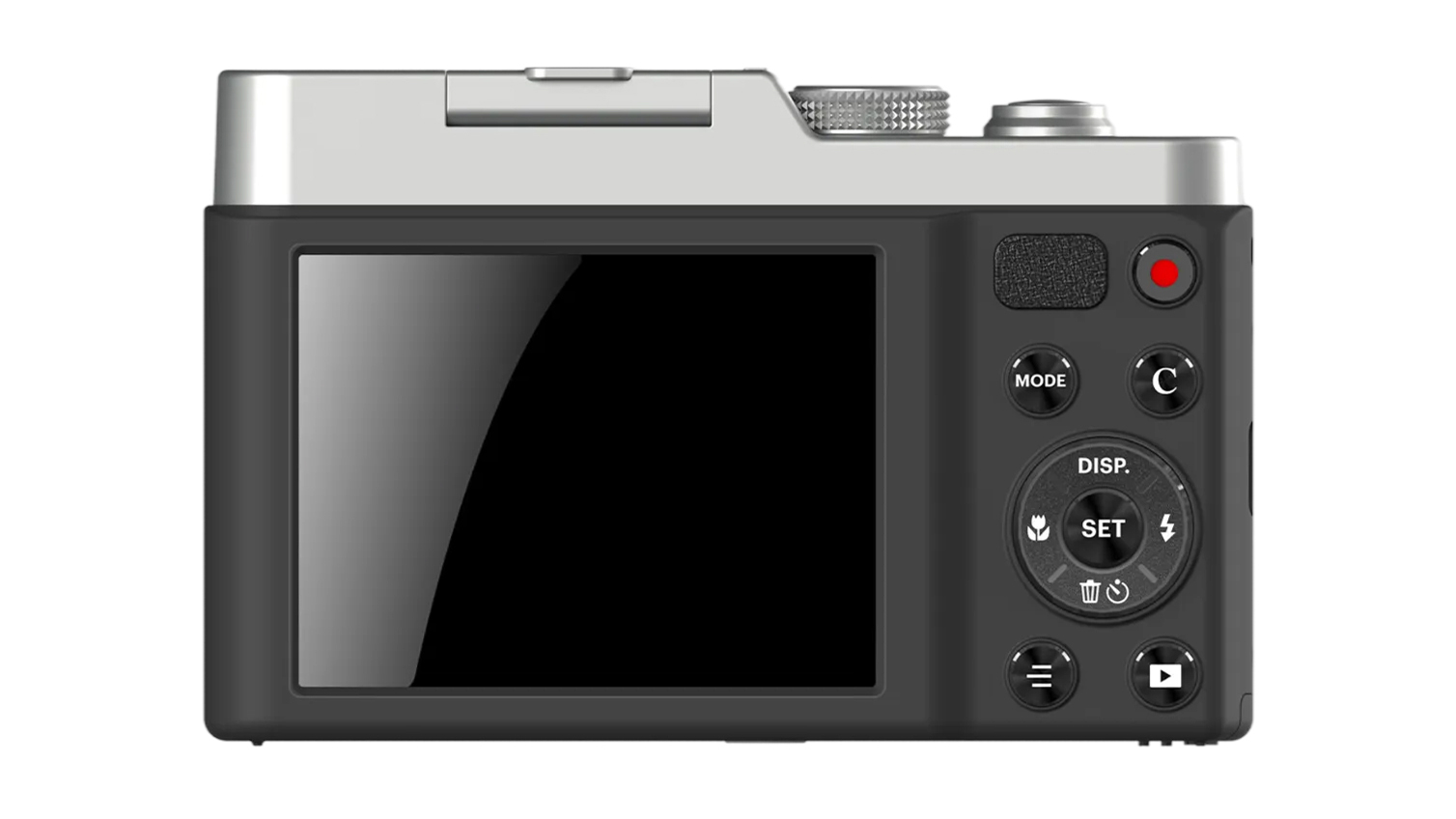
The strategic incorporation of film simulation capabilities is a shrewd move by Kodak, capitalizing on the resurgent interest in analog photography and simpler, more tactile creative processes. If the PixPro C10 successfully combines a retro exterior design with these authentic-feeling in-camera film emulations, it stands a strong chance of becoming a significant commercial success. This aligns with broader market trends, as evidenced by a recent analysis of best-selling compact cameras in Japan, where a substantial 40% of the top sellers were budget-friendly Kodak-branded models. This statistic underscores a robust and persistent demand for these types of point-and-shoot devices.
While the exact technical specifications of the PixPro C10’s sensor and internal processing remain undisclosed, given the typical positioning of Kodak-branded compact cameras in the "affordable compact camera" segment, it is reasonable to anticipate a sensor and feature set that prioritizes accessibility and ease of use over cutting-edge performance. Nonetheless, the combination of a versatile zoom lens and a dedicated film simulation dial offers a compelling value proposition for consumers seeking creative control and a touch of analog charm in a digital package.
Kodak PixPro P1: A Retro-Styled Waterproof Companion
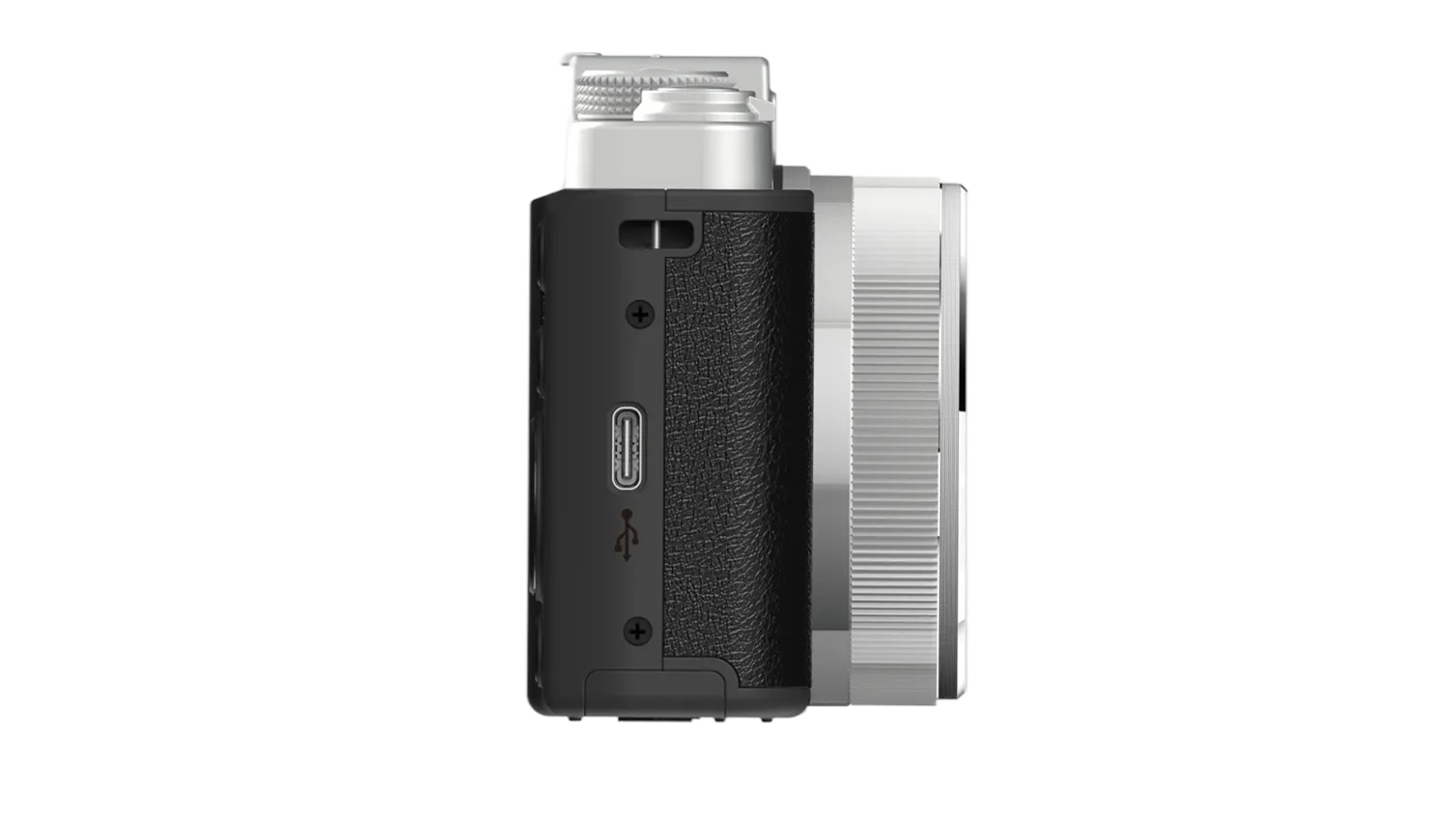
Complementing the PixPro C10, the Kodak PixPro P1 is set to introduce a new waterproof compact camera to the market. While Kodak has previously offered ruggedized and waterproof PixPro models, the P1 appears to distinguish itself with a pronounced retro design aesthetic, reminiscent of popular vintage compact cameras. Notably, it is also pictured with a tilting LCD screen, a feature that adds a layer of creative flexibility, particularly for shooting from unconventional angles.
The inclusion of a tilting screen on a waterproof camera presents a notable engineering challenge. Ensuring the integrity of the waterproofing mechanism while allowing for articulation of the screen requires sophisticated design and robust sealing. However, this is not an unprecedented feat, with some previous models, such as the 2014 Olympus Tough TG-860, having successfully integrated this functionality. The PixPro P1’s reported waterproof rating of up to 5 meters (approximately 16 feet) makes it suitable for a range of aquatic activities and challenging environmental conditions.
Details regarding the P1’s lens specifications are still sparse. While a zoom toggle is visible on the rear of the camera, it remains to be determined whether this facilitates optical zoom or solely digital zoom. The absence of specific optical zoom range information suggests that the primary focus of the P1 might be its durability and retro styling, rather than advanced telephoto capabilities.
Visually, the Kodak PixPro P1 is expected to be available in at least two color variations: a classic black finish that accentuates its retro appeal, and a more vibrant blue and white option. These color choices further reinforce the camera’s commitment to a stylish and approachable design.
Market Context and Future Implications
The forthcoming releases from Kodak PixPro arrive at a time when the compact camera market, despite the dominance of smartphones, continues to find its niche. The resurgence of interest in film photography, coupled with a growing appreciation for digital cameras that offer a more tactile and intentionally creative experience, has created fertile ground for brands like Kodak to thrive. The success of their existing affordable compacts, particularly in markets like Japan, demonstrates a clear consumer appetite for accessible, user-friendly, and aesthetically pleasing photographic tools.
The inclusion of features like film simulation dials and retro designs speaks to a broader cultural trend of embracing analog aesthetics and a desire for more intentional image-making processes. These cameras are not just about capturing moments; they are about offering a particular experience and a distinct visual output that resonates with a generation looking for alternatives to the ubiquitous smartphone.
The IFA trade show will provide the first official platform for these new Kodak PixPro models, where pricing, detailed specifications, and availability will likely be announced. Industry analysts will be closely watching to see how these new offerings are received, particularly in relation to their price points and feature sets, as they aim to capture a significant share of the still-vibrant compact camera market. The strategic decision to focus on both enhanced functionality (zoom) and creative features (film simulation) in the PixPro C10, alongside ruggedness and retro style in the PixPro P1, suggests a well-considered approach to appealing to a diverse range of consumer needs and preferences within the compact camera segment. The success of these models could further solidify Kodak’s brand presence in the digital imaging space, particularly among consumers who value both affordability and a touch of nostalgic charm in their photographic equipment.