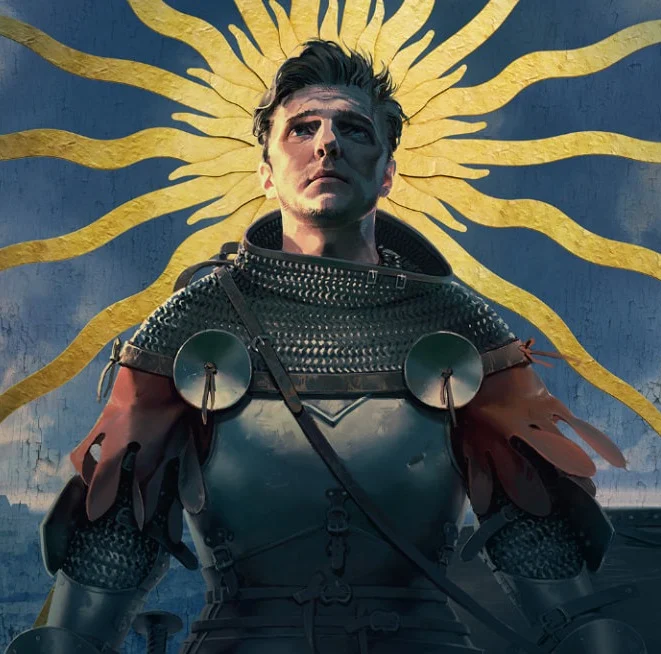
Less than a week after French video game giant Ubisoft confirmed that a new installment in its venerable Ghost Recon tactical shooter series was in development, albeit with a release timeline that suggested it wouldn’t be arriving "anytime soon," the company has now formally announced its plans to mark the franchise’s 25th anniversary. On August 6th, players can expect a significant update regarding the future direction of the Ghost Recon universe, a revelation that comes as Ubisoft navigates a period of profound corporate restructuring and shifting market dynamics. The announcement, delivered via the official Ghost Recon social media channels, enthusiastically declared, "It’s been a while Ghosts! We know some of you saw some updates, we’ll have more to say on the 6th of August when we celebrate the 25th Anniversary of Ghost Recon. Intel coming soon." This eagerly awaited update is poised to provide clarity on a franchise that has seen varied fortunes and is expected to offer a glimpse into Ubisoft’s broader strategy for its foundational intellectual properties.
The Enduring Legacy of Ghost Recon: A Quarter-Century of Tactical Warfare
The Ghost Recon franchise, born from the creative vision of Tom Clancy, first deployed onto the gaming landscape in November 2001 with Tom Clancy’s Ghost Recon. Developed by Red Storm Entertainment, the game quickly established itself as a pioneer in the tactical shooter genre, emphasizing realistic squad-based combat, strategic planning, and a gritty, near-future military aesthetic. Players assumed command of the "Ghosts," an elite unit of fictional U.S. Army Special Forces soldiers, tasked with covert operations in politically charged hotspots around the globe. Over the past two and a half decades, the series has evolved significantly, transitioning from its PC-centric roots to embrace console platforms, introducing open-world elements, and experimenting with different gameplay mechanics.
Key milestones in the franchise’s history include Ghost Recon Advanced Warfighter (2006) and its sequel (2007), which brought the series into the seventh generation of consoles with enhanced graphics and futuristic combat technologies, and Ghost Recon: Future Soldier (2012), which further refined the blend of stealth and tactical gunplay. More recently, Ghost Recon Wildlands (2017) marked a significant departure, embracing a sprawling open-world environment in Bolivia, offering unprecedented freedom in mission execution and cooperative play. While Wildlands enjoyed considerable commercial success and a dedicated player base, its successor, Ghost Recon Breakpoint (2019), faced a more challenging reception at launch. Critics and players alike pointed to its aggressive monetization, perceived lack of innovation, and a somewhat generic open-world design. However, Ubisoft demonstrated a notable commitment to Breakpoint through extensive post-launch support, including significant updates, quality-of-life improvements, and the introduction of a more immersive "immersive mode" that allowed players to customize their experience, gradually improving its standing among fans. The upcoming 25th-anniversary celebration is not just a nod to this rich history but a critical juncture for Ubisoft to reaffirm its dedication to the franchise and outline its future trajectory in a competitive market.
Ubisoft’s Strategic Realignment Amidst Industry Headwinds
The announcement for Ghost Recon‘s anniversary arrives at a pivotal time for Ubisoft, a company that has been grappling with significant internal and external pressures. The broader video game industry has recently experienced a period of contraction, marked by widespread layoffs, studio closures, and a general recalibration of development strategies. Ubisoft has not been immune to these trends, having undertaken its own series of strategic restructurings, which have included the closure of several smaller studios and multiple waves of workforce reductions impacting hundreds of employees across its global operations. These measures, while difficult, are part of a larger effort to streamline development pipelines, reduce costs, and refocus resources on core franchises and projects deemed essential for the company’s long-term stability and growth.
In recent earnings calls and investor briefings, Ubisoft executives have openly acknowledged these challenges, signaling a "quieter year" for major releases in the immediate future. This strategic pause is intended to allow more time for the maturation of key titles, ensuring they meet quality expectations upon launch, and to adapt to evolving player preferences, particularly within the live-service model that many publishers are increasingly prioritizing. The company has explicitly stated its intention to lean into its most established and beloved intellectual properties, such as Assassin’s Creed, Far Cry, and Ghost Recon, as pillars for its future portfolio. Against this backdrop, the Ghost Recon anniversary news serves as a crucial communication point, an opportunity for Ubisoft to demonstrate tangible progress and renew enthusiasm among its player base, even if new releases are still some way off. It’s a calculated move to generate positive momentum and reinforce brand loyalty during a period of introspection and strategic recalibration.
The Lingering Frustration: The Silence Surrounding Splinter Cell
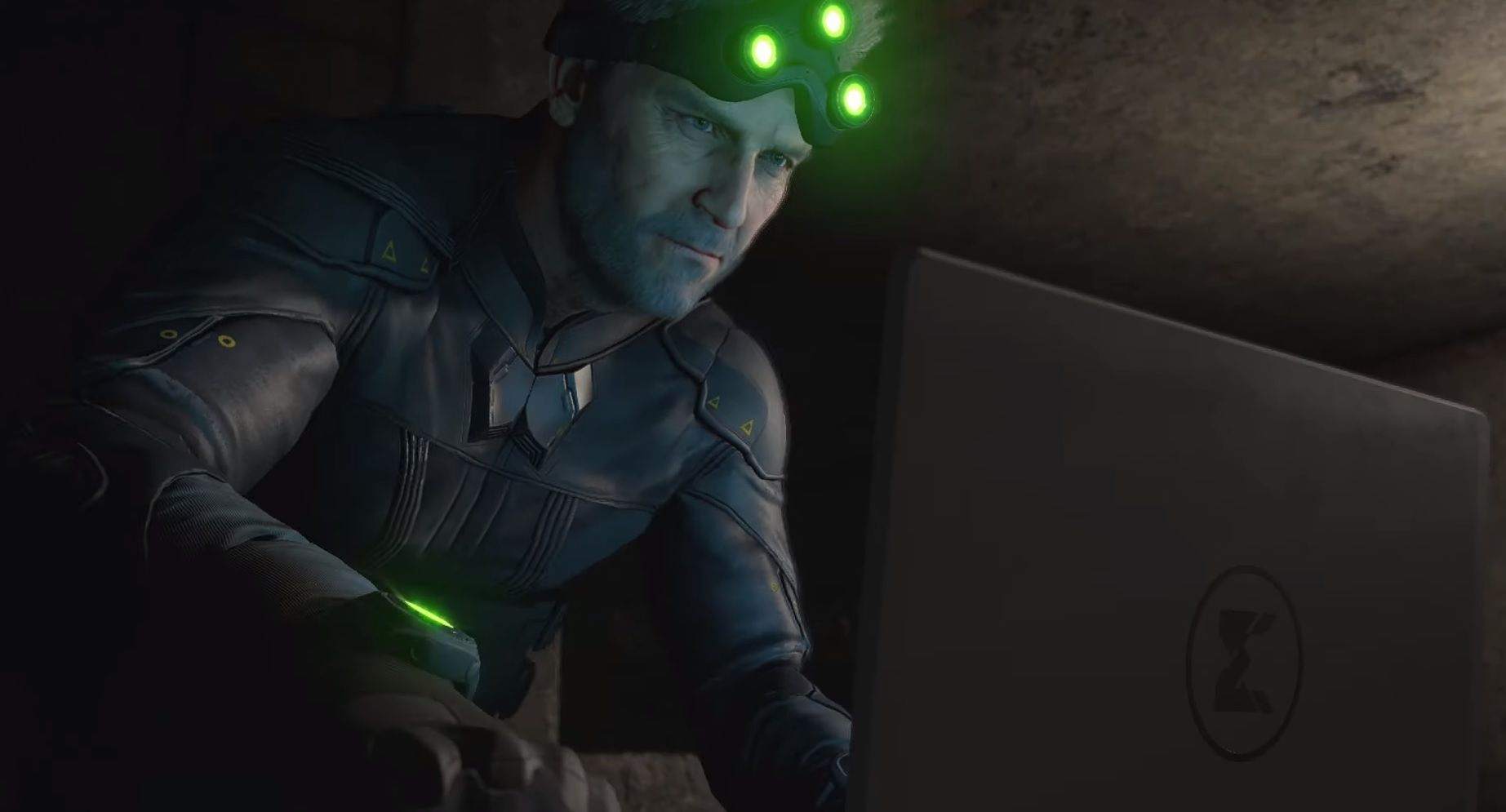
While Ghost Recon fans eagerly anticipate news, a palpable sense of frustration persists within another segment of Ubisoft’s fanbase: those awaiting updates on the Splinter Cell franchise. The original news article hints at this widespread sentiment, articulating a common feeling among players that if any Tom Clancy-branded series is "overdue for some attention," it is Splinter Cell. The stealth-action series, starring the iconic Sam Fisher, carved out its own niche in the early 2000s, renowned for its innovative shadow-based gameplay, intricate level design, and gripping espionage narratives. However, the franchise has largely been dormant since Splinter Cell Blacklist in 2013, save for guest appearances by Sam Fisher in other Ubisoft titles.
The desire for a new Splinter Cell game reached a fever pitch when Ubisoft officially announced a full remake of the original Splinter Cell in December 2021. This announcement, made almost a decade after the last main installment, ignited hope among a long-suffering fanbase. However, progress on the remake appears to have been slow and, at times, turbulent. Reports indicate a change in leadership, with remake director David Grivel departing Ubisoft for "a new adventure" in 2022, only to return to the company and resume directorship on the project at a later date. This kind of developmental flux, while not uncommon in the industry, often raises concerns about a project’s stability and timeline.
Beyond the game itself, Splinter Cell‘s attempts at broader media expansion have also faced setbacks. A planned animated series for Netflix was confirmed to be moving forward, but controversially without the return of veteran voice actor Michael Ironside, a decision that sparked considerable debate among fans who consider his voice integral to Sam Fisher’s character. Furthermore, a long-gestating live-action film adaptation, set to star Tom Hardy, was ultimately cancelled after years in development limbo, much to the disappointment of those who hoped for its revival. Compounding these issues, Ubisoft itself has occasionally contributed to fan exasperation, notably through social media teases that some interpreted as trolling, including one instance where an anniversary post featured an incorrect image of Sam Fisher. This history has cultivated a deep-seated anticipation for Splinter Cell news that often clashes with the perceived attention given to other franchises, making the Ghost Recon anniversary announcement a bittersweet moment for many in the broader Tom Clancy universe fandom. The 25th anniversary of the first Splinter Cell game will not arrive until November 18, 2027, leaving fans to wonder if Ubisoft is simply biding its time for another major milestone before sharing substantial updates.
A Pattern of Protracted Development and Project Delays
The challenges faced by the Splinter Cell remake are not isolated incidents but rather reflective of a broader pattern within Ubisoft’s development cycles in recent years. Several high-profile projects have experienced unusually long gestation periods, significant delays, or even outright cancellations, leading to concerns about the company’s internal project management and creative direction.
One of the most prominent examples is the Prince of Persia: The Sands of Time Remake. Initially announced in 2020, the project was met with mixed reactions to its early visuals and subsequently endured multiple delays. It was eventually moved from Ubisoft Pune and Mumbai to Ubisoft Montreal, the studio responsible for the original game. The project’s troubled development culminated in its effective cancellation (or indefinite postponement with a complete overhaul) after six years of visible futility, highlighting the difficulties in modernizing beloved classics while meeting contemporary graphical and gameplay expectations.
Another case in point is Skull and Bones, the pirate-themed naval combat game. First unveiled at E3 2017, the game suffered from numerous reboots, changes in scope, and persistent delays, ultimately launching more than six years after its initial announcement in early 2024. Its prolonged development cycle and substantial investment raised questions about its viability and profitability, with its eventual release receiving a lukewarm reception from critics and players alike.
Perhaps the most extreme example of Ubisoft’s extended development timelines is Beyond Good and Evil 2. This sequel to the critically acclaimed 2003 action-adventure game has been in development for an astonishingly long period, now approaching two decades since its initial conceptualization. Despite sporadic updates and a passionate fan base, concrete details about its progress remain elusive, and its status as an active, albeit perpetually distant, project has become almost legendary in the industry. These protracted development cycles have several implications: they tie up significant financial and human resources for extended periods, they risk losing relevance in a rapidly evolving market, and crucially, they erode player trust and enthusiasm. The "quieter year" forecast by Ubisoft is, in part, a direct consequence of these past development struggles, a necessary period to recalibrate and ensure that future releases can meet both internal quality benchmarks and external market expectations.
Broader Impact and Implications for Ubisoft’s Future
The upcoming Ghost Recon anniversary announcement and the broader context of Ubisoft’s current trajectory have significant implications for the company’s future and its standing in the highly competitive video game industry. On one hand, leveraging established and beloved IPs like Ghost Recon is a sound strategy during a period of corporate realignment. These franchises come with built-in fan bases, established lore, and proven gameplay mechanics, reducing the inherent risks associated with entirely new ventures. A successful announcement on August 6th could re-energize the Ghost Recon community, demonstrate Ubisoft’s commitment to its legacy titles, and provide a much-needed positive narrative amidst the backdrop of layoffs and development woes.
However, the challenge for Ubisoft lies in striking a delicate balance. The gaming community has grown increasingly wary of announcements that promise much but deliver little, or that lead to excessively long waits for actual releases. The company’s history with projects like Splinter Cell Remake, Prince of Persia Remake, and Skull and Bones means that future announcements will be scrutinized with a critical eye. Players will not only seek confirmation of new games but also demand transparency regarding development timelines, creative direction, and a clear vision for how these franchises will evolve in the modern gaming landscape.
Furthermore, Ubisoft’s embrace of the live-service model, while potentially lucrative, presents its own set of challenges. Integrating long-term engagement features, seasonal content, and ongoing updates into a tactical shooter like Ghost Recon requires careful execution to avoid alienating core fans who appreciate more traditional, single-player or co-op experiences. The industry trend towards "games as a service" is a strategic imperative for many publishers, but it must be applied thoughtfully to each IP.
Ultimately, the August 6th announcement for Ghost Recon is more than just a celebration of a quarter-century of gaming; it is a crucial step in Ubisoft’s ongoing journey to redefine its identity and regain player confidence. It represents an opportunity to demonstrate that despite its recent difficulties, the company remains dedicated to delivering compelling experiences within its cherished universes. The success of this and subsequent announcements will play a pivotal role in shaping public perception, attracting new talent, and ensuring that Ubisoft can successfully navigate the complexities of the contemporary video game market while honoring its rich legacy. The eyes of the gaming world, particularly those of its dedicated fan bases, will be watching closely to see what "intel" Ubisoft chooses to reveal.