The evolution of blade metallurgy has long been shrouded in marketing terminology and anecdotal evidence, but recent advancements in data-driven analysis are providing a clearer framework for predicting performance based on chemical makeup. For decades, the cutlery industry relied heavily on manufacturer data sheets which, while informative, often lacked the comparative transparency necessary for end-users to make informed decisions. The emergence of independent metallurgical testing has bridged this gap, allowing for the development of predictive models that correlate elemental composition—specifically carbon, chromium, and vanadium—with the three primary pillars of knife performance: edge retention, toughness, and corrosion resistance.
The Shift Toward Quantitative Metallurgy
Historically, the selection of knife steel was a matter of tradition and trial-and-error. Conventional "carbon steels" like 1095 or "stainless steels" like 440C defined the boundaries of the market. However, the introduction of high-alloy steels and Powder Metallurgy (PM) in the late 20th century complicated the landscape. Manufacturers such as Crucible Industries, Uddeholm, and Carpenter Technology provided proprietary data, but these figures were rarely standardized across the industry. A steel might be praised for "excellent wear resistance" by one company, while a competitor used the same phrase for a vastly different material.
The drive to demystify these ratings began with the application of standardized testing protocols, most notably the CATRA (Cutlery and Allied Trades Research Association) edge retention test and the Charpy C-notch or unnotched impact toughness tests. By aggregating thousands of data points from these experiments, metallurgists have identified that while steel performance can be highly complex, the vast majority of outcomes are predictable based on a few key variables. This shift from qualitative "feel" to quantitative "prediction" marks a significant turning point for both custom knifemakers and industrial manufacturers.
The Mechanics of Edge Retention
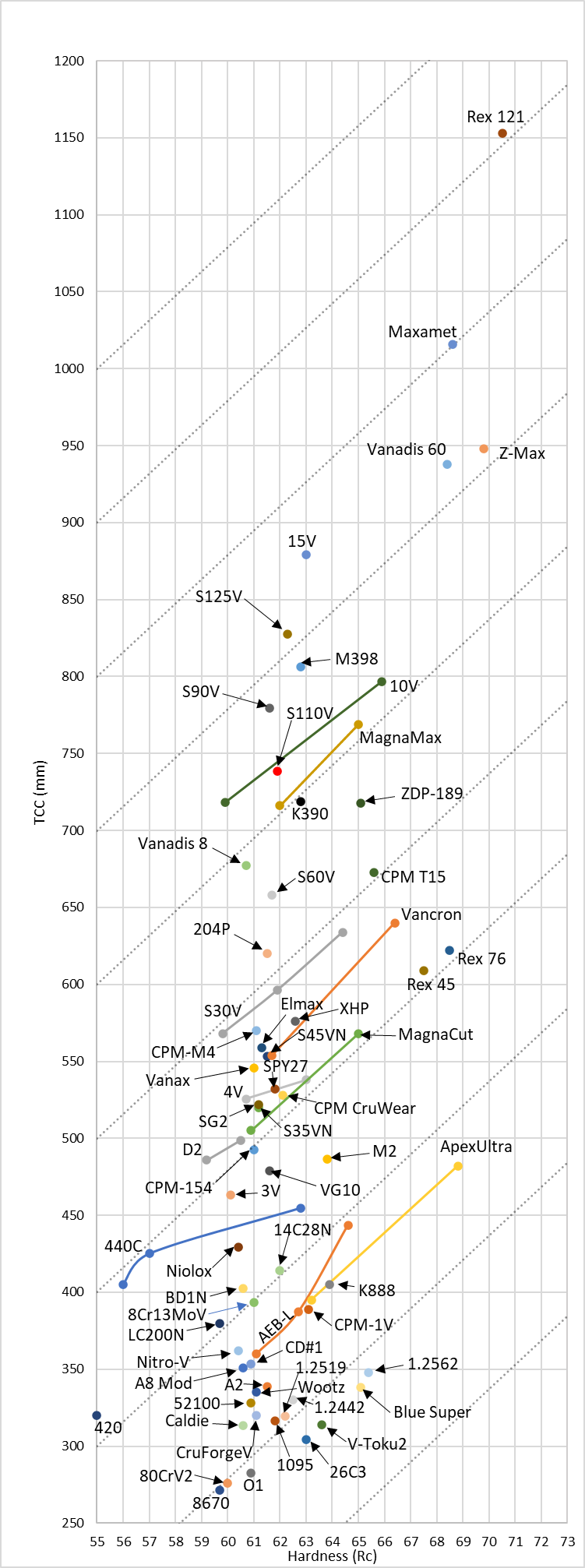
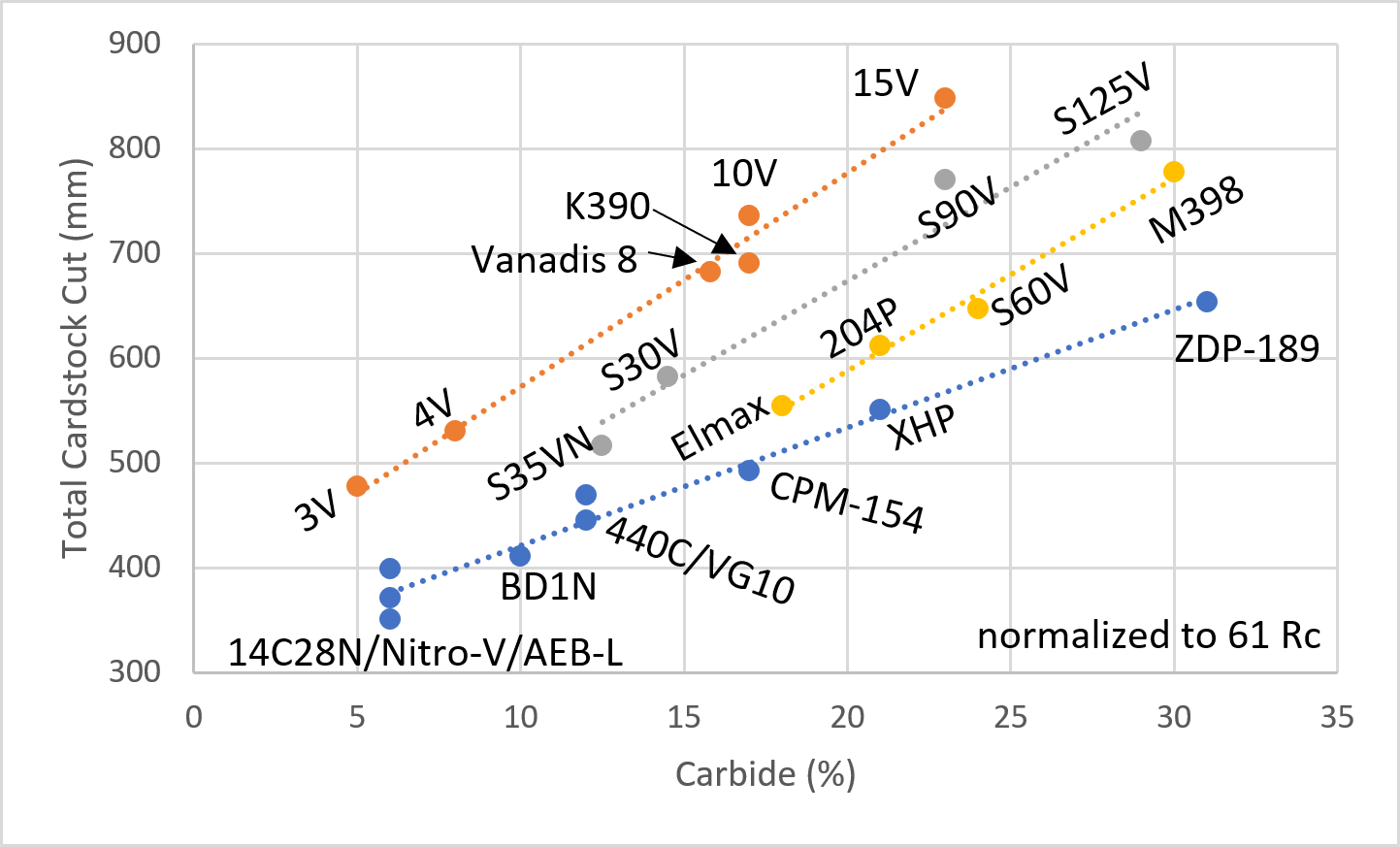
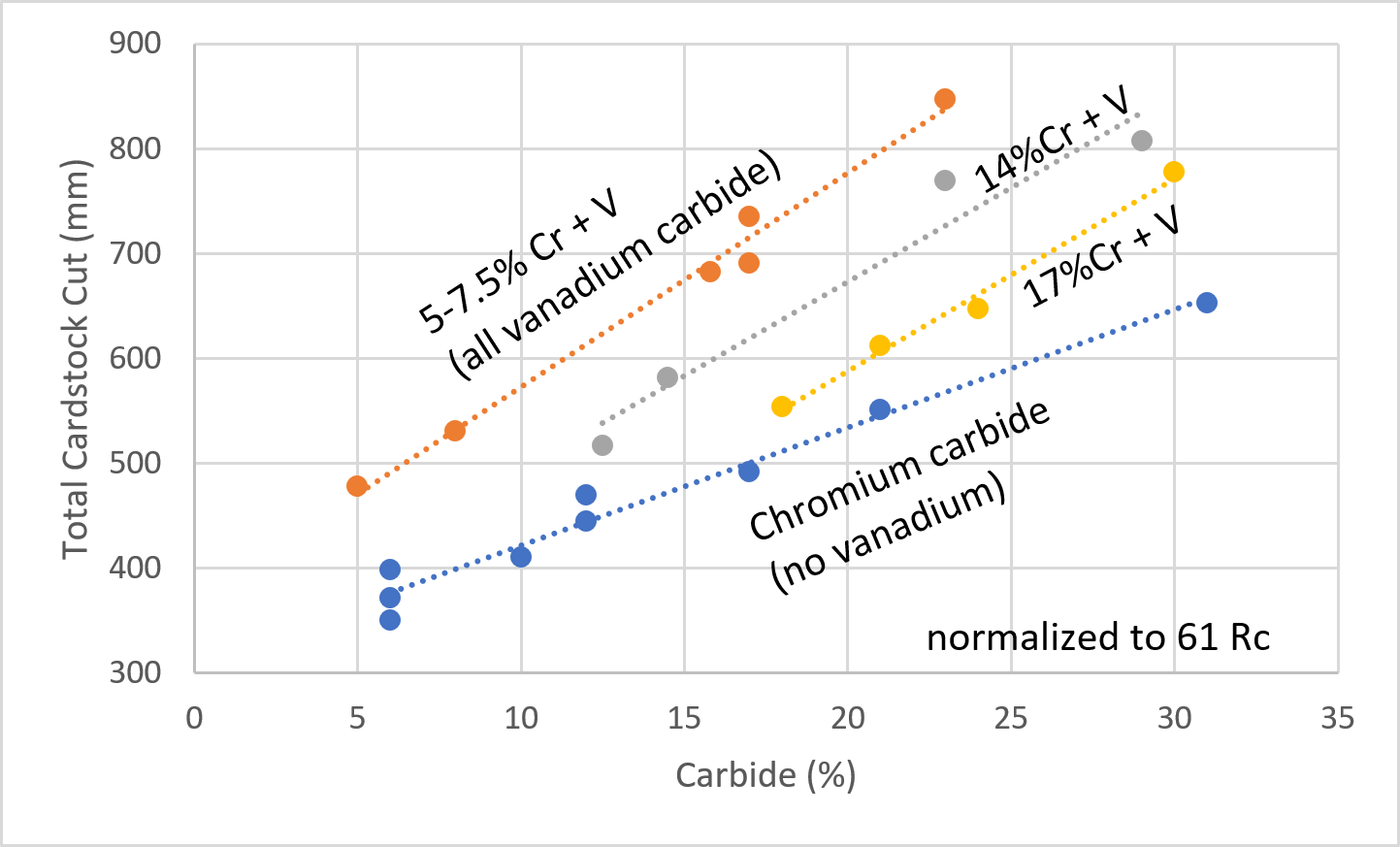
Edge retention is frequently cited by knife enthusiasts as the most desirable property in a blade. Through extensive CATRA testing, it has been determined that the primary drivers of edge retention are carbide volume, carbide type, and steel hardness. Carbides are hard particles formed when carbon bonds with elements like chromium, vanadium, molybdenum, or tungsten during the steelmaking process.
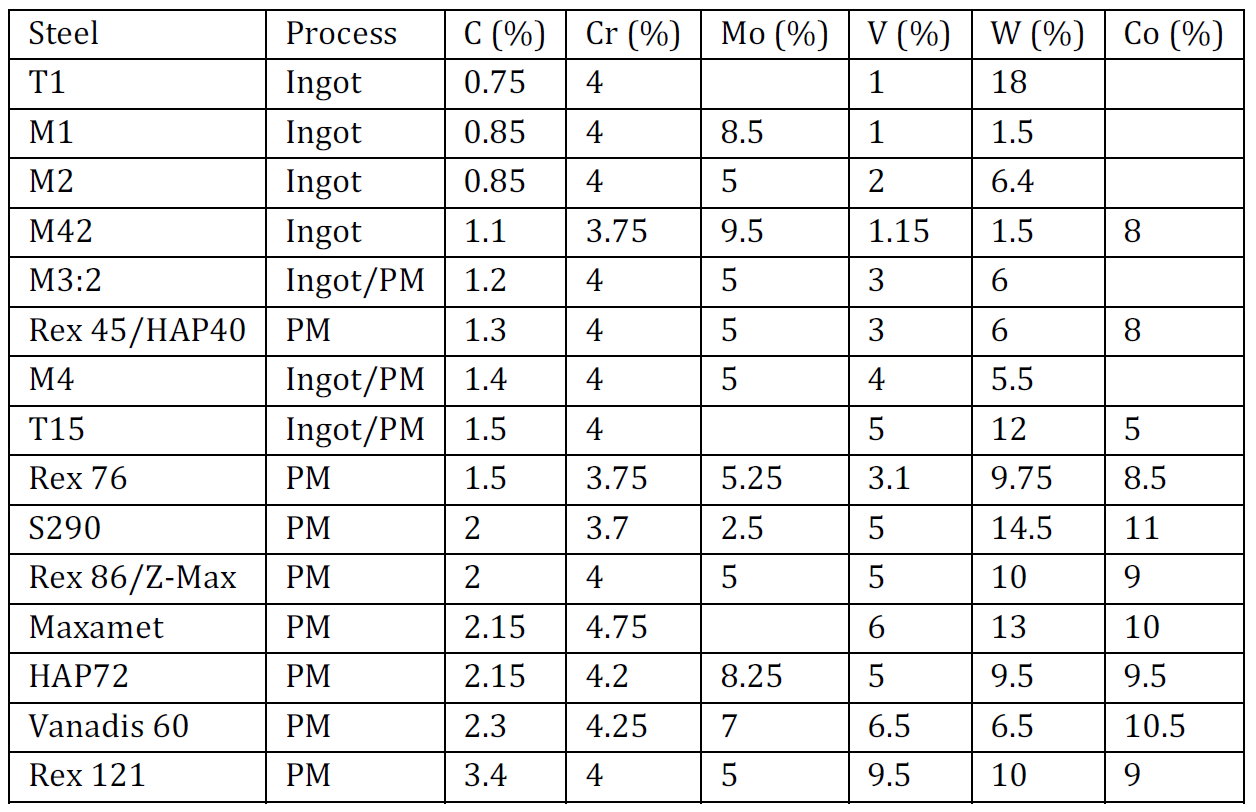
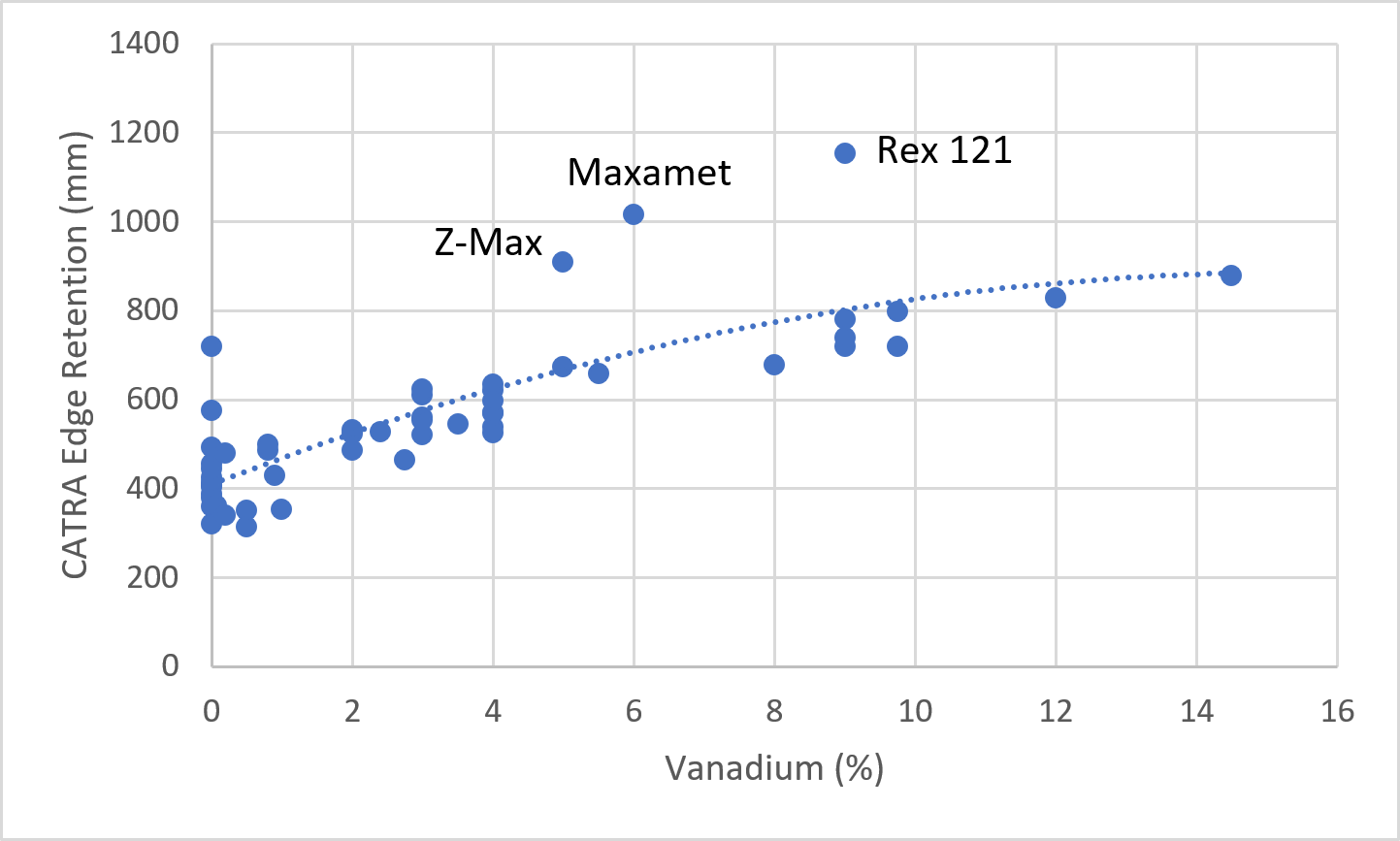
The predictive model for edge retention suggests a hierarchy based on the hardness of these carbides. Vanadium carbides (MC type) are among the hardest, significantly outclassing chromium carbides (M7C3 or M23C6). Consequently, steels with high vanadium content, such as CPM-10V or CPM-15V, exhibit exponential increases in edge retention compared to steels that rely solely on chromium for wear resistance.
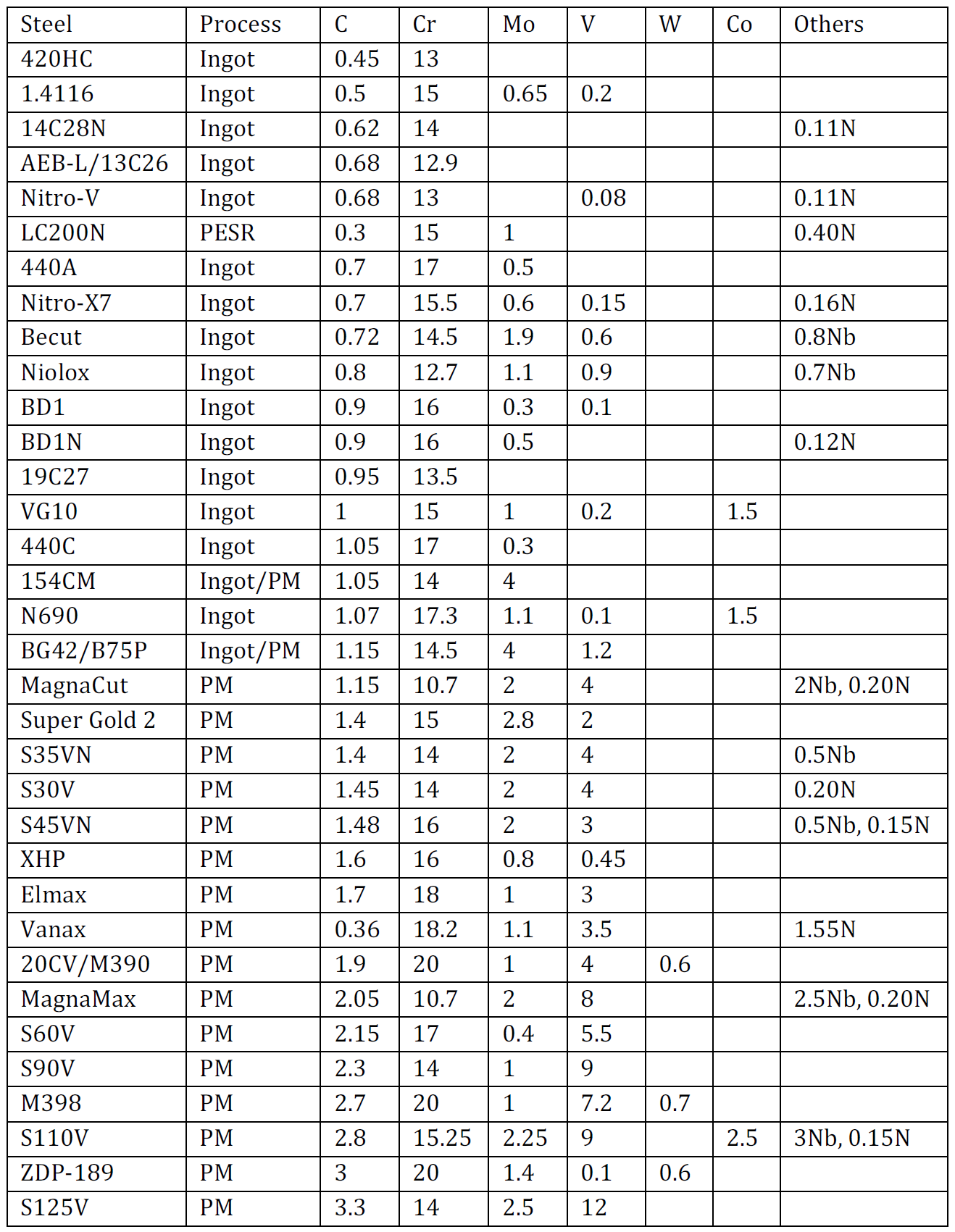
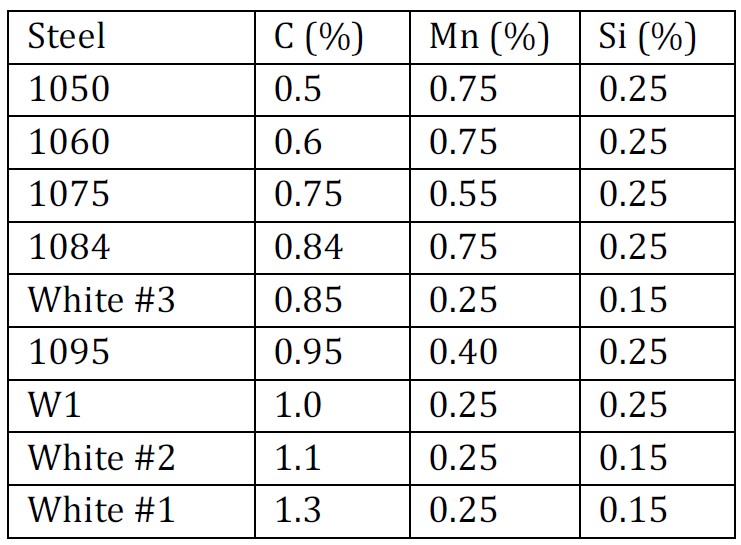
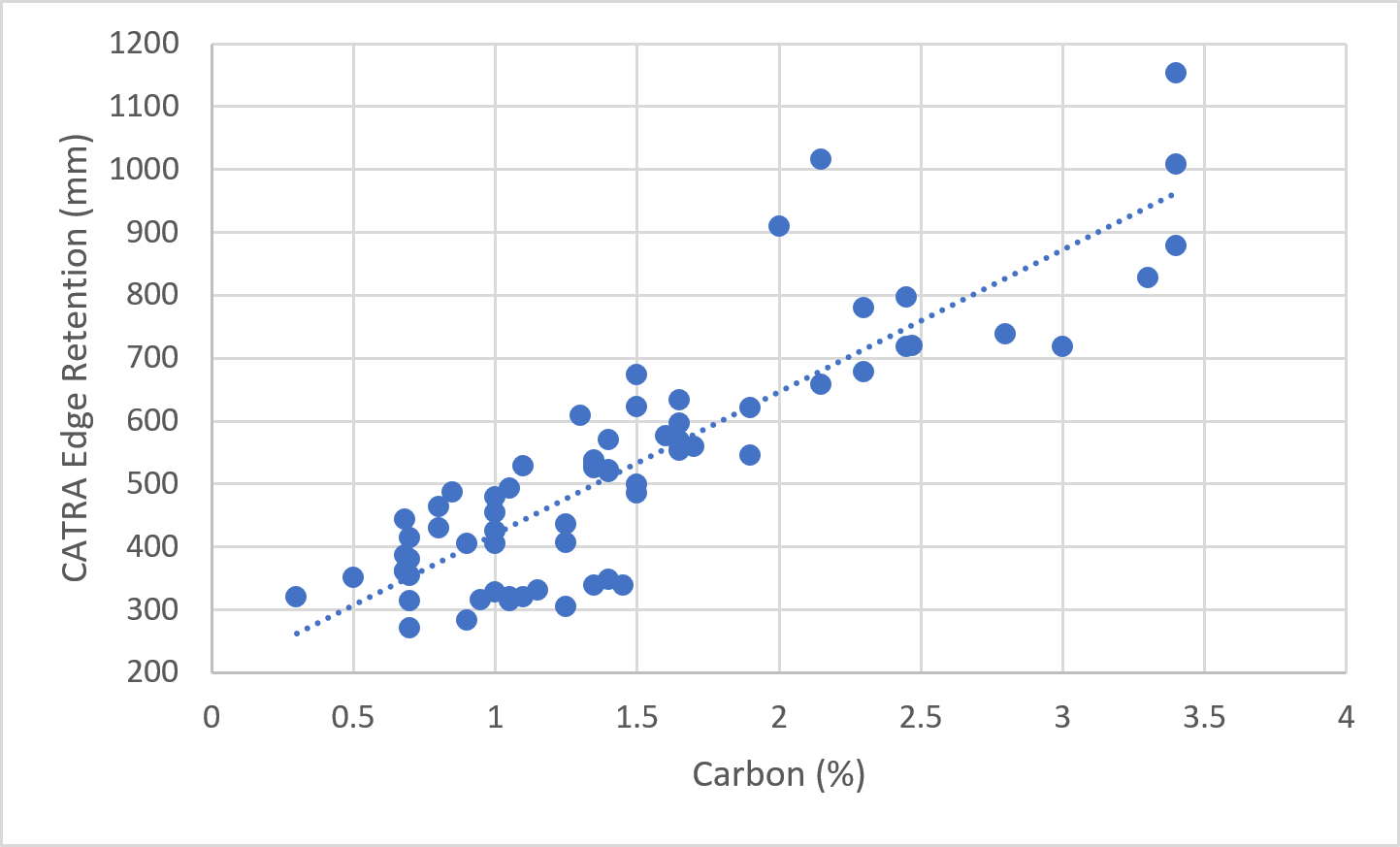
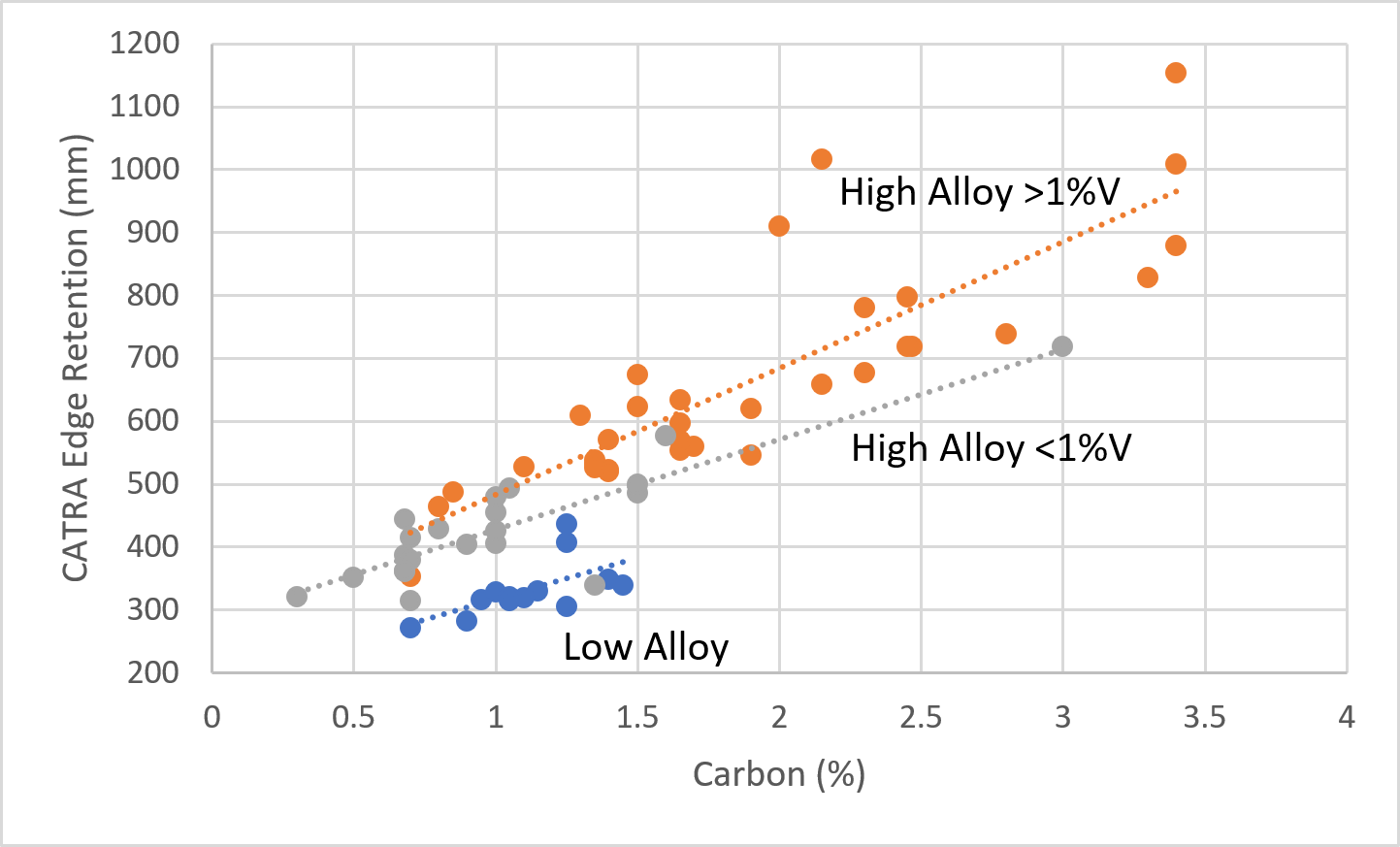
To estimate edge retention without complex laboratory equipment, analysts now look at the carbon and vanadium content as primary indicators. For high-alloy steels, a direct correlation exists: as carbon content increases, so does the potential for carbide formation. If that carbon is paired with vanadium, the resulting edge retention is roughly double what would be expected from a low-alloy steel with the same carbon level. Hardness also plays a critical role; a standard baseline of 61 HRC (Rockwell Hardness Scale) is often used for comparison, with the understanding that every one-point increase in HRC typically yields a measurable boost in CATRA performance.
The Toughness Trade-off and the PM Revolution
Toughness, defined as a steel’s resistance to chipping or breaking under impact, often exists in an inverse relationship with edge retention. As carbide volume increases to improve wear resistance, toughness generally decreases. This is because carbides, while hard, are also brittle; they act as initiation sites for cracks.
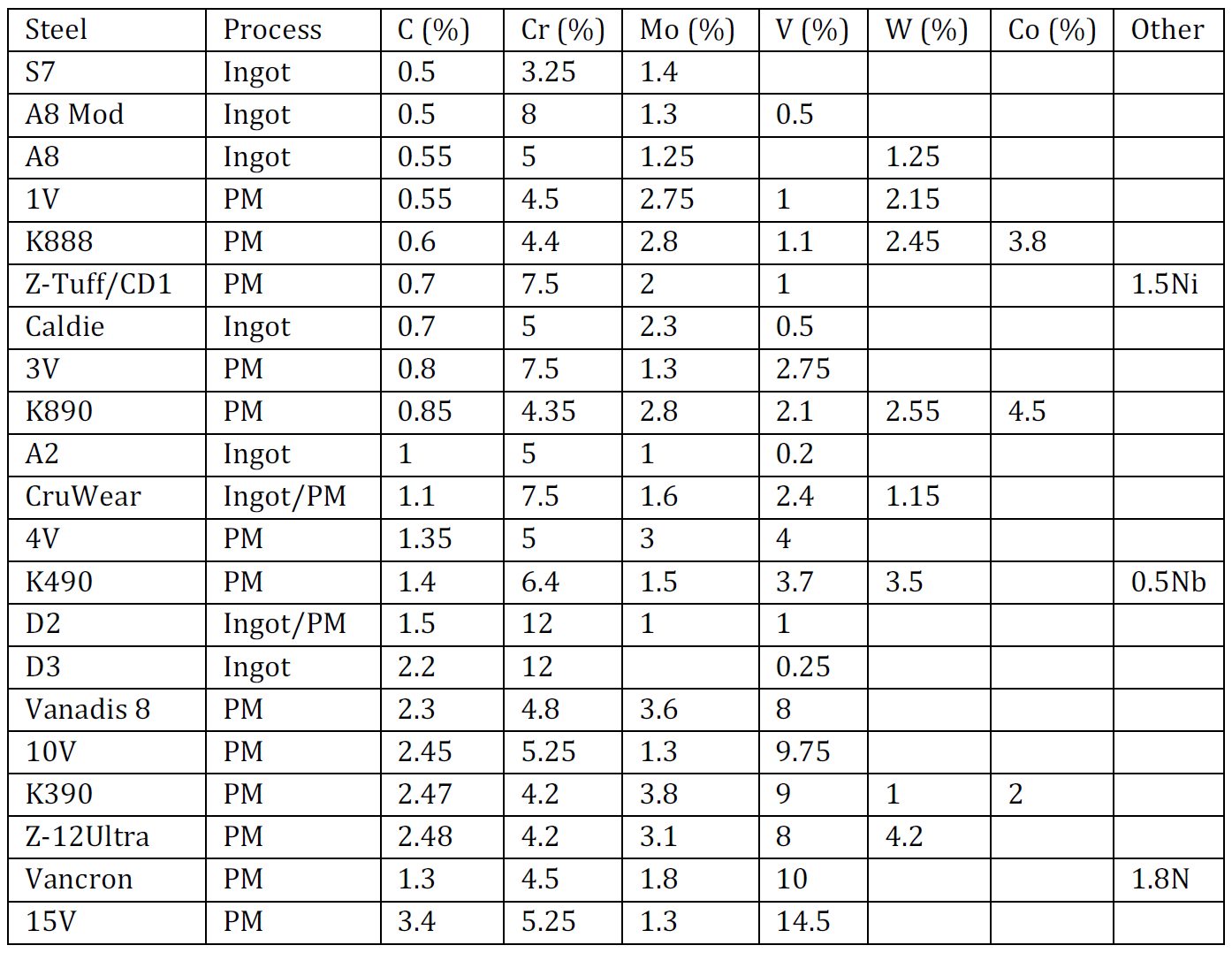
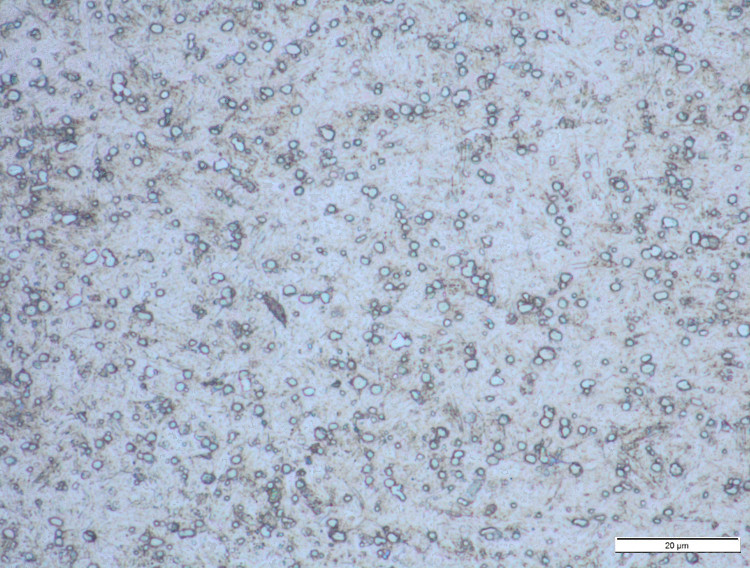
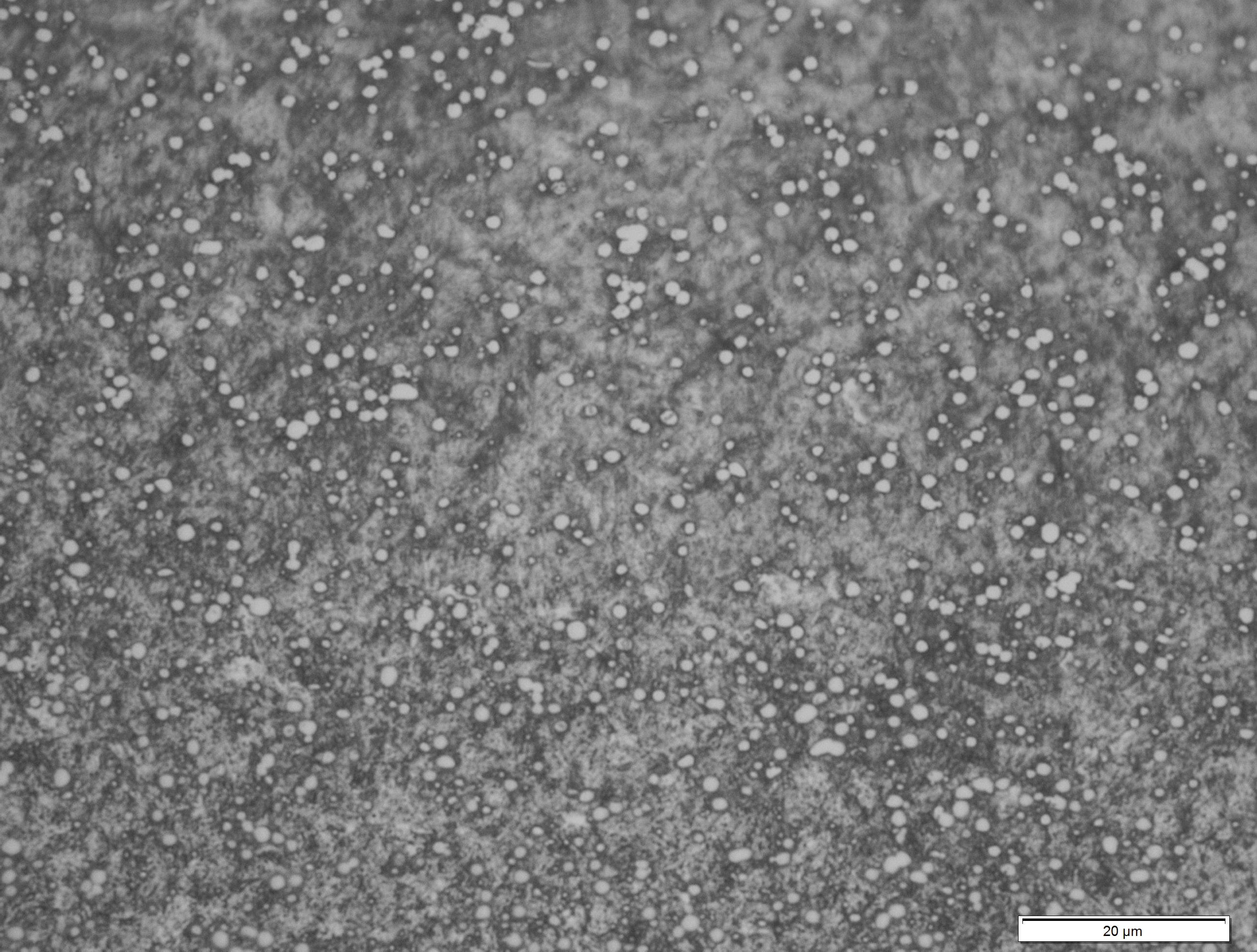
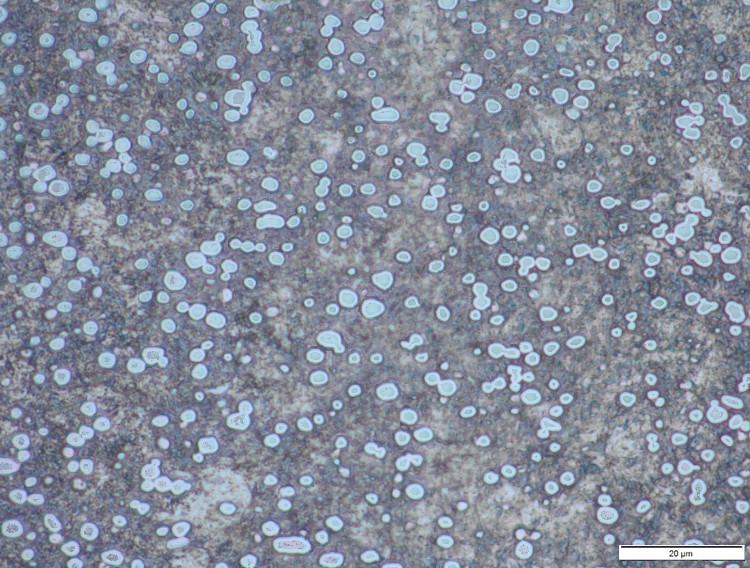
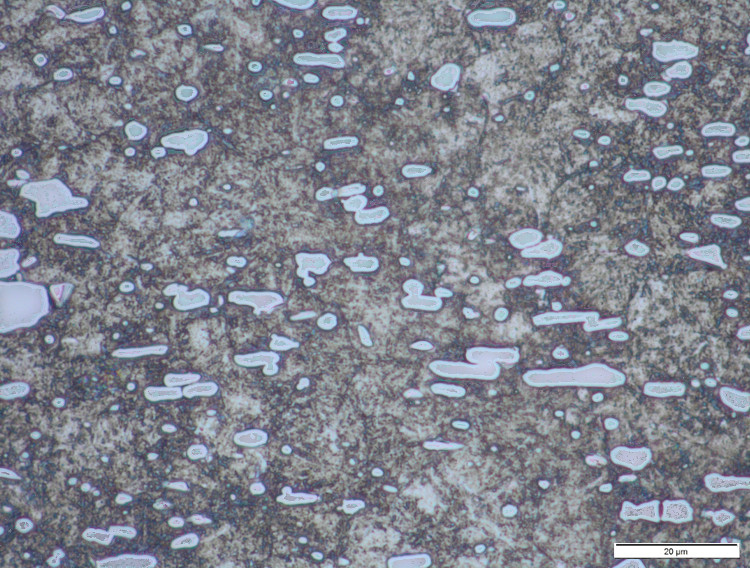
A critical factor in the chronology of steel development was the transition from conventional ingot casting to Powder Metallurgy. In conventional steelmaking, as molten steel cools, large carbides can "segregate" or clump together, creating weak points in the steel’s matrix. D2 tool steel is a classic example of a conventional steel with large, irregular carbides that limit its toughness.
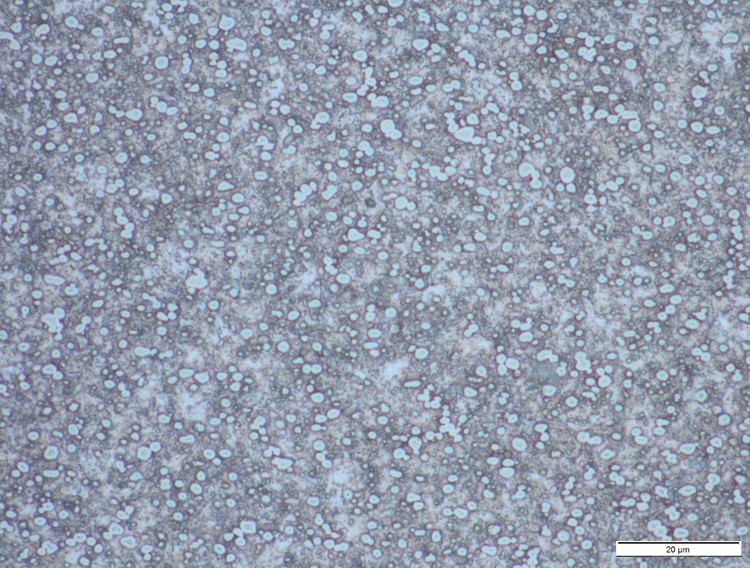
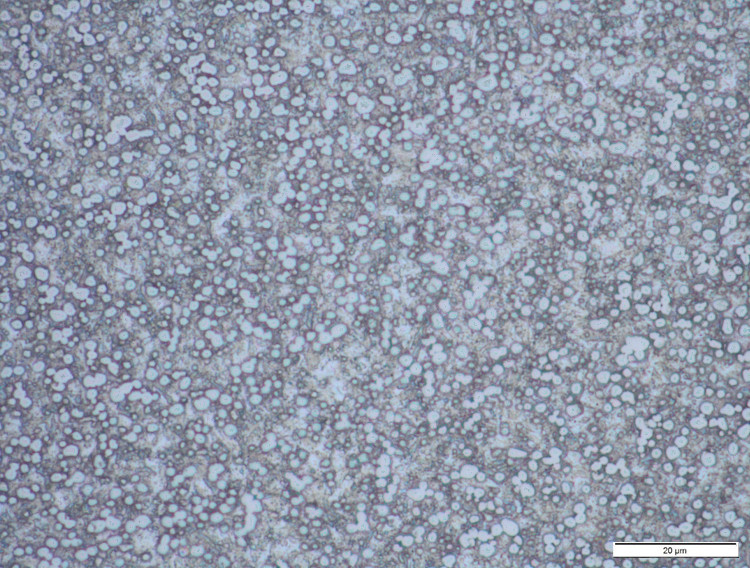
The advent of PM technology allowed for a more refined microstructure. By atomizing molten steel into a fine powder and then consolidating it under high pressure, manufacturers can ensure that carbides remain small and evenly distributed. This technological leap means that a PM steel like CPM-D2 can exhibit significantly higher toughness than its ingot-cast counterpart, despite having an identical chemical composition.
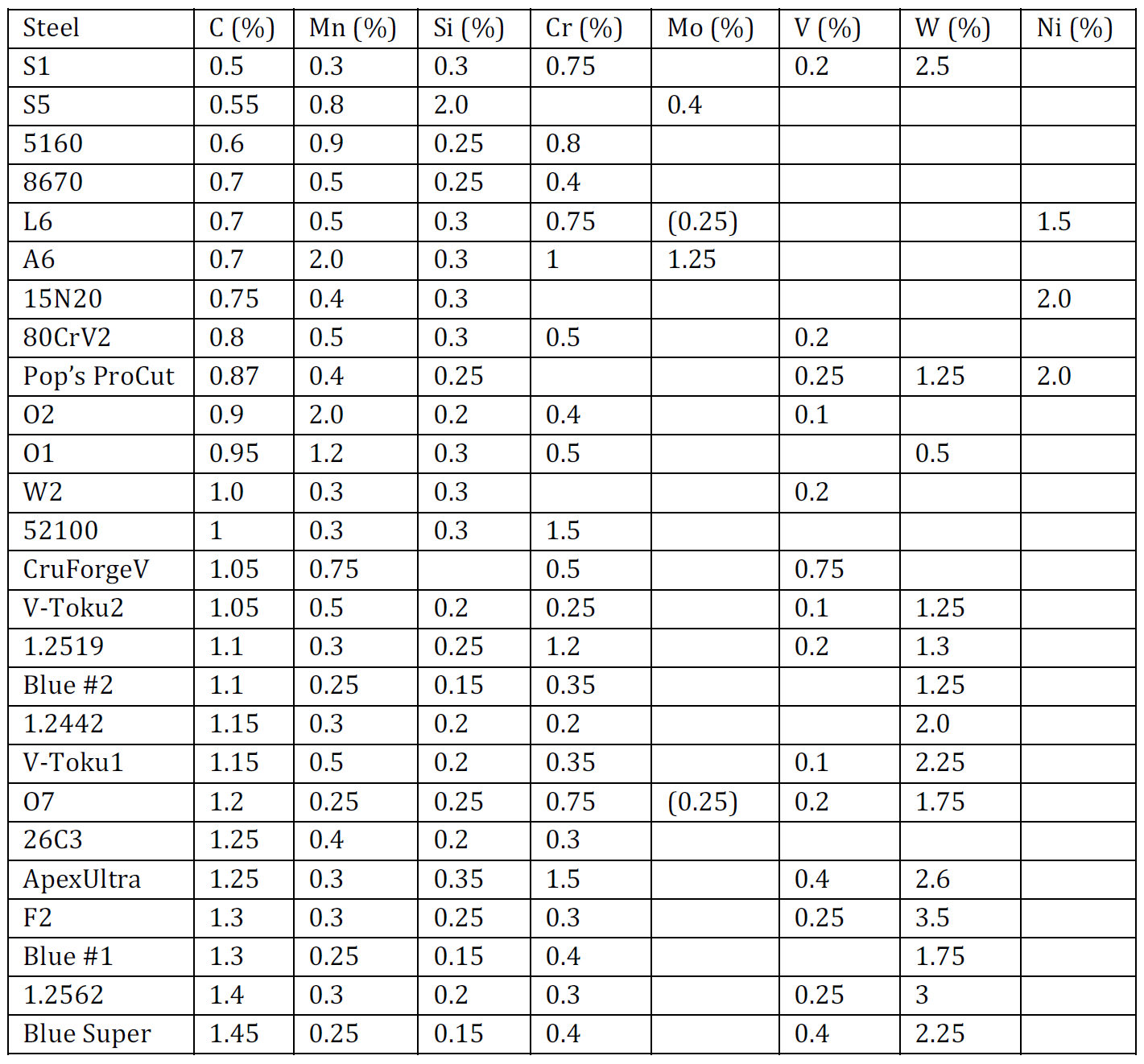
When estimating toughness from a composition chart, the presence of more than 1% carbon in an ingot-cast steel is usually a warning sign of low toughness. However, for PM steels, the drop in toughness is less severe as carbon increases. Furthermore, the "log scale" behavior of toughness means that the difference between 2 ft-lbs and 10 ft-lbs is much more significant in a practical cutting environment than the difference between 50 ft-lbs and 100 ft-lbs, as the latter are both generally "tough enough" for almost any knife application.
Predicting Corrosion Resistance: The Cr/C Ratio
The definition of "stainless steel" has traditionally been any steel containing at least 10.5% chromium. However, this is a simplified rule that frequently fails in practice. Corrosion resistance is not determined by the total amount of chromium in the steel, but by the amount of "chromium in solution"—the chromium that is free to form a protective chromium oxide layer on the surface.
If a steel has high carbon content, much of the chromium will bond with that carbon to form chromium carbides, leaving the remaining steel matrix vulnerable to oxidation. This explains why D2 steel, with 12% chromium, is often called "semi-stainless"; its high carbon content (1.5%) pulls too much chromium out of solution.
A more accurate predictive tool is the Chromium-to-Carbon (Cr/C) ratio. Modern analysis suggests that a ratio of approximately 7:1 or higher is required for true stainless performance in most environments. This model also highlights the "heroic" role of vanadium. Because vanadium has a higher affinity for carbon than chromium does, adding vanadium can actually improve corrosion resistance. The vanadium "steals" the carbon, preventing it from bonding with the chromium and thus leaving more chromium in solution to fight rust. This principle was a cornerstone in the development of MagnaCut, a steel designed specifically to eliminate chromium carbides entirely, resulting in high toughness and extreme corrosion resistance simultaneously.
Chronology of Steel Property Analysis
The ability to estimate these properties has evolved through several distinct eras:
- The Traditional Era (Pre-1970s): Dependence on simple carbon steels (10-series) and early stainless (400-series). Performance was judged by quenching techniques and blacksmithing lore.
- The Tool Steel Integration (1970s–1990s): Industrial tool steels like D2, M2, and A2 were adopted for knives. Performance was higher, but consistency was an issue due to large carbide structures.
- The PM Breakthrough (1990s–2010s): The rise of Crucible’s S30V and similar PM steels. This period saw the first widespread use of high-vanadium alloys in the consumer market.
- The Data-Driven Era (2015–Present): The current period characterized by independent laboratory testing, the publication of comprehensive toughness and CATRA databases, and the use of metallurgical modeling to design "custom" knife steels like MagnaCut and ApexUltra.
Industry Implications and Future Outlook
The capacity to predict steel behavior from a simple composition chart has profound implications for the cutlery industry. For consumers, it provides a "BS detector" against marketing claims of "super steels" that may actually be budget alloys with high-sounding names. For knifemakers, it allows for the selection of the "perfect" steel for a specific task—favoring high-carbon, low-alloy steels for fine-edged kitchen knives where toughness is secondary to thin-geometry stability, or opting for PM high-vanadium steels for heavy-duty folding knives.
Furthermore, this predictive capability is beginning to outpace current Artificial Intelligence (AI) models. While AI can aggregate existing data, it often fails to understand the nuanced relationships between elements, such as the chromium-carbon-vanadium triad. Human metallurgical analysis remains the gold standard for innovation in the field.
As we look toward the future, the boundary of what is possible in steel design continues to expand. The recent development of steels like MagnaMax suggests that we are moving toward a period where the traditional "trade-offs" between toughness, wear resistance, and corrosion resistance are being minimized. By manipulating the carbide types and ensuring maximum elemental efficiency, metallurgists are creating materials that were once thought impossible.
In conclusion, while no estimation is a perfect substitute for laboratory testing, the correlation between a steel’s elemental composition and its real-world performance is stronger than ever. By understanding the roles of carbon as a hardener, vanadium as a wear-resistance enhancer, and the chromium-to-carbon ratio as a guardian of stainlessness, anyone can look at a steel’s "recipe" and accurately forecast how it will perform in the hand. This democratization of metallurgical knowledge ensures that the next generation of knives will be defined not by mystery, but by measurable, predictable excellence.