
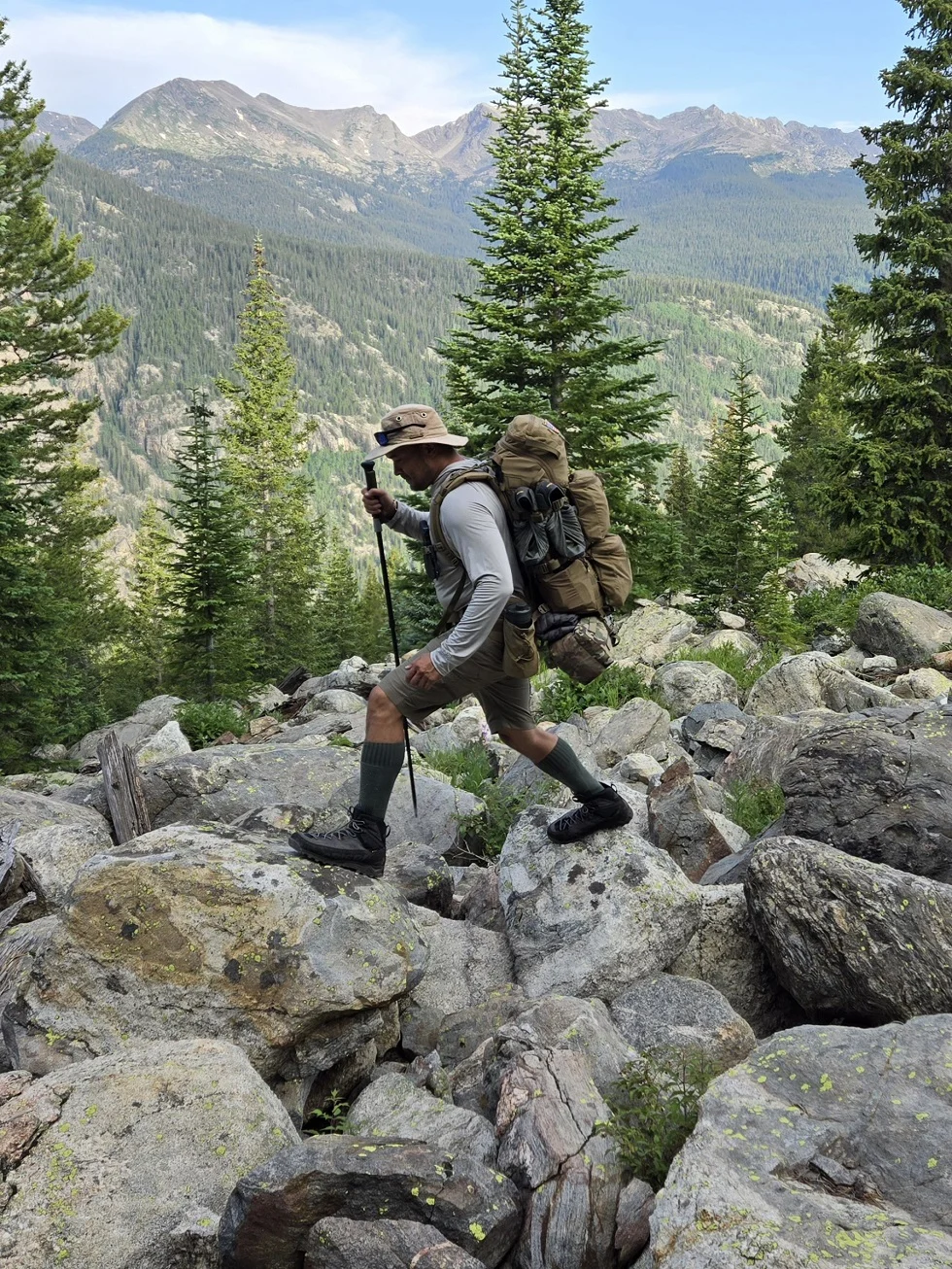
The global outdoor recreation industry is currently valued at approximately $50 billion in the United States alone, driven by a consumer culture that prioritizes high-tech materials, ultralight weights, and specialized equipment. However, a growing consensus among wilderness survival instructors, mountain guides, and safety researchers suggests that this obsession with "hardware" may be obscuring the most critical component of backcountry safety: the "software" of human judgment and competence.
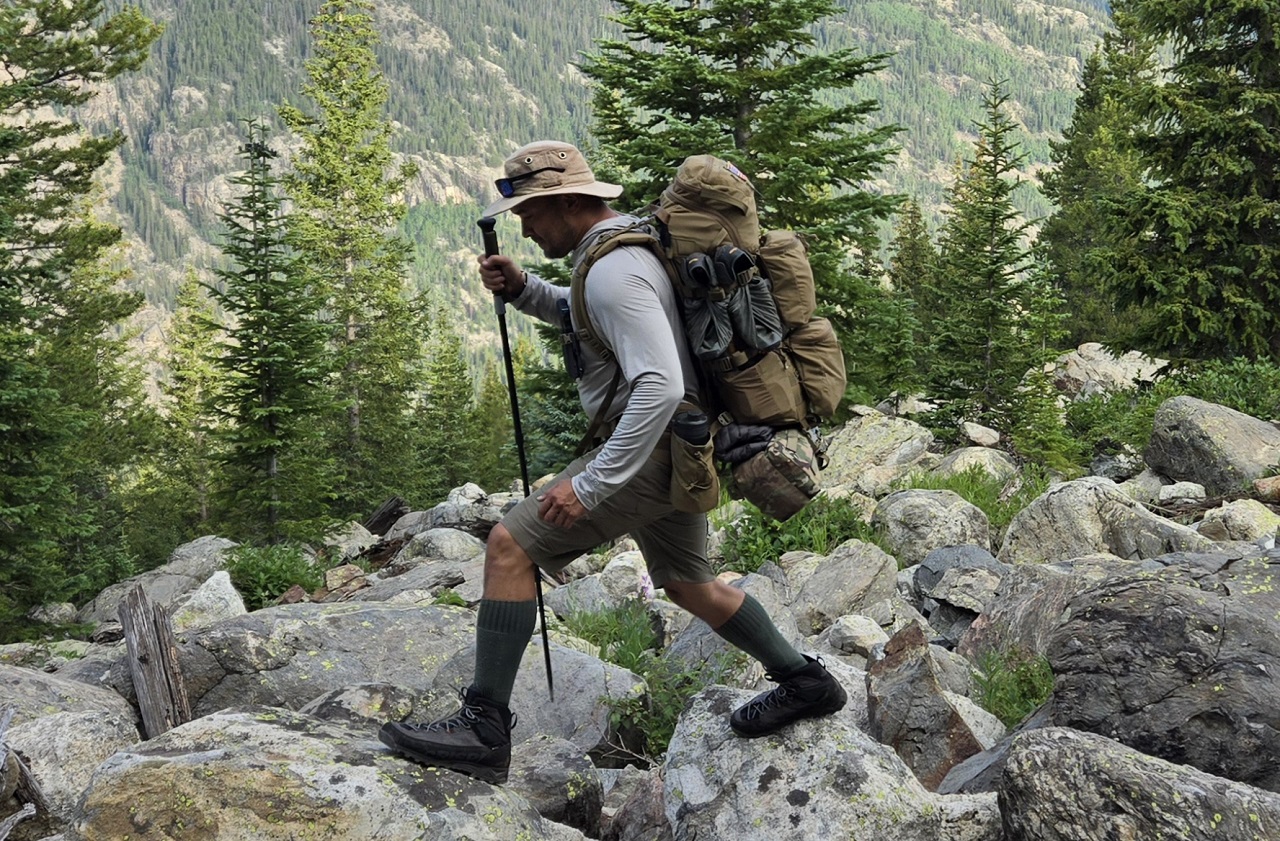
As more novices enter remote environments, experts are observing a recurring pattern of human error that transcends the quality of the gear being carried. From the forgotten headlamp to the misplaced confidence in expensive kits, the gap between owning equipment and possessing the skill to use it has become a primary concern for search-and-rescue (SAR) organizations worldwide. To understand this disconnect, we interviewed three leading authorities who have spent decades analyzing the intersection of human behavior and survival in the wild.
The Competence Gap: Kevin Estela on Maintenance and Utility
Kevin Estela, a prominent survival instructor and author, has spent over twenty years teaching bushcraft across North America. His observations of thousands of students suggest that the primary cause of field failure is rarely the quality of the gear, but rather a lack of familiarity and maintenance.

The Footwear and Maintenance Fallacy
According to Estela, the most frequent point of failure is footwear. "People don’t maintain their boots properly. Soles start de-laminating, or they’ll show up wearing a brand-new pair… they never break them in properly, and then they spend the whole trip dealing with blisters," Estela noted. This highlights a broader issue in the "out-of-the-box" culture, where consumers assume that a high price tag negates the need for a break-in period or routine care.
Estela further emphasized that "hard goods" failures are often logistical oversights rather than mechanical defects. GPS units with drained batteries or flashlights with corroded terminals from previous seasons are common occurrences. In a professional analysis, these are classified as "preventable maintenance failures," which can escalate into life-threatening situations when combined with deteriorating weather.

The "Internet Gear List" Phenomenon
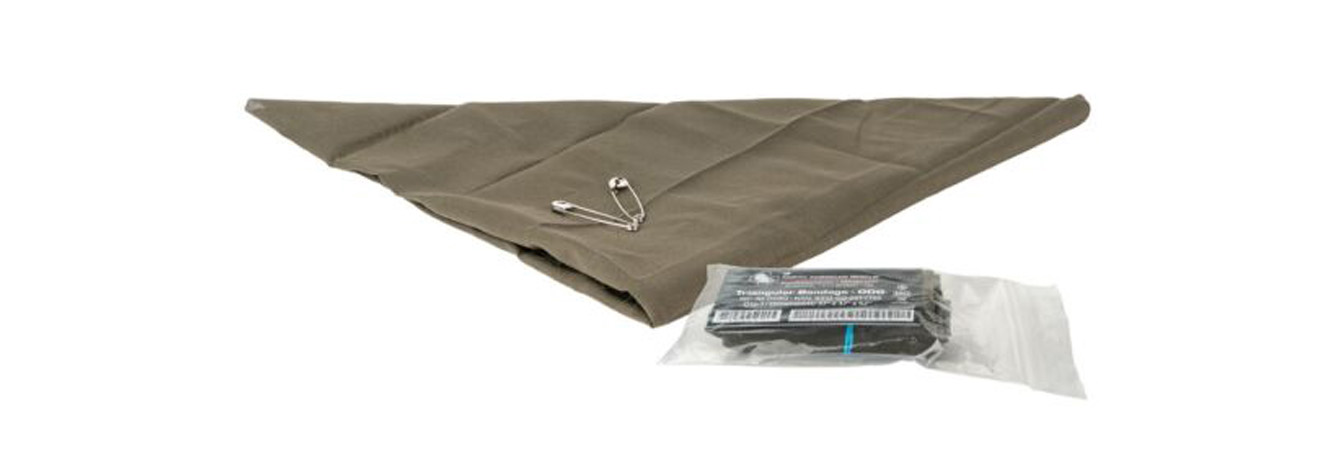
A significant driver of overpacking and improper preparation is the proliferation of unvetted online gear lists. Estela observes students arriving with equipment still in its original factory packaging—paracord wrapped in plastic or tourniquets never practiced with. "You can tell they’ve bought the equipment, but they’ve never actually used it," Estela said. This creates a "false sense of security," where the presence of an item in a pack is mistaken for the ability to deploy it under stress.
Furthermore, Estela points to a trend of "emergency polarization," where individuals pack for dramatic, low-probability survival scenarios (like needing a tourniquet) while neglecting high-probability needs (like basic adhesive bandages or toilet paper). Statistics from various SAR agencies support this, showing that minor injuries often lead to a loss of mobility, which then leads to more serious environmental exposure.
The Psychology of Risk: Ken Wylie and the Judgment Sweet Spot
Ken Wylie, a veteran mountain guide and leadership coach, offers a perspective forged by tragedy. In 2003, Wylie was involved in a massive avalanche in the Selkirk Mountains of British Columbia that claimed seven lives. The incident became a catalyst for his career-long study of the human side of risk and the limitations of technology.
The 2003 Selkirk Avalanche: A Case Study in Decision-Making
On January 20, 2003, a 4.5-magnitude avalanche struck a group of backcountry skiers. While the group was equipped with the latest transceivers, probes, and shovels, the technology could not override the human factors that led them to the slope that day. Wylie’s subsequent work has focused on how "expert halos" and "social proof" can distort judgment.
"Gear empowers us… but that’s where gear is at its best. It expands capability. It doesn’t replace it," Wylie explained. He noted that modern adventurers often develop a dependency on technology, such as GPS, which introduces a new layer of fear: the fear of the device failing. This contrasts with historical navigators—from Polynesian wayfinders to Ernest Shackleton’s crew—who relied on environmental cues and internal skills.
Maintenance as a Survival Skill
Wylie recounted an incident at 19,000 feet on Aconcagua, where a climber’s stove "failed." Upon inspection, Wylie found the stove was simply clogged with carbon—a basic maintenance issue. Without the ability to melt snow for water, the climber faced a lethal dehydration risk. Wylie fixed the stove in two minutes using a toothbrush bristle. This anecdote underscores a critical theme: every piece of high-tech gear is a liability if the user does not understand its mechanical requirements.
Forensic Safety: Ty Gagne on Data and the Smartphone Trap
Ty Gagne, CEO of PRIMEX and a mountain safety researcher, approaches wilderness safety through the lens of risk management and accident data. His work in New Hampshire’s White Mountains—an area known for some of the world’s most volatile weather—provides a quantitative look at why things go wrong.
The 1-3% Rule of Equipment Failure
Gagne’s research into SAR incident reports reveals a startling statistic: true equipment failure accounts for only 1% to 3% of all backcountry emergencies. The remaining 97% to 99% are attributed to human factors, including:
- Exceeding physical or technical ability.
- Inadequate planning or failure to check weather forecasts.
- Navigational errors.
- Improper use of clothing layers (leading to hypothermia).
"The biggest misconception is that gear creates safety. It doesn’t," Gagne stated. He argues that gear should be viewed as an "augmentation" of the user’s existing skills, not a substitute for them.
The Digital Umbilical Cord
Gagne highlights the smartphone as a double-edged sword. While it provides GPS, communication, and light, it also creates a "digital umbilical cord" that encourages users to take greater risks. In the White Mountains, a significant number of rescues are initiated because of depleted phone batteries. Users rely on the phone’s flashlight after staying out too late, only to lose their navigation and communication simultaneously when the battery dies.
This phenomenon, known as "risk compensation," suggests that as gear becomes more capable, individuals tend to push further into dangerous territory without a proportional increase in their personal skill set.
Timeline of the Evolution of Wilderness Preparedness
To understand the current state of wilderness expertise, it is helpful to look at the chronological shift in how humans interact with wild spaces:
- Pre-1900s (The Skill Era): Survival relied on local knowledge, basic tools (knives, wool clothing), and acute environmental awareness.
- 1950s-1980s (The Expedition Era): The development of nylon, internal frame packs, and portable stoves allowed for longer, more ambitious trips, though specialized knowledge remained a barrier to entry.
- 1990s-2010s (The Technological Revolution): The introduction of GPS, breathable waterproof membranes (Gore-Tex), and ultralight materials democratized the outdoors but began the shift toward gear-dependency.
- 2020-Present (The Information Overload Era): Social media and "gear-centric" marketing have led to a surge in outdoor participation. However, data shows a corresponding rise in SAR callouts related to preventable human errors.
Implications for the Modern Adventurer
The collective insights of Estela, Wylie, and Gagne suggest that the outdoor industry and the public must pivot from a product-focused approach to a process-focused one.
Professional Recommendations for Field Readiness
- Run "Slick": Avoid hanging gear on the outside of packs, which can snag and cause balance issues. Internal organization is paramount.
- Pressure-Test Systems: Before embarking on a multi-day trip, users should test their gear in a controlled environment (e.g., a backyard in the rain) to ensure they can operate it under adverse conditions.
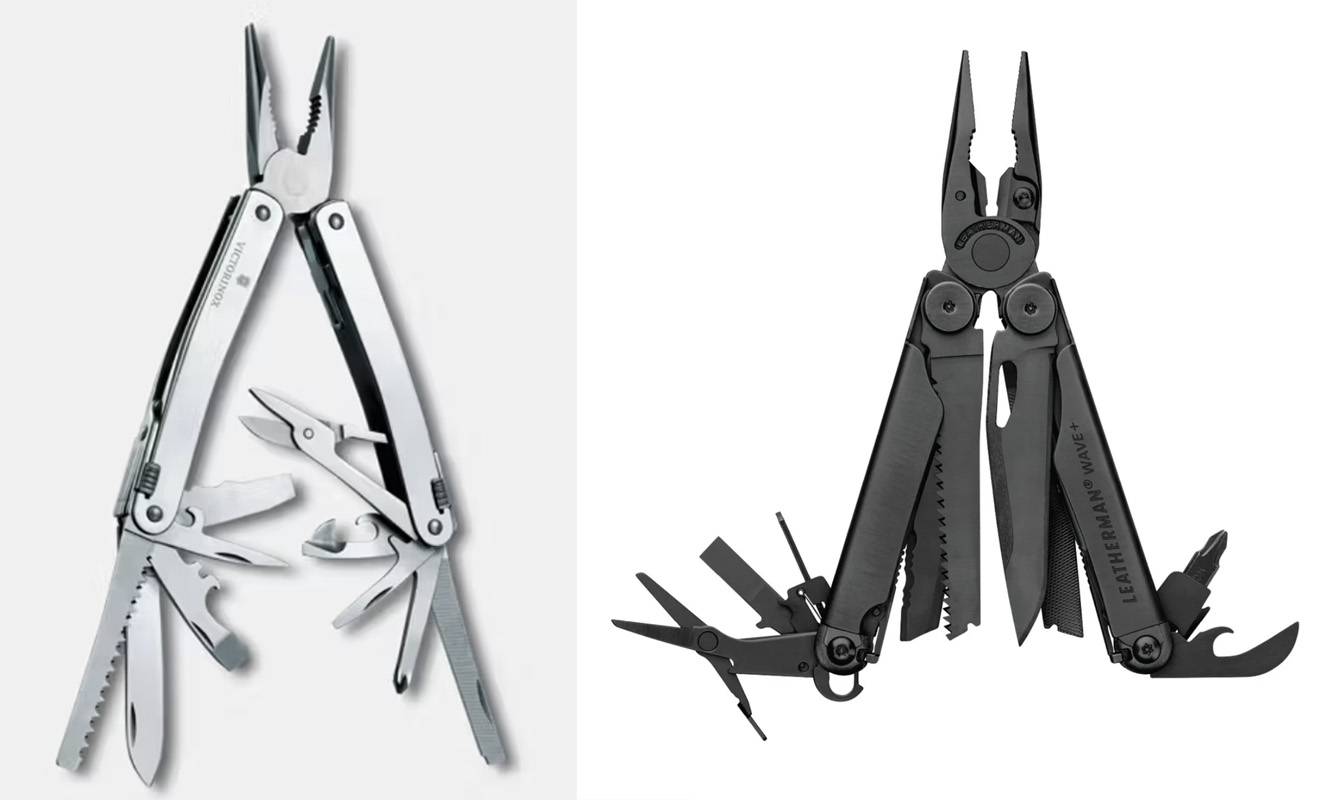
- Focus on Functions, Not Items: Instead of following a rigid checklist, adventurers should think in terms of "cutting needs," "water needs," and "shelter needs." This fosters adaptability.
- Maintain the "Human Software": Investing in a Wilderness First Responder (WFR) course or an avalanche safety seminar provides a higher "return on safety" than purchasing a lighter tent or a more expensive jacket.
The Take-Home
As wilderness environments become increasingly accessible, the distinction between a "tourist" and an "expert" is no longer the quality of their gear. Experts like Kevin Estela, Ken Wylie, and Ty Gagne prove that true safety is found in the ability to troubleshoot a clogged stove, the humility to turn back when the weather shifts, and the discipline to maintain equipment before a crisis occurs.

In the final analysis, gear is a tool that expands the margins of comfort and capability. But when those margins are squeezed by high-altitude winds or sub-zero temperatures, the most valuable asset a person carries is not found in their backpack—it is the judgment, experience, and self-awareness they have cultivated through time spent in the wild. The data is clear: the gear will likely hold up; it is the human that must be prepared.


