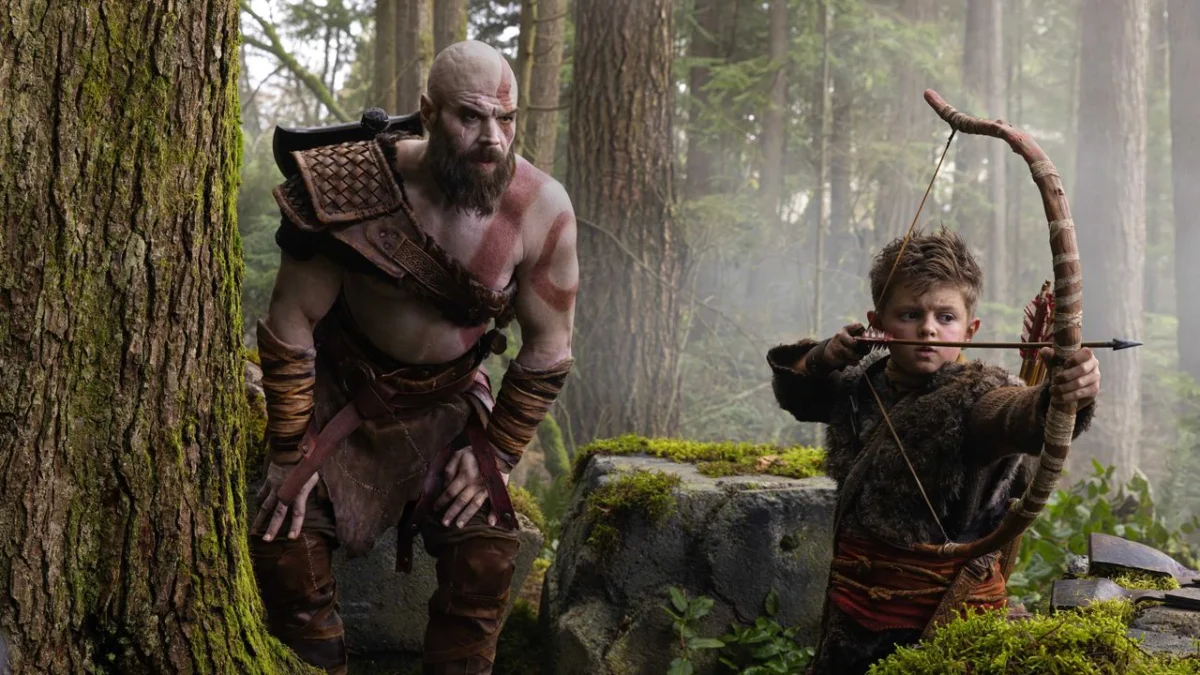
The ambitious live-action adaptation of Sony’s critically acclaimed God of War video game franchise by Amazon Studios has been rocked by a significant production disruption: the pivotal role of Kratos, initially held by actor Ryan Hurst, is set to be recast after Hurst sustained a severe bicep tear on set. This unforeseen injury, which reportedly required surgery and a lengthy recovery period, has forced the production to halt filming and will necessitate a complete reshoot of approximately four episodes already in the can, marking a substantial financial and logistical challenge for the high-profile series. The news, first reported by Deadline citing anonymous sources close to the production, indicates that Kratos will now be portrayed by a new actor, with production aiming to resume by mid-October.
The Genesis of a Setback: Injury on the Mythic Battlefield
The incident involving Ryan Hurst unfolded during a rigorous filming schedule, underscoring the physically demanding nature of portraying the iconic "Ghost of Sparta." Hurst, known for his roles in Sons of Anarchy and The Walking Dead, had reportedly undergone a considerable physical transformation, gaining an estimated 40 pounds of muscle to embody the formidable Kratos. This dedication highlights the actor’s commitment to the role, which requires not only imposing physicality but also a deep dive into the character’s complex emotional landscape. The bicep tear, a common but debilitating injury in high-impact physical activities, rendered Hurst unable to continue filming for the foreseeable future. Medical professionals typically advise several months for full recovery from such an injury, often involving surgery, followed by extensive physical therapy. This timeline proved incompatible with the intense production schedule of a major streaming series, especially one involving a child actor who is expected to share nearly every scene with Kratos.
The decision to recast, while difficult, appears to be a pragmatic move by Amazon and the production team to mitigate further delays and costs. Reshooting four completed episodes, however, is an enormous undertaking. Industry estimates suggest that each episode of a high-budget fantasy series can cost upwards of $15-20 million, meaning the financial implications of this setback could easily run into tens of millions of dollars, not accounting for the opportunity cost of delayed release and the additional wages for cast and crew during the extended production period.
A Franchise’s Epic Journey to Live-Action: Context and Challenges
The God of War franchise, developed by Santa Monica Studio and published by Sony Interactive Entertainment, is one of the most revered and successful properties in video game history. Originating in 2005 on the PlayStation 2, the series initially immersed players in the brutal world of Greek mythology, following Kratos’s vengeful rampage against the Olympian gods. The 2018 soft reboot, simply titled God of War, shifted the narrative to Norse mythology, introducing a more mature, contemplative Kratos grappling with fatherhood alongside his son, Atreus. This iteration, which won numerous Game of the Year awards, redefined the character and narrative scope, garnering immense critical and commercial success. Its sequel, God of War Ragnarök (2022), continued this narrative, solidifying the franchise’s place as a storytelling powerhouse.
Adapting such a beloved and visually distinctive franchise into live-action comes with immense pressure and high expectations. Fans are deeply invested in the lore, character designs, and the very essence of Kratos – his stoicism, his internal struggle, and his iconic appearance. Previous attempts to bring God of War to the big screen had stalled for years, often due to the difficulty of translating the game’s epic scale and brutal combat faithfully, while also capturing its profound emotional depth. Amazon’s announcement of a series adaptation for Prime Video was met with a mixture of excitement and trepidation, given the checkered history of video game adaptations. The creative team behind the series includes Rafe Judkins (showrunner), Mark Fergus, and Hawk Ostby (writers and executive producers), alongside executive producers from Santa Monica Studio and PlayStation Productions, signaling a commitment to authenticity.
Amazon’s Streaming Ambitions and High-Stakes Investments
Amazon Studios has aggressively pursued high-budget, tentpole fantasy and sci-fi adaptations as a cornerstone of its Prime Video strategy. This approach is exemplified by The Lord of the Rings: The Rings of Power, which carries a reported production cost of over $1 billion for multiple seasons. The investment in God of War signals Amazon’s continued commitment to acquiring and developing properties with established global fanbases, aiming to compete directly with Netflix, HBO Max, and Disney+ in the fiercely competitive streaming wars. Such adaptations are seen as crucial for subscriber acquisition and retention.
The God of War series, much like The Rings of Power, is intended to be a flagship title. The recasting of Kratos, therefore, is not merely an inconvenience but a significant hurdle that tests Amazon’s resolve and logistical capabilities. The studio’s response to this challenge will be closely watched by the industry and fans alike, as it reflects on their ability to manage complex, large-scale productions under pressure.
The "First Look" Controversy and Fan Engagement
Prior to Hurst’s injury, the production had already faced its first wave of public scrutiny following the leaked "first look" photo of Kratos. This unofficial image, which quickly went viral, sparked widespread debate across social media and gaming forums. Many fans expressed concerns over Hurst’s appearance, specifically questioning whether his physique adequately captured the imposing, god-like presence of Kratos as depicted in the games, particularly the older, more "dad-bod" version from the Norse saga. While some defended the artistic choices and urged patience, others were vocal in their skepticism, fearing a misinterpretation of the character.
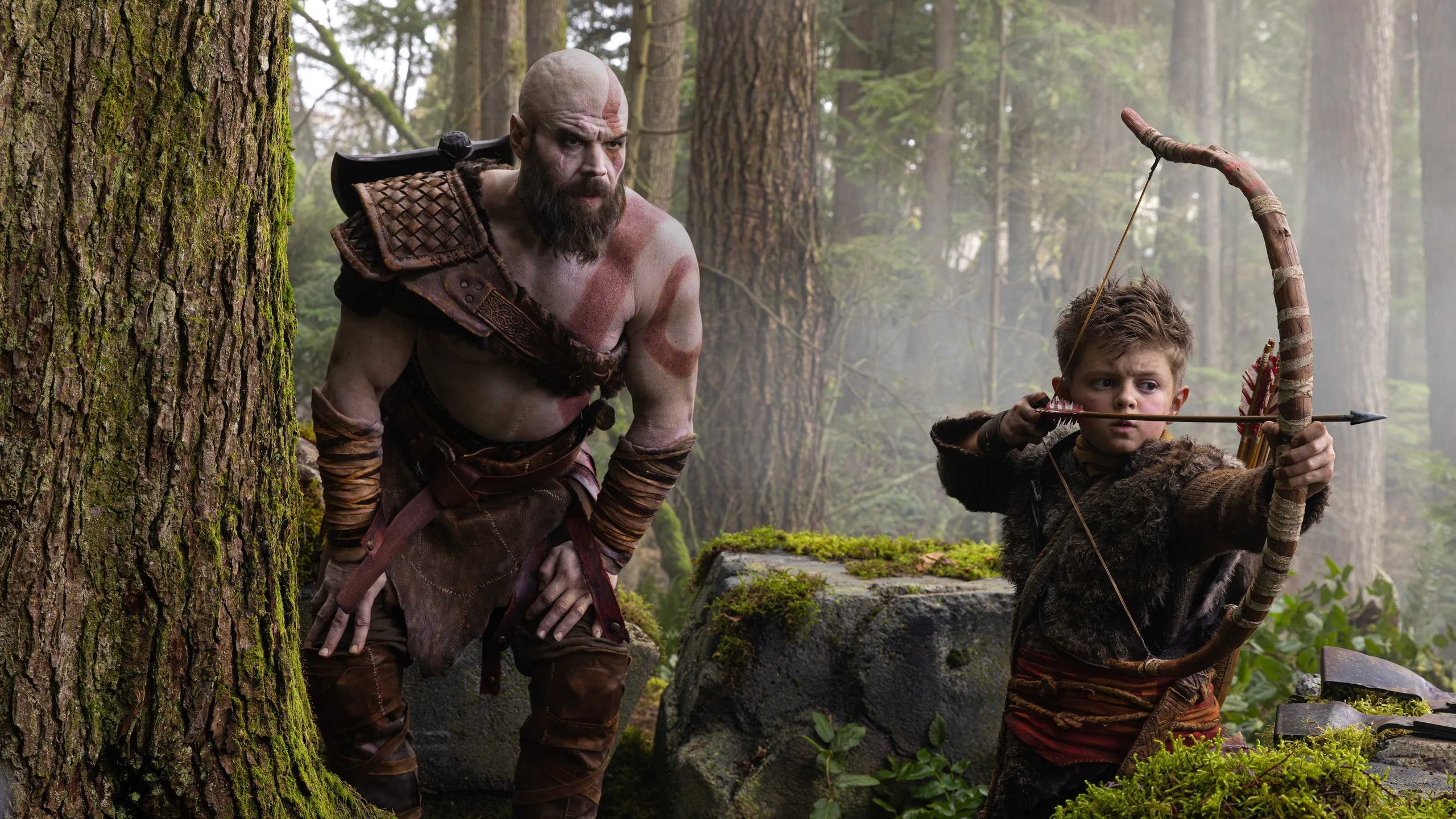
This early, albeit unofficial, public reaction highlights the intense scrutiny and emotional investment fans have in beloved characters. The recasting, while born out of unfortunate circumstances, inadvertently offers the production a chance to address some of these initial concerns, or at least reset the public perception. The choice of the new actor will undoubtedly be analyzed under a magnifying glass, with fans eager to see if the new portrayal aligns more closely with their vision of Kratos.
Logistical and Financial Fallout: The True Cost of a Reshoot
Reshooting four episodes is an immense undertaking, affecting every facet of the production. The logistical nightmare includes:
- Scheduling Conflicts: Re-coordinating the schedules of dozens, if not hundreds, of cast and crew members, many of whom may have other commitments. The child actor playing Atreus, for example, has strict working hour regulations that must be adhered to.
- Location Availability: Re-securing filming locations, which might have been booked for other productions or seasonal changes.
- Budget Overruns: The most immediate and tangible impact. Every day of filming costs hundreds of thousands, if not millions, of dollars. Reshooting means paying for sets, costumes, special effects, crew wages, and actor salaries all over again for previously completed work. This can lead to significant budget inflation, potentially delaying other projects or reducing funds for future seasons.
- Creative Continuity: Ensuring that the new actor seamlessly integrates into the already established creative vision. This involves not just physical resemblance but also vocal performance, mannerisms, and chemistry with the rest of the cast.
- Post-Production Delays: The entire post-production pipeline – editing, visual effects, sound design, scoring – will be pushed back, impacting the projected release date.
While no official statement on the financial impact has been released, industry experts suggest that such a major setback for a series of this scale could add anywhere from 20% to 50% to the initial budget for the affected episodes.
The Search for the Next Kratos: Qualities and Considerations
The casting team now faces the daunting task of finding a new Kratos under considerable time pressure. The ideal candidate will need to possess:
- Imposing Physicality: A commanding screen presence and the ability to convey immense strength and power, possibly with less need for extensive physical transformation given the expedited timeline.
- Deep Emotional Range: Kratos is not merely a brute; he is a tortured soul, a grieving father, and a man struggling with his past. The actor must be capable of conveying this complex inner world.
- Chemistry with Atreus: The father-son dynamic is central to the modern God of War narrative, requiring a strong and believable bond with the young actor portraying Atreus.
- Availability and Commitment: Given the rigorous schedule and the need for immediate commencement, the new actor must be available for an extended period.
- Fan Acceptance: While not the primary criterion, a choice that resonates positively with the passionate fanbase would be a significant bonus.
The original article mentions Ryan Hurst’s voice acting role as Thor in God of War: Ragnarök, highlighting his existing connection to the franchise. This makes his departure even more poignant. Speculation regarding potential replacements will undoubtedly begin immediately, with fans and industry observers proposing various actors who might fit the bill. Names often bandied about in fan castings for Kratos include performers known for their physical roles and commanding presence, such as Dave Bautista, Jason Momoa, or even other actors who have undergone significant transformations for roles.
Official Responses and Forward Momentum
While Amazon Studios and the production team have yet to issue a formal statement regarding the recasting, it is highly probable that one will be forthcoming once the new actor is secured. Such a statement would likely emphasize the studio’s unwavering commitment to the God of War series, express regret over Ryan Hurst’s injury and his departure, and reassure fans of their dedication to delivering a high-quality adaptation. Prioritizing the health and safety of their cast and crew would also be a key message.
The planned restart of production by mid-October suggests an aggressive timeline for finding a replacement and getting the show back on track. This indicates that the studio is keen to minimize further delays and get the series to audiences as swiftly as possible, despite the significant creative and financial hurdles.
Broader Implications for the Industry
This incident serves as a stark reminder of the inherent risks in large-scale physical productions, especially those based on action-heavy video games. Set injuries are a persistent challenge in Hollywood, leading to significant delays and costs. This event could prompt other studios and production companies to review their on-set safety protocols and contingency plans for key talent, particularly in physically demanding roles. It also underscores the delicate balance between creative vision, practical execution, and fan expectations when adapting beloved intellectual properties.
The God of War series remains one of the most anticipated upcoming titles for Prime Video. Despite this substantial setback, the underlying strength of the source material and Amazon’s significant investment suggest a strong will to see the project through. The new Kratos will inherit a role laden with expectation and history, and their performance will be crucial in defining the series’ success. For now, the focus shifts to a rapid recasting and the monumental task of rebuilding what has already been shot, as Amazon endeavors to bring the epic saga of Kratos and Atreus to life on the small screen, overcoming the trials of real-world production.