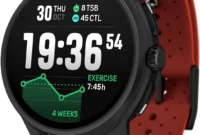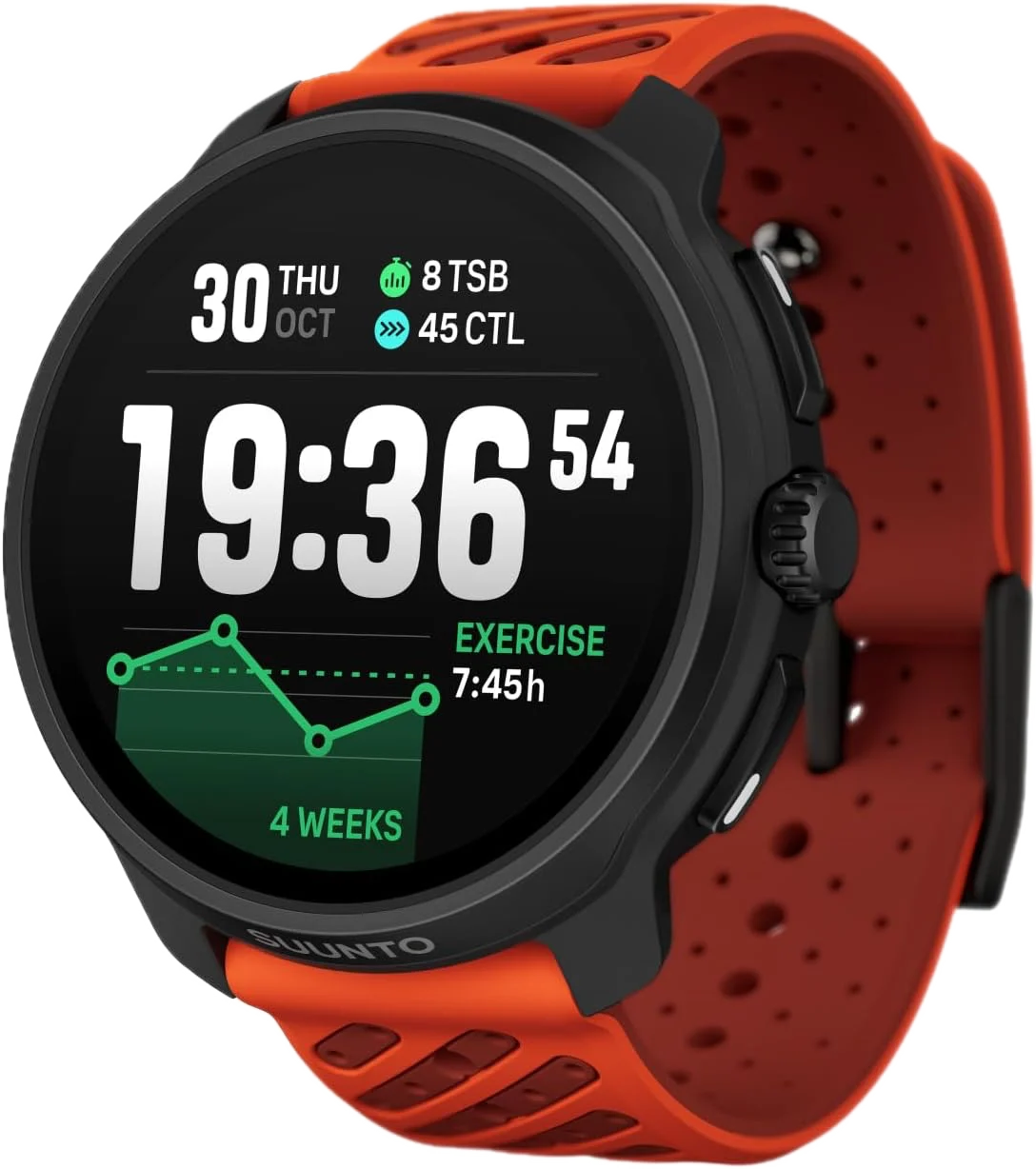
Suunto has officially announced the rollout of its comprehensive Q2 software update, introducing a suite of new features and performance enhancements across its high-end wearable lineup and mobile application ecosystem. This latest release, which follows the company’s established quarterly cadence, brings significant improvements to navigation, training metrics, and environmental data. However, the update marks a notable strategic pivot for the Finnish manufacturer, as the primary firmware enhancements are focused exclusively on the latest generation of hardware, specifically the Suunto Race 2 and the Suunto Vertical 2. This decision highlights an evolving approach to software support within the sports technology industry, mirroring trends seen in competitors like Garmin and Wahoo, where cutting-edge features are increasingly tethered to the processing capabilities of newer internal components.
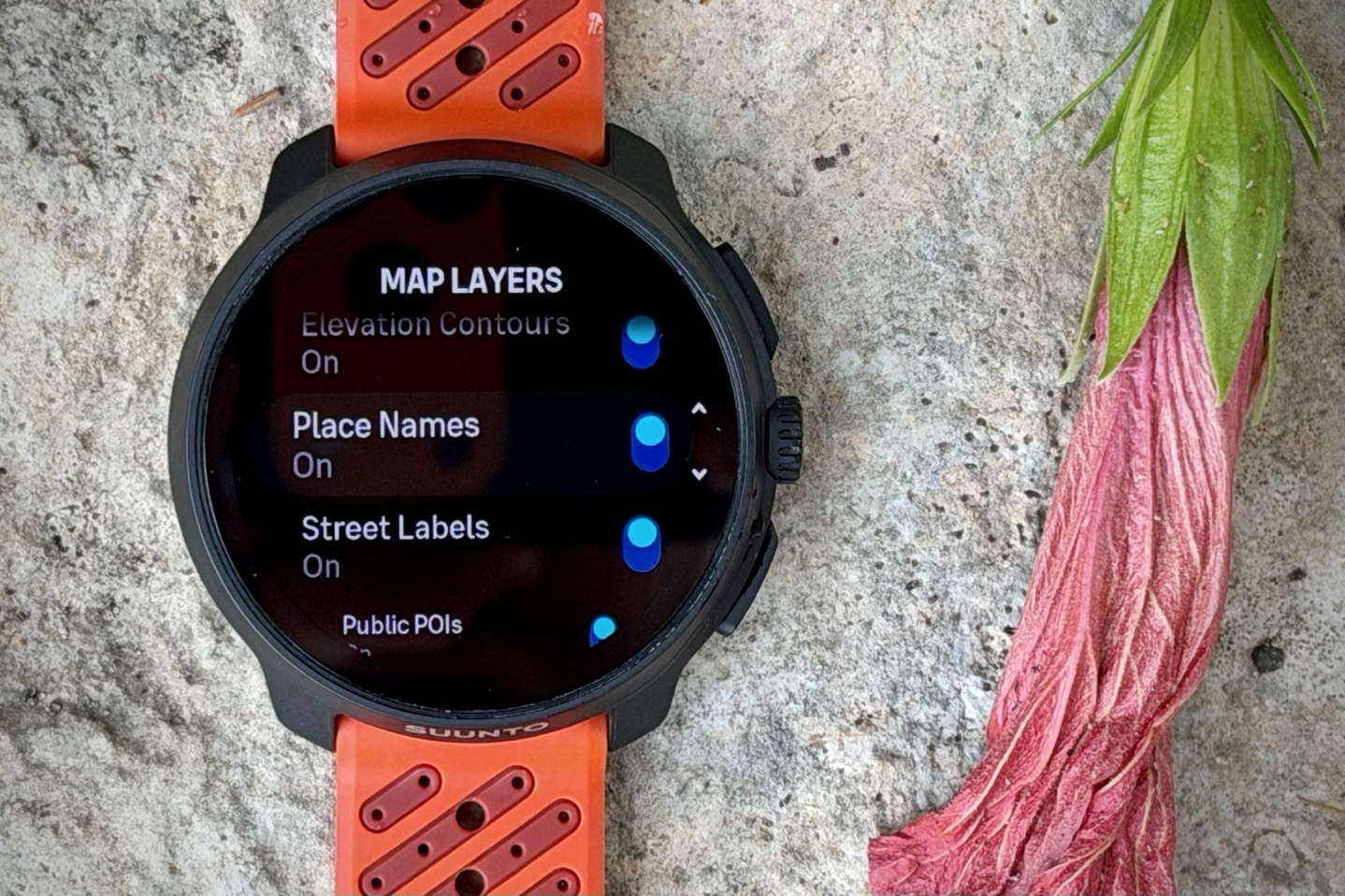
The centerpiece of the Q2 update is a substantial overhaul of the on-device mapping system. For outdoor enthusiasts and navigators, Suunto has introduced several high-demand map layers and labeling features designed to improve situational awareness in the field. Users can now toggle specific labels for water features and mountain peaks, allowing for more precise orientation during trail running, hiking, or mountaineering. Furthermore, the map interface now supports a layer selection option, enabling users to customize their view by enabling or disabling contour lines, place names, street labels, and points of interest (POI). This granular control allows athletes to declutter their screens or highlight essential topographical data depending on the environment.
In a move that addresses a long-standing request from the Suunto community, the update dramatically expands the device’s internal route storage capacity. Previously limited to just 15 routes, the Suunto Race 2 and Vertical 2 can now store up to 200 individual routes. This expansion is particularly critical for long-distance endurance athletes and travelers who may spend weeks away from a reliable data connection or who wish to maintain a vast library of training paths directly on their wrist. By removing the 15-route bottleneck, Suunto aligns its hardware more closely with the storage expectations of the modern adventure watch market.
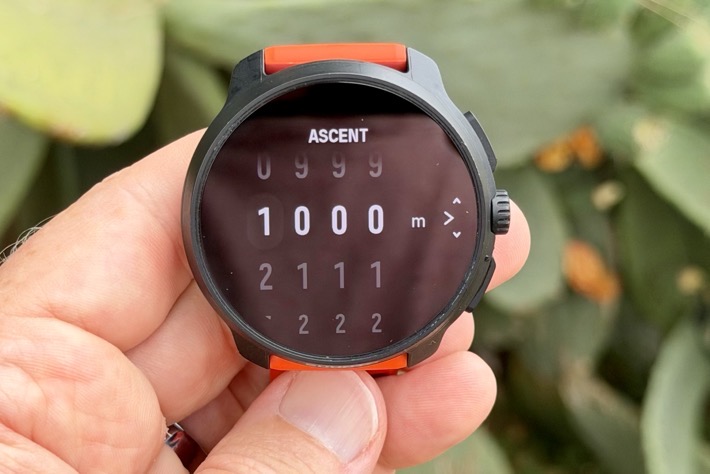
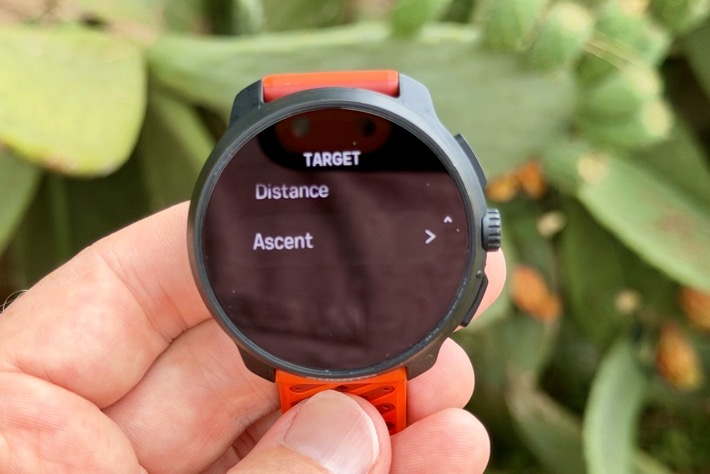
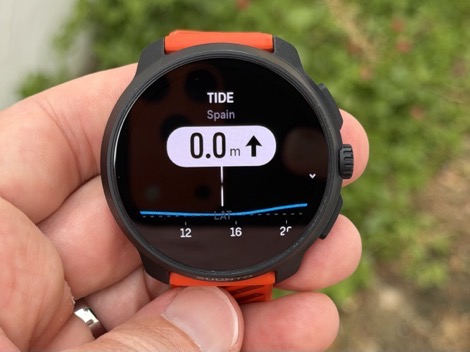
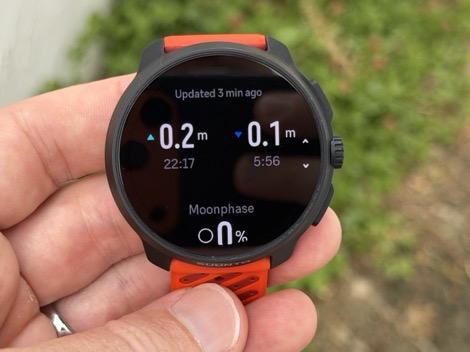
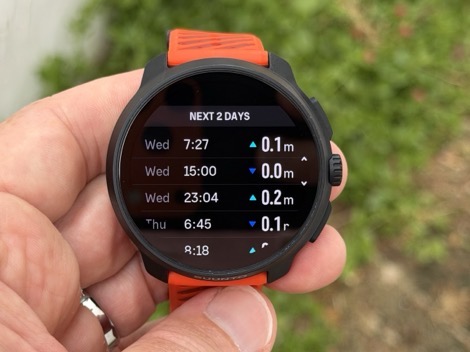
Complementing the navigation updates is a new training metric: the vertical gain target. This feature allows users to set a specific ascent goal in vertical meters during a workout. For trail runners and cyclists training for high-altitude races or specific mountain stages, this provides a real-time tracking mechanism to ensure they meet their elevation quotas. Additionally, Suunto has integrated a tides forecast feature. Unlike some competitors that maintain a permanent offline database of tidal information, Suunto’s implementation relies on data synced from the companion app. This requires the watch to be in proximity to a smartphone to update local tidal charts, providing high and low tide timings and water levels for the user’s current or selected location. While this ensures the data is current, it necessitates a level of connectivity that users in remote coastal areas must plan for in advance.
From a technical and connectivity standpoint, the update introduces a QR code pairing option to streamline the initial setup between the watch and the Suunto app. This method reduces the friction often associated with Bluetooth discovery and ensures a more reliable first-time connection. Furthermore, Suunto has optimized the synchronization of SuuntoPlus apps. By implementing data compression techniques, the company has increased the speed at which these micro-apps are transferred to the device, minimizing the wait time for users looking to add new data fields or third-party integrations before a workout.
The Suunto mobile application has also received a series of significant upgrades to enhance the post-activity analysis and planning experience. New shading options have been added to the 3D map view, which helps users visualize the steepness of terrain more effectively. A new "City Map" type has also been introduced, featuring 3D styling for buildings, which provides a more immersive experience for urban runners and cyclists. To cater to the social aspects of fitness tracking, the app now includes updated sharing overlays and backgrounds. These allow users to create visually compelling summaries of their activities, featuring key stats like power, distance, and pace, which can be shared across social platforms. The user profile interface has also been redesigned to better highlight personal records and earned badges, fostering a sense of progression and achievement.
For the diving community, Suunto has extended updates to the Suunto Ocean, its hybrid dive and sports watch. These updates lean heavily into professional-grade diving requirements. The inclusion of a Closed Circuit Rebreather (CCR) mode brings the Ocean in line with Suunto’s dedicated EON dive computer series, catering to technical divers. The device now supports multiple tank pods, allowing divers to monitor gas pressure across several cylinders simultaneously. Other enhancements include new Time-to-Surface (TTS) values, support for heart rate belts during dives, and various bug fixes aimed at improving the stability of the dive maps.
The strategic significance of this update cannot be overlooked. By limiting these features to the Race 2 and Vertical 2, Suunto appears to be signaling a shift in its long-term support model. In previous years, Suunto was known for bringing new features to older models, sometimes several years after their initial release. However, the exclusion of the original Suunto Race and the Suunto Race S—models that were updated as recently as April—suggests that the hardware requirements for advanced mapping and high-capacity storage may be outstripping the capabilities of older chipsets. This puts Suunto in a similar position to Garmin, which often segments its software features based on hardware generations. In contrast, COROS has recently pushed firmware updates to its previous-generation units, maintaining a different approach to customer longevity.
Industry analysts suggest that this shift is likely driven by the increased memory and processing power required to handle high-resolution map layers and the storage of 200 routes. As wearable displays move toward higher resolutions and AMOLED technology, the backend processing required to render maps with multiple togglable layers becomes significantly more demanding. For Suunto, focusing on the latest hardware allows the development team to optimize performance without being tethered to the constraints of legacy hardware architectures.
The rollout of the Q2 update follows a consistent timeline for Suunto, which has maintained its quarterly release schedule despite the competitive pressures of the wearable market. This cadence is designed to provide users with a steady stream of improvements, ensuring that the devices remain competitive against the rapid release cycles of tech giants like Apple and Samsung. The April update focused heavily on general performance and UI refinements, whereas this July release prioritizes functional utility for outdoor navigation and specialized sports.
User reactions to the update have been largely positive, particularly regarding the route storage and mapping enhancements. However, some owners of the first-generation Suunto Race and Vertical models have expressed concern regarding the lack of parity. While these older devices remain highly functional and will likely continue to receive security patches and minor bug fixes, the "feature gap" between generations is becoming more pronounced. This reflects a broader trend in the consumer electronics industry where software innovation is increasingly used as a primary driver for hardware upgrades.
As the update reaches global markets, Suunto continues to position itself as a premium choice for the "authentic" outdoor athlete. By integrating professional diving features with high-end endurance metrics, Suunto is carving out a niche that spans multiple disciplines. The focus on vertical gain targets and detailed topographical mapping reinforces the brand’s heritage in mountain sports.
Looking ahead, the implications of this update suggest that Suunto is doubling down on its ecosystem. The integration between the app’s 3D mapping and the watch’s navigation features creates a more cohesive experience for route planning and execution. As the company prepares for the second half of the year, the industry will be watching to see if this hardware-specific update strategy continues. For now, owners of the Suunto Race 2 and Vertical 2 can enjoy a significantly more capable device, while the broader market observes Suunto’s evolution from a hardware-centric manufacturer to a software-driven outdoor technology leader. The Q2 update is available now through the Suunto app, with a staged rollout expected to reach all compatible devices within the coming days. Owners are encouraged to connect their watches to the app to check for the firmware notification and ensure their mobile application is updated to the latest version to access the new mapping and sharing features.