









The annual retail phenomenon known as Black Friday Week has officially commenced, and Amazon has positioned its proprietary hardware lineup at the forefront of its promotional strategy. As of November 21, 2026, the retail giant has initiated a series of aggressive price reductions across its ecosystem, ranging from premium television displays to compact smart home peripherals. This year’s event, which spans from November 19 through November 30, represents a significant push by the company to bolster the adoption of its Alexa+ enabled hardware, integrating the latest advancements in artificial intelligence and smart home connectivity into the daily lives of consumers.
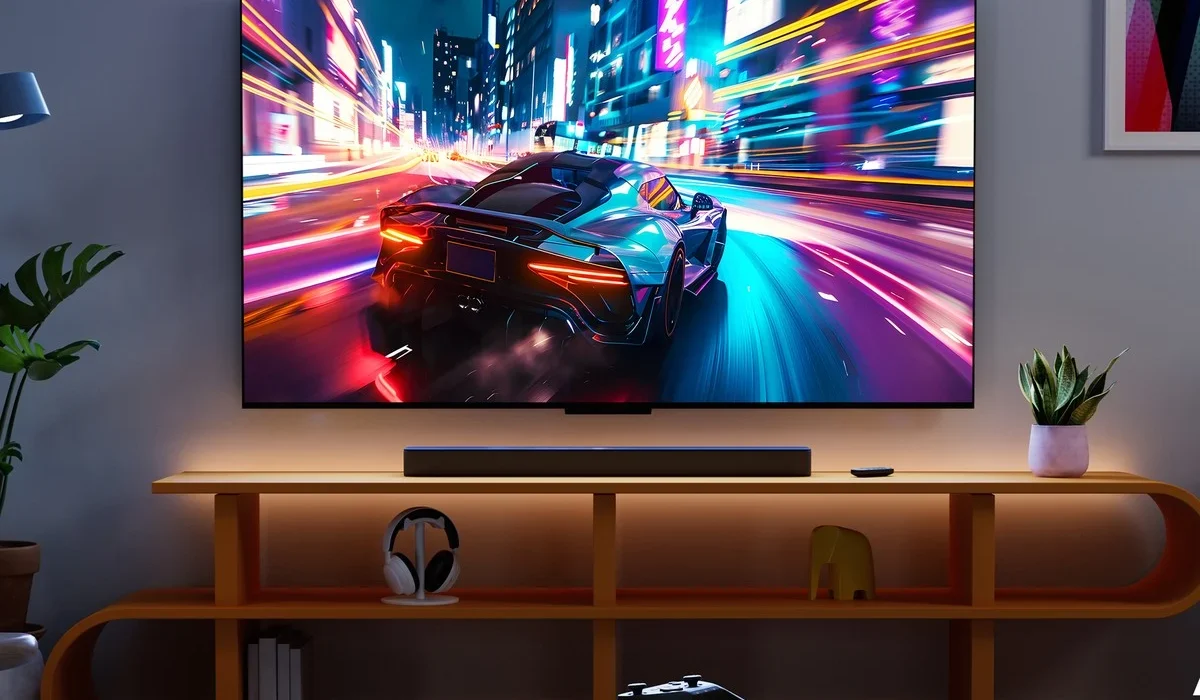
The most notable offer currently available is the Amazon Ember 55-inch Mini-LED television. Priced at $449.99, this represents a 45% discount from its standard $819.99 list price. This display technology, formerly branded under the Fire TV Omni Mini-LED moniker, signifies Amazon’s ongoing commitment to competing in the premium television segment.
Technological Specifications and Market Positioning
The Amazon Ember 55-inch unit is engineered to deliver high-fidelity visual performance, utilizing a 4K QLED mini-LED panel. The technical architecture includes 512 local dimming zones, which are essential for achieving deep contrast ratios and minimizing light bleed in dark scenes. With a peak brightness capacity of 1,400 nits, the display is well-suited for high dynamic range (HDR) content, bolstered by Dolby Vision IQ support. For the gaming demographic, the inclusion of a 144Hz gaming mode provides a competitive edge, ensuring fluid motion handling and reduced input latency.
These specifications place the Ember series in direct competition with mid-range offerings from established display manufacturers. By utilizing the 2026 Fire TV operating system, Amazon is leveraging its vertical integration, ensuring that the software experience is optimized for the hardware’s specific capabilities. The transition from the "Fire TV Omni" branding to "Amazon Ember" suggests a rebranding effort aimed at establishing a distinct identity for their high-end hardware, though consumers should be aware that initial shipping units may still feature the legacy packaging.
Chronology of the 2026 Black Friday Event
The current promotional cycle follows a well-established timeline for Amazon’s holiday retail strategy.
- November 19, 2026: The official commencement of Black Friday Week, characterized by the rollout of "Millions of Deals" across all product categories.
- November 21, 2026: Mid-week assessment of inventory levels and pricing adjustments. This period typically sees the most stable pricing before potential fluctuations as the event approaches its conclusion.
- November 30, 2026: The final day of the promotional window. Historically, this date marks the conclusion of the primary sales event, transitioning into Cyber Monday deals.
This year’s event has been structured to sustain consumer interest over a twelve-day period, a deviation from the traditional single-day sales model of previous decades. This shift reflects the broader industry trend of "Holiday Creep," where retailers extend promotional periods to manage logistics, inventory flow, and consumer demand more effectively.
Diversification of the Echo Smart Home Lineup
Beyond visual hardware, Amazon has placed a strong emphasis on its Echo smart home ecosystem. Several key devices have seen price reductions of 35% to 50%, highlighting a strategy to expand the penetration of Alexa+ enabled devices.
The Echo Time (Graphite) is currently listed at $99.99, reflecting a 50% discount from its $199.99 MSRP. Positioned as a specialized bedside assistant, the device features a customizable display, smart alarm management, and integrated ambient noise generation. More importantly, it functions as a built-in smart home hub, allowing for the centralized control of Zigbee, Matter, and Thread-enabled devices.
The compact Echo Show 5 (Glacier White) is retailing at $54.99, a 45% decrease from its $99.99 list price. Amazon has touted hardware improvements in this model, specifically focusing on audio quality, promising double the bass response and improved vocal clarity. This is intended to address previous consumer feedback regarding the limited audio profile of smaller smart displays.
In the mid-range segment, the Echo Show 8 (Graphite) and Echo Show 11 (Graphite) are priced at $129.99 and $154.99, respectively. Both models represent a significant departure from older generations, integrating spatial audio capabilities and serving as the foundational nodes for the new Alexa+ framework. The Echo Show 11, with its 11-inch Full HD screen, is designed to serve as a comprehensive dashboard for household management, security camera monitoring, and media consumption.
The Evolution of Digital Reading: The Kindle Colorsoft
A significant inclusion in this year’s sale is the 2024 Kindle Colorsoft (16 GB, no ads) at $169.99. This device represents Amazon’s foray into color e-ink technology. Featuring a 7-inch color display, it allows for color highlighting and high-contrast text rendering, addressing a long-standing request from the Kindle user base. It is essential for consumers to distinguish between the 2024 model and subsequent iterations; the newer versions, retailing for $289.99, contain updated internal hardware and slightly higher refresh rates, but the 2024 model provides a similar fundamental experience at a lower price point.
Official Perspectives and Market Implications
In its official statements regarding the 2026 holiday season, Amazon emphasized the intent to "deliver joy" through accessible technology. While these statements are primarily promotional, industry analysts interpret these deep discounts as a strategic move to secure ecosystem loyalty. By lowering the entry barrier for smart home hubs and high-end displays, Amazon ensures that users remain within the Alexa+ infrastructure, which facilitates ongoing service subscriptions and content purchases.
The pricing strategy also reflects the current state of the global consumer electronics market. With inflationary pressures impacting discretionary spending, retailers are forced to offer deeper discounts to maintain volume. The 45% discount on the Ember 55-inch TV is a prime example of this "value-driven" marketing. By moving units at these price points, Amazon effectively subsidizes its market share growth, potentially offsetting lower margins with increased digital services engagement.
Strategic Analysis of Consumer Considerations
Consumers engaging with these sales should maintain a degree of caution. Amazon’s dynamic pricing algorithms ensure that prices may fluctuate based on inventory levels and regional demand. It is standard practice to verify the final price at checkout, as promotional codes or localized taxes may influence the total cost.
Furthermore, the integration of the "Alexa+" platform across all new devices suggests that Amazon is pivoting toward a more proactive, AI-driven smart home experience. The hardware, while capable on its own, is designed to perform at its peak when connected to the wider suite of Amazon services. Potential buyers should consider the compatibility of these new devices with their existing smart home setups. For those relying on non-Amazon protocols, the built-in hubs in the Echo Show and Echo Time units provide a degree of interoperability, but users should verify support for their specific legacy devices.
Conclusion
The 2026 Amazon Black Friday Week sale is characterized by a high degree of aggressive pricing on flagship hardware. The Ember Mini-LED series represents a pivot toward premium display quality, while the discounted Echo lineup serves to solidify the Alexa+ ecosystem within the home. As the sale concludes on November 30, the data suggests that these promotions are not merely short-term inventory clearance measures, but rather a long-term strategy to capture the consumer smart-home market through a combination of high-value hardware and integrated software services. Consumers are encouraged to finalize their purchasing decisions prior to the end of the promotional period to ensure availability and secure the current discount tiers.