






In the digital forums, chat rooms, and specialized marketplaces dedicated to consumer goods and outdoor equipment, conversations almost universally narrow down to a rigid binary: price and performance. Consumers and reviewers endlessly debate acquisition costs, durability metrics, waterproof ratings, and whether a particular product justifies its investment. These metrics are undeniably foundational to the multi-billion-dollar gear industry, offering quantifiable data points that allow for straightforward comparisons. However, a deeper examination of consumer behavior, material culture, and cognitive psychology reveals that physical possessions serve vital psychological, narrative, and social functions that cannot be captured on a traditional spec sheet.
Long after superior alternatives enter the market, individuals routinely cling to battered, obsolescent backpacks, frayed jackets, and dented water bottles. This phenomenon points to an emotional architecture of personal property that spans far beyond utility. To fully understand why humanity treasures the objects it carries, wears, and utilizes, it is necessary to examine the broader sociological and psychological frameworks governing our relationship with material culture.
The Three-Tiered Framework of Product Interaction
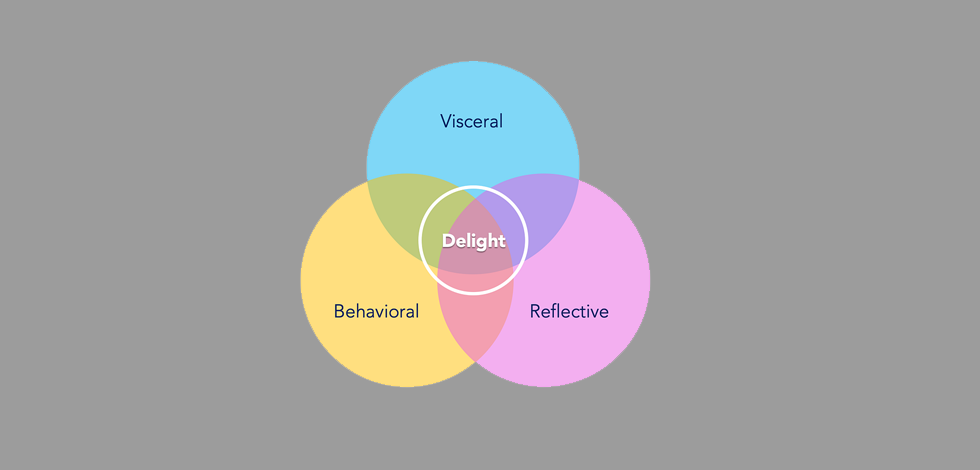
To understand the multifaceted value of physical goods, cognitive scientist Don Norman established a foundational paradigm in his seminal work, Emotional Design. Norman posits that human interactions with manufactured objects occur across three distinct psychological levels: visceral, behavioral, and reflective.
The visceral level governs immediate, subconscious reactions. It encompasses raw aesthetics, tactile sensations, hand-feel, and the primal impulse to pick up and possess an object. The behavioral level addresses pure utility and performance—how effectively an item executes its designated function. The reflective level, conversely, deals with meaning, identity, memory, and self-image.
Historically, consumer discourse and product journalism have concentrated almost exclusively on the behavioral tier. Performance is easily measured, benchmarked, and plotted into comparison charts. Yet, the visceral and reflective tiers dictate long-term brand loyalty, emotional attachment, and the enduring value of everyday carry items.
Tactile Psychology and the Visceral Connection
The relationship between a human and an object frequently begins through the sense of touch, long before conscious reasoning takes place. Materials such as full-grain leather, high-tensile nylon, waxed cotton, and brushed aluminum evoke immediate physiological and psychological responses.
Empirical research underscores the profound impact of touch on ownership and valuation. In a landmark 2009 study conducted by consumer researchers Joann Peck and Suzanne Shu, findings demonstrated that merely touching an object significantly increases an individual’s psychological sense of ownership—a phenomenon known in behavioral economics as the endowment effect. Furthermore, the pleasantness of the tactile experience directly correlates with how much value the consumer assigns to the item.
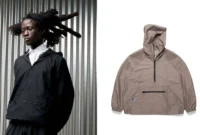
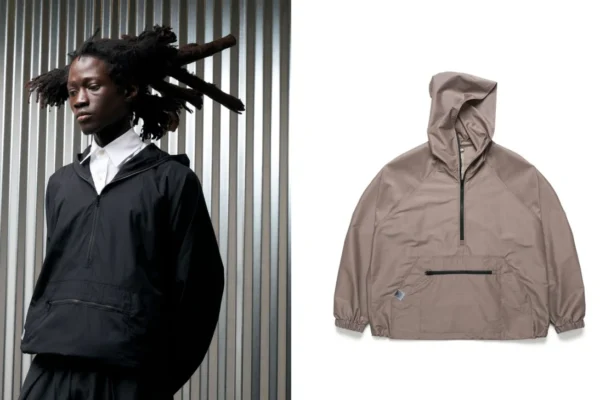
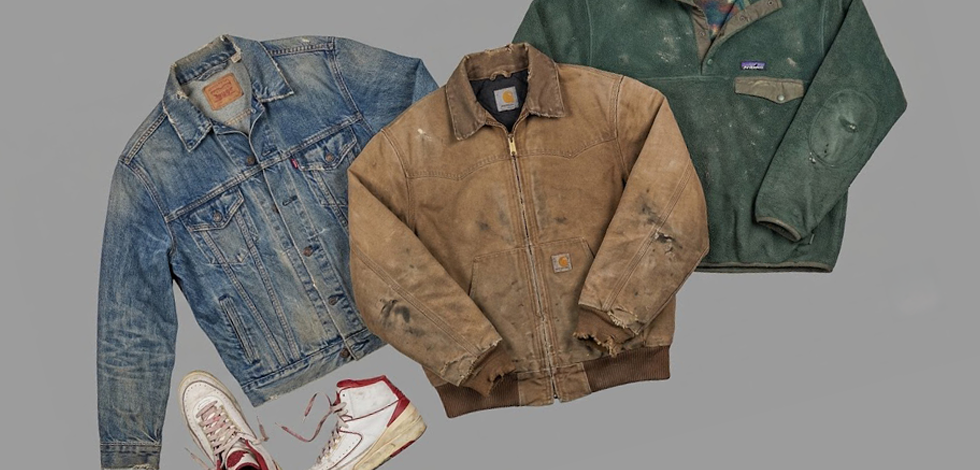
Beyond mere ownership, clothing and gear profoundly influence self-perception and confidence. Wearing a meticulously crafted jacket or a well-fitted pair of boots alters posture, mood, and subjective readiness. In consumer psychology, this aligns with a concept popularized by researcher Russell Belk in his 1988 paper, Possessions and the Extended Self. Belk argued that individuals project aspects of their identity onto their material goods, treating possessions as literal extensions of the self. Consequently, a rugged field jacket worn in an urban environment is not merely protection against the elements; it is a wearable narrative, connecting the wearer to an idealized identity of capability, resilience, and adventure.
The Narrative Power of Lived Experience
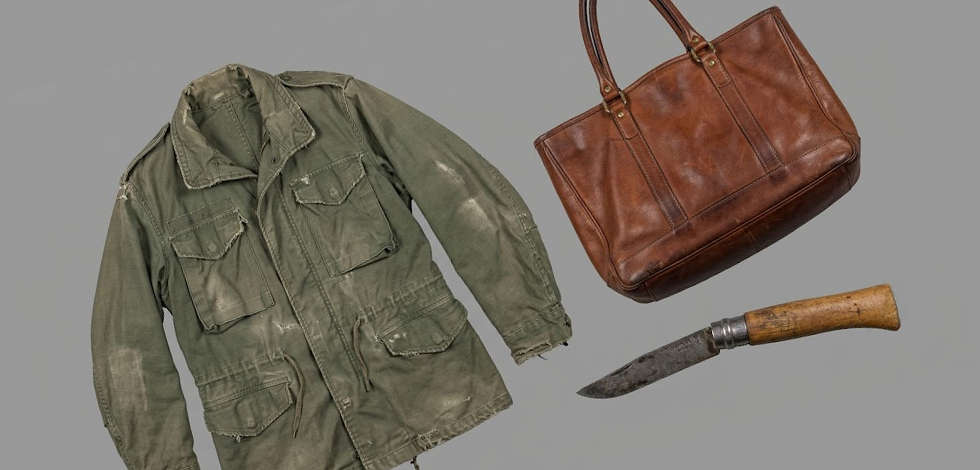
While material specifications dictate what an item can do, personal history dictates what it means. This psychological principle, known as essentialism, was extensively explored by Yale psychologist Paul Bloom in his book How Pleasure Works. Bloom demonstrates that human satisfaction derived from an object is deeply rooted in beliefs about its origin, provenance, and history, rather than its physical composition alone.
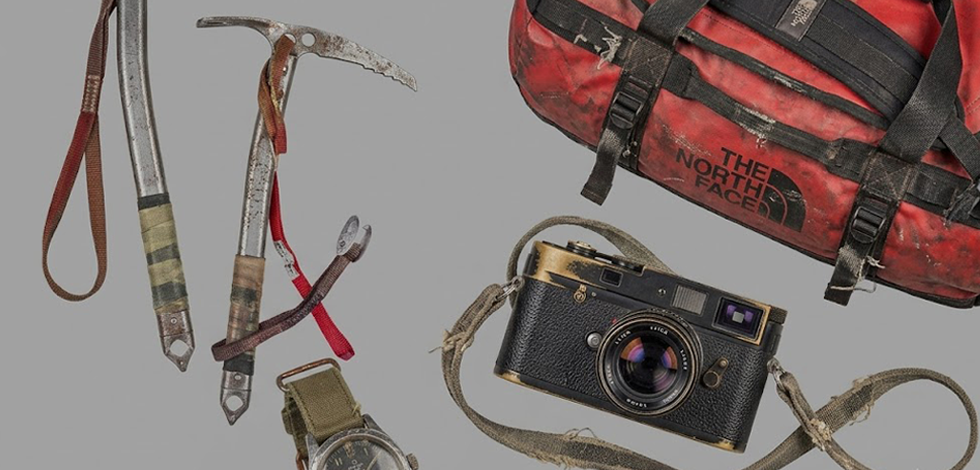
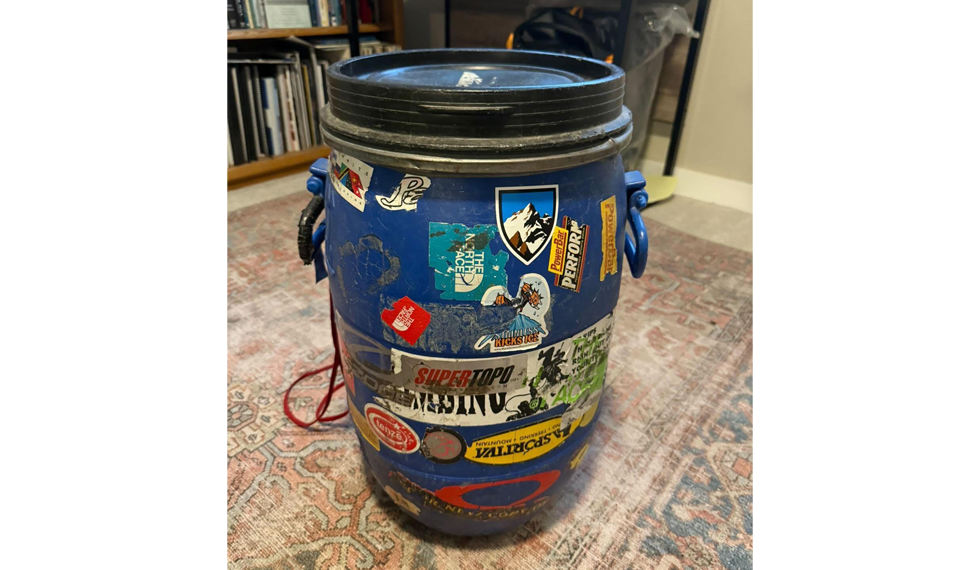
Consider two identical expedition-grade gear drums resting side by side: one fresh off a retail shelf, and the other carried by elite mountaineer Conrad Anker across remote high-altitude ranges since the 1990s. Physically, the materials are indistinguishable. Psychologically, however, they occupy entirely different dimensions. The retail unit is a utility item; the expedition drum is a repository of freezing mornings, physical exhaustion, and hard-won summits.
This emotional transference is pervasive among high-performance athletes and outdoor professionals. Mountaineer Renan Ozturk famously maintains a pair of alpine pants initially acquired in 2010, which undergo routine mending by his spouse with approximately ten patches added annually. Despite having access to advanced replacements, Ozturk continues to deploy the heavily repaired garment due to its superior fit and the dense accumulation of memories embedded within the fabric. Similarly, legendary climber Conrad Anker permanently mounted a snapped portaledge pole from a harrowing 2007 Meru expedition in his garden, transforming a structural failure into a monument of survival and perseverance.
Cultural preservation and intergenerational transfer further amplify this dynamic. In Japan, the traditional randoseru—a rigid leather school backpack engineered to endure six rigorous years of primary education—is frequently archived within family closets long after graduation, preserved as a physical archive of childhood notebooks and report cards. Whether through the preservation of worn-out heirloom tools or the sentimental retention of vintage rucksacks by veteran designers like Nigel Cabourn, objects consistently transcend their functional lifespans to become archival vessels of human history.
The Social Dimensions of Material Culture
Expanding upon Don Norman’s original three-tiered model, modern consumer analysts recognize a crucial fourth dimension: the social utility of gear. Physical possessions function as non-verbal communication tools, signaling individual values, tribal affiliations, and cultural alignment.

Since the late 19th century, when economist Thorstein Veblen published The Theory of the Leisure Class, sociologists have analyzed how material goods signal social status and economic positioning. In contemporary culture, this phenomenon has evolved beyond traditional luxury markers into specialized subcultures. The rise of "gorpcore"—a term coined by writer Jason Chen in 2017 to describe the mainstream adoption of technical outdoor apparel in urban environments—demonstrates how technical gear functions as a cultural signifier. Brand executives, such as those at technical outerwear powerhouse Arc’teryx, openly acknowledge that a significant portion of their consumer base purchases high-altitude technical shells for urban lifestyle integration, drawn to the authenticity, heritage, and aesthetic ethos of alpine exploration.
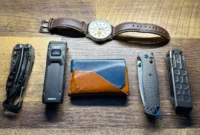
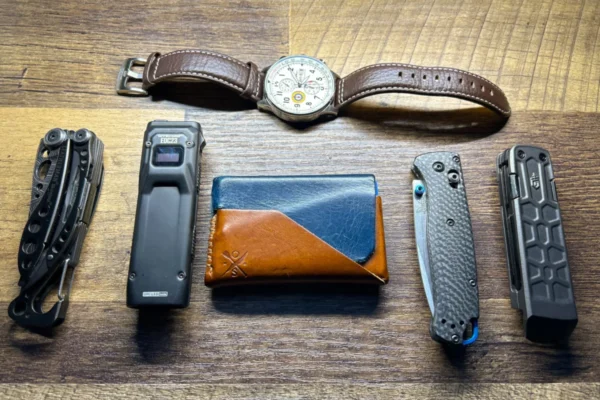
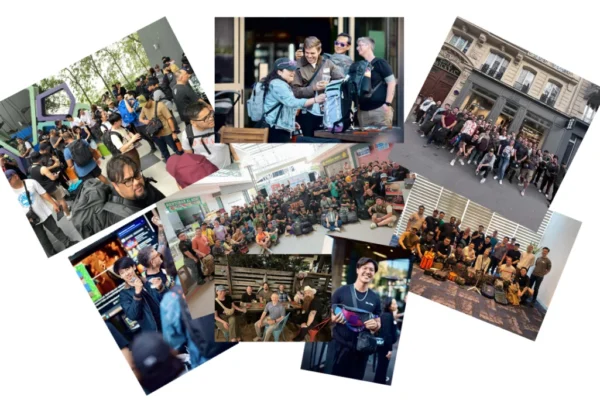
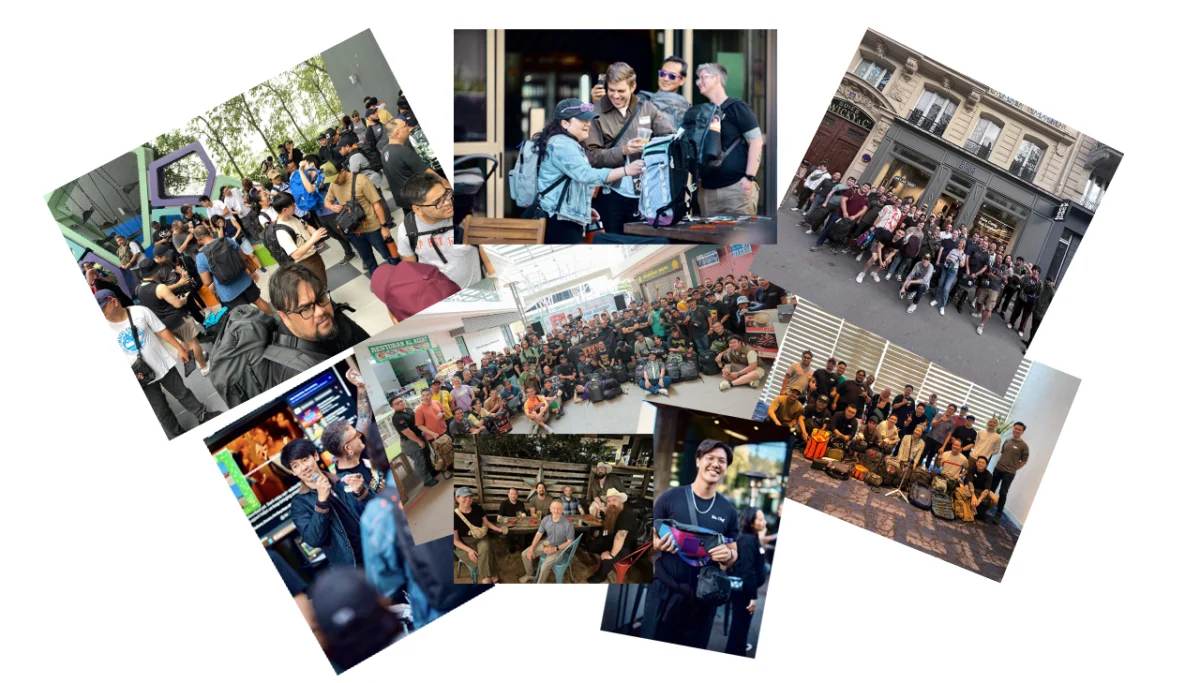
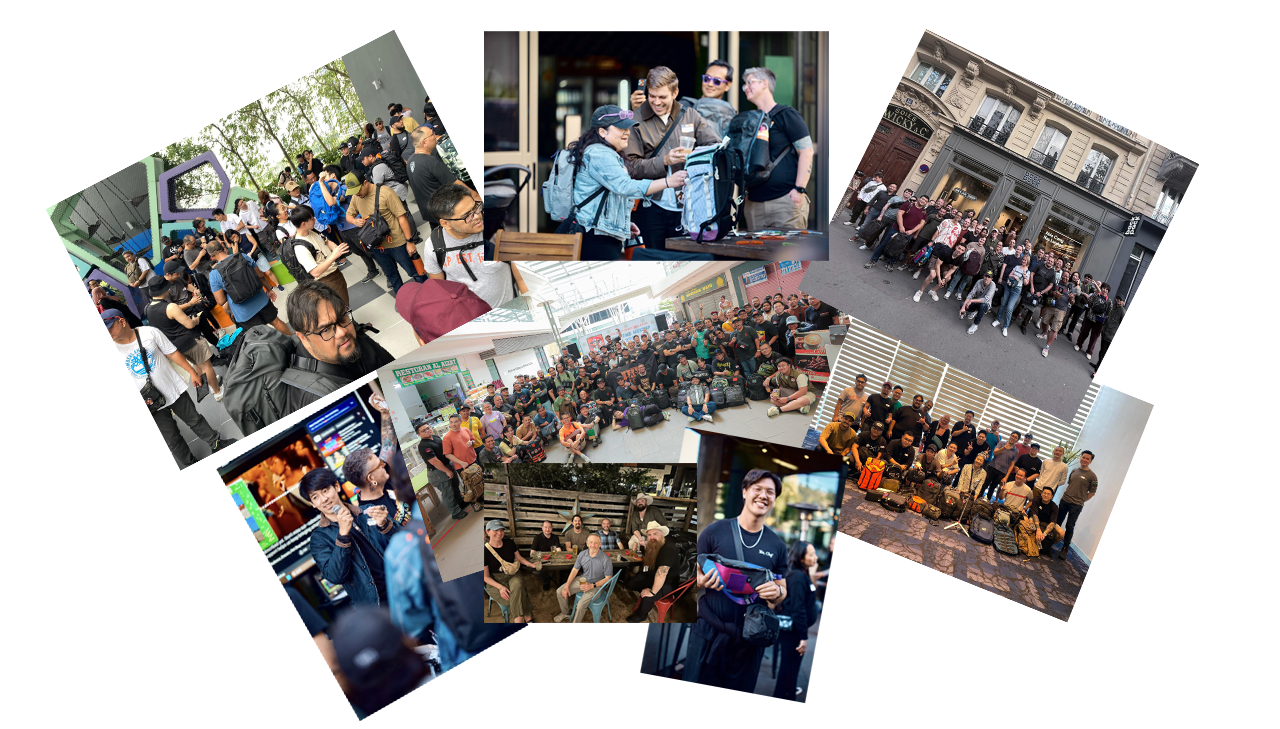
Furthermore, physical gear acts as an organic social catalyst. Specialized community gatherings, such as urban EDC (Everyday Carry) meetups, illustrate how niche hobbies foster real-world interpersonal connections. In these environments, specialized tools, pocket knives, notebooks, and bags serve as conversation starters, breaking down social barriers and facilitating community building among complete strangers.
Broader Implications for Manufacturers and Consumers
The recognition that gear operates on visceral, reflective, and social levels carries significant implications for both product manufacturers and conscious consumers. In an era dominated by fast consumption and frequent product obsolescence, understanding the psychological weight of material goods encourages a shift toward longevity, repairability, and emotional durability.
Makers of consumer goods are increasingly pressured to move beyond raw performance metrics, designing products that not only withstand physical degradation but also gracefully age, accumulate patina, and invite personal customization. By facilitating modular repairs, utilizing premium natural materials that improve with wear, and honoring the narratives of use, brands cultivate deeper, more resilient consumer relationships.
Ultimately, evaluating equipment strictly through the lens of price and performance ignores the profound psychological machinery operating beneath the surface. As consumers continue to curate their everyday carries, the most valuable items will remain those that do not merely execute a task, but actively shape identity, anchor memories, and connect individuals to a broader human community.