








Design Aesthetics and Hardware Specifications
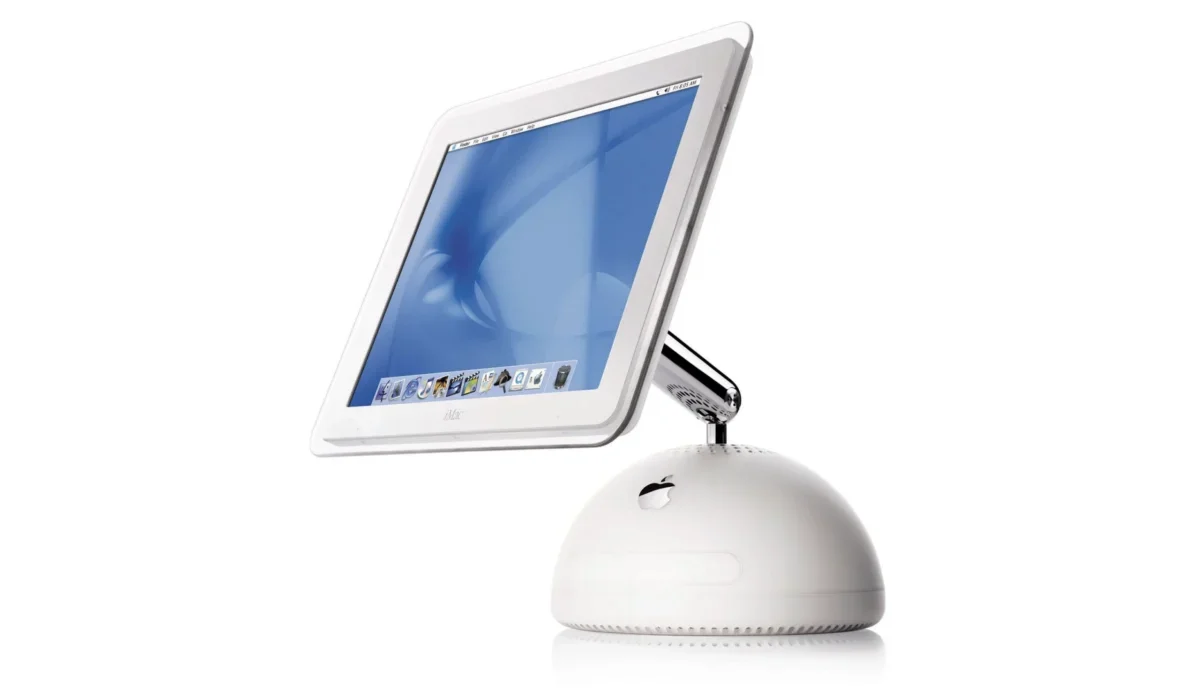
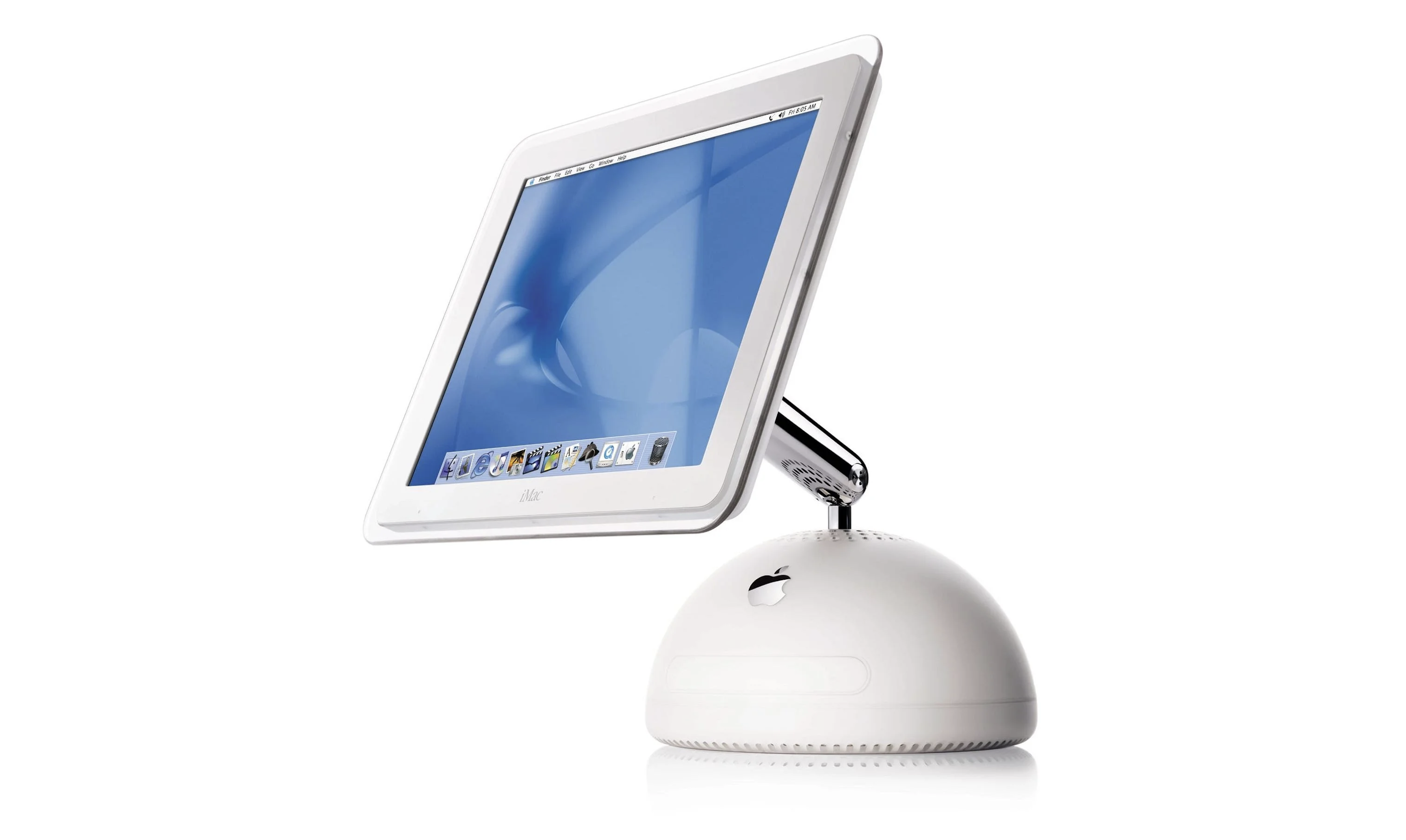
The upcoming smart display features a 6-inch square screen, a form factor that departs from the traditional rectangular tablets currently dominating the market. Industry analysts have noted that the device’s physical design draws heavy inspiration from the iconic 2002 iMac G4, often remembered for its distinctive half-dome base and a versatile metal arm that allows for ergonomic screen positioning.
The device is remarkably thin, with a profile comparable to the depth of a modern iPhone. To maintain a sleek aesthetic, Apple has opted for quarter-inch black bezels surrounding the display, reminiscent of the design language seen in earlier iPad iterations. The chassis emphasizes soft, rounded corners, ensuring the device avoids sharp edges, which aligns with Apple’s commitment to premium, user-friendly industrial design.
Beyond the flagship standalone model, reports indicate that Apple is developing a secondary iteration of the hardware intended for wall mounting. This unit simplifies the mounting process by utilizing USB-C for power, while incorporating a thin, square-shaped base that houses the essential microphone and speaker arrays. By positioning the base flat against the wall beneath the screen, Apple aims to offer a low-profile solution that integrates seamlessly into residential or office environments.

Chronology of Apple’s Smart Home Ambitions
Apple’s journey toward this launch has been a long and iterative process. The company’s interest in the smart home space began in earnest with the introduction of HomeKit in 2014, a framework designed to allow users to control connected home accessories using their iOS devices. However, hardware adoption remained fragmented.
In 2018, the launch of the original HomePod provided a focal point for the ecosystem, yet it was positioned more as a high-fidelity audio device than a comprehensive smart hub. By 2021, the introduction of the HomePod mini helped lower the barrier to entry for Siri-enabled home control, but the lack of a dedicated visual interface left a clear gap in the market.
Industry rumors regarding a dedicated smart display began circulating as early as 2022, with leaks suggesting that Apple was testing various form factors, including tablet-like devices that could detach from charging docks. The decision to finalize the current 6-inch square design suggests that the company has pivoted toward a product that serves as a permanent, reliable control center rather than a portable multimedia consumption device.
Strategic Implications for the Ecosystem
The entry into the smart home display category comes at a time when the "Matter" smart home connectivity standard is gaining widespread adoption. By launching a dedicated hub, Apple is positioning its new display to act as a primary controller for all Matter-certified devices, effectively centralizing the management of lighting, security, climate, and entertainment.
Data from market intelligence firms indicates that the global smart home market is expected to reach a valuation exceeding $250 billion by the end of the decade. Currently, Amazon’s Echo Show and Google’s Nest Hub account for a significant majority of the dedicated smart display market. Apple’s challenge will be to differentiate its offering through its signature focus on user privacy and secure local processing. While competitors often rely on cloud-based AI, Apple is expected to leverage its A-series silicon to handle voice commands and automation logic locally, minimizing latency and enhancing data security.
Financial and Market Analysis
Investors have been monitoring this development closely. Apple’s "Services" and "Home" categories have become increasingly vital to the company’s bottom line as smartphone saturation in mature markets reaches a plateau. By introducing a new hardware category, Apple creates an opportunity for ecosystem lock-in; users who purchase the smart display are statistically more likely to expand their collection of compatible accessories, such as smart locks, cameras, and thermostats that support the HomeKit framework.
Furthermore, the integration of generative AI features—potentially branded under the "Apple Intelligence" umbrella—could provide a massive competitive advantage. If the new hub can process complex natural language requests to manage home scenes or provide visual summaries of security footage without needing to reach out to a remote server, it would represent a significant leap over existing market incumbents.
Anticipated Reception and Official Outlook
While Apple has not officially commented on the specifics of the upcoming device, the timing of the release—less than two weeks away—aligns with the company’s typical product cycle for late-year hardware updates. The reliance on USB-C for the wall-mounted version is also a notable acknowledgment of the company’s shift toward standardized charging solutions across its entire portfolio, a move mandated by international regulations but welcomed by consumers.

Market observers suggest that the pricing strategy will be the ultimate determinant of the product’s success. To compete with mid-tier smart displays, Apple will likely need to price the device competitively, though the company’s propensity for premium pricing may lead to a higher MSRP that emphasizes build quality and long-term software support.
The Broader Impact on Home Automation
The introduction of a dedicated hub is expected to catalyze a shift in how smart homes are architected. Rather than relying on a smartphone as the primary interface, the home display offers a persistent, always-on portal. This allows family members to interact with the home environment without needing to be authenticated on a personal device.
Moreover, the integration of advanced sensors—potentially including proximity sensors to wake the screen when a user approaches—will be critical. Such features would distinguish the product as an intelligent companion rather than a static piece of hardware. As the industry looks toward the next decade of automation, Apple’s entry serves as an endorsement of the smart home as a core pillar of the modern lifestyle, rather than a peripheral hobby.
Conclusion
As the launch date approaches, the technology sector remains focused on whether Apple can translate its success in personal computing and mobile telephony into the domestic sphere. The combination of a refined industrial design, a focus on local privacy, and the strength of the HomeKit ecosystem suggests that the company is well-prepared to challenge the status quo. Whether this new hub becomes the "missing link" in Apple’s hardware lineup or merely a niche accessory will depend on the depth of its software integration and its ability to provide value beyond what a standard smartphone can already accomplish. For now, the anticipation surrounding the release underscores the enduring importance of the home as the next major battleground for technology giants.