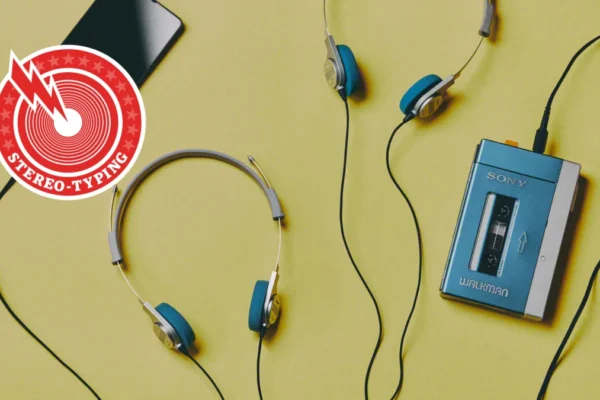










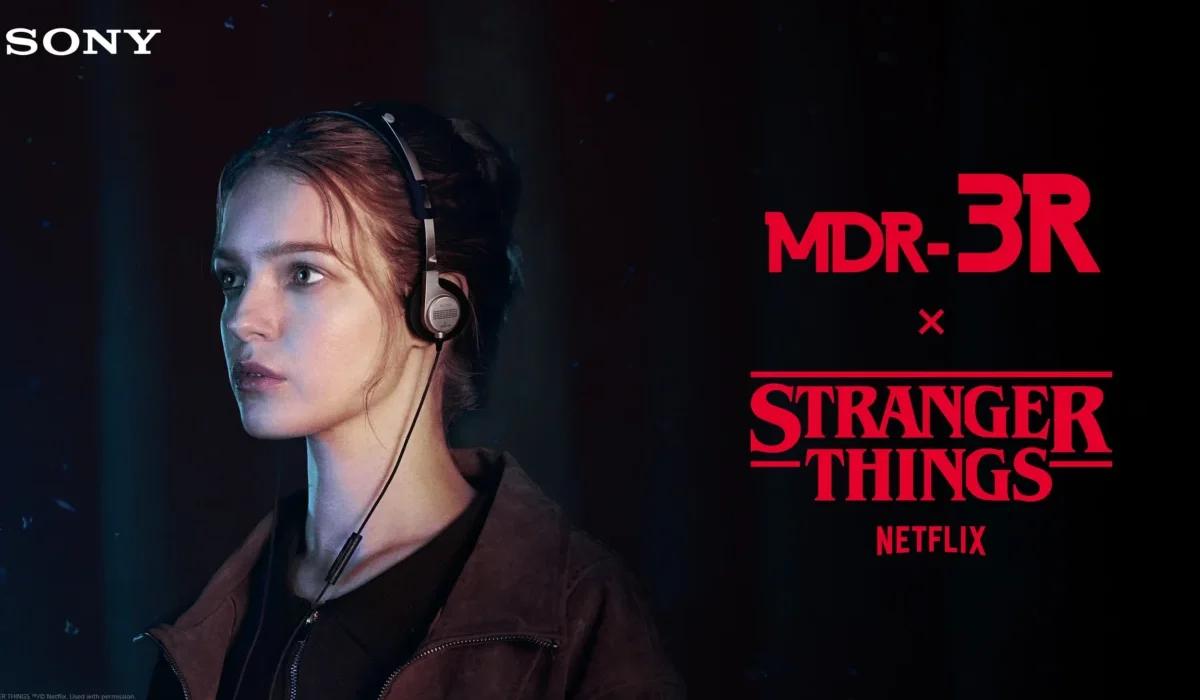
The intersection of retro consumer electronics and contemporary audio technology has yielded some of the most surprising product announcements of the decade, and Sony Corporation is once again leaning heavily into its rich archival history. In an announcement that has stirred widespread nostalgia among audiophiles and pop culture enthusiasts alike, the electronics giant has unveiled the MDR-3R. This modern-day revival pays direct homage to the legendary lightweight headphones that originally accompanied the world’s first truly portable cassette player, the Sony Walkman TPS-L2, when it debuted in 1979.
Designed to bridge a gap of more than four decades, the newly released MDR-3R retains the unmistakable aesthetic of the late 1970s while quietly incorporating contemporary digital connectivity. Priced accessibly at $59.99 USD ($99.99 CAD) for the standard edition, and $79.99 USD ($129.99 CAD) for a specialized Netflix tie-in, the headphones arrive as both a functional listening device and a calculated collector’s item.
A Timeless Design Meets Modern Convenience
The genesis of the MDR-3R traces directly back to the MDR-3 family of headphones, and more specifically, the MDR-3L2 variant bundled with the pioneering TPS-L2 Walkman. At the dawn of the portable music revolution, these lightweight headsets transformed how humanity interacted with sound, moving music consumption from the living room out into the bustling streets, public transit, and parks.

Sony has taken meticulous care to preserve the core visual and structural elements that made the original hardware iconic. The MDR-3R features the identical slim, minimalist metal headband, an airy open-air acoustic design, and interchangeable foam earpads in vibrant shades of blue and orange. In a testament to the company’s attention to detail, even the product packaging and the layout of the instruction manuals have been painstakingly recreated to mirror the archival aesthetics of 1979.
However, beneath the vintage exterior lies a thoroughly modern engineering overhaul. Sony has equipped the MDR-3R with newly redesigned 23mm drivers, matching the exact physical dimensions of the original components. Acoustics engineers have tuned these drivers to meet contemporary listening preferences, promising a balanced sound signature that respects the past while satisfying modern sonic standards.
Perhaps the most significant departure from the 1970s blueprint is the implementation of a USB-C connector. This modern interface ensures seamless compatibility with contemporary smartphones, tablets, and laptops. Furthermore, the inclusion of a built-in microphone and an in-line remote control allows users to manage phone calls and audio playback effortlessly. By opting for a wired USB-C connection, Sony has deliberately sidestepped the modern inconveniences of lithium-ion battery degradation, charging cycles, and Bluetooth pairing complications, offering a true plug-and-play analog-to-digital experience.
Interestingly, industry observers have noted a playful ironical quirk in Sony’s marketing strategy: the company explicitly advises against using the USB-C-equipped MDR-3R with its own modern high-resolution digital Walkman models, nor can they be physically interfaced with the original analog cassette players that inspired them without adapters.

Capitalizing on Pop Culture Nostalgia With a Stranger Things Edition
Beyond the standard consumer release, Sony has partnered with streaming giant Netflix to capture a burgeoning demographic of younger consumers fascinated by 1980s aesthetics. The MDR-3R Stranger Things Edition directly references the hit sci-fi series, drawing heavy inspiration from the signature look worn by the character Max Mayfield, as well as the dark, atmospheric themes of the show’s fictional alternate dimension, the Upside Down.
This special edition departs from the standard blue and orange colorway, substituting the foam earpads for a striking red-and-black contrast. Additionally, the unit features an engraved Stranger Things logo and arrives in exclusive, series-themed collector’s packaging. Priced at $79.99 USD ($129.99 CAD), this variant is strategically positioned to appeal to both dedicated collectors and the broad, multi-generational fan base of the Netflix phenomenon.
Chronology of Sony’s Portable Audio Evolution
To fully understand the significance of the MDR-3R release, one must examine the timeline of Sony’s dominance and innovation in personal audio over the past fifty years:
- July 1979: Sony introduces the TPS-L2 Walkman to the Japanese market, bundled with the original MDR-3 series headphones, forever altering the global music consumption landscape.
- 1980s–1990s: The Walkman brand expands through multiple iterations, incorporating FM radios, recording capabilities, and eventually transitioning into Discman (CD) and MiniDisc formats.
- Early 2000s: The rise of digital audio players, led by Apple’s iPod and Sony’s own Network Walkman line, gradually phases out cassette-based media.
- 2010s: Sony pivots toward high-resolution audio, wireless Bluetooth technology, and industry-leading noise-canceling headphones, such as the critically acclaimed WH-1000X series.
- Late 2020s: Capitalizing on the broader cultural wave of retro-futurism and vintage hardware collecting, Sony begins reintroducing classic industrial designs paired with modern internals, culminating in the launch of the MDR-3R.
Market Implications and Industry Impact
The release of the MDR-3R highlights a broader, highly profitable trend within the consumer electronics industry: the weaponization of nostalgia. In an era dominated by hyper-advanced computational audio, spatial tracking, and complex active noise cancellation (ANC), a growing segment of the consumer base is experiencing fatigue from feature-heavy, expensive hardware.

By offering a lightweight, simple, and aesthetically charming alternative for under $60, Sony is tapping into the same cultural momentum that has fueled the remarkable resurgence of vinyl records, film cameras, and retro gaming consoles. Analysts suggest that products like the MDR-3R serve as low-barrier entry points for younger consumers seeking tactile authenticity, while simultaneously serving as sentimental purchases for older generations who owned the originals during their youth.
Furthermore, the collaboration with Netflix via the Stranger Things Edition demonstrates a sophisticated cross-media marketing strategy. By aligning hardware with cultural touchstones, consumer tech brands can transcend traditional marketing channels, transforming utilitarian gadgets into fashionable lifestyle accessories.
Availability and Purchasing Information
The standard edition of the Sony MDR-3R is available for immediate purchase through Sony’s official retail channels, Amazon, Best Buy, and other authorized consumer electronics distributors across North America. The Stranger Things Edition is currently available for preorder through Sony, Netflix’s official merchandise storefront, and select online partners, with shipping slated to reach consumers eager to step back into the stylistic warmth of the late 20th century. As retro tech continues to command marketplace attention, Sony’s strategic bridge between 1979 and the digital present proves that truly iconic design never truly goes out of style.