







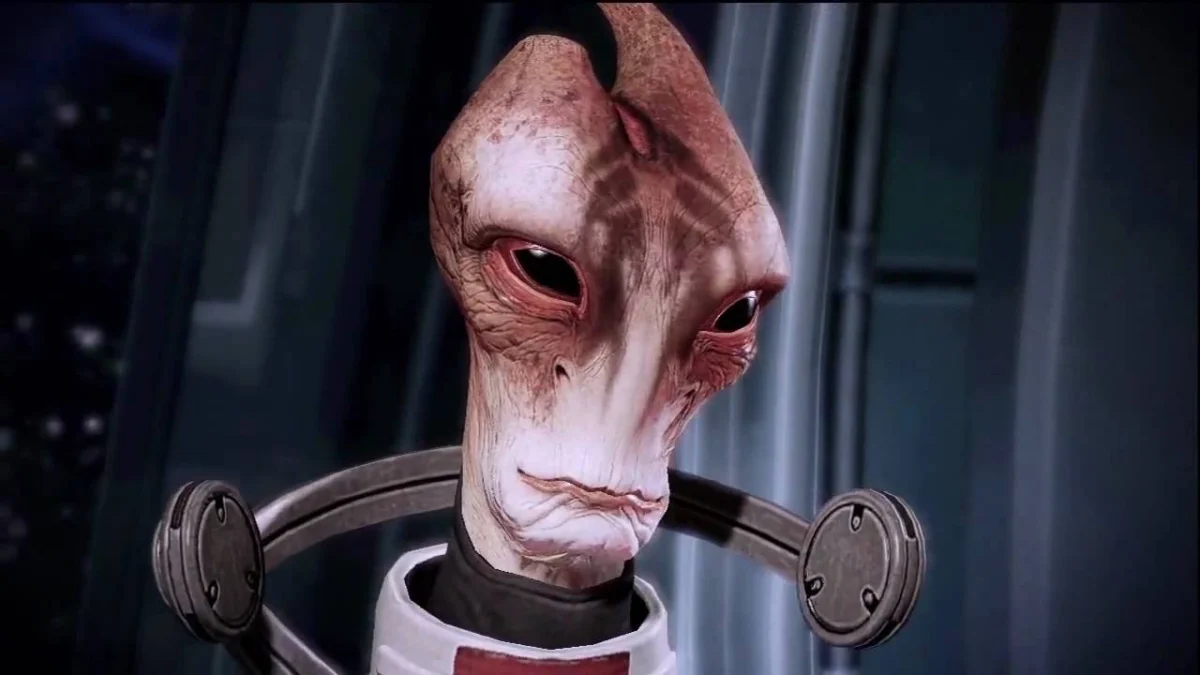
This year’s N7 Day—the annual November 7 celebration dedicated to the iconic sci-fi role-playing game series—carried a somber tone as the first such event held in the wake of BioWare’s permanent closure. Despite the dissolution of the studio responsible for the trilogy, the global community of Mass Effect enthusiasts has refused to allow the franchise to fade into obsolescence. In a coordinated effort to keep the intellectual property viable for future development, the fan-led "We Are Mass Effect" movement has launched an ambitious campaign to signal industry interest in the series, securing support from key voice actors and public figures to demand a path forward for the IP.
The Chronology of a Studio’s Decline
The closure of BioWare represents a significant turning point in the history of the video game industry. For decades, the studio stood as a paragon of narrative-driven RPGs, beginning with foundational titles in the late 1990s and cementing its legacy with the Mass Effect trilogy, which introduced players to Commander Shepard and a vast, galaxy-spanning political landscape.
The erosion of the studio did not occur overnight. For several years, Electronic Arts (EA), BioWare’s parent company, had been implementing a strategy of "agile" restructuring. This involved successive rounds of layoffs that systematically targeted veteran developers. Industry reports from as early as 2023 indicated that BioWare had begun downsizing its workforce, shifting focus away from large-scale RPG development toward leaner, more scalable projects. By mid-2026, these internal shifts culminated in the total shuttering of BioWare’s offices, including the Edmonton location, and the subsequent cancellation of the highly anticipated Mass Effect 5.
For fans, the news was a catalyst for immediate action. The "We Are Mass Effect" group emerged as a central hub for mobilization, organizing physical protests and digital petitions. Their strategy shifted from passive fandom to active advocacy, utilizing high-visibility marketing tactics such as renting digital billboards in New York’s Times Square and deploying mobile advertisements outside the former BioWare Edmonton headquarters.
Voice Cast Intervention
The movement gained unprecedented momentum on November 7, 2026, when the group released a collaborative video featuring the original trilogy’s core cast. The participation of Jennifer Hale and Mark Meer—the two actors behind Commander Shepard—lent the movement immediate mainstream legitimacy. They were joined by prominent cast members, including Brandon Keener (Garrus Vakarian), Courtnay Taylor (Jack), Ash Sroka (Tali’Zorah), and Keythe Farley (Thane Krios), as well as original composer Sam Hulick.
The video, which circulated widely across social media platforms, served as both a tribute to the legacy of the series and a plea for its preservation. The actors spoke not just as performers, but as custodians of a story that had resonated with millions. In subsequent interviews, Jennifer Hale reflected on the "weirdly hopeful" sentiment she felt following the closure, noting that while her initial concern was for the livelihoods of the displaced developers, she maintained a conviction that the franchise’s story was far from concluded.
Internal Industry Perspectives
Mark Meer provided a sobering assessment of the factors leading to the current crisis. According to Meer, the loss of institutional knowledge at BioWare was a primary contributor to the studio’s decline. He emphasized that the layoffs within the last two years specifically targeted senior writing and design staff—the very individuals who had built the "bones" of the studio since the 1990s.
"People who had been there from the very beginning were let go," Meer stated. This sentiment is echoed by labor analysts who observe that when major studios lose their veteran leadership, the "cultural DNA" of their flagship franchises becomes increasingly difficult to replicate. By letting go of the individuals who understood the intricate lore and narrative tone of Mass Effect, BioWare had inadvertently created a vacuum that made the continuation of the series—under its traditional identity—nearly impossible to manage from within the existing corporate structure.
Broader Economic and Creative Implications
The #SaveMassEffect campaign highlights a growing trend in the gaming industry: the disconnect between massive, loyal player bases and the short-term financial strategies of parent corporations. Mass Effect is not merely a product; it is a cultural artifact with a consistent, long-term revenue potential through remasters, merchandise, and ongoing community engagement.
However, from a fiscal perspective, EA and other major publishers often prioritize "live-service" models and immediate returns over the long-term, high-cost development cycles required for premium single-player RPGs. The cancellation of Mass Effect 5 suggests that EA determined the risk-to-reward ratio of a new entry did not align with their revised corporate objectives, regardless of the brand’s enduring popularity.
The implications of this closure extend beyond a single franchise. If a titan of the RPG genre can be dismantled despite the continued demand for its output, it signals a shift in the industry where even the most storied intellectual properties are vulnerable to administrative pruning. This has led to a broader conversation among developers and consumers alike regarding the protection of digital assets and the necessity of independent ownership for long-standing creative teams.
The Path Forward: Petitions and Public Pressure
As of mid-November 2026, the online petition initiated by the We Are Mass Effect movement has garnered hundreds of thousands of signatures. While such petitions rarely force a reversal of a corporate decision in isolation, they serve as a critical metric for potential investors or partners who might consider acquiring the rights to the IP.
The strategy employed by the community is a sophisticated form of public pressure. By keeping the brand in the headlines, the group ensures that any potential discussion regarding the future of the Mass Effect license—whether through a sale, a spin-off, or a revival under a different studio—remains part of the public discourse. The actors’ involvement is particularly strategic; by keeping the characters’ voices alive, they prevent the franchise from becoming a static, forgotten relic, ensuring that the emotional connection between the audience and the content remains vibrant.
Conclusion: The Future of a Legacy
The state of Mass Effect in the post-BioWare era remains uncertain. While there is no current indication that Electronic Arts intends to revive the franchise, the sheer intensity of the fan response demonstrates the profound impact that well-crafted, narrative-heavy games can have on a global audience. The mobilization of the voice cast and the dedicated efforts of the community underscore a fundamental truth in the modern media landscape: intellectual property is not just owned by the corporation that holds the copyright, but is sustained by the community that keeps it alive.
As the industry watches to see if these efforts will translate into a concrete corporate response, the message from the Mass Effect community remains clear: the story of Shepard and the crew of the Normandy is one that fans are not yet ready to see reach its final chapter. For now, the "SaveMassEffect" movement stands as a testament to the enduring power of digital storytelling and the collective agency of a fanbase determined to protect the art that defined their generation. Whether this pressure will force a change in strategy from EA remains the defining question for the franchise’s future in the coming months.