









As the northern hemisphere transitions into the cooler months, a distinct meteorological and biological phenomenon transforms the landscape, creating a transient period of peak visual interest known as autumn foliage. This seasonal shift, characterized by the decay of chlorophyll and the emergence of carotenoids and anthocyanins in deciduous trees, draws millions of photographers annually to temperate regions across North America, Europe, and East Asia. The economic impact of this "leaf-peeping" tourism is substantial; in states such as Vermont, New Hampshire, and Maine, autumn foliage tourism accounts for a significant portion of annual hospitality and retail revenue, with some regional economies seeing visitor surges that rival summer peak seasons.
The Science and Chronology of the Foliage Cycle
The timing of peak foliage is a variable dictated by complex environmental factors, including soil moisture levels, temperature fluctuations, and the specific composition of local flora. Generally, the progression follows a latitudinal and altitudinal gradient. In high-altitude areas like the White Mountains or the Rockies, the transition begins as early as mid-September. Conversely, coastal regions and lower latitudes may experience peak color as late as early November.
Climatologists note that the intensity of the colors—the vibrant crimsons, deep ambers, and brilliant golds—is heavily dependent on the weather during the preceding months. A dry summer followed by a cool, moist autumn typically produces the most dramatic color saturation. Conversely, severe drought or an unseasonably warm September can result in "muted" foliage, where leaves turn brown and fall prematurely. Photographers aiming to capture these scenes must consult predictive modeling tools, such as state-specific foliage trackers, which utilize satellite data and historical weather patterns to forecast peak dates.

Strategic Approaches to Landscape Composition
While the impulse to document expansive, colorful canopies is common, professional photographers often shift their focus toward the "essence of the season" to distinguish their portfolios. The saturation of stock photography featuring generic tree-lined streets has led many in the industry to prioritize more nuanced, atmospheric imagery.
Instead of wide-angle landscape shots, technical experts suggest incorporating elements of the environment that convey the transition of the season. These include:
- Atmospheric Conditions: Utilizing early morning fog or low-hanging mist in forested areas to add depth and a sense of isolation.
- Micro-Photography: Focusing on the intricate textures of forest floor elements, such as lichen-covered rocks, moss, or late-season fungi, which provide a sharp contrast to the bright colors of the canopy.
- Cultural Integration: Capturing the human element of the season, such as local agricultural traditions, town festivals, or the daily routines of residents as they prepare for the impending winter.
Lighting and Technical Execution
Light quality is the most critical variable in landscape photography. During the autumn months, the sun maintains a lower angle in the sky for a longer duration, providing an extended "golden hour." Shooting during this window—shortly after sunrise or just before sunset—allows the warm, ambient light to complement the natural hues of the leaves. Midday shooting is generally discouraged by professionals because the high-contrast light creates harsh shadows and flattens the depth of the foliage.
From a technical perspective, the use of circular polarizers is considered essential for foliage photography. These filters effectively reduce glare on wet leaf surfaces and increase the saturation of blue skies, providing a necessary color contrast against the reds and oranges of the trees. Furthermore, photographers are encouraged to experiment with white balance settings; shifting from "Auto" to "Cloudy" or "Shade" can artificially enhance the warmth of the images, providing a more evocative aesthetic that matches the subjective experience of the season.

Portraiture and Advanced Lighting Frameworks
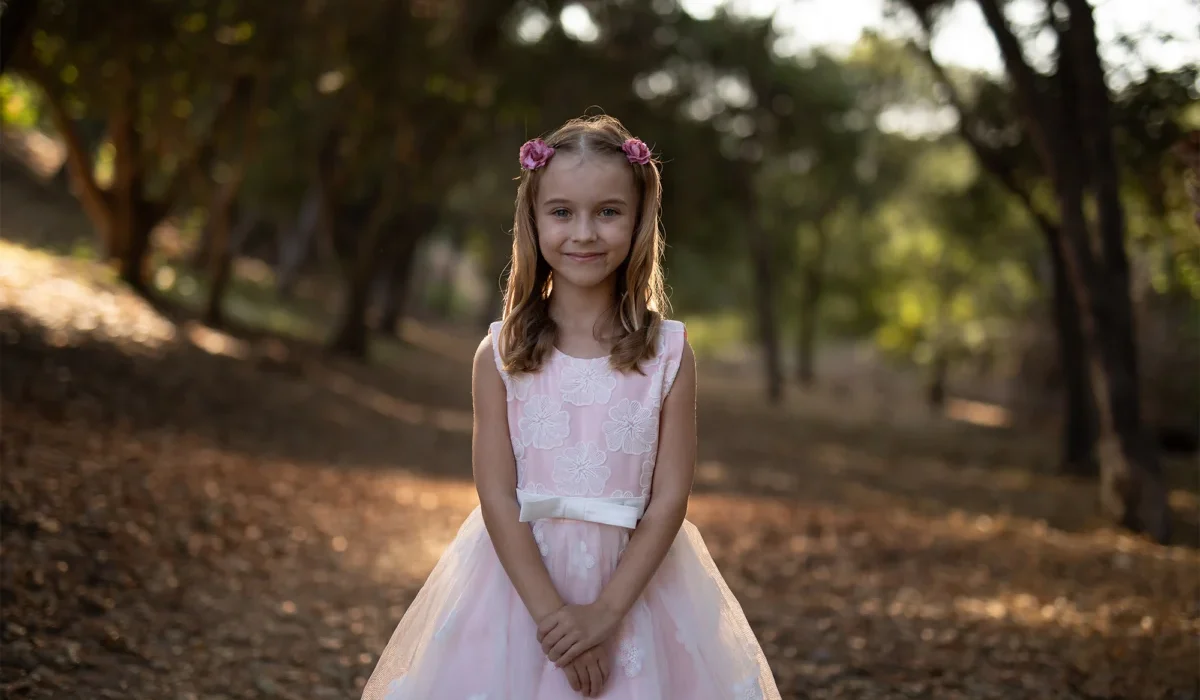
Autumn serves as a high-demand period for professional portraiture, including family sessions, weddings, and commercial photography. The challenge lies in balancing the intense background colors with the subject’s lighting. A common technique employed by studio professionals is the C.A.M.P. framework: Composition, Ambient Light, Modify Light, and Pose.
When capturing portraits amidst vibrant foliage, the background can quickly become chaotic. Utilizing a wide aperture (e.g., f/1.4 to f/2.8) is standard practice to create a shallow depth of field, which serves to isolate the subject from the distracting complexity of the forest. To maintain professional quality in high-contrast environments, many photographers utilize external strobes with CTO (Color Temperature Orange) gels. These gels allow the artificial light to mimic the warmth of the natural sunset, ensuring the subject’s skin tones remain consistent with the ambient environment.
Advanced composition techniques, such as image compositing, are also frequently utilized. For instance, in dynamic shots where leaves are being thrown or are falling naturally, photographers may set up a tripod to take multiple exposures. This allows them to layer the most aesthetically pleasing "falling leaf" placements into a single final image, a process that ensures the subject is framed by the foliage without sacrificing the subject’s expression or pose.
Environmental Stewardship and Ethical Considerations
The influx of photographers into fragile ecosystems has led to increased concerns regarding "leave no trace" practices. National and state park services have reported that heavy foot traffic in popular foliage spots can lead to soil compaction, the destruction of delicate undergrowth, and the displacement of local wildlife.

The industry has responded by emphasizing ethical photography guidelines. Photographers are urged to stay on established trails, avoid trampling off-path vegetation for a "better angle," and refrain from using artificial means—such as picking leaves or shaking branches—to enhance a composition. These guidelines are not merely suggestions; in many protected areas, failure to comply with environmental regulations can result in significant fines and the revocation of commercial photography permits.
Broader Economic and Social Implications
The trend of autumn foliage photography is part of a larger movement toward experiential tourism. Data from the outdoor recreation industry suggests that the rise of social media platforms has transformed foliage viewing from a passive activity into a competitive pursuit of "content creation." This shift has profound implications for local infrastructure. Popular locations, once considered "hidden gems," now frequently face issues regarding parking congestion, waste management, and overcrowding.
Local governments and tourism boards are increasingly tasked with balancing the economic benefits of these visitors against the logistical challenges of managing high-traffic sites. Some regions have begun implementing permit-based systems for high-traffic scenic overlooks, while others are encouraging visitors to explore lesser-known trails to redistribute foot traffic.
Final Technical Recommendations
For those looking to refine their craft during this season, the primary objective should be a blend of technical preparation and creative restraint. Whether shooting with a high-end full-frame sensor or a mobile device, the fundamentals remain the same:

- Preparation: Monitor foliage reports and historical data to ensure timing aligns with the peak color phase.
- Stability: Use a tripod for landscape work to ensure sharpness, particularly when using lower ISO settings or smaller apertures for deeper focus.
- Post-Processing: Shoot in RAW format to retain maximum dynamic range. This is particularly useful for recovering highlight detail in bright, sunlit leaves or adjusting the color temperature to balance the overall tone of the image.
As the season wanes and the trees reach their final state of dormancy, the work of the photographer remains a testament to the brief intersection of biology and light. By focusing on intentional composition, ethical practices, and technical precision, photographers can elevate their work beyond the standard seasonal snapshot, contributing to a body of imagery that captures the complex beauty of a changing climate.