




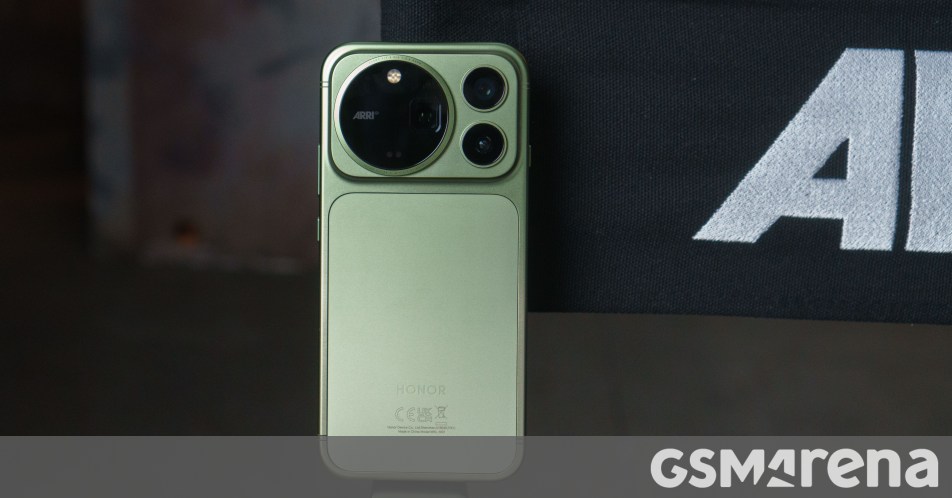
The convergence of professional-grade filmmaking and mobile technology reached a new inflection point this week as Honor unveiled the technical architecture behind its latest partnership with the legendary German cinematography powerhouse, ARRI. During an exclusive press event at ARRI’s Burbank facility—the heart of the global film industry—Honor demonstrated how the Magic9 Pro Max seeks to bridge the chasm between consumer smartphones and the industry-standard ALEXA line of cinema cameras. While the price disparity remains vast, the collaboration aims to democratize the "ARRI look," a specific visual aesthetic long prized for its naturalistic color science and superior highlight roll-off.
The Anatomy of an Industry Standard
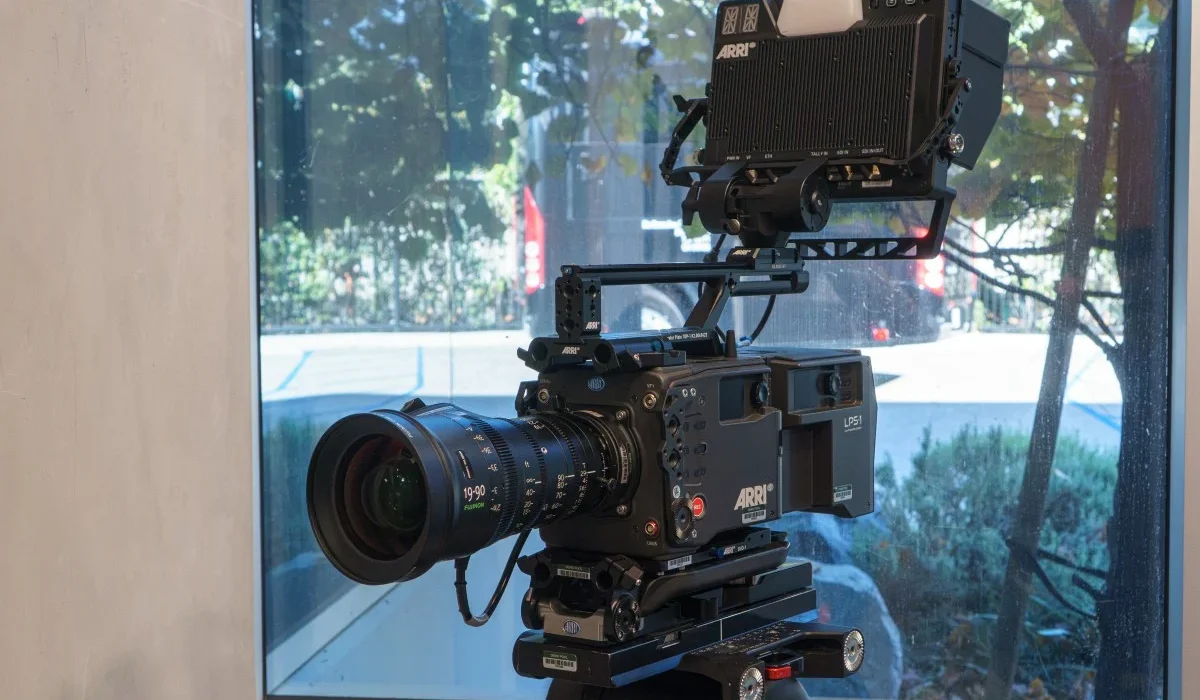
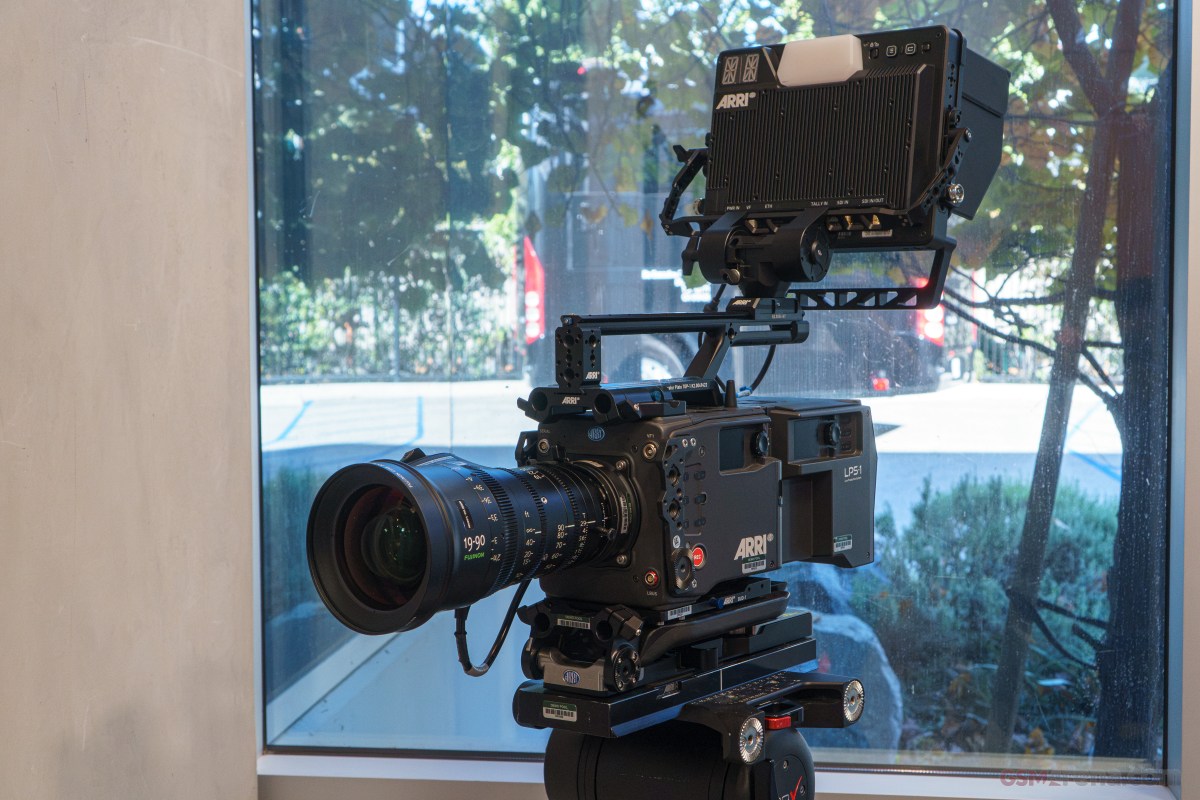
To understand the significance of this partnership, one must first appreciate the stature of ARRI within the motion picture industry. Founded in 1917, Arnold & Richter Cine Technik (ARRI) has remained the gold standard for cinematography. The ALEXA LF and its compact counterpart, the Mini LF, are ubiquitous on high-budget feature film sets. These systems are valued not for their pixel counts, but for their sensor architecture, which delivers a dynamic range and color depth that mimic human vision with remarkable fidelity.
The ALEXA Mini LF, a cornerstone of this collaboration, utilizes a large-format sensor that provides a shallow depth of field, enabling the intimate, cinematic focus pulls that define modern storytelling. A fully kitted-out ALEXA rig, including prime lenses, matte boxes, and proprietary recording media, can easily exceed $100,000. In contrast, the Honor Magic9 Pro Max arrives at a fraction of that cost, yet it represents a shift in mobile engineering: moving away from "computational photography" that aggressively alters images, toward a "cinematic pipeline" that respects professional color-grading standards.
Chronology of the Collaboration
The project was not a result of a sudden marketing deal but rather a multi-year effort to integrate professional-grade image science into the mobile processing loop. Development began in early 2023, with teams from both companies working in tandem to synchronize the Magic9 Pro Max’s proprietary imaging hardware with ARRI’s established tonal responses.
By mid-2024, Honor had finalized the integration of the Honor H1 imaging chip, a dedicated processor tasked with handling RAW image data at the hardware level. This chip serves as the foundation for the ARRI-tuned workflow, performing real-time noise reduction before the data reaches the main image signal processor (ISP). This stage is critical; it preserves the raw signal integrity required for the high-end color grading that ARRI’s LogC3 curve demands. The final calibration phase occurred throughout the latter half of 2024, with field tests conducted both in controlled studio environments and in the field to ensure the smartphone’s output matched the professional benchmarks set by the ALEXA systems.

Technical Integration: Beyond the Filter
The most common pitfall in smartphone "cinema modes" is the reliance on baked-in color presets or heavy-handed AI filters. The Honor and ARRI collaboration avoids this by implementing an end-to-end professional workflow. The Magic9 Pro Max is the first device to offer native recording in the ARRI LogC3 curve.
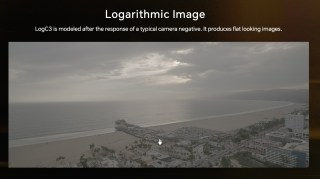
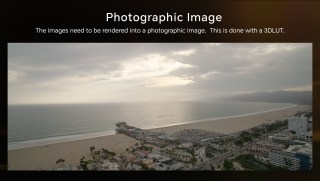
For the uninitiated, "Log" recording compresses the dynamic range of a scene into a flat, desaturated profile. While it may look unappealing straight out of the camera, it captures significantly more tonal information in the shadows and highlights than a standard video file. This provides colorists with the latitude to perform deep adjustments in post-production without the footage breaking or introducing digital artifacts. By aligning the Magic9 Pro Max’s sensor output to the ARRI LogC3 standard, Honor allows mobile filmmakers to use the same post-production color-grading LUTs (Look-Up Tables) used on major Hollywood productions.
Furthermore, the integration of ARRI Wide Gamut 3 (AWG3) ensures that the color space is vast enough to handle the nuanced skin tones and vibrant hues that define professional motion pictures. For users who prefer a "ready-to-use" aesthetic, Honor has included 87 curated "ARRI Looks," which are not merely filters but algorithmic treatments that simulate the specific color science of ARRI’s internal image processing.
Performance Analysis and Limitations
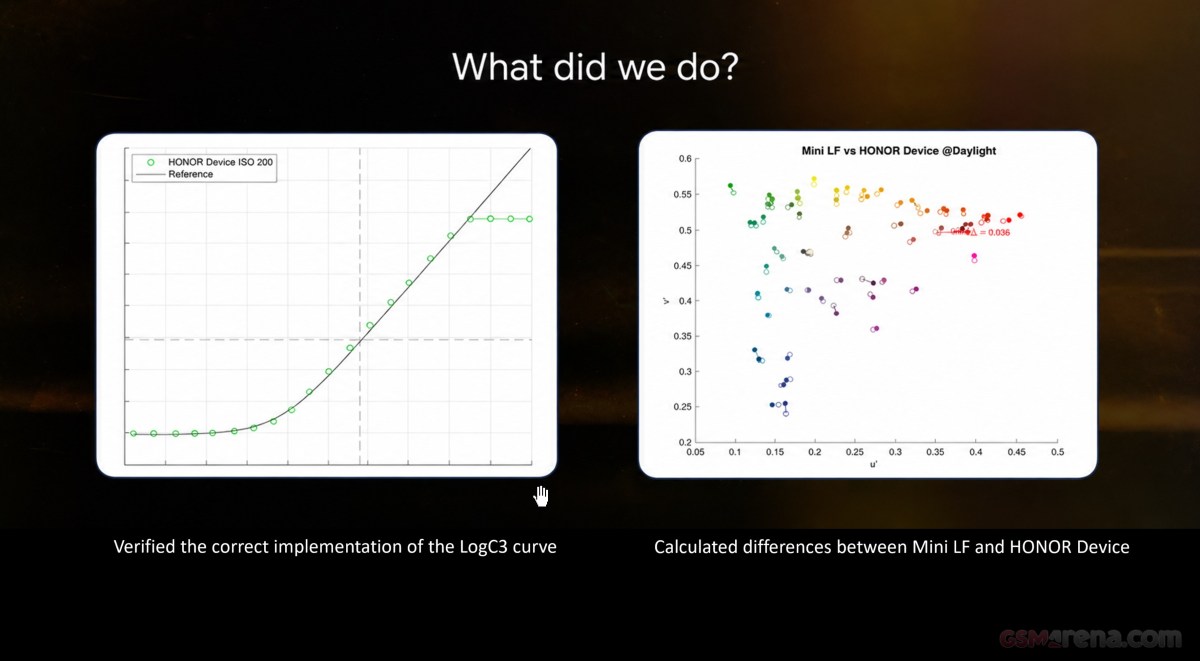
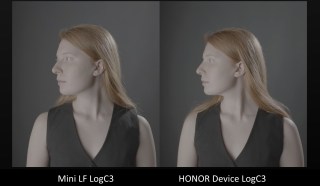
During testing at the Burbank facility, the side-by-side comparisons between the Magic9 Pro Max and the ALEXA Mini LF revealed both the success of the collaboration and the inherent limitations of mobile hardware. In controlled lighting, the tonal matching—specifically the way highlights transition from light to white—was remarkably close to the professional standard. The "roll-off," or the gradual transition of bright areas, felt natural and organic, lacking the harsh "clipping" often associated with smaller smartphone sensors.
However, a critical distinction remains in the domain of physical optics and sensor size. The ALEXA Mini LF possesses a larger sensor and utilizes professional-grade glass, which provides an unmatched level of sharpness, fine detail, and micro-contrast. The Magic9 Pro Max effectively mimics the "character" of the ARRI image, but it cannot replicate the physical resolving power of a cinema lens.
Moreover, this capability is currently limited to the main and telephoto lenses of the device. The ultrawide camera, which uses a different sensor and optics, does not support the full ARRI-tuned pipeline. This distinction serves as a reminder that the "ARRI look" is not a software switch that can be applied to any piece of hardware; it requires specific sensor calibration and processing power to function as intended.
Industry Implications and the Future of Mobile Cinema
The broader impact of this partnership suggests a shift in how manufacturers view mobile video. For years, the industry focused on resolution—pushing for 8K or higher pixel counts. The Honor-ARRI collaboration signals a pivot toward "image science," where the quality of the light, the accuracy of the color, and the flexibility of the post-production workflow take precedence.
For content creators, this provides a professional-level entry point into the world of color grading. It enables a student filmmaker or an independent creator to shoot B-roll on a smartphone that can be intercut with footage from an ALEXA, provided the colorist has the necessary skills. While the smartphone will not replace the cinema camera on a high-end film set, it effectively raises the "floor" of what is considered acceptable video quality.
As Honor moves forward, the success of the Magic9 Pro Max will likely influence competitors to seek out similar partnerships with industry-leading optics and color science experts. The era of the "computational filter" appears to be giving way to a more disciplined, standards-based approach to mobile imaging. Whether this leads to a permanent change in the professional hierarchy remains to be seen, but the distance between a pocket-sized device and a cinema-grade machine has undoubtedly narrowed. For the creative community, the primary implication is clear: the tools required to tell a story with a cinematic aesthetic are becoming more accessible than ever before, moving from the studio to the street without sacrificing the rigor of professional science.