









The rapid integration of artificial intelligence into everyday communication platforms has become one of the most defining technological trends of the decade. Meta, the parent company of social media giants Facebook, Instagram, and WhatsApp, has been aggressively pushing its proprietary conversational assistant, Meta AI, across its entire ecosystem. In the latest development for its most popular messaging application, WhatsApp developers are currently testing a streamlined, highly accessible shortcut designed to allow Android users to initiate conversations with Meta AI with unprecedented ease.
Spotted in the latest WhatsApp beta for Android version 2.26.44.6, this newly engineered feature reflects Meta’s broader strategic imperative: normalizing AI interaction by weaving it seamlessly into the fabric of daily messaging habits. While Meta AI has gradually rolled out across various international markets over the past year—often manifesting as a search bar integration or a blue-and-purple gradient ring within the application interface—this specific update aims to eliminate navigational friction. By placing the AI chat creation tool directly within primary user touchpoints, Meta is signaling that conversational artificial intelligence should be as easy to reach as a human contact.
The Mechanics of the New Meta AI Integration
According to detailed breakdowns provided by reliable feature trackers and beta analysts, the upcoming capability fundamentally transforms how users interact with the assistant. In previous iterations, engaging with Meta AI often required users to tap through specific search bars, locate a dedicated chatbot contact, or rely on contextual prompts that did not always appear where expected.
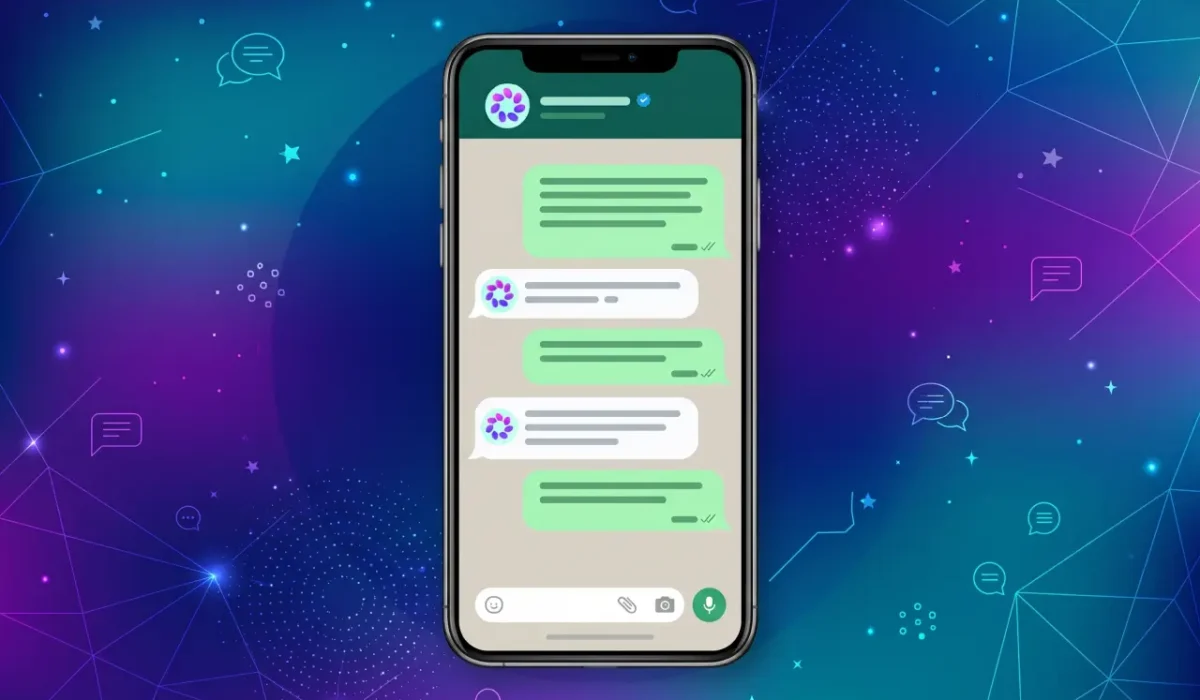
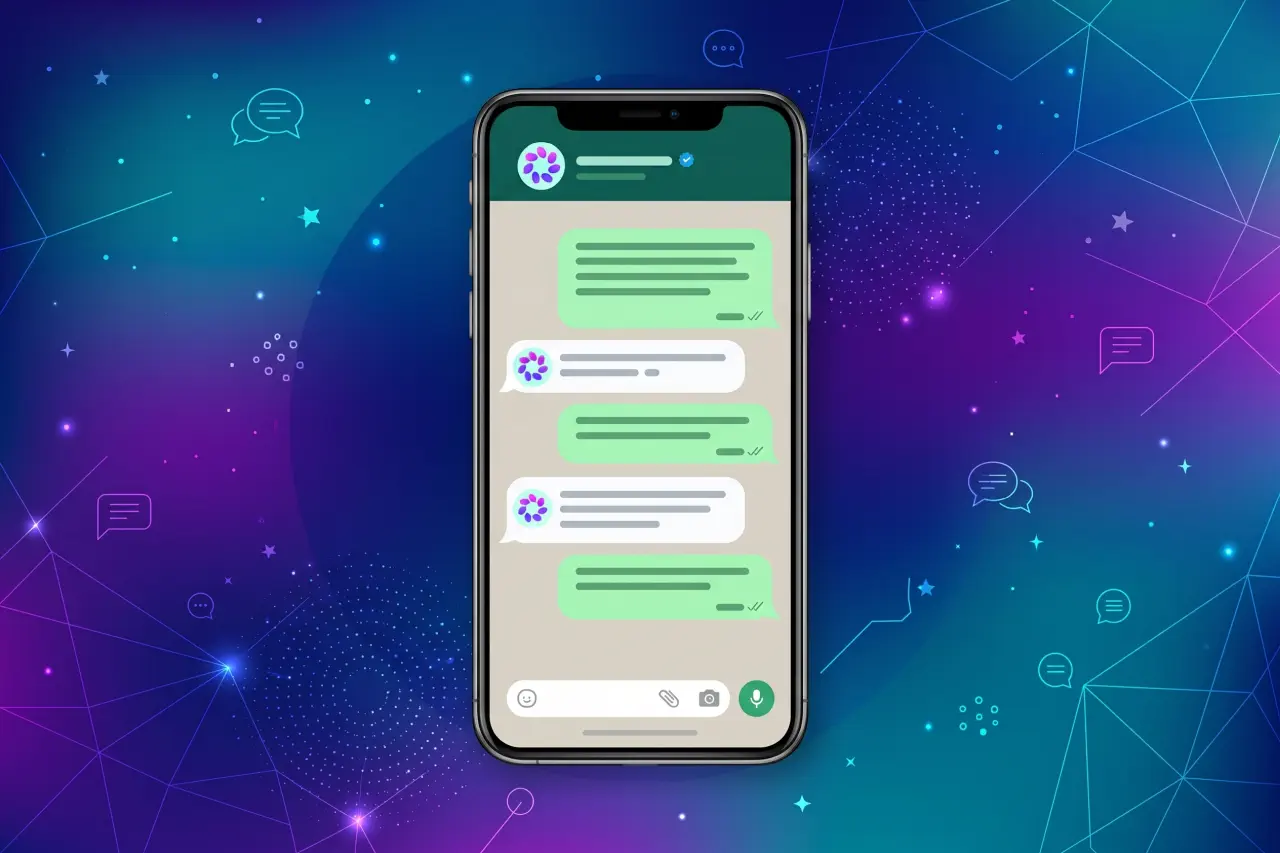
The new beta build introduces a distinct shortcut embedded within the standard chat creation architecture of the Android application. When users open the interface to start a new conversation or view their contact list, Meta AI is prominently featured as a primary selectable option. This structural placement bypasses the need to search through external menus or remember specific usernames. By positioning the AI assistant shoulder-to-shoulder with human contacts and group chat options, WhatsApp is effectively positioning the algorithm as an active participant in the user’s communication network.
Technical analysts observing the beta deployment note that the feature is currently undergoing rigorous testing through Google Play’s beta program. This controlled rollout allows Meta’s engineering teams to monitor server loads, evaluate user interface responsiveness, and capture initial telemetry regarding how frequently users opt to engage the AI assistant when it is presented so prominently.
A Chronological Timeline of Meta AI’s Expansion on WhatsApp
To understand the significance of this latest Android beta feature, it is necessary to examine the rapid chronology of Meta AI’s deployment within WhatsApp. The journey from a conceptual large language model integration to a ubiquitous interface element spans several distinct milestones:
- Late 2023: Early internal testing and select regional trials begin, introducing Meta AI to a restricted group of beta testers on both Android and iOS platforms.
- Early to Mid 2024: Meta officially announces and begins a broader rollout of Meta AI at Meta Connect, embedding the assistant into WhatsApp’s search bar to help users query information, generate images, and find recommendations without leaving the app.
- Late 2024: Expansion of language support and regional availability, bringing the assistant to dozens of new countries and introducing voice interaction capabilities in select markets.
- Throughout 2025: Incremental user interface updates aimed at reducing the steps required to access generative AI tools, culminating in persistent shortcut experiments.
- Early 2026: The discovery of version 2.26.44.6 on Android, marking a shift toward treating Meta AI as a peer-level contact rather than a secondary search function.
Industry Context and the Push for Conversational AI Dominance
The strategic decision by Meta to prioritize conversational AI accessibility within WhatsApp is part of a broader, fiercely contested landscape. Major technology conglomerates are racing to capture consumer mindshare by embedding proprietary models into daily operating systems and communication utilities. Alphabet has integrated Gemini deeply into Android and Google Messages, while Apple has introduced Apple Intelligence across its hardware ecosystem.
For Meta, WhatsApp represents a uniquely powerful distribution channel. With over two billion active users globally, the messaging application offers an unparalleled audience for generative AI tools. By lowering the barrier to entry—such as introducing direct chat creation shortcuts—Meta increases the likelihood of habitual use. Industry analysts suggest that widespread adoption of Meta AI on WhatsApp could eventually translate into significant commercial opportunities, ranging from customer service automation for businesses to targeted advertising and enhanced digital commerce within chats.
However, this aggressive expansion is not without its complexities. Integrating advanced AI into a trusted, private messaging environment requires careful navigation of user privacy expectations, data handling concerns, and regulatory scrutiny. While Meta maintains that personal messages remain protected by end-to-end encryption, interactions with Meta AI are processed differently, as they involve queries sent directly to Meta’s servers for processing. Clear communication regarding these boundaries remains a crucial challenge for the company as the feature moves toward a stable public release.
User Reception and Privacy Considerations
Reactions within the tech community and early beta testing circles have been mixed, reflecting a broader societal ambivalence toward the mandatory infusion of artificial intelligence into standard software. Power users and tech enthusiasts generally praise the convenience of the new shortcut, noting that it reduces the friction of utilizing the assistant for quick translations, brainstorming, or writing assistance.
Conversely, a segment of the user base has expressed concerns regarding interface clutter. As platforms like WhatsApp incorporate more features—ranging from Status updates and Channels to business tools and AI assistants—some users worry about the dilution of the app’s core function as a clean, distraction-free medium for interpersonal communication. Calls for granular settings that allow individuals to completely disable or hide AI integration elements remain common across online technology forums.
Meta has yet to issue an official, dedicated press statement regarding the exact global release date for the new chat creation shortcut, as it remains restricted to the Android beta testing ecosystem. Nonetheless, standard deployment patterns suggest that successful beta trials typically precede a phased public rollout over subsequent weeks.
Broader Implications for Mobile Messaging
The evolution of WhatsApp from a simple text-messaging utility into an AI-augmented communication hub highlights a paradigm shift in software design. Utility applications are no longer passive conduits for human-to-human interaction; they are increasingly intelligent platforms designed to intermediate between the user and vast oceans of digital data.
As Meta continues to refine the Meta AI experience on Android and eventually expands these shortcut features to iOS and web versions, the way billions of people interact with information is fundamentally changing. Whether this deeper integration becomes an indispensable daily utility or an unwelcome intrusion will ultimately depend on user reception, performance reliability, and the transparency with which technology companies handle data privacy in the age of artificial intelligence.