










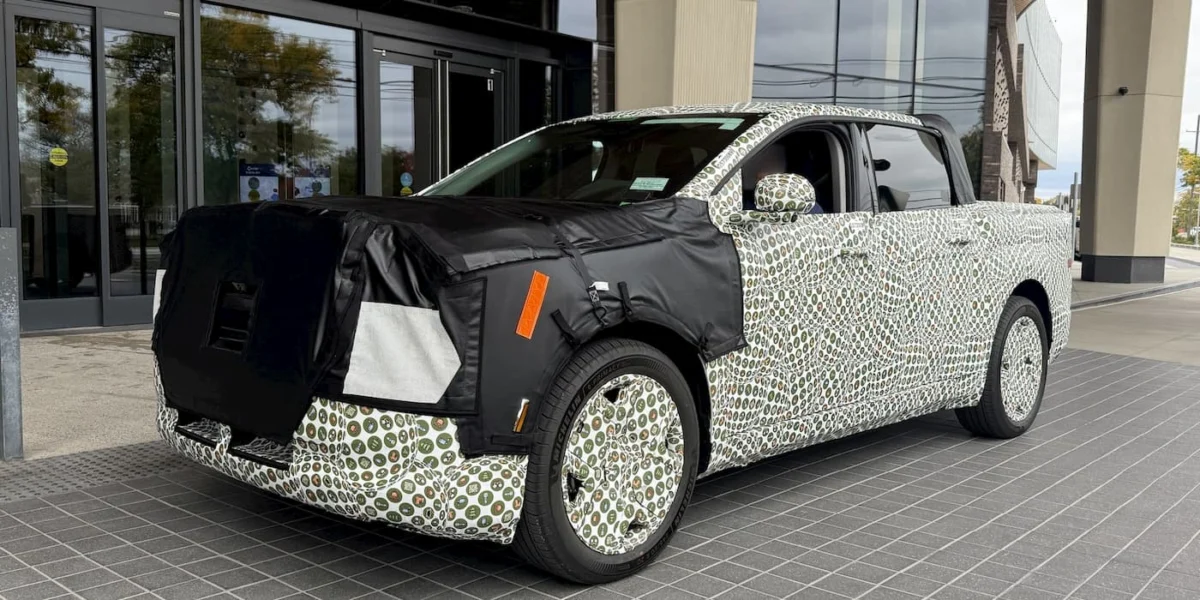
The automotive industry has long grappled with a significant adoption barrier for electric vehicles: affordability. While early adopters embraced luxury EVs with six-figure price tags, mainstream consumers have eagerly awaited models that align with average household budgets. Addressing this critical market gap, Ford Motor Company is positioning its upcoming midsize electric pickup, the Fathom, as a watershed moment for accessible electrification. With a remarkably aggressive base manufacturer’s suggested retail price (MSRP) of $28,350—and higher trim levels remaining under the $40,000 threshold—the Fathom promises to disrupt the American automotive landscape when it officially rolls out in the final quarter of 2027.
The disclosure of these competitive pricing details, alongside updates on vehicle architecture and technological capabilities, came during Ford’s third-quarter earnings call. Company leadership, including CEO Jim Farley and Ford Model e President Andrew Frick, outlined the strategic roadmap for the Fathom, offering the public a clearer picture of what the Blue Oval’s first vehicle built on its Universal Electric Vehicle (UEV) platform will deliver.
Main Facts and Core Specifications
At its core, the Ford Fathom is engineered from the ground up to maximize cost efficiency without compromising the utility expected of a pickup truck. The standard-range variant will start at $28,350, a figure that remains under the crucial $30,000 psychological barrier even when factoring in the mandatory $1,595 delivery fee.
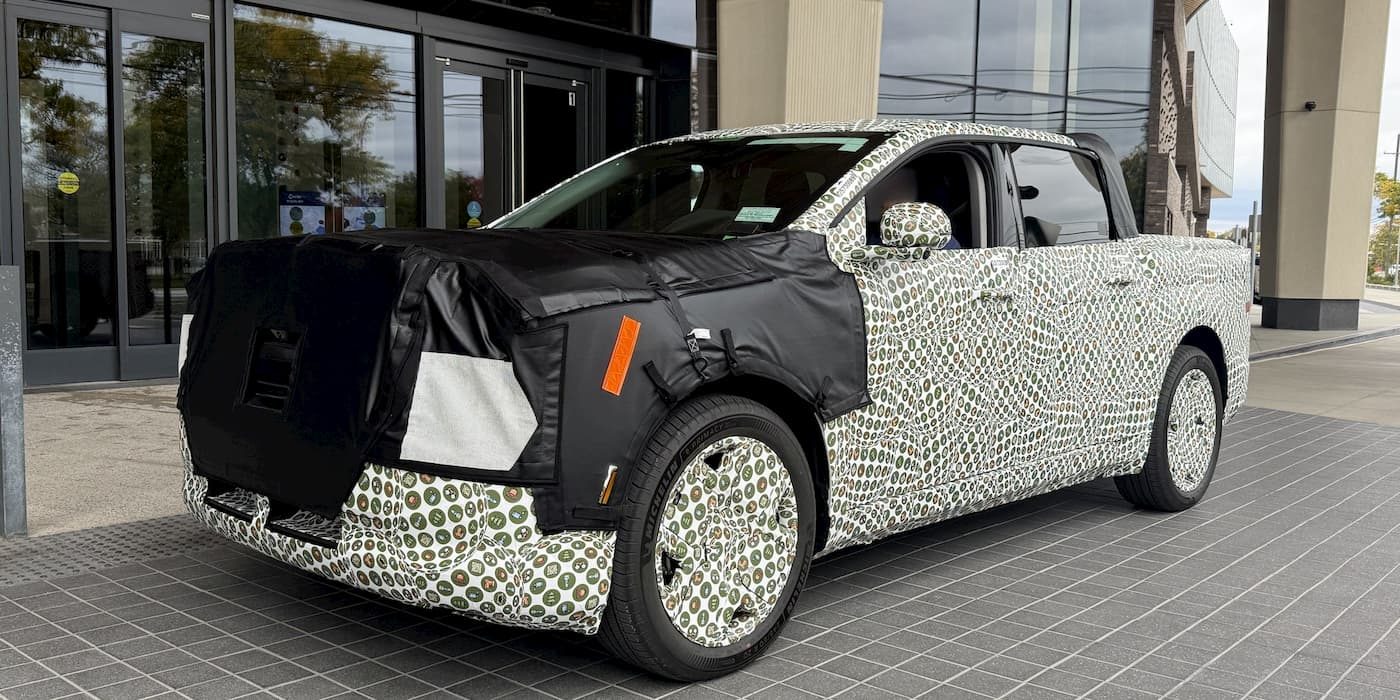
To achieve this price point while maintaining profitability, Ford is leveraging advanced manufacturing and engineering methodologies. The Fathom will utilize a cutting-edge zonal electrical architecture combined with a robust 48-volt system. This technological shift drastically reduces the complexity and weight of the vehicle’s internal wiring harnesses, yielding substantial savings in both production costs and energy management.
Furthermore, the vehicle’s utility extends beyond traditional transportation. The Fathom will feature advanced bidirectional charging capabilities. This functionality allows the truck to serve as a mobile power source, capable of supplying electricity directly to a home during a power outage or helping households offset peak utility rates by powering appliances during high-cost windows.
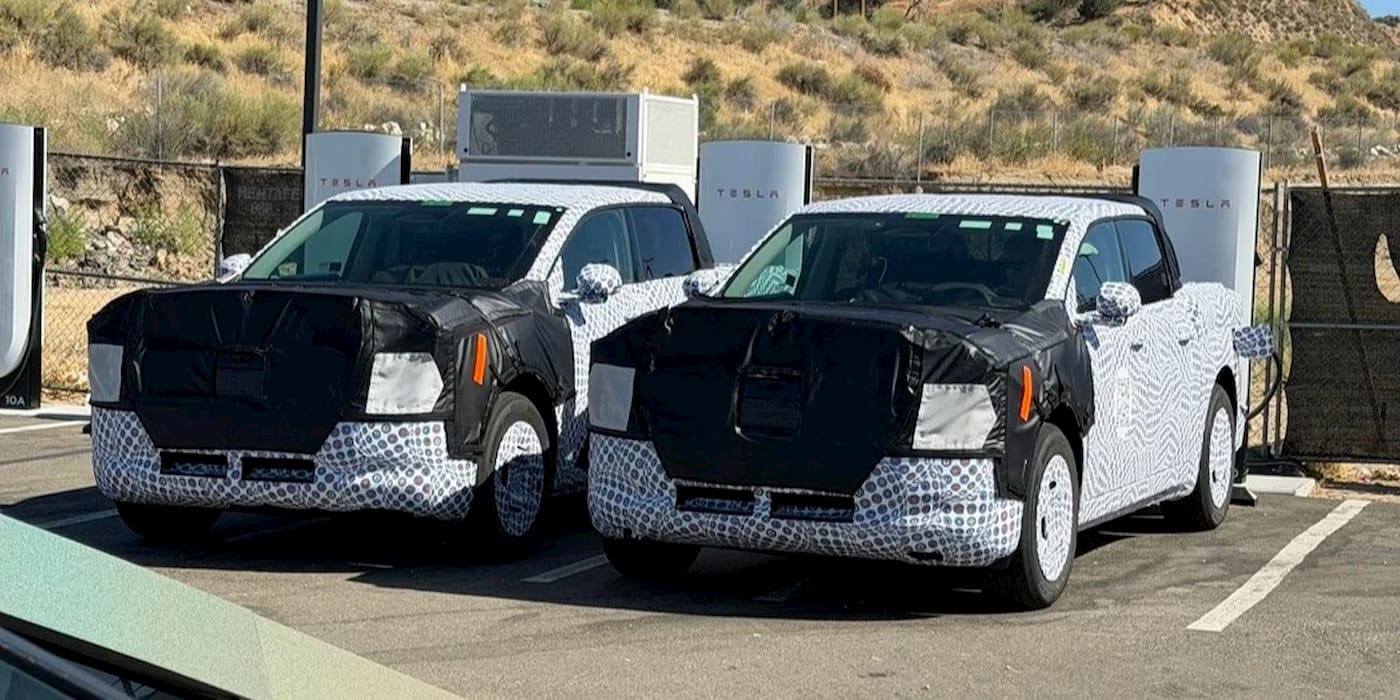
Charging convenience is another focal point. Following photographic evidence of a prototype spotted at a Tesla Supercharger station, it has been confirmed that the Fathom will feature a native North American Charging Standard (NACS) port, granting owners seamless access to North America’s most reliable rapid-charging network.
Chronology and Development Timeline
The path to the Fathom’s anticipated late-2027 release represents a carefully calculated multi-year development strategy by Ford to restructure its electric vehicle portfolio toward profitability and accessibility.

The genesis of the project stretches back to Ford’s strategic pivot toward affordable EV platforms, responding to slowing growth in the luxury EV segment. Earlier this summer, Ford officially announced the "Fathom" moniker for its highly anticipated affordable midsize truck, immediately generating widespread industry buzz.
Ahead of the third-quarter earnings report, Ford CEO Jim Farley was given the opportunity to evaluate a pre-production prototype of the Fathom. Speaking to investors and analysts during the earnings call, Farley described his test-drive experience as transformative. He highlighted the vehicle’s zero-to-sixty acceleration, expansive interior dimensions, and sophisticated Advanced Driver Assistance Systems (ADAS), noting that the hands-free driving experience offered something entirely unprecedented for a vehicle in this price class.
Looking ahead, Ford has established a disciplined timeline for the Fathom’s commercial rollout. Official preorders are slated to open in early 2027, allowing eager consumers to secure allocation. Final production and market delivery are firmly on track to commence in the fourth quarter of 2027.
Tiered Pricing and Upsell Strategy
While the $28,350 entry price serves as the headline-grabbing anchor for the Fathom lineup, Ford executives have clarified that the vehicle family will scale upward to meet diverse consumer preferences and commercial needs.
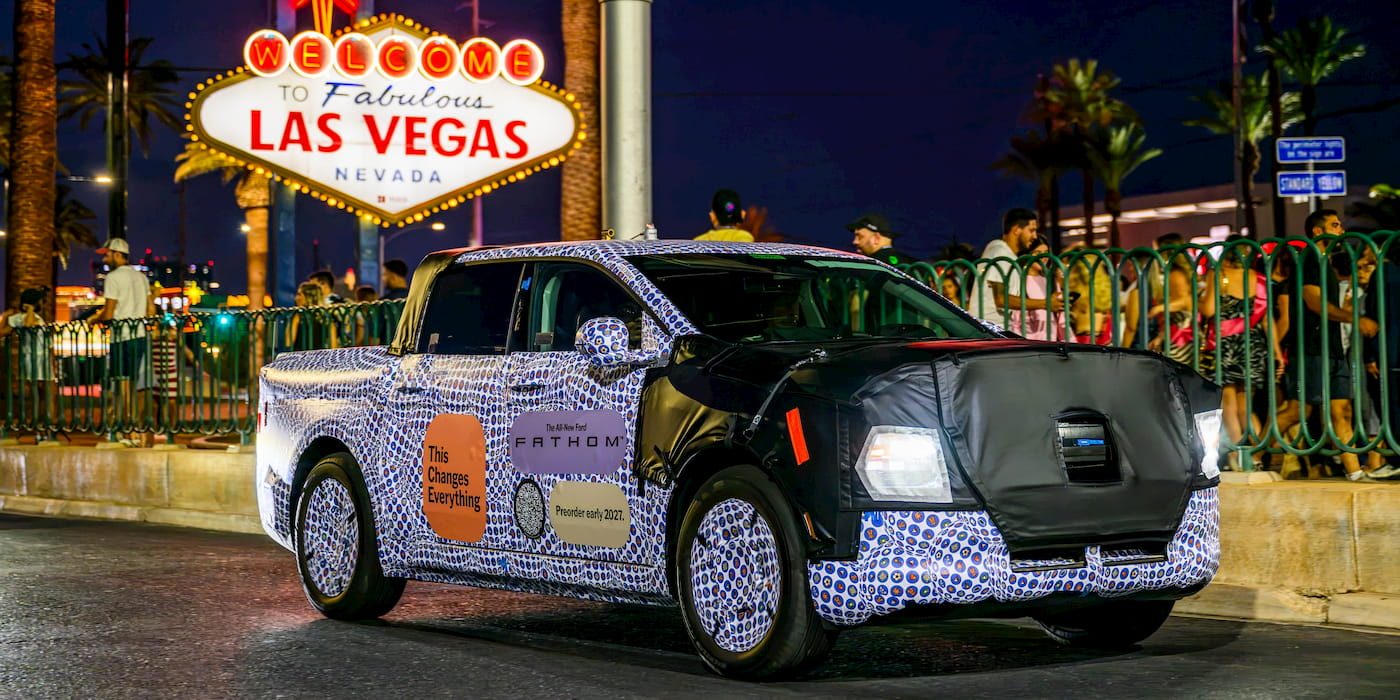
During the earnings discussion, Ford Model e President Andrew Frick elaborated on the tiered pricing structure. While the base model establishes the entry point, the broader lineup will stretch into the high $30,000 range. This multi-tiered approach will allow Ford to introduce various configurations, battery sizes, and functional packages tailored to budget-conscious buyers as well as those seeking enhanced features. Specific details regarding these individual trims and feature packages will be revealed closer to the official commercial launch.
Beyond traditional hardware upgrades, Ford is banking heavily on digital ecosystems and software services as primary upsell opportunities. CEO Jim Farley pointed to the deep integration of embedded Apple Maps and native Apple CarPlay and Android Auto compatibility as game-changing assets for an affordable EV.
Rather than relying solely on upfront vehicle sales, Ford views the long-term subscription and digital user experience as a vital revenue stream. Additionally, all Fathom variants will be equipped with BlueCruise capability, enabling sustained hands-free driving functionality across designated roadways.
Interior Space, Utility, and Comparative Analysis
Despite classified measurements and a closely guarded final interior design reveal, Ford has released compelling comparative data regarding the Fathom’s spatial efficiency. The manufacturer asserts that the midsize electric pickup will offer significantly more interior passenger volume than a Toyota RAV4, one of the best-selling compact SUVs in the United States.
This interior spaciousness is complemented by versatile exterior storage options, including a dedicated front trunk (frunk) and a traditional truck bed, providing functional utility that outpaces traditional compact SUVs and rivals internal combustion engine midsize trucks.
In terms of lifecycle economics, Ford’s financial projections suggest that the Fathom will present a compelling value proposition. The company claims that the total cost of ownership over a five-year period will be lower than that of purchasing a three-year-old used Tesla Model Y. For budget-conscious consumers weighing the transition from a legacy internal combustion vehicle to an electric alternative, this low projected cost of ownership could serve as a decisive economic factor.
Broader Market Impact and Industry Implications
The introduction of the Ford Fathom arrives at a pivotal juncture for the global automotive industry. For years, critics have argued that the electric vehicle transition risks stalling if automakers focus exclusively on high-margin, premium vehicles. Average transaction prices for new EVs have historically hovered well above parity with traditional gas-powered cars, locking out a vast demographic of middle-and lower-middle-class buyers.
By launching a fully capable electric pickup truck starting below $28,350, Ford is directly challenging this paradigm. If executed according to plan, the Fathom could catalyze a broader race to affordability among legacy automakers and EV startups alike. It forces competitors to re-evaluate their platform strategies, supply chain efficiencies, and manufacturing footprints to deliver sub-$30,000 electric vehicles without relying entirely on temporary federal subsidies.

Furthermore, the Fathom’s inclusion of bidirectional power flow and robust digital architecture signals a shift in how consumers view personal transportation. A vehicle is no longer evaluated solely on miles-per-gallon or horsepower, but on its capacity to integrate into a home energy ecosystem and provide continuous software-driven improvements over time.
As the automotive sector looks toward the late 2027 launch window, all eyes will be on Ford’s execution. If the Fathom delivers on its ambitious promises of low cost, high utility, and advanced technology, it may very well prove to be the vehicle that successfully transitions the mainstream American consumer into the electric age.