






There is a photograph that captures the foundational ethos of Nike All Conditions Gear (ACG) more accurately than any commercial lookbook or marketing campaign ever has. Two men sit near the base of K2, their faces drawn and lean after enduring 68 grueling days on the mountain, with snow-streaked ridgelines towering behind them. On their feet are yellow Nike running shoes, battered and torn to shreds. One of the climbers raises a thumb toward the camera in a quiet gesture of survival and accomplishment.
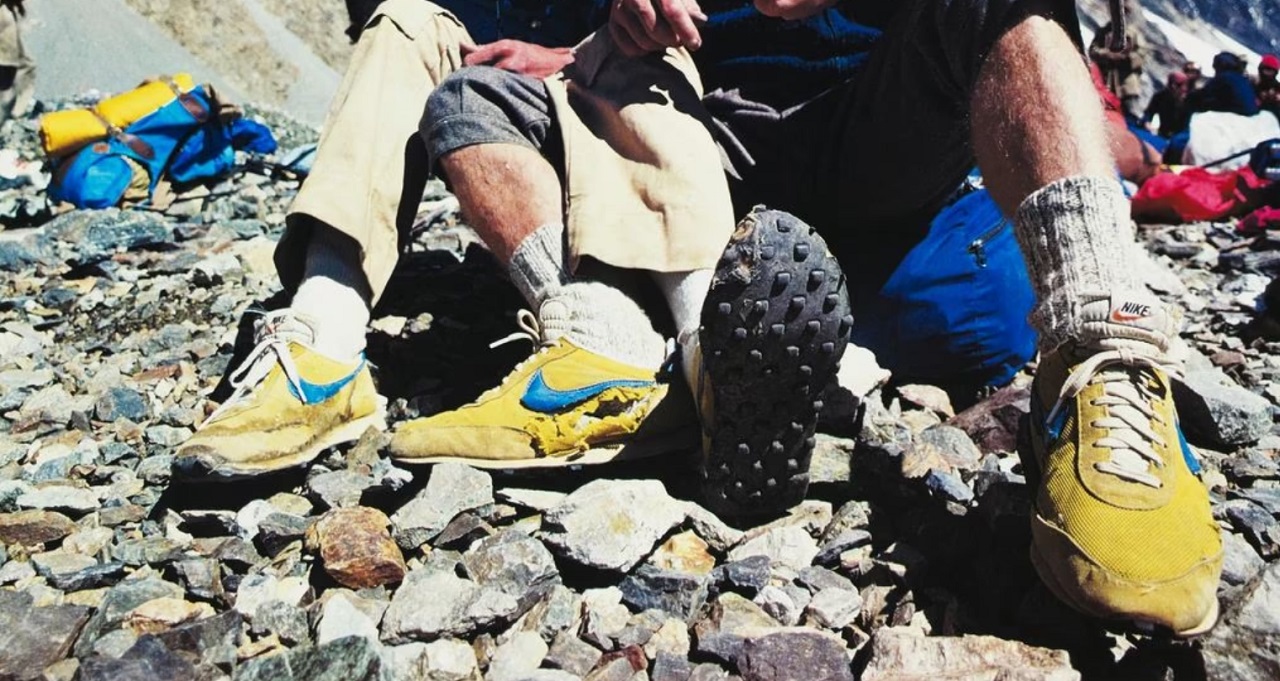
Those shoes were originally packed as a last-minute gift for the arduous approach trek, supplied by a young, ambitious athletic company that was not yet an established player in the outdoor industry. That moment occurred in 1978, inadvertently planting the seeds for what would become one of the most culturally significant cult brands in footwear history. Over the decades that followed, the line evolved, inspired generations of designers, faded into relative obscurity, and spent long stretches operating as little more than a ghost of its former self. Now, in 2026, Nike ACG is executing a calculated and aggressive re-entry into the high-performance outdoor sector—a transition that proves significantly more complex than its corporate branding implies.
A Humble Footwear Experiment on the Slopes of K2
By 1978, the formidable peak of K2 had been summited precisely twice. An Italian expedition achieved the feat in 1954, followed by a massive Japanese expedition in 1977. American mountaineers had made four unsuccessful attempts since 1938, leading to a stinging moniker within the international climbing community: "the American mountain."
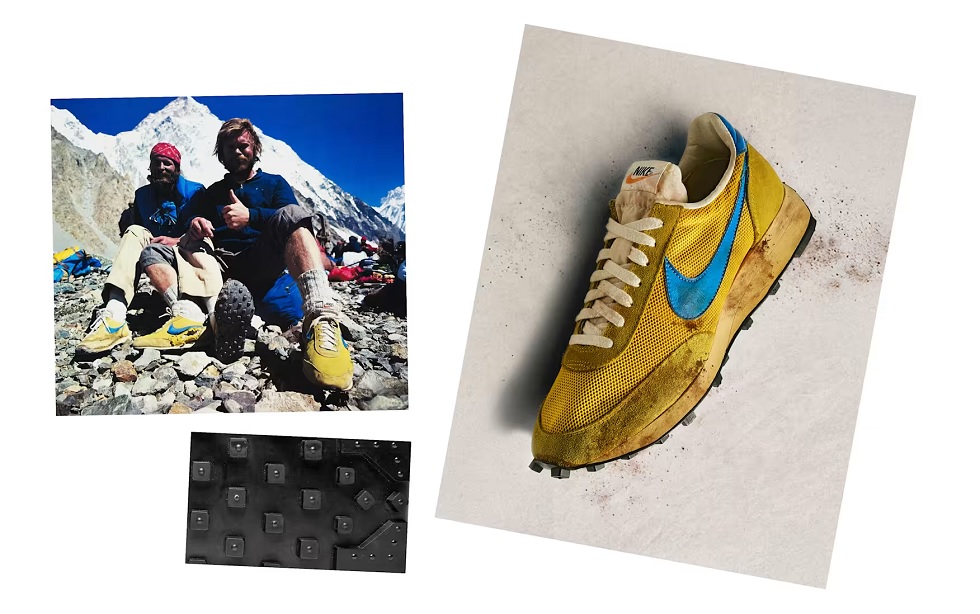
The 1978 American expedition was led by Jim Whittaker, the pioneering mountaineer who became the first American to summit Mount Everest and was serving as the head of REI at the time. Whittaker had previously turned back at 22,000 feet on K2 during a 1975 attempt, an experience that left a lasting psychological mark. Organizing a team of fourteen primarily Seattle-based climbers—including his wife, photographer Dianne Roberts—the expedition required external corporate backing. They secured support by cold-calling various brands, one of which was a fast-growing but financially constrained athletic company based in Oregon: Nike.
The mountain lived up to its brutal reputation, subjecting the team to nine consecutive storms, repeatedly destroyed camps, and internal interpersonal friction. Finally, in early September, a fleeting weather window opened. On September 6, Louis Reichardt and Jim Wickwire reached the summit. Reichardt completed the final push without supplemental oxygen due to a punctured oxygen hose, making him the first person to achieve the feat on K2. Wickwire spent nearly twenty minutes changing his camera film in sub-zero temperatures, forcing him to descend in darkness without a headlamp and enduring one of the highest emergency bivouacs ever recorded.
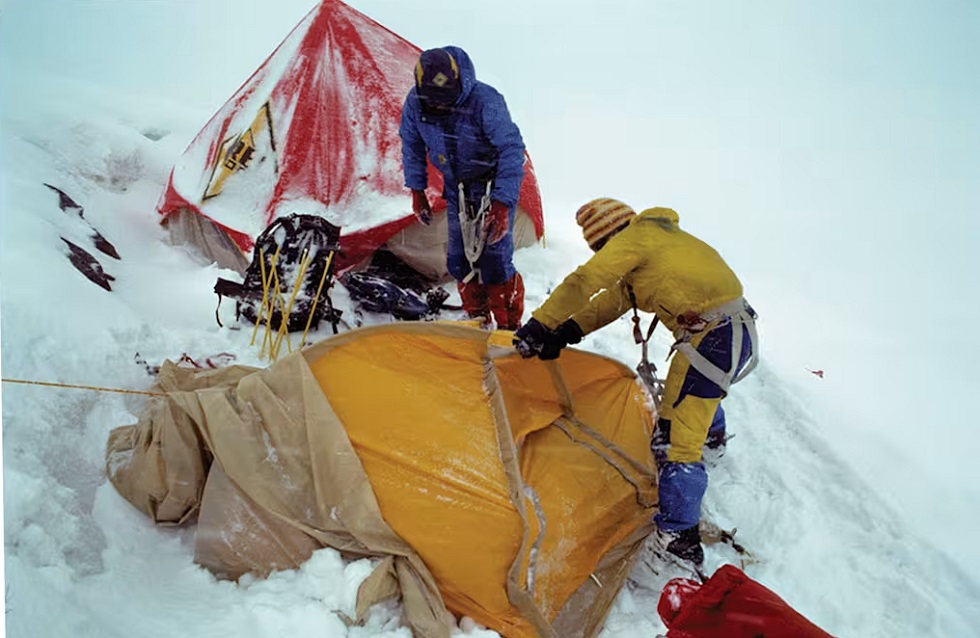
The following morning, teammates Rick Ridgeway and John Roskelley pushed upward, simultaneously executing a rescue mission and a summit bid. They intercepted Wickwire during his descent, bypassed a dangerous direct finish due to avalanche risks, and successfully reached the summit. Four Americans stood atop K2 within two days. While all members returned home, Wickwire suffered severe medical complications, including pneumonia, pleurisy, and pulmonary blood clots, requiring evacuation by a Pakistani military helicopter.
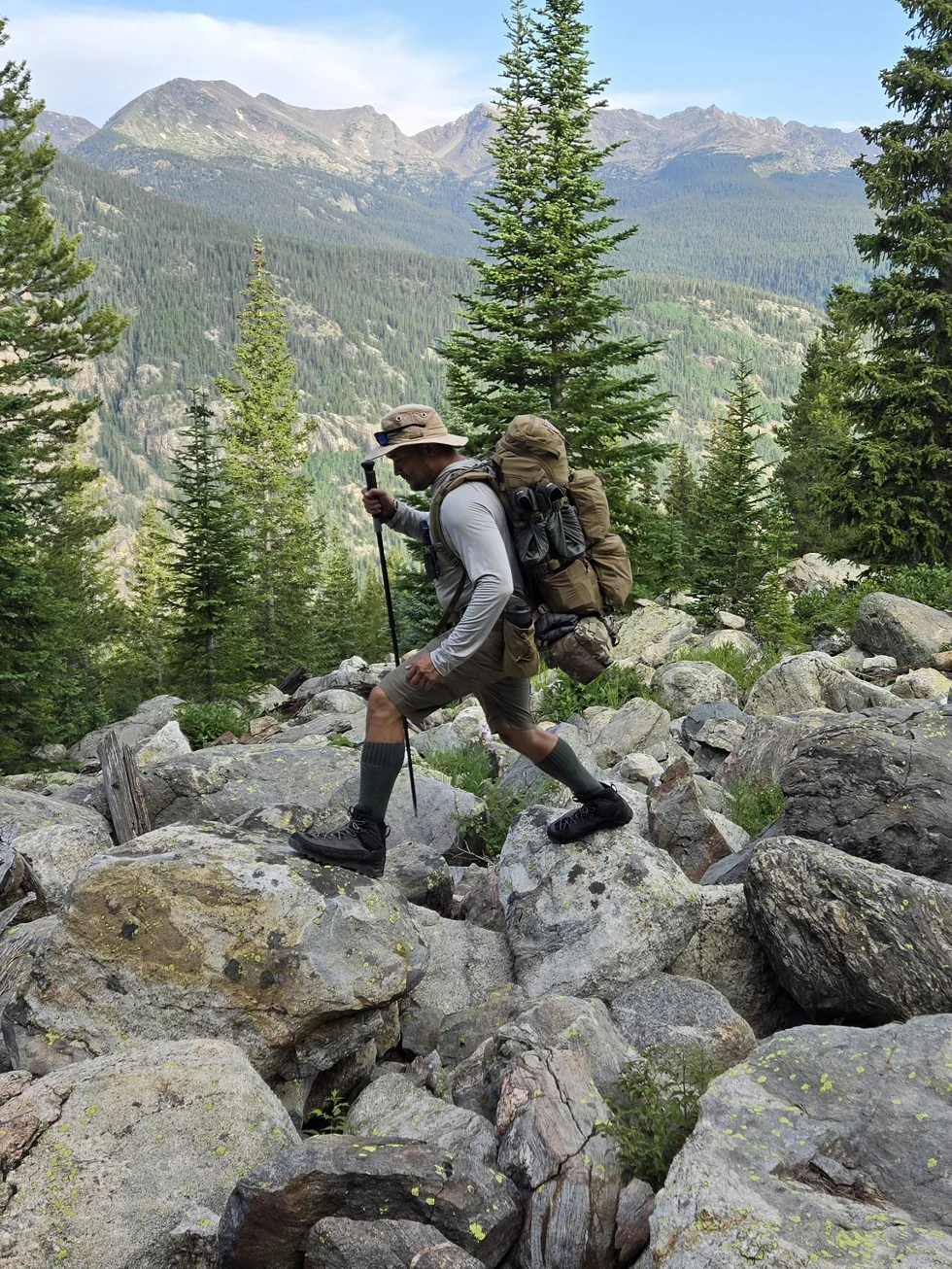
Before these dramatic events unfolded, the team faced a 110-mile approach trek to base camp, much of it across rugged, trail-less terrain. Anticipating the physical toll of the walk-in, Nike quietly provided lightweight running shoes: yellow Long Distance Vectors (LDVs). These shoes evolved from the LD-1000 model and were designed by Nike co-founder Bill Bowerman in collaboration with Eugene orthopedist Dennis Vixie, who manufactured the shoe lasts. Internally referred to as the Long Distance Vixie, these road-running shoes were worn by Ridgeway and Roskelley as a deliberate alternative to the rigid, heavy European leather boots standard for mountaineers of that era.
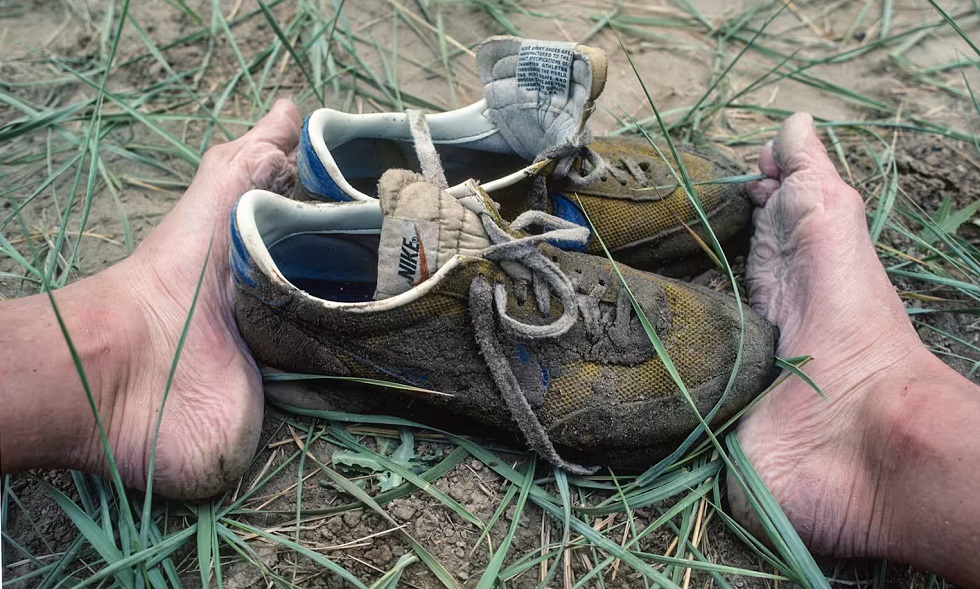
The experiment was an operational success. The shoes offered superior flexibility, breathability, and cushioning compared to traditional trekking boots, proving ideal for the aggressive boulder-hopping required during the approach. However, they were structurally unequipped for alpine mountaineering; by base camp, the shoes were severely damaged, and by the return trek, Ridgeway and Roskelley were forced to hold them together using tape and makeshift adhesives. Upon returning home, they mailed the ruined footwear back to Nike headquarters in Beaverton, Oregon, accompanied by a straightforward product brief: build a tougher sole, design a more rugged upper, and keep the overall weight to an absolute minimum.
The Birth of Lightness and All Conditions Gear
Nike leadership took the climbers’ feedback seriously, translating the core philosophy that lightweight footwear could survive harsh environments into a distinct design mantra. By the early 1980s, this philosophy yielded three pioneering models: the Lava Dome, the Approach, and the Magma.
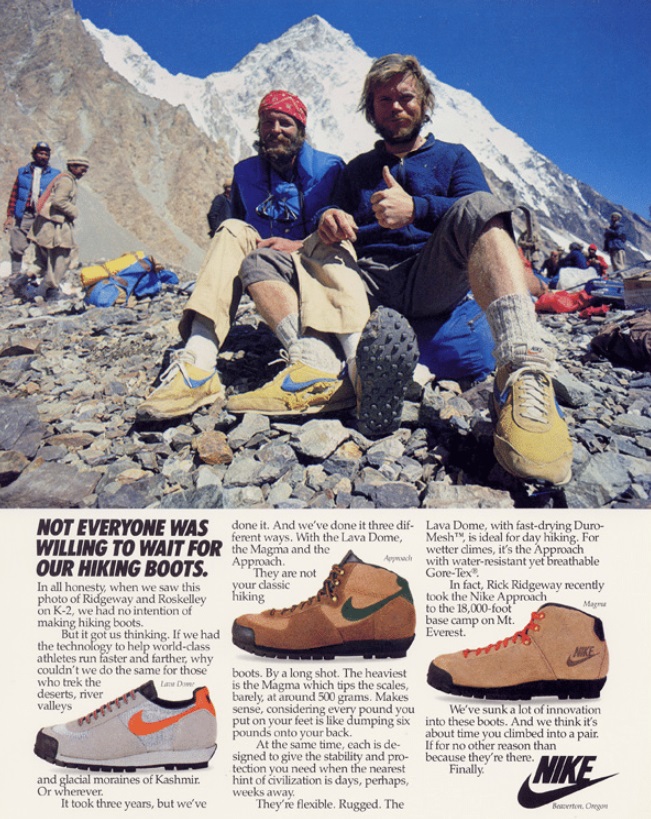
The Approach served as Nike’s debut footwear model utilizing a GORE-TEX lining, manufactured in Saco, Maine, featuring a durable waffle outsole paired with a leather-and-Cordura upper. Meanwhile, the Lava Dome—conceptualized by Trip Allen and Monte Mayko—established itself as one of the earliest lightweight hiking shoes produced by the company. Mayko, operating out of Nike’s Exeter, New Hampshire facility, viewed the shift as a natural evolution driven by world-class athletes adopting lightweight gear.
As product testing continued, Nike leveraged Dianne Roberts’ striking photograph of Ridgeway and Roskelley at base camp wearing their destroyed LDVs for the company’s inaugural outdoor print advertisement. The campaign highlighted that the climbers had simply refused to wait for dedicated Nike hiking shoes to be invented, officially blurring the lines between athletic training shoes and technical trekking equipment.
Concurrently, internal structural shifts were taking place. In 1984, young designer Mark Parker drafted the Escape, marking Nike’s formal entry into trail running. Three decades later, as corporate CEO, Parker would oversee pivotal chapters in the ACG brand’s evolution. By the mid-1980s, Nike accumulated numerous outdoor footwear and apparel experiments scattered across different departments without a unified identity.
To rectify this fragmentation, a dedicated team was established in 1987 under the direction of Tom Clarke, then vice president of product marketing, and Kirk Richardson, a lifelong mountaineer. Recognizing that legacy European outdoor brands dominated the market with rigid, heavy specialty gear, Nike identified a distinct commercial vacancy: high-performance athletic apparel and footwear engineered for dynamic movement across diverse weather conditions.
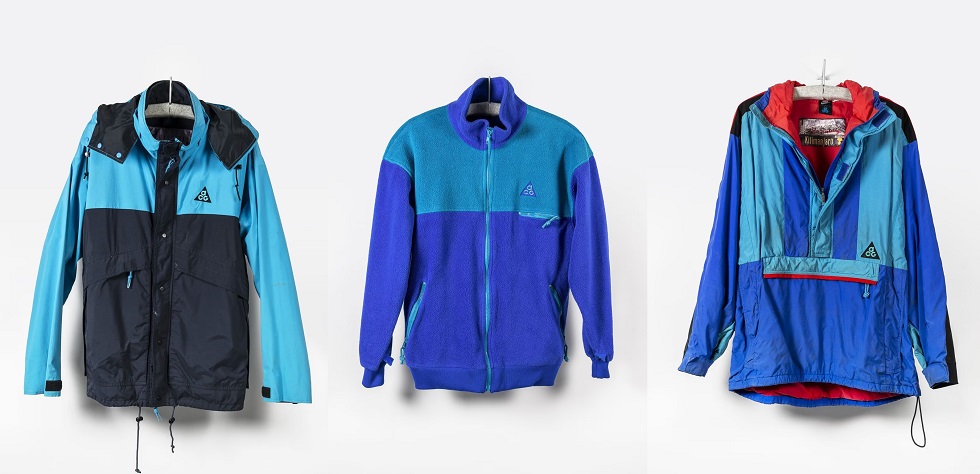
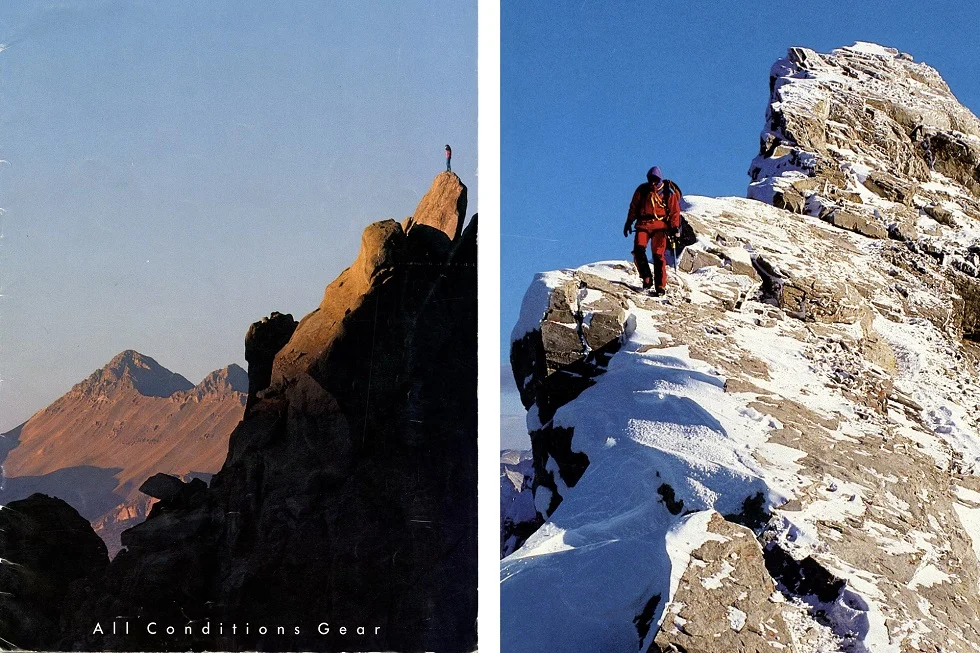
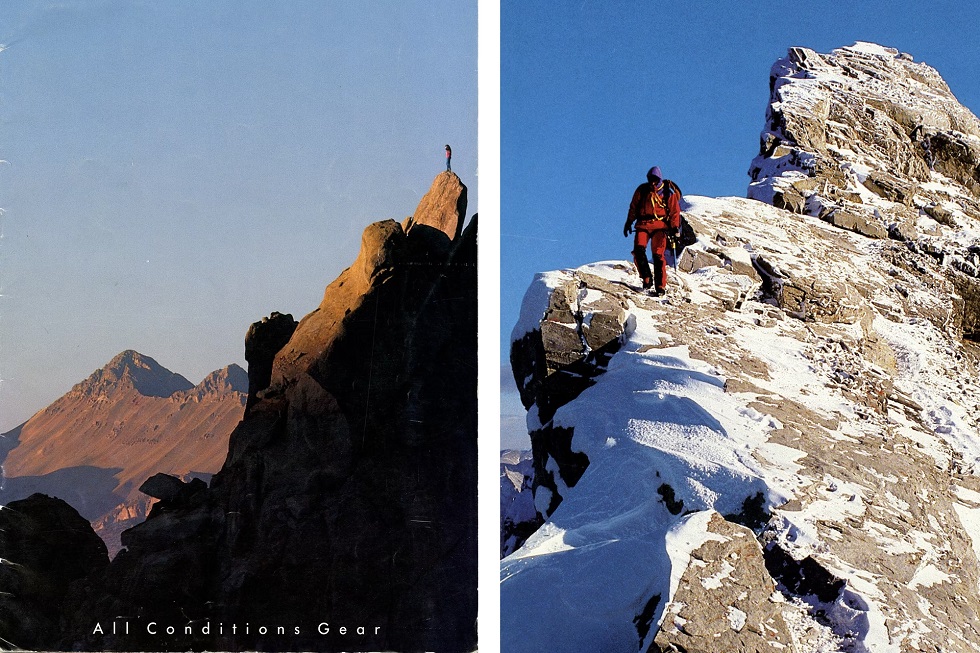
The official launch of ACG occurred in 1989 under Richardson’s leadership, consolidating footwear and apparel under a single operational umbrella. Emphasizing four core pillars—high performance, durability, versatility, and functional excellence—the brand debuted with a marketing campaign shot in Moab, Utah, featuring climbers scaling Castleton Tower. The inaugural autumn collection introduced iconic footwear models such as the Air Wildwood and the Lava High, alongside technical GORE-TEX and fleece outerwear pieces named after famous global peaks, including the Huascarán jacket and the Kilimanjaro anorak.
The 1990s Golden Era and the Rise of Gorpcore
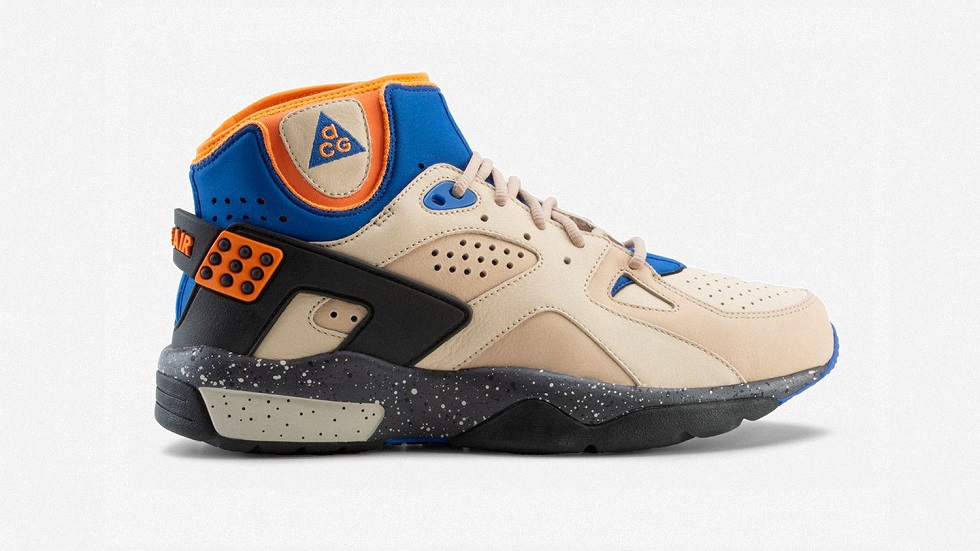
The 1990s represented the creative zenith of the ACG division, anchored by bold aesthetic choices and avant-garde functional designs. In 1991, legendary designer Tinker Hatfield introduced the Air Mowabb, named after the desert trails of Moab, Utah. Merging the anatomical fit of the Air Huarache with the durability of the Wildwood, the Air Mowabb featured a neoprene inner bootie, native-inspired accents, and a distinctive speckled midsole that later influenced numerous lifestyle silhouettes across Nike’s catalog.
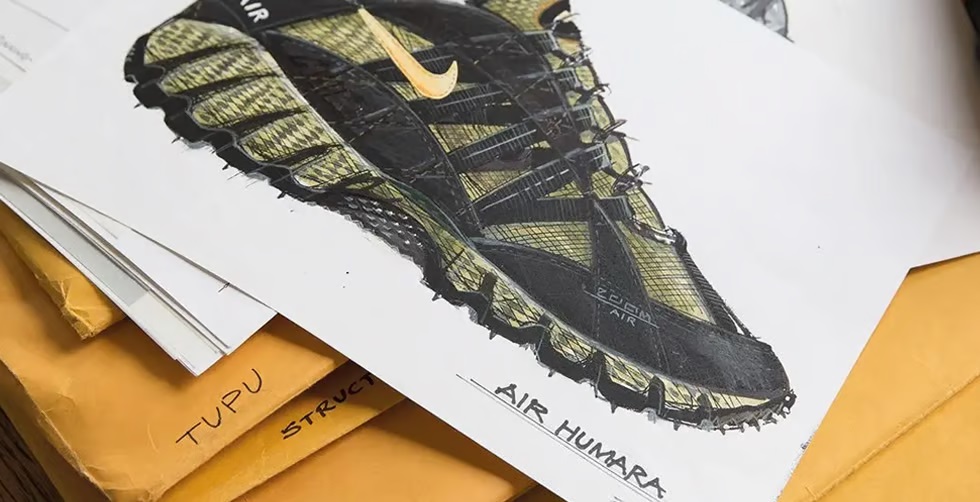
Continued innovation defined the mid-90s. The 1993 Air Deschutz integrated Nike Air cushioning into a technical outdoor sandal, while the 1994 release of the Air Moc combined slipper-like comfort with robust outdoor utility. Simultaneously, designer Peter Fogg applied industrial design principles to models like the Air Humara. ACG quickly transformed into an internal incubator where Nike’s most imaginative designers operated with minimal creative constraints.
However, this boundary-pushing approach created an unintended consequence. Because ACG intentionally disregarded the rigid borders separating running, hiking, climbing, and daily urban life, consumers readily adopted the gear as a staple of everyday streetwear. This phenomenon foreshadowed a broader cultural shift that the wider fashion industry would later categorize as "gorpcore"—a term coined by Jason Chen in 2017 to describe functional outdoor apparel embraced within mainstream fashion.
The Errolson Hugh Era and Corporate Realignments
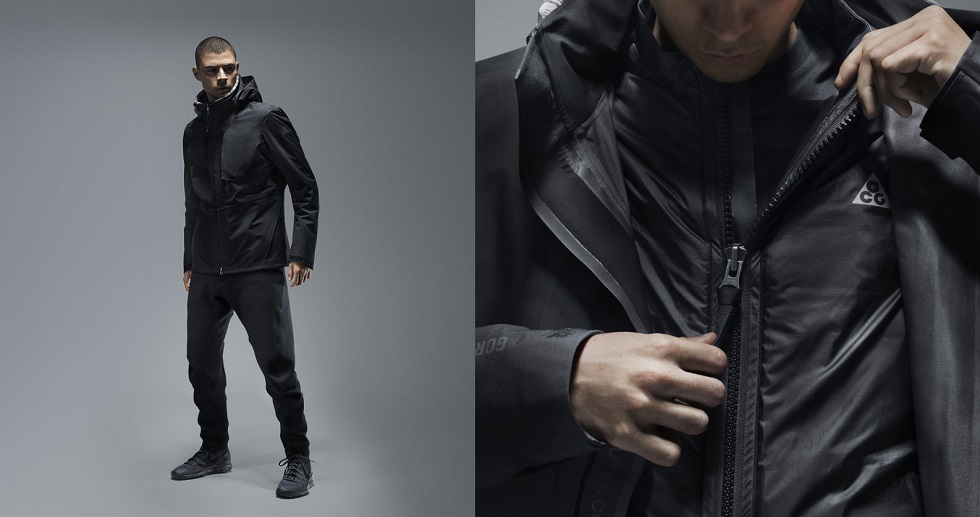
Following a period of diminished cultural relevance throughout the late 2000s, Nike revived the ACG banner in December 2014 by partnering with Errolson Hugh, co-founder of Berlin-based techwear pioneer Acronym. Appointed by then-CEO Mark Parker, Hugh reimagined the division as NikeLab ACG, operating under the precise mandate of "sport utility for the city."
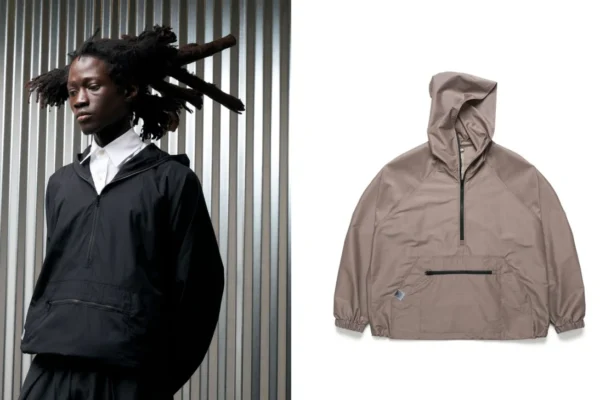
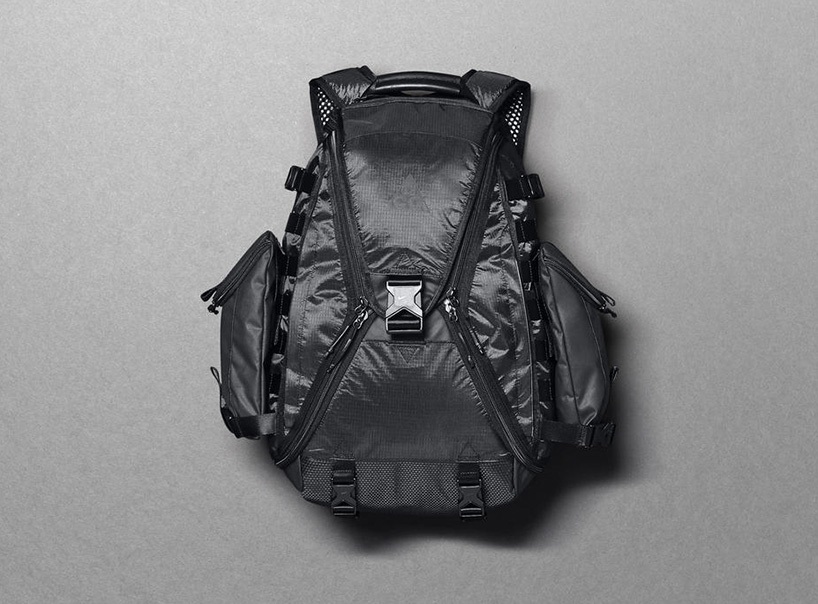
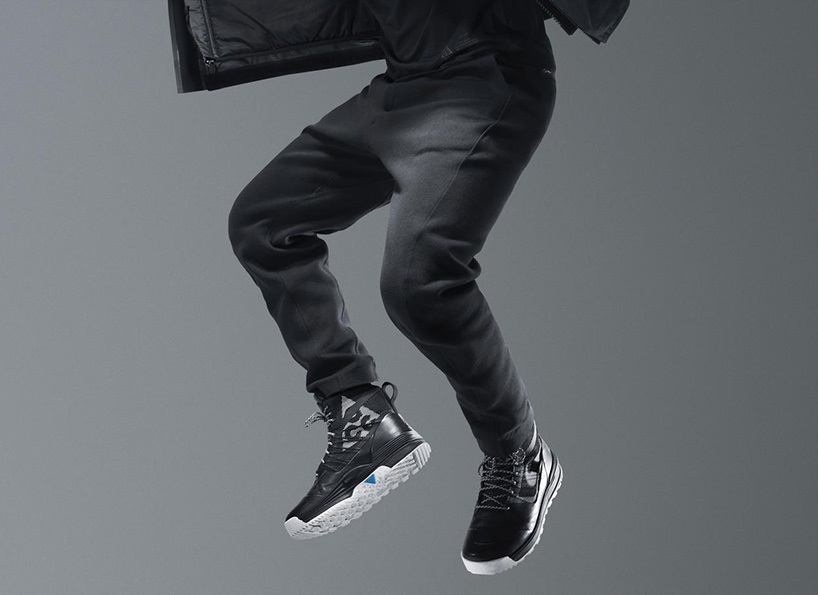
Transitioning away from the vibrant color palettes of the 1990s, Hugh introduced a sophisticated urban aesthetic defined by black technical fabrics, three-layer GORE-TEX membranes, fully taped seams, modular 2-in-1 jackets, and subtle reflective branding. The collection included the urban-adapted Responder backpack, selling through elite NikeLab hubs in global fashion capitals. This four-year partnership achieved commercial and critical acclaim, proving that ACG’s technical DNA could successfully translate into high-end urban streetwear.
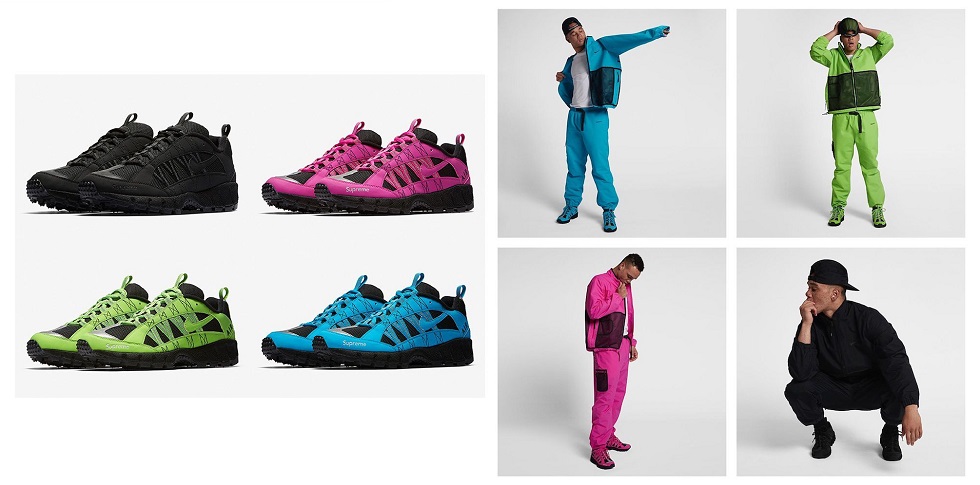
Following Hugh’s departure in 2018, senior creative director James Arizumi steered ACG back toward its mountain heritage and vibrant retro colorways, reintroducing archival models like the Air Mada, Torre Mid, Goadome, and Baltoro, alongside strategic collaborations with fashion houses like Comme des Garçons and Supreme.
Navigating Modern Market Challenges and the 2026 Relaunch
Despite its cultural footprint, corporate missteps at Nike during the early 2020s impacted its broader market positioning. Under former CEO John Donahoe, Nike pivoted heavily toward direct-to-consumer digital sales while scaling back wholesale partnerships with major athletic retailers like Foot Locker and Dick’s Sporting Goods. This strategic withdrawal created a market vacancy that aggressive competitors—most notably On, Hoka, and Salomon—rapidly filled, capturing surging consumer demand for running and outdoor footwear following the pandemic.
Following a historic drop in stock valuation in mid-2024, Elliott Hill assumed the role of CEO, initiating a strategic return to core athletic performance and a reinvestment in wholesale retail channels. Concurrently, the technical trail running market experienced unprecedented expansion.
Recognizing these shifting market dynamics, Nike officially re-introduced ACG on February 2, 2026, as a dedicated outdoor performance brand with an uncompromising focus on trail running, hiking, and alpine exploration. Led by Vice President and General Manager Scott LeClair, the revamped division absorbed the company’s previous Nike Trail initiatives to unify its outdoor product ecosystem under a single, authoritative banner.
The 2026 product lineup reflects this technical refocus, featuring elite trail footwear models like the Ultrafly and the rugged Zegama, alongside high-performance apparel including the Radical AirFlow racing top and the Lava Loft down jacket. Furthermore, the introduction of the GOATEK outsole compound at the UTMB event in Chamonix signals a strategic shift to reduce reliance on external suppliers for grip technology.
To establish genuine authenticity within the rigorous endurance community, ACG has deployed immersive experiential campaigns and substantial financial investments. These include sponsoring elite endurance races such as the Broken Arrow Skyrace—featuring a record-breaking $150,000 prize purse—and collaborating with automotive innovator Rivian to design custom electric support vehicles outfitted as mobile aid stations for remote ultramarathons.
Conclusion: Earning Trust on the Trail
Despite sophisticated marketing activations, high-tech product engineering, and deep industry investments, the ultimate success of Nike ACG depends on the critical endorsement of the global trail running community. Endurance athletes maintain strict criteria for gear reliability, evaluating performance based on utility rather than corporate branding.
As Nike ACG re-establishes its presence across global mountain ranges and technical trails, the brand faces the enduring challenge of bridging its vibrant streetwear legacy with uncompromising alpine performance. Ultimately, true credibility within the outdoor sector cannot be manufactured through promotional campaigns or urban transit activations. True to the legacy established on the rugged approaches of K2 in 1978, lasting trust within the outdoor community is earned the hard way: on foot, over long distances, and far beyond the boundaries of paved trails.