










The Rise of the RTX 50-Series and AI Integration
The transition to the RTX 50-series in early 2025 marks the most significant architectural shift in the gaming laptop sector in three years. Nvidia’s latest mobile GPUs, which emphasize advanced AI-driven frame generation and improved power management, have allowed manufacturers to push clock speeds further than previously possible without catastrophic thermal throttling. This generation is characterized not just by raw rasterization performance, but by the integration of AI-powered features like DLSS 4, which optimizes rendering in real-time, effectively allowing 4K gaming on 16-inch chassis that were previously limited to 1440p performance.
However, this transition has also created a bifurcated market. Early adopters are currently paying a premium for machines equipped with RTX 50-series silicon, while budget-conscious consumers are finding immense value in the late-cycle RTX 40-series laptops, which have seen significant price reductions as retailers clear inventory.
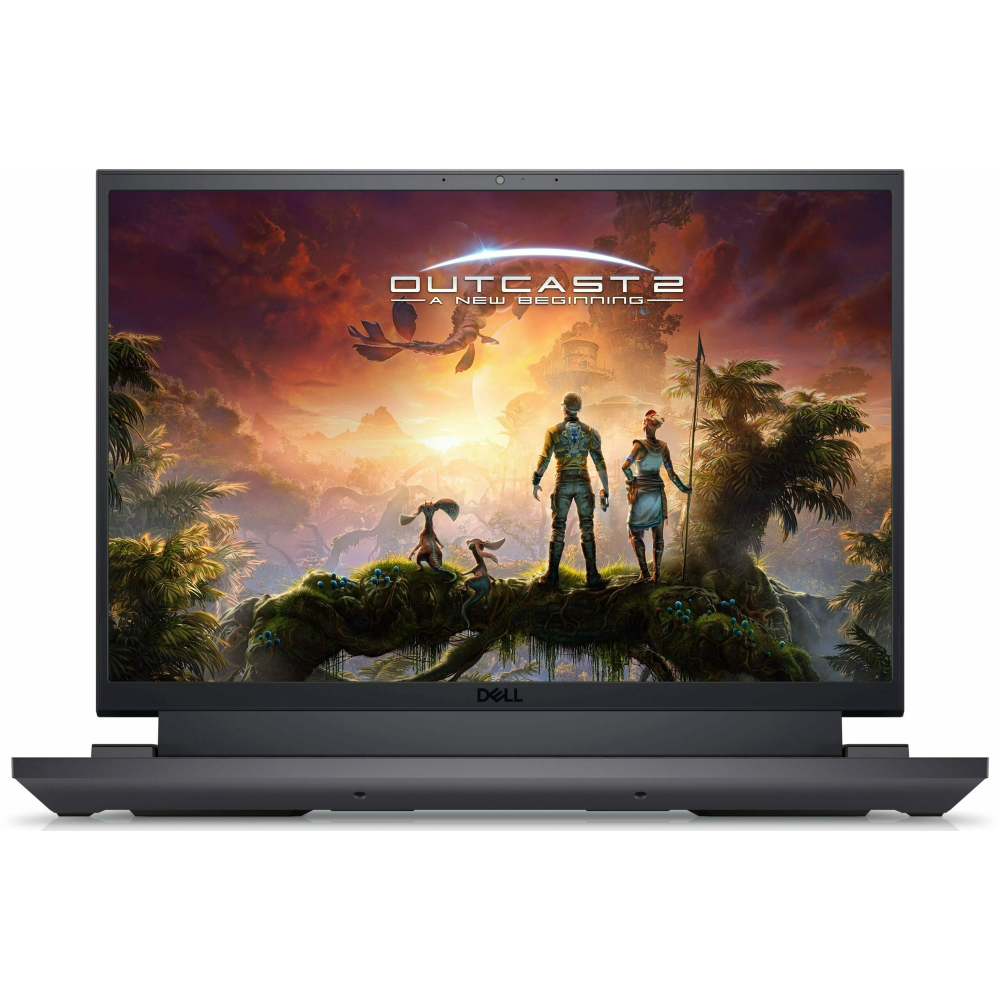
Chronology of the 2025 Hardware Launch
The first quarter of 2025 saw a flurry of product refreshes across the industry. In January, major manufacturers, including MSI, Razer, and Alienware, unveiled their flagship lineups at CES, centered on the Intel Core Ultra 200HX series and AMD’s Ryzen AI 9 chips. By late February, the first benchmarks for the RTX 5080 and 5090 mobile variants were widely available, confirming that these units could outperform their 40-series predecessors by 20% to 35% in demanding titles like Cyberpunk 2077 and Assassin’s Creed: Mirage.
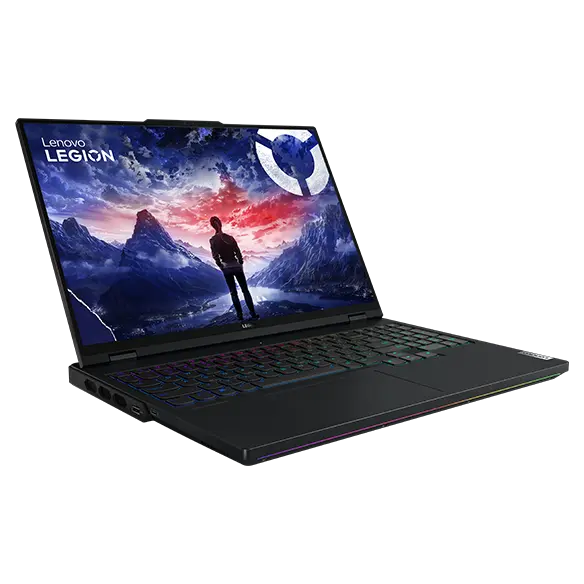
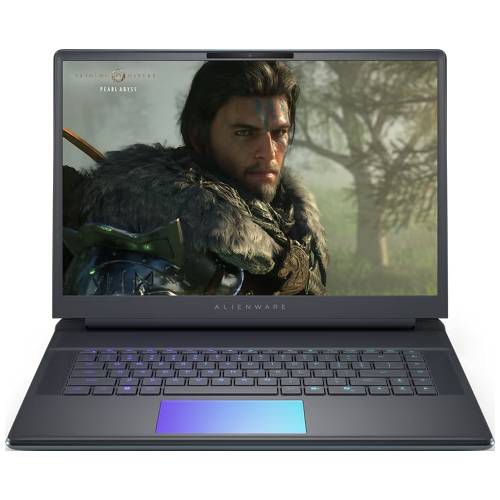
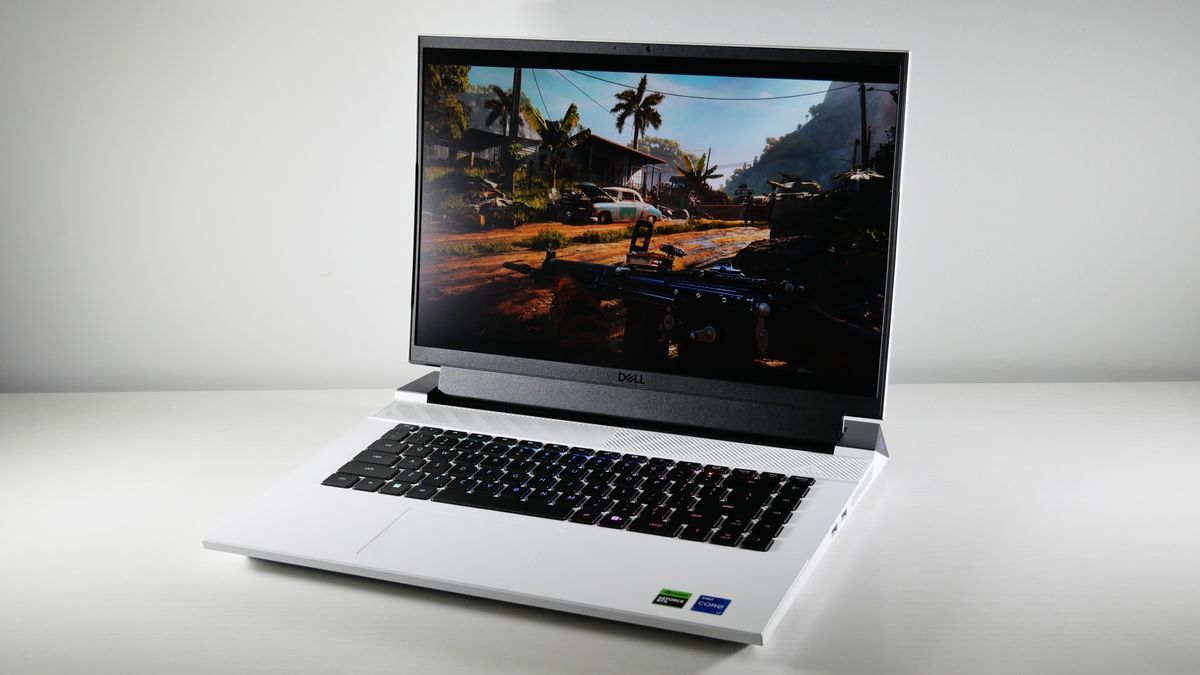
By June 2025, the market stabilized with the introduction of niche-specific models, such as the Alienware 16 Area-51, which catered to users prioritizing design and mechanical input systems. This period also confirmed that the RTX 5060 and 5050 variants—the anticipated entry-level options for the new series—would arrive later in the year, leaving a temporary void in the sub-$1,200 gaming segment currently occupied by high-value 40-series machines.
Performance Benchmarks and Data Analysis
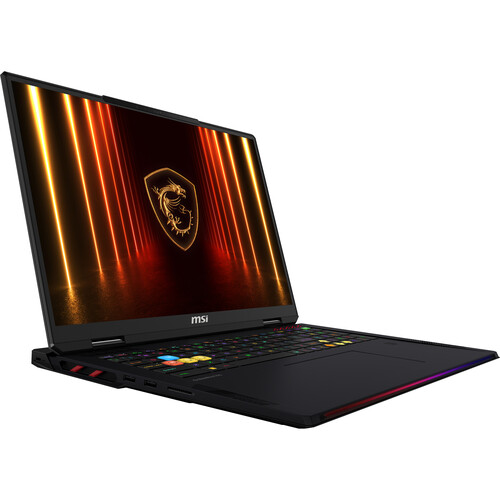
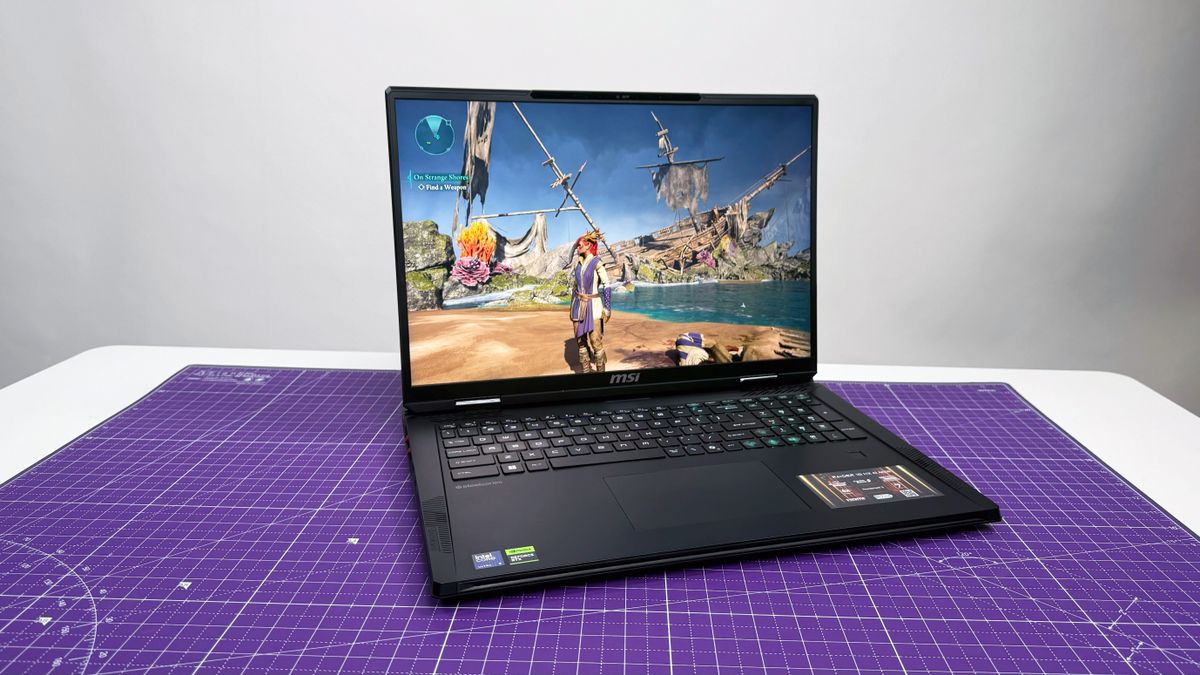
Independent testing across the current crop of gaming rigs reveals a clear hierarchy in performance. In synthetic tests like Geekbench 6, the top-tier RTX 5080-equipped machines, such as the MSI Raider 18 HX AI, consistently break the 21,000-point threshold. When compared to the previous generation, the performance gap is most noticeable in ray-traced lighting scenarios, where the new architecture handles complex reflections with approximately 15% more stability.
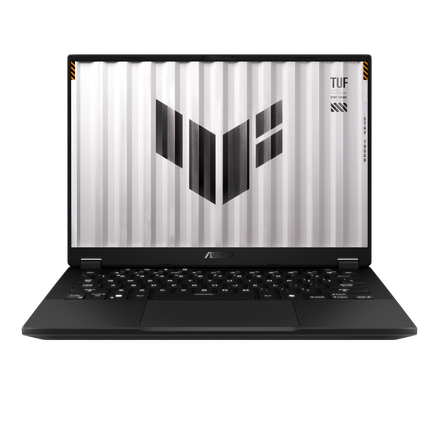
However, raw performance is only half of the equation. Battery life, historically the weakest link in gaming laptops, has seen a surprising evolution. The Asus TUF Gaming A14 has set a new industry benchmark, surpassing 10 hours of runtime during standard web-surfing tasks. This represents a significant shift; as manufacturers optimize the power states of the Ryzen 7 8845HS and Intel Core Ultra processors, the "gaming laptop" is increasingly becoming a viable "productivity laptop" for students and professionals who require high-performance hardware during the day and gaming capability at night.
Industry Perspectives and Market Implications
Industry analysts have noted that the 2025 cycle is defined by "pragmatic premiumization." Manufacturers are no longer just chasing thinness; they are prioritizing high-fidelity displays and mechanical keyboards. The inclusion of MiniLED and OLED panels across the mid-to-high-tier range has become standard.

Rami Tabari, a lead reviewer in the field, emphasizes that the current landscape forces consumers to make a binary choice: either invest in the future-proofing of the RTX 50-series or capitalize on the price-to-performance stability of the 40-series. "The RTX 40-series is no longer obsolete," Tabari notes. "For the majority of gamers, an RTX 4070 or 4080 remains more than sufficient for high-refresh-rate gaming at 1440p."
Factors Influencing Consumer Choice
For those currently navigating the market, seven key variables determine the value of a prospective machine:
- Thermal Management: With the high TDP (Thermal Design Power) of 50-series GPUs, chassis cooling has become the primary differentiator between two laptops with otherwise identical specifications.
- Display Technology: The shift from standard IPS panels to OLED and MiniLED is profound. OLED offers superior contrast ratios for visual immersion, while MiniLED provides the sustained peak brightness necessary for HDR gaming in well-lit environments.
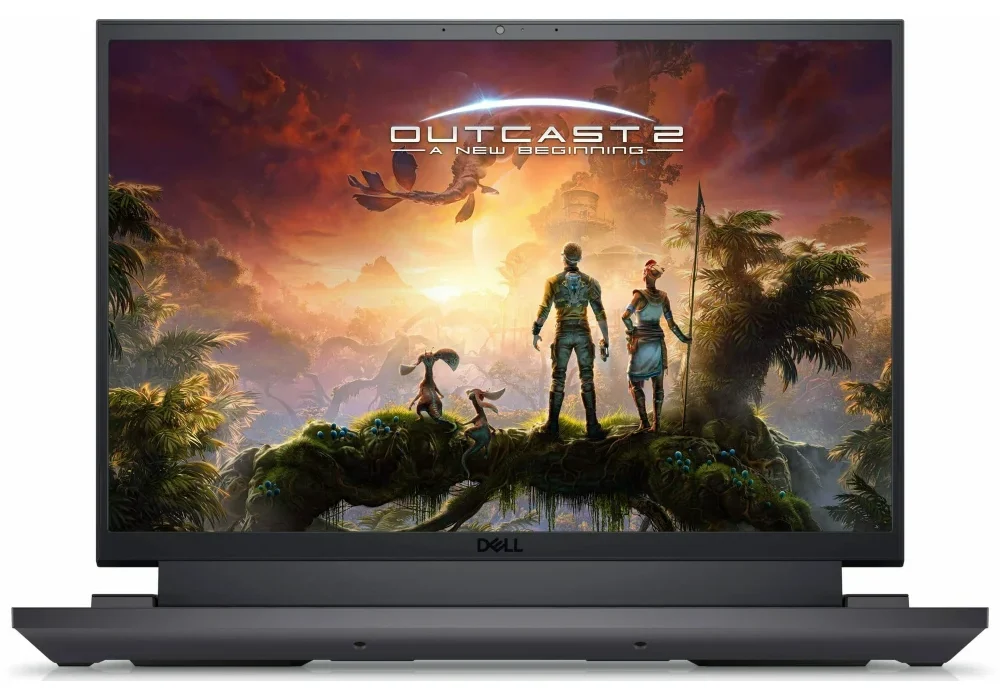
- Mechanical Input: The inclusion of mechanical switches, as seen in the Dell G16 and Alienware Area-51, has migrated from a novelty feature to a highly requested specification among competitive players.
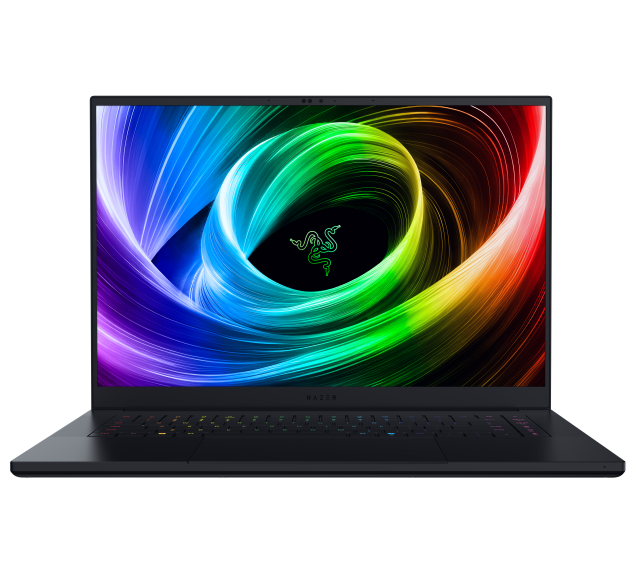
- Chassis Portability: The divergence between 14-inch "ultra-portables" and 18-inch "desktop replacements" is more distinct than ever. Consumers must choose between the mobility of the Razer Blade 16 or the sheer power of an 18-inch machine.
- RAM and Storage Expandability: As games grow in file size, the 1TB SSD has become the absolute minimum, with 2TB or higher becoming the recommended standard for users with large libraries.
- I/O Versatility: Modern gaming requires robust I/O, including Thunderbolt 5 or high-bandwidth USB-C, to handle external monitors and high-speed peripheral docking.
- Software Ecosystems: Proprietary control centers, such as those used by Alienware or Razer, now play a larger role in system stability, allowing for real-time adjustments to fan curves and power distribution.
The Outlook for the Remainder of 2025
As the year progresses, the industry expects a normalization of pricing for RTX 50-series laptops. The release of the mid-range RTX 5060 is anticipated to be a pivotal moment, as it will likely become the new baseline for mainstream gaming machines. For the casual user, the advice remains consistent: evaluate the necessity of the latest GPU generation against the immediate value of current, discounted hardware.

The 2025 gaming laptop market is arguably the most diverse it has ever been. Whether the priority is the battery longevity of an Asus TUF, the aesthetic appeal of an Alienware Area-51, or the raw, unbridled power of an MSI Raider, the technology has reached a point where compromise is increasingly rare. Consumers are no longer choosing between "good enough" and "desktop-class," but rather finding specific machines that cater to their unique blend of lifestyle, work requirements, and gaming habits.