






The relationship between a dedicated music enthusiast and their hi-fi system is rarely a static one. It is a pursuit characterized by perpetual refinement, where the listener acts as both curator and engineer, constantly adjusting components in a quest for sonic transparency. This dynamic was brought into sharp focus at the start of October, when a prompt to the global audiophile community—asking which record is the first to be played upon the installation of a new turntable—triggered an overwhelming volume of responses. The discourse revealed more than just a list of favorite tracks; it illuminated the deep psychological and emotional connection listeners maintain with their audio equipment, bridging the gap between clinical sound testing and personal nostalgia.
The Anatomy of an Audiophile Ritual
When a new turntable arrives, the "christening" process is rarely left to chance. For many, it serves as a symbolic rite of passage, marking the transition from an old system to a new era of playback. The data collected from these reader responses suggests that the choice of the inaugural record is governed by three primary motivations: technical familiarity, emotional resonance, and historical significance.
Technical familiarity remains the most cited reason for selecting a specific album. Audiophiles often prefer to use a recording they know intimately—one whose nuances, frequency responses, and dynamic shifts have been memorized over hundreds of listens. By using a "reference" recording, the listener can immediately identify how the new tonearm, cartridge, or phono stage alters the sonic landscape. As noted by industry experts, this benchmarking is essential for identifying colorations or improvements in the playback chain.
Conversely, the emotional "joy factor" serves as a counterweight to technical rigor. Many respondents argued that the first record must be one that evokes pure happiness, regardless of its production quality. This suggests that for the average listener, the hi-fi system is ultimately a vessel for human experience rather than merely a tool for objective measurement.
A Chronology of the Discussion
The conversation, initiated by What Hi-Fi? at the beginning of October, unfolded in rapid succession. Within the first hour of publication, the comment section and associated social media threads became a hive of activity.

- Initial Engagement: The discourse was immediately anchored by Dibo, an early commentator who proposed St Germain’s Tourist. This choice highlighted the importance of dynamic range in evaluating new equipment.
- The "Classic" Wave: Within minutes, social media contributors, including Paul Hadgett, reinforced the trend of relying on high-fidelity staples. Dire Straits’ Telegraph Road emerged as a recurring favorite, favored for its expansive soundstage and intricate guitar work.
- Expansion of Genre: By mid-day, the suggestions moved beyond the "standard" audiophile test records. Metal enthusiasts suggested albums by Iron Maiden and Tool, challenging the stereotype that hi-fi testing is exclusively the domain of jazz or soft rock.
- The Synthesis: By the end of the week, the thread had evolved into a sociological study of how people define "good sound." The consensus shifted from finding the "perfect" record to acknowledging that the "perfect" record is the one that facilitates a connection between the listener and the artist.
Statistical Trends in Listener Preferences
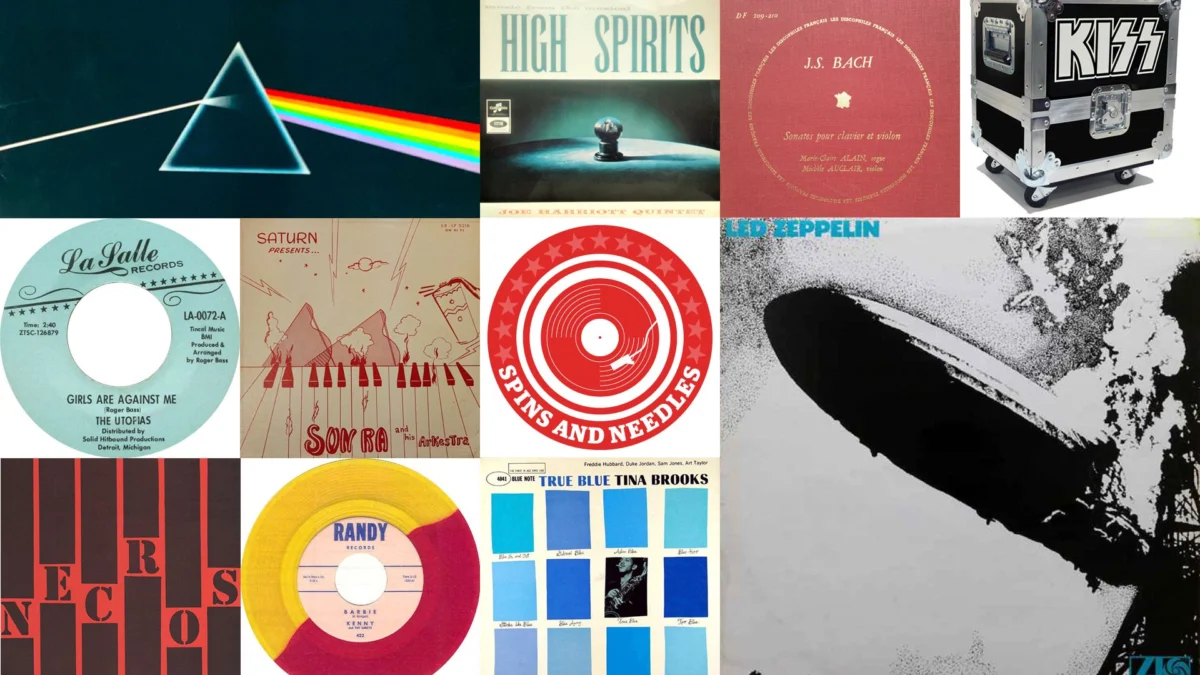
While the responses were diverse, a thematic analysis of the data reveals clear clusters of preference. Approximately 40% of contributors opted for albums produced between 1970 and 1985—a period often considered the "golden age" of analog recording production. Pink Floyd, specifically the live rendition of Shine On You Crazy Diamond from Delicate Sound Of Thunder, appeared frequently, indicating a preference for live recordings that capture the ambient space of a venue.
Another 30% of participants cited personal history. DrJimC’s decision to play Electric Ladyland on his new Rega P6, simply because it was the last record played on his previous setup, illustrates the concept of "audio continuity." For these users, the new turntable is not replacing the past but rather building upon the foundation laid by previous systems.
The remaining 30% prioritized "emotional benchmarks," such as the experience of G Money, who referenced Earth, Wind & Fire’s That’s The Way Of The World. This specific selection was tethered to a foundational memory of his first serious audio setup, the Yamaha CR-800 and Dual 1257. This data point underscores the role of "audio memory"—a phenomenon where the sound of a track becomes inextricably linked to the hardware that first unveiled its hidden layers.
The Tension Between Technicality and Enjoyment
The discussion inadvertently highlighted a long-standing tension within the hi-fi industry: the divide between the "brutalist" approach to audio—which prioritizes objective accuracy and transparency—and the "humanistic" approach, which prioritizes the enjoyment of the music.
Industry professionals often emphasize that certain recordings, such as those by the punk band Black Flag, present significant challenges due to their raw, unpolished production. From a strictly technical standpoint, these are not ideal for evaluating the frequency extension of a high-end speaker or the tracking ability of a cartridge. Yet, for the fans of these records, the lack of production polish is part of the work’s integrity.
This leads to a pragmatic conclusion: there is no single "test record" that satisfies every listener. The professional recommendation from audio engineers is to use a variety of media, including both "technically perfect" recordings and the music one genuinely enjoys, to get a holistic sense of a system’s character.

Broader Implications for the Hi-Fi Industry
The volume of this engagement suggests that the market for high-fidelity audio is more vibrant and engaged than industry critics often assume. It also highlights a shift in how manufacturers might approach product marketing. Rather than focusing solely on specs—Total Harmonic Distortion (THD), signal-to-noise ratios, or wow and flutter—there is an opportunity to lean into the narrative of the "first spin."
When a consumer invests in a new turntable, they are investing in a ritual. Providing guidance on how to curate a "test library" that honors both the technical requirements of the equipment and the personal history of the user could prove to be an invaluable service for retailers and manufacturers alike.
Furthermore, the "everyone is right" sentiment expressed by the readers reflects a maturing hobbyist community. The move away from gatekeeping—the idea that one must listen to specific "audiophile-approved" pressings to appreciate high-end audio—is a positive development. It democratizes the experience of high-fidelity, suggesting that the ultimate judge of a system’s quality is not an oscilloscope, but the listener’s own capacity for immersion and delight.
Conclusion
As the dust settles on this impromptu survey, the takeaway is clear: the hardware is merely the medium. The true objective of the hi-fi hobby is the preservation of the emotional impact of music. Whether one chooses to break in a new Rega turntable with the complex layers of Jimi Hendrix or the soulful, horn-driven arrangements of Earth, Wind & Fire, the intent remains the same. By selecting a record that means something, the listener ensures that the first sound coming from their new system is not just an audio signal, but a meaningful connection.
In the end, the ritual of the "first spin" is a celebration of longevity. It confirms that despite the rapid digitization of our daily lives, the physical act of dropping a needle onto vinyl remains a foundational experience for music lovers. It is a reminder that the quest for audio nirvana is, as many readers pointed out, a lifelong gardening project—one that is never quite finished, but always rewarding.