








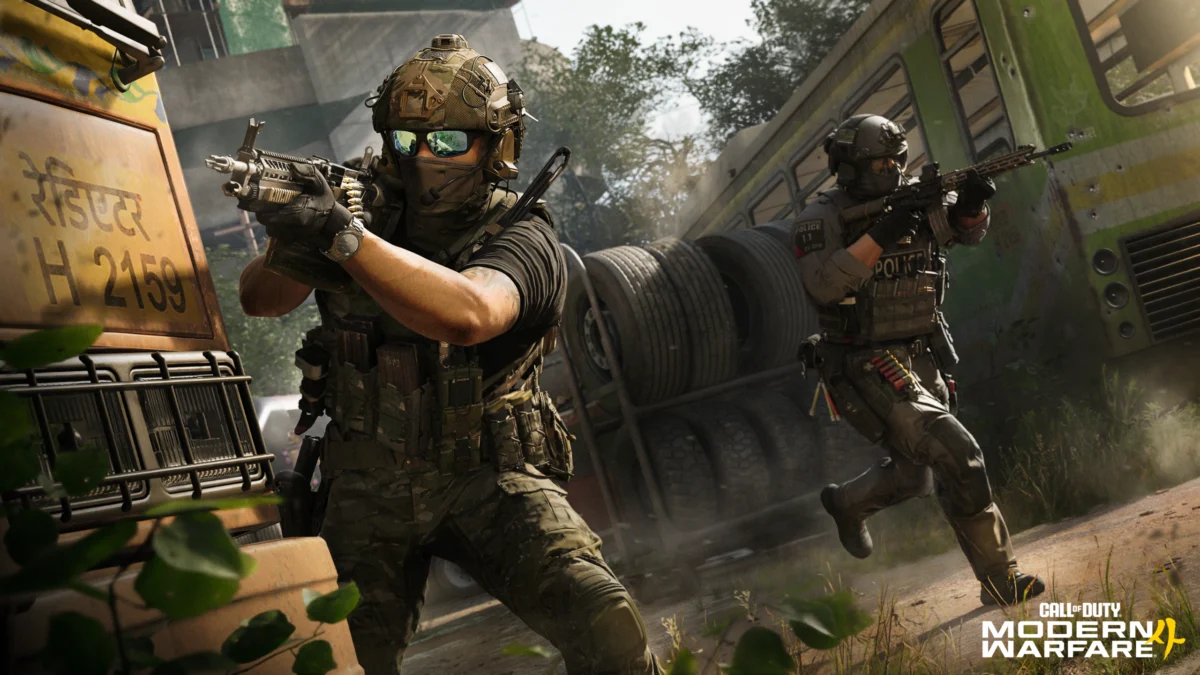
The gaming industry is currently navigating a complex intersection of creative liberty and ethical responsibility following a significant controversy involving Activision’s latest installment in the long-running Call of Duty franchise, Modern Warfare 4. The publisher has officially announced that it will remove specific archive footage from the game’s opening cinematic after it was discovered that the clips included real-world images of the 2022 Itaewon crowd crush, a national tragedy that resulted in the deaths of approximately 160 individuals in Seoul, South Korea.
The decision to excise the footage arrives on the heels of intense public outcry and direct pressure from the families of the victims. In a statement issued in Korean—and subsequently translated for international reporting—Activision expressed a profound apology to the bereaved families, acknowledging the severe emotional distress caused by the inclusion of the footage in a commercial entertainment product.
The Origin of the Controversy
The inclusion of the footage was first identified by players and observers who noted that the game’s opening cinematic, designed to ground its fictional narrative of a North Korean invasion of South Korea in a sense of "realistic immersion," utilized genuine news broadcast clips. Among these clips, eagle-eyed viewers identified harrowing scenes from the October 2022 tragedy in the Itaewon district of Seoul.
The Itaewon disaster, which occurred during Halloween festivities, remains a deeply sensitive and painful subject in South Korea. The event, which took place in a narrow, steep alleyway, saw a massive influx of people leading to a fatal crush. The incident prompted a national period of mourning and led to ongoing debates regarding public safety, crowd control, and emergency response protocols within the country.
When these images were repurposed as background texture for a fictionalized war scenario in Modern Warfare 4, the reaction was swift. The bereaved families’ association, alongside the Citizens Countermeasure Meeting, issued formal condemnations, characterizing the use of the footage as a gross violation of human dignity and a form of "secondary harm" to those who lost loved ones.
Timeline of Events
The sequence of events leading to the removal of the footage reflects the modern speed at which digital content controversies unfold:
- October 2022: The Itaewon crowd crush occurs, leading to the loss of 160 lives and widespread national trauma.
- November 2024 (Early): Call of Duty: Modern Warfare 4 is released. Shortly after launch, players identify real-world news footage of the Itaewon tragedy within the game’s opening cinematic.
- Mid-November 2024: South Korean advocacy groups and bereaved families demand the immediate removal of the footage, labeling its inclusion as insensitive and unethical.
- Mid-November 2024: The South Korean government weighs in, with the Minister of the Interior and Safety publicly criticizing the studio’s decision and suggesting that potential sanctions or access restrictions should be considered.
- November 2024 (Current): Activision confirms that a patch, scheduled for rollout on November 12, will systematically remove the controversial footage from the game’s files.
Official Responses and Government Intervention
The backlash was not limited to the gaming community. The South Korean government, recognizing the gravity of the incident, issued a stern response. Minister of the Interior and Safety, Yun Ho-jung, addressed the situation during a press briefing, emphasizing that using a national tragedy as "material for a game" is fundamentally contrary to basic human ethics.
"Using such a tragedy as material for a game, a form of entertainment or business, is something that should be refrained from as a matter of human ethics," Minister Yun stated. He further noted that the government would evaluate whether the game should face regulatory sanctions, such as restricted access or outright bans, depending on how the publisher chose to rectify the situation.
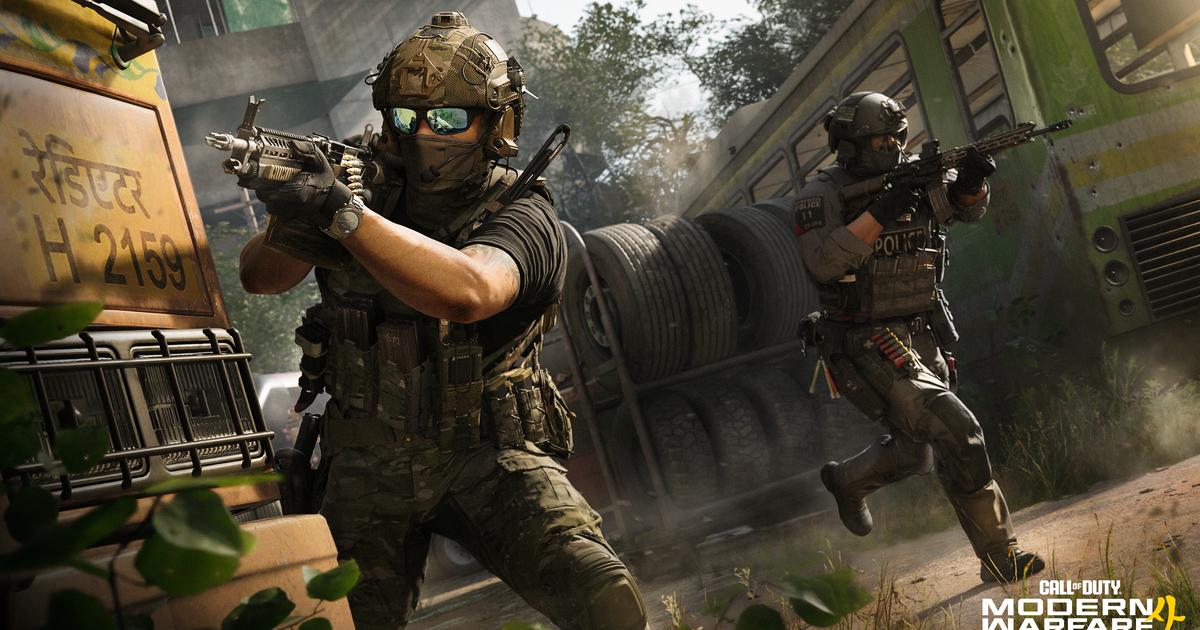
Activision’s response to these developments has been a mix of institutional apology and clarification of intent. While the company maintained that its initial creative goal was to utilize real-world news coverage to establish a high-stakes, "realistic" atmosphere for the game’s fictional conflict, it acknowledged that the execution caused unintended pain. The statement provided by the publisher emphasized that the inclusion was never intended to "evoke or trivialise" any real-world tragedy, though it conceded that the impact on the families necessitated a complete removal of the content.
Ethical Implications of Digital Realism
The controversy surrounding Modern Warfare 4 highlights a growing tension in the video game industry regarding the use of "found footage" and real-world archival material. As game engines become increasingly sophisticated and developers strive for unprecedented levels of visual fidelity, the line between historical documentation and entertainment content has become dangerously thin.
Industry analysts point out that this incident serves as a cautionary tale for studios that prioritize "immersion" without rigorous vetting processes. By integrating real news footage into a commercial product, the developers effectively stripped a tragic event of its context, transforming a moment of genuine human grief into a backdrop for digital warfare.
The ethical burden, according to media ethicists, lies in the lack of consent and the commercial exploitation of trauma. When a corporation utilizes real-life suffering to enhance the "authenticity" of a game, they risk alienating their audience and inviting regulatory scrutiny. This case underscores the necessity for developers to implement strict content moderation policies that account for the geopolitical and emotional context of the imagery they choose to display.
Moving Forward: The Industry Outlook
As the gaming industry continues to evolve, the expectation for social responsibility from developers and publishers is at an all-time high. The move by Activision to patch out the footage is being viewed by many as a necessary step to mitigate further harm, but it also raises questions about the long-term impact on the brand’s reputation in the South Korean market.
Beyond the immediate removal of the clips, the incident has sparked a wider conversation about the necessity for ethical guidelines in game development. Organizations that represent game developers may look to adopt more comprehensive policies regarding the use of real-world sensitive imagery, ensuring that the drive for creative excellence does not come at the cost of public sensitivity.
Ultimately, the Itaewon tragedy footage controversy serves as a stark reminder that the digital world does not exist in a vacuum. For the families of the victims, the footage was not a piece of artistic set-dressing; it was a painful reminder of a life-altering loss. The decision to remove it, while prompt, leaves behind a significant discussion regarding how the gaming industry acknowledges its own impact on the real world.
As Activision prepares to push the update on November 12, the focus will likely shift from the controversy to the broader lessons learned by the studio and the industry at large. Whether this will lead to a more cautious approach to narrative design or a more robust system for vetting historical content remains to be seen. However, the precedent set by this incident—that commercial interests will be forced to yield to human ethics when faced with the unauthorized use of tragedy—is a significant development in the maturation of gaming as a global cultural medium.