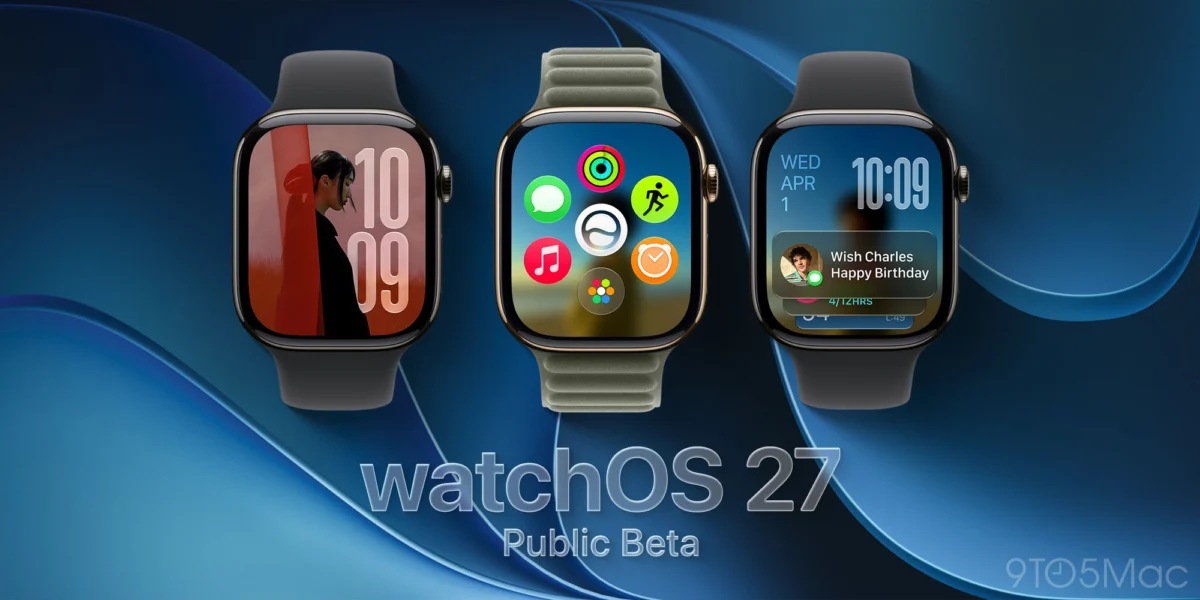








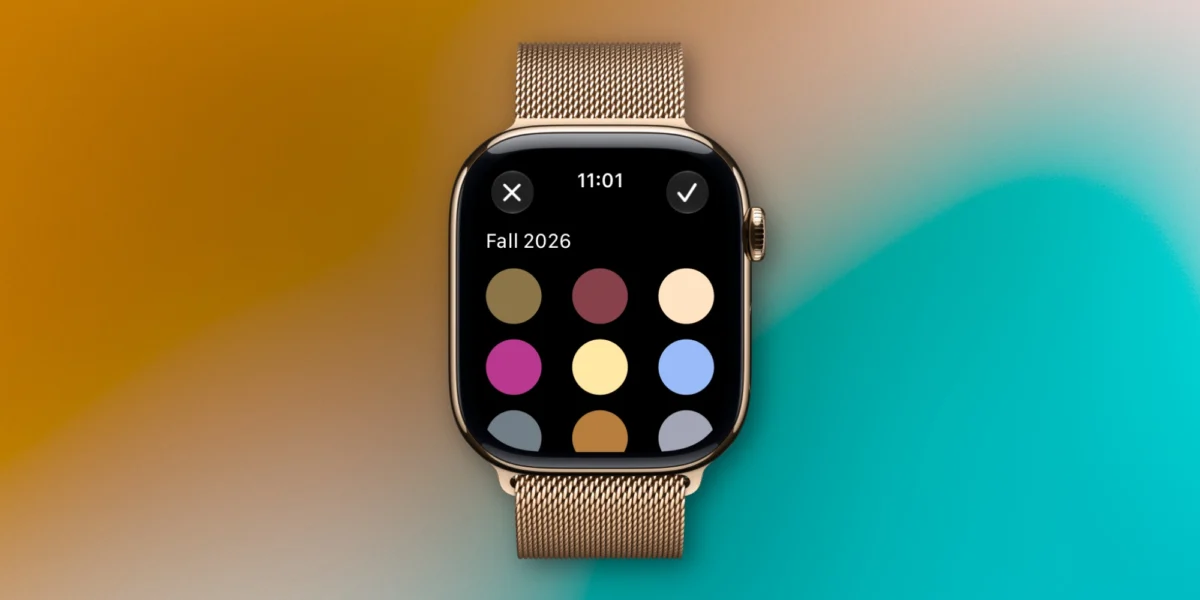
The release of watchOS 27 marks a significant refinement in the user interface strategy for the Apple Watch ecosystem. By expanding the customization potential of the iconic Modular watch face, Apple continues to address user demand for greater personalization while reinforcing the utility of its wearable hardware. This update introduces 13 new color palettes and expands the availability of advanced, hardware-specific complications, further distinguishing the capabilities of the latest generation of Apple Watch models.
The Evolution of the Modular Face
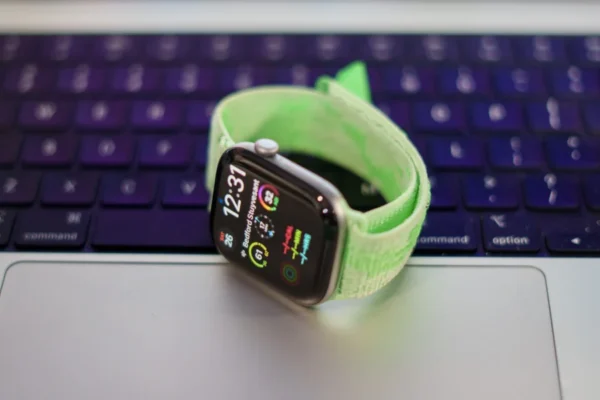
Since its inception, the Modular watch face has served as the flagship for information density on the Apple Watch. Designed for users who prioritize utility over pure aesthetics, it provides a comprehensive dashboard of data points at a single glance. Its architectural success has led to a series of iterations, including the Modular Compact and the ruggedized Modular Ultra. The introduction of the Siri Modular face in watchOS 27 represents the next logical step in this design language, blending machine learning-driven information surfacing with the structured layout that made the original so successful.
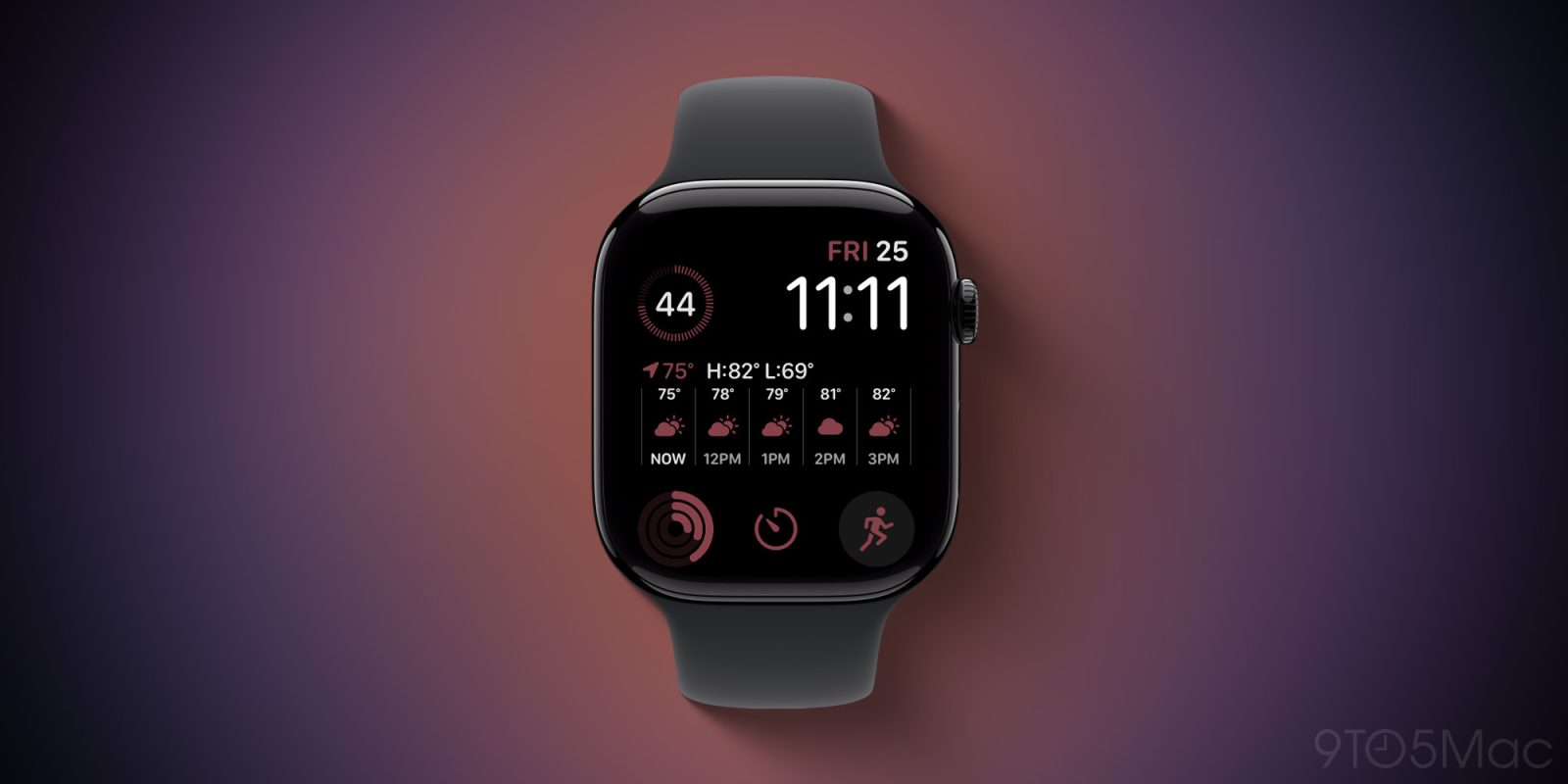
The Modular face’s longevity is rooted in its balance of form and function. By allowing users to place complications—small, interactive widgets—in specific zones, Apple created a platform that adapts to the needs of the individual, whether they are a triathlete tracking VO2 max, a professional monitoring a calendar, or a commuter checking real-time transit data.
Chronology of Customization Updates
Apple’s approach to watchOS interface design has transitioned through several distinct phases since the debut of the device in 2015.
- 2015–2018 (The Foundation): The original watchOS established the basic grid and circular face designs. Personalization was limited to static colors and a handful of pre-selected complications.
- 2019–2022 (The Infographic Era): With the introduction of the Infograph and Modular variants, Apple began emphasizing information density. The ability to place complications in the corners and center of the face transformed the watch into a legitimate productivity tool.
- 2023–2025 (The Contextual Phase): watchOS updates shifted toward "smart" faces, using context-aware widgets that change based on location, time, or activity level.
- 2026 (The Current Iteration): With watchOS 27, the focus has returned to aesthetic breadth and hardware-exclusive functionality, ensuring that owners of the latest Apple Watch Ultra 4 and Series 12 feel the benefit of their upgraded hardware.
New Color Options and Design Language
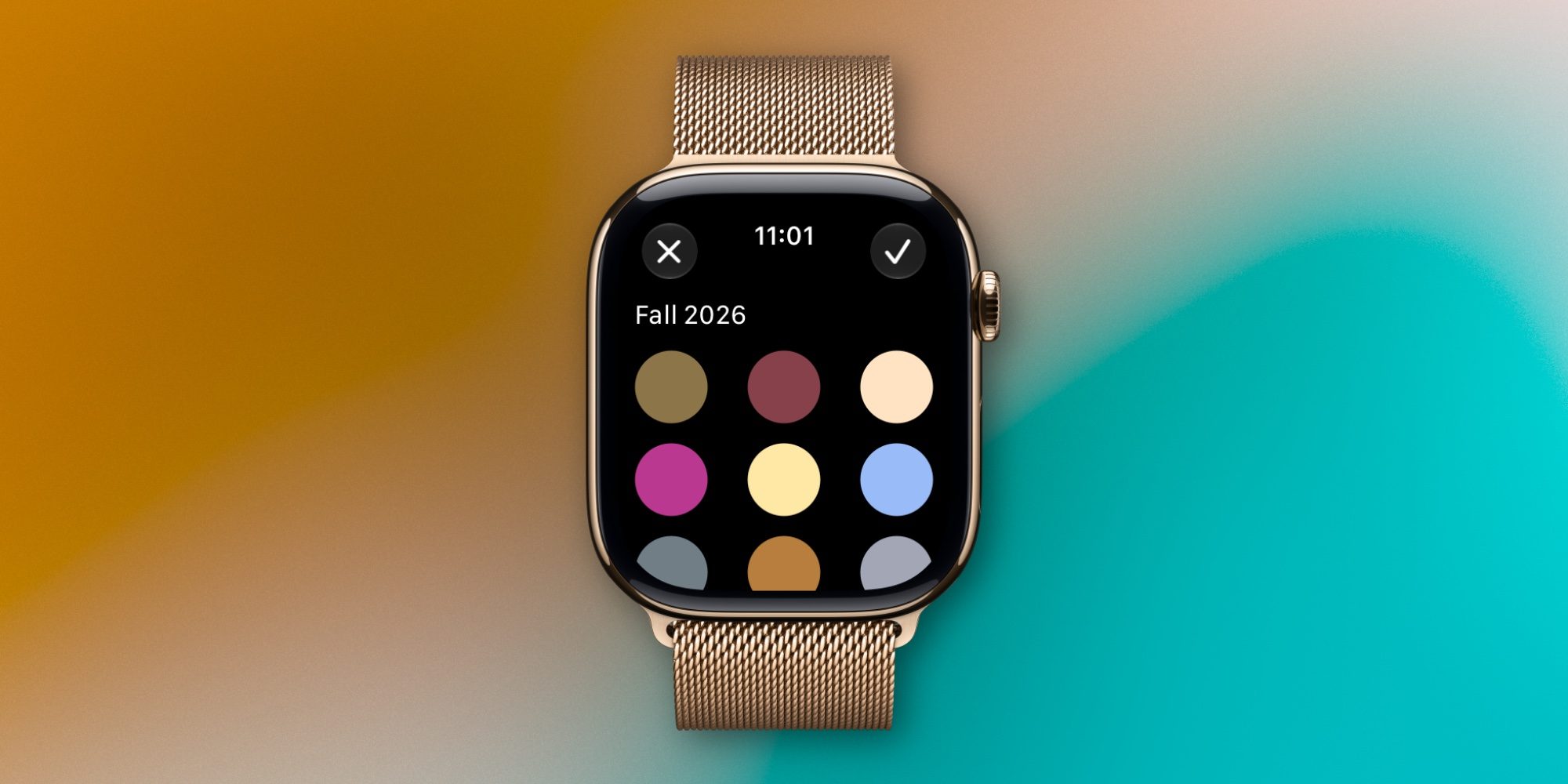
The addition of 13 new color options is more than a superficial aesthetic adjustment; it represents Apple’s commitment to matching the watch face with the diverse range of bands and cases offered in the current hardware lineup. The new colors are designed to complement the materials used in the Series 12 and Ultra 4, providing a cohesive look that spans from the band lugs to the digital interface.
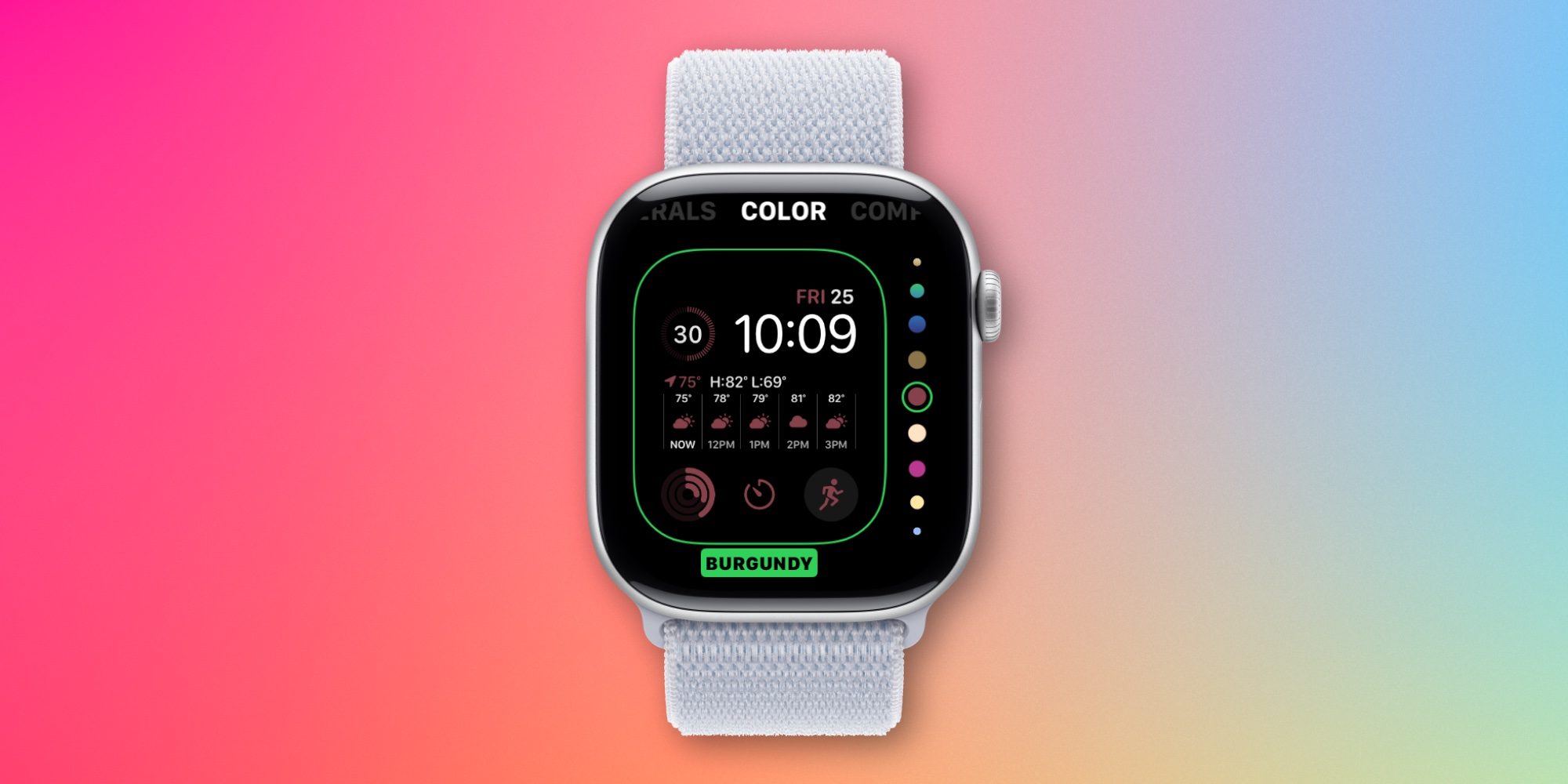
Users can access these colors through the updated customization menu on the watch or via the Watch app on a paired iPhone. The process remains intuitive: a long-press on the watch face opens the editing mode, where a new, streamlined "Color" screen allows for quick navigation. For users who prefer a classic look, Apple has preserved the legacy color library, accessible via a "Tap to add more colors" feature located at the bottom of the interface, preventing the loss of historical customization options while making room for the new set.
Leveraging Hardware-Exclusive Complications
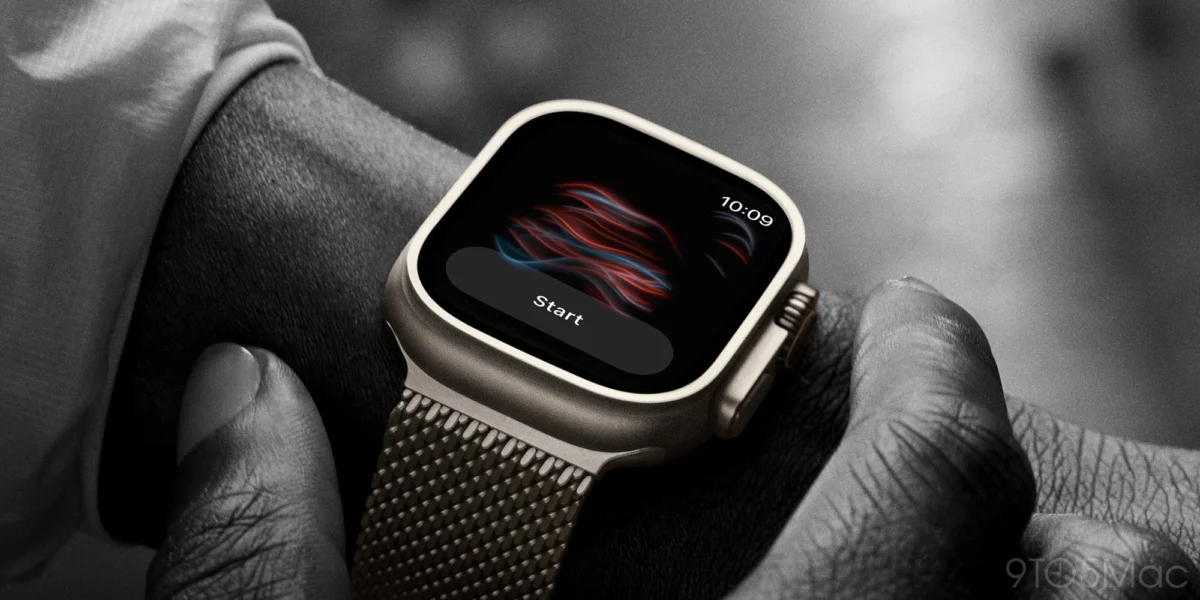
A critical component of the watchOS 27 update is the deployment of specialized complications for the Apple Watch Ultra 4 and Series 12. These complications—specifically those for Daily Steps, Heart Rate, and Readiness—are optimized for the high-refresh-rate, energy-efficient displays found on these newer devices.
The "Readiness" complication, in particular, leverages the sophisticated sensor array found in the latest models. By aggregating data from sleep patterns, recovery metrics, and recent training loads, the watch provides a high-level overview of the user’s physical state. Placing this on a Modular face allows for immediate assessment of whether to push harder in a workout or opt for a recovery day. This level of data integration highlights the synergy between watchOS 27 and the proprietary Silicon chips powering the latest watches.
Analysis: Implications for User Experience
The decision to focus on the Modular face reflects a broader trend in wearable technology: the shift from generic smartwatches to highly specialized, personalized health and productivity hubs. By allowing 13 new color variations, Apple is addressing a psychological need for "ownership" of the device. When a user can match their interface to their clothing or activity, the watch feels less like a piece of technology and more like a personal accessory.
Furthermore, the hardware-gating of specific complications serves as a catalyst for product upgrades. By providing a superior software experience on the Series 12 and Ultra 4, Apple incentivizes the upgrade cycle. For the average user, these complications act as a "killer app" for the newer hardware; the convenience of having real-time health data readily available without navigating through menus is a significant driver of daily engagement.
Official Responses and Industry Context
While Apple rarely comments on the specific design process of individual watch faces, company representatives have historically emphasized that watchOS updates are informed by extensive telemetry and user feedback. During the watchOS 27 keynote, the focus was placed on "reclaiming time" and "intuitive information access." The expansion of the Modular face aligns with this philosophy, reducing the cognitive load required to check multiple health metrics.

Industry analysts suggest that this update is a strategic move to fend off competition from specialized fitness trackers. By offering an interface that is both highly technical and highly customizable, Apple continues to maintain its lead in the "prosumer" wearable market.
Broader Impact and Future Outlook
The release of watchOS 27, and specifically the updates to the Modular face, sets a new standard for interface density. As the hardware continues to shrink in size while increasing in sensor capability, the challenge for software designers is to display more information without cluttering the screen.
The modular design, which separates the face into distinct geometric zones, has proven to be the most resilient layout for this purpose. It is highly probable that future iterations of watchOS will continue to build upon this grid, potentially adding support for third-party interactive widgets that can expand, shrink, or change state based on external data inputs.

For now, users of the latest Apple Watch models have a more versatile tool than ever. Whether for tracking fitness goals, managing a busy calendar, or simply styling the watch to suit a personal look, the latest updates to the Modular face provide a refined experience that reinforces the Apple Watch’s position as the industry leader in the wearable space. As the platform matures, the balance between aesthetic choice and information utility will remain the cornerstone of the user experience.