










In an unprecedented shift from its standard operational secrecy, Apple Inc. has officially confirmed the timeline for its upcoming iOS developer beta release, anchoring it directly to the much-anticipated rollout of Apple Intelligence in the People’s Republic of China. This extraordinary disclosure, detailed via a press release on the company’s regional Chinese Newsroom, highlights the immense strategic importance of the world’s largest smartphone market to Apple’s broader artificial intelligence ambitions. While Apple typically guards its software testing schedules closely, navigating regulatory compliance in mainland China has necessitated a departure from traditional corporate communication.
The Regulatory Landscape and Strategic Context
The journey toward bringing Apple Intelligence to Chinese consumers has been prolonged and complex, characterized by months of rigorous negotiations with domestic regulatory authorities. Foreign artificial intelligence models operating within mainland China are subject to stringent oversight by government agencies, requiring strict adherence to local data security, content moderation, and algorithmic transparency laws.
In mid-July, financial reports from global news agencies indicated that Apple had successfully cleared a monumental regulatory hurdle, paving the way for a compliant deployment. However, because foundational technologies must align with local governance frameworks, Apple had to architect a localized framework. This involved strategic partnerships with domestic technology giants to ensure the AI features meet national standards while maintaining the fluid user experience Apple is known for globally.
Subsequent reporting from industry analysts pointed toward a December public release window tied to the deployment of iOS 27.3. Yet, until this recent announcement, specific testing milestones remained unconfirmed by Cupertino. State-backed domestic media outlets previously reported that CEO Tim Cook had personally acknowledged the approval timeline during administrative discussions, setting the stage for an autumn testing phase.

Chronology of Events Leading to the Announcement
To fully understand the significance of the November 4 developer beta milestone, it is necessary to examine the rapid succession of software deployments and announcements that preceded it:
- Mid-July: Reuters reports that Apple has reached a foundational agreement with Chinese regulatory bodies regarding the framework for the Apple Intelligence rollout.
- Early October: Bloomberg outlines Apple’s internal roadmap, targeting a December public release of iOS 27.3 to introduce foundational AI capabilities in China, though noting that advanced proprietary assistant features would face initial limitations.
- Mid-October: State-backed media outlet The Paper publishes details confirming regulatory clearance, anticipating a preliminary test version before the end of October.
- Late October: Apple releases iOS 27.2 globally, expanding foundational assistant language support to French, Japanese, Korean, Portuguese, and Spanish, alongside a pledge to incorporate Traditional Chinese and other regional dialects by the end of the year.
- November 4 (Upcoming): Apple officially designates this date for the commencement of Apple Intelligence testing within the Chinese developer ecosystem via the next iOS preview build.
- December (Anticipated): Public deployment of iOS 27.3, bringing localized AI capabilities to millions of consumers across mainland China.
Scope of Features and Localized Integrations
The impending beta release will introduce a robust suite of artificial intelligence tools tailored specifically for the Chinese market, though certain flagship global features will remain absent or modified in this initial phase. Crucially, the advanced proprietary assistant features found in Western markets will not be included at launch. Instead, users will experience an upgraded Siri interface featuring "Type to Siri" capabilities and contextual enhancements.
To comply with local technological ecosystems and provide a competitive utility, Apple has integrated Alibaba’s advanced Qwen large language model to power specific localized requests. This integration extends deeply into the operating system, manifesting within core productivity and creativity utilities:
- Writing Tools: Powered in part by localized backend processing, users can generate original content, rephrase text, and adjust tone across native applications.
- Visual Intelligence and Document Analysis: Consumers can query information directly from photographs, complex PDF documents, and presentation files using natural language prompts.
- Productivity Utilities: Priority notifications, intelligent notification summaries, and automated Smart Reply functions will streamline daily communications.
- Media and Communication Tools: The rollout includes Live Translation across Messages, FaceTime, and Phone calls, alongside Genmoji creation, Clean Up photo editing, and natural-language photo searches.
Hardware Compatibility and Regional Constraints
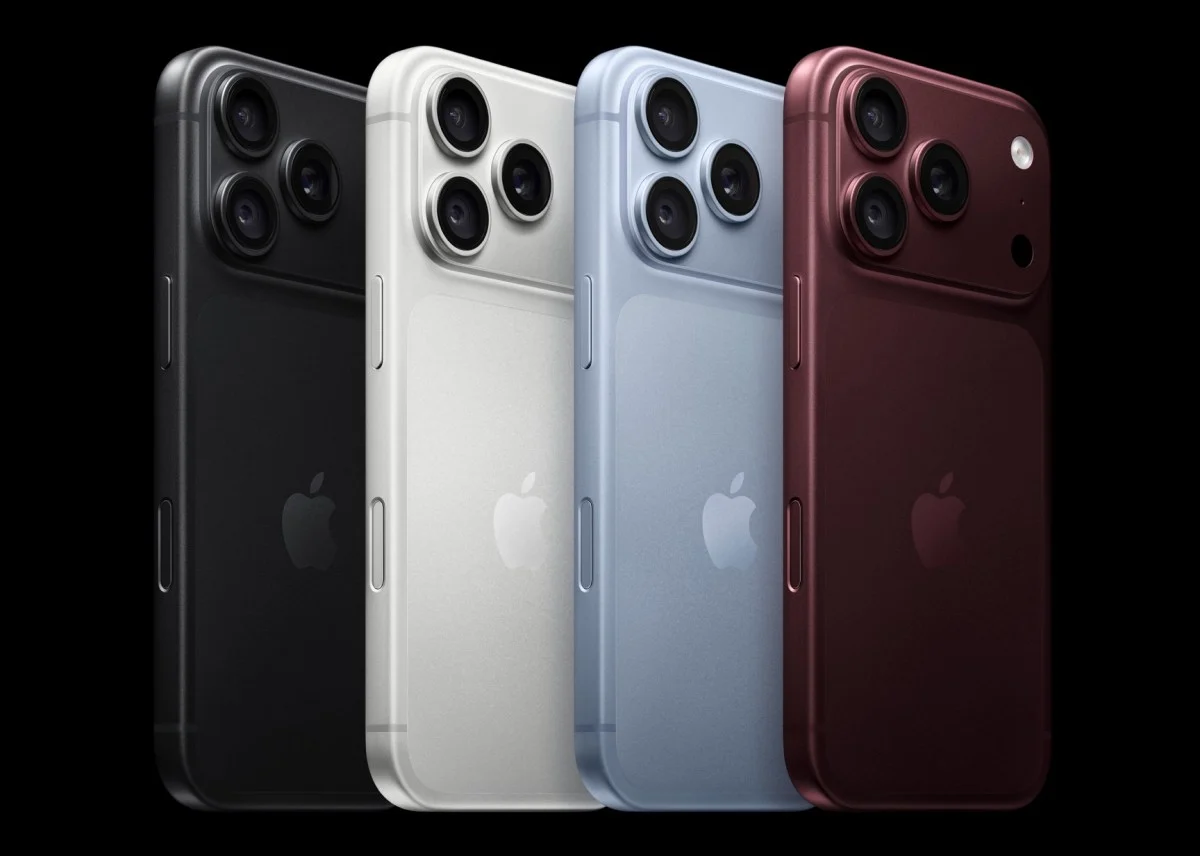
Apple has stipulated strict parameters regarding hardware compatibility and software settings for the initial beta phase. The localized artificial intelligence capabilities will be restricted exclusively to iPhone models during this initial rollout. Compatible devices include the iPhone 15 Pro, iPhone 15 Pro Max, iPhone 16 lineup and newer iterations, the newly introduced iPhone Air, and the iPhone Duo.
Furthermore, users must configure both their device language and assistant settings to either English or Simplified Chinese. Apple has indicated that support for other hardware platforms—such as iPadOS and macOS—will follow in subsequent software cycles once the requisite multi-agency regulatory approvals are secured for those specific operating systems. Access to the Alibaba Qwen integration will require users to authenticate via their personal accounts or utilize the privacy-focused "Sign in with Apple" protocol.

Market Implications and Economic Analysis
The formal confirmation of a November 4 beta release marks a critical turning point for Apple’s commercial standing in Greater China. In recent quarters, the company has faced intensifying competition from domestic smartphone manufacturers such as Huawei, Xiaomi, and Vivo, many of which have already integrated sophisticated generative artificial intelligence features into their flagship hardware.
The absence of advanced localized AI capabilities had previously created a feature parity gap, potentially impacting upgrade cycles among Chinese consumers who increasingly view artificial intelligence as a primary purchasing criterion. By securing regulatory approval and partnering with a domestic powerhouse like Alibaba, Apple has effectively neutralized one of the most significant headwinds facing its hardware division in the region.
Industry analysts project that the public release of iOS 27.3 in December will act as a significant catalyst for iPhone replacements across the region. However, the phased nature of the rollout—excluding the company’s proprietary next-generation assistant features for the time being—suggests that Apple is adopting a measured, compliance-first approach. By prioritizing stability and regulatory alignment, the technology giant aims to ensure long-term market access while gradually expanding its artificial intelligence footprint in one of its most vital international territories.