










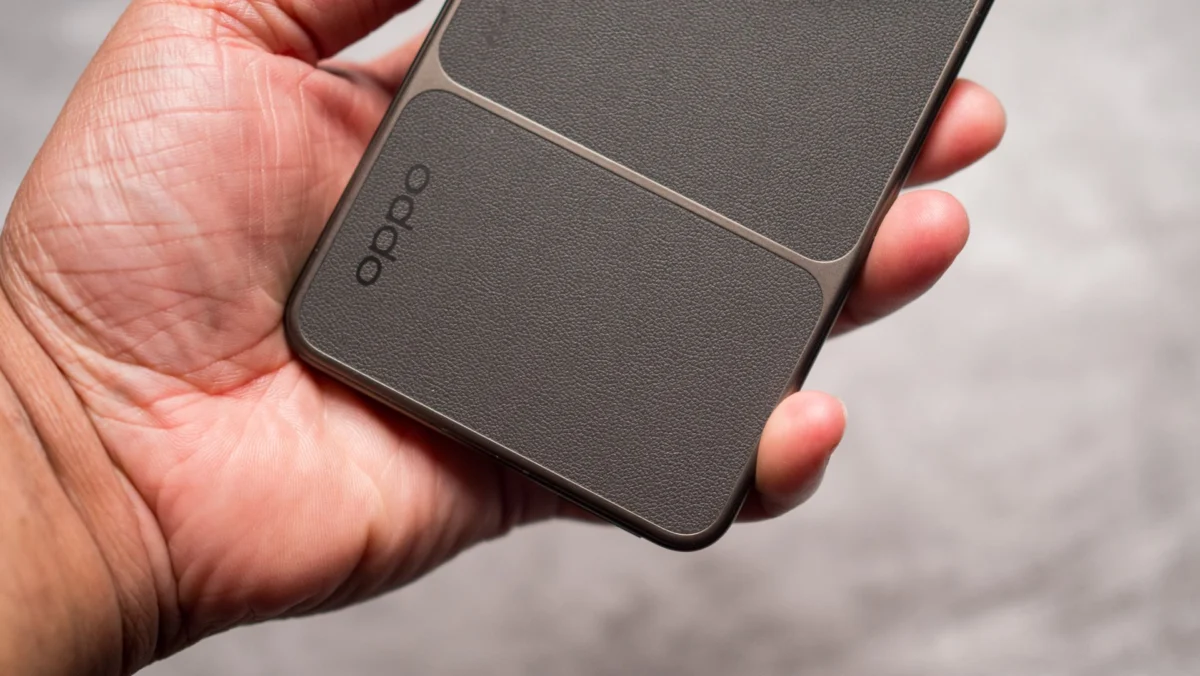
Oppo is reportedly evaluating a significant shift in its flagship mobile strategy, with internal testing of the upcoming Find X10 Ultra involving MediaTek’s advanced Dimensity 9600 Pro processor. While this development signals a potential departure from Qualcomm’s top-tier silicon for the Ultra lineup, industry insiders suggest that a dual-track testing phase remains active. Qualcomm’s Snapdragon 8 Elite Extreme Gen 6 continues to be evaluated in parallel configurations, leaving the final choice of processor for the retail release open to change as development progresses toward a projected 2027 debut.
The Shift Toward MediaTek and Qualcomm Dual-Testing
The latest supply chain leaks originate from prominent Weibo tipster Smart Pikachu, who reported that Oppo is actively testing the MediaTek Dimensity 9600 Pro within early prototypes of the Find X10 Ultra. According to the reports, this testing is paired with custom imaging algorithms designed to integrate seamlessly with Oppo’s proprietary Lumo True Image Engine. This strategy indicates that regardless of the underlying system-on-chip (SoC), Oppo intends to retain strict proprietary control over its image-processing pipeline and camera output.
The Dimensity 9600 Pro represents a formidable technical foundation. Built on Taiwan Semiconductor Manufacturing Company’s (TSMC) cutting-edge 2-nanometer fabrication process, the processor architecture features two C2-Ultra cores capable of clock speeds up to 4.55GHz, alongside six performance cores. Oppo has already confirmed the integration of this processor into the Find X10 Pro Max, making its evaluation for the Ultra variant a logical step in hardware standardization.
Despite the ongoing evaluation of MediaTek hardware, market analysts and industry insiders indicate that the Snapdragon-powered variant—utilizing Qualcomm’s upcoming Snapdragon 8 Elite Extreme Gen 6—remains the statistically more likely candidate for mass production and global distribution. Oppo has historically relied on Qualcomm’s highest-tier offerings for its Ultra-branded tier to appeal to enthusiasts demanding peak raw compute and gaming performance.
An Ambitious Hardware Configuration
While processor selection remains a subject of internal debate, leaked specifications point to an exceptionally ambitious imaging and hardware architecture for the Find X10 Ultra. The device is rumored to feature a sophisticated multi-sensor camera array designed to push the boundaries of mobile photography.
At the core of the camera module is a rumored 200-megapixel primary sensor utilizing a massive 1/1.12-inch optical format. This sensor is expected to incorporate Lateral Overflow Integration Capacitor (LOFIC) technology. Originally developed for advanced CMOS image sensors, LOFIC technology significantly increases dynamic range by capturing excess electrical charge that would otherwise cause highlight clipping in high-contrast environments. This allows the camera to preserve details in extremely bright light sources while maintaining shadow fidelity.
Complementing the primary camera are two additional high-resolution modules: a second 200-megapixel periscope telephoto lens and a 50-megapixel periscope lens capable of delivering 10x optical zoom capabilities. Furthermore, rumors point to a high-capacity 100-megapixel front-facing camera, underscoring Oppo’s focus on comprehensive multimedia capture across both primary and secondary shooters.
Strategic Implications of a MediaTek Ultra Flagship
The choice between MediaTek and Qualcomm silicon carries significant strategic implications for Oppo’s product hierarchy. Should Oppo ultimately commercialize the Find X10 Ultra with the Dimensity 9600 Pro, both the Ultra and the Pro Max models would share the same core chipset.
Such a move would shift the burden of differentiation away from raw processing power and onto specialized hardware components, such as the aforementioned camera sensors, display technology, and exclusive software features. In a highly competitive global smartphone market where flagship processors offer diminishing returns in everyday consumer tasks, leveraging custom imaging silicon and advanced sensor technology has become a primary method for brands to justify premium pricing tiers.
Using MediaTek silicon in an Ultra-tier device would also highlight the maturation of MediaTek’s Dimensity lineup. Historically relegated to upper-midrange or standard flagship devices, MediaTek’s top-tier chips have increasingly matched or exceeded Qualcomm’s offerings in power efficiency and thermal management, attracting brands looking to optimize production costs or secure reliable supply chains amidst global semiconductor fluctuations.
Timeline and Industry Outlook
Industry expectations place the official launch window for the Oppo Find X10 Ultra in the first half of 2027, with an initial rollout anticipated in the Chinese domestic market before any potential international expansion. Because the device remains in the engineering and prototyping phase, Oppo has not yet issued official statements confirming the handset, its final hardware specifications, or its pricing structure.
As research and development continue, supply chain dynamics, thermal testing results, and software optimization will dictate whether Qualcomm retains its stronghold on Oppo’s premier flagship or if MediaTek captures a milestone design win in the ultra-premium smartphone segment.