
The sports technology landscape has shifted significantly following confirmation that Garmin has acquired Moxy Monitor, a long-standing developer of muscle oxygen sensors. The quiet acquisition brings an end to Moxy’s independent operations while formalizing a partnership that has spanned more than a decade. Simultaneously, Garmin has found itself named as a defendant in a broad, high-profile patent infringement lawsuit alongside Samsung, initiated by intellectual property holding entity IOENGINE. These dual developments highlight both Garmin’s aggressive expansion of its physiological tracking ecosystem and the persistent legal challenges faced by major consumer electronics manufacturers.
Garmin’s Acquisition of Moxy Monitor: A Decade-Long Evolution
Garmin officially confirmed the transaction involving Moxy Monitor, though the tech giant provided an uncharacteristically brief statement: “Garmin can confirm its acquisition of Moxy Monitor, but we have no further comment at this time.”
This terse confirmation breaks from Garmin’s standard corporate communication protocol. Typically, corporate acquisitions by Garmin—such as its recent purchase of TrainingPeaks—are accompanied by detailed press releases featuring executive commentary, growth projections, and integration roadmaps for the acquired firm’s employees. The absence of such fanfare surrounding the Moxy deal has prompted speculation within the sports technology industry regarding how the specialized sensor technology will be integrated into Garmin’s existing portfolio.
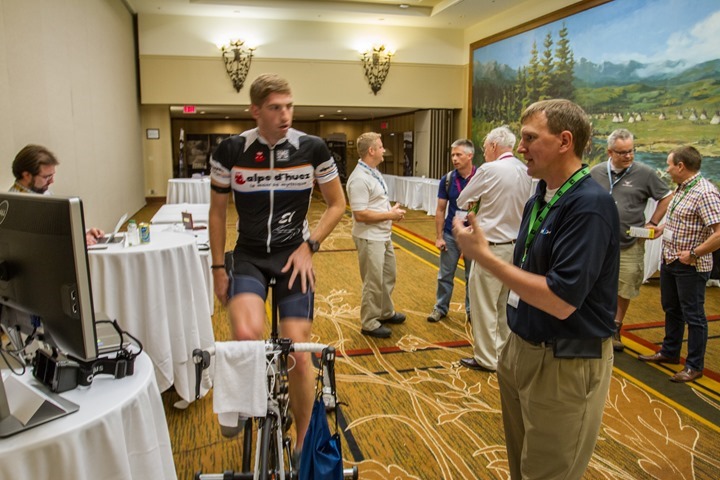
Moxy Monitor, founded and led by CEO Roger Schmitz, has occupied a unique niche in the athletic performance sector since its inception. Rather than focusing exclusively on high-volume consumer markets, Moxy built a stable, enduring business centered around elite coaches, academic researchers, and sports scientists. The company’s hardware utilizes near-infrared spectroscopy (NIRS) to measure oxygen saturation in specific muscle tissues in real-time, providing athletes and trainers with granular data regarding aerobic efficiency and fatigue limits.
Historical Chronology of the Garmin and Moxy Partnership
The relationship between Garmin and Moxy dates back to the early days of open device integration standards:
- January 2014: Moxy announced early compatibility with the ANT+ wireless protocol, establishing a foundational technical link with Garmin, the owner of ANT+.
- September 2014: Moxy was showcased prominently at the annual ANT+ Symposium, coinciding with Garmin’s announcement of its Connect IQ software development platform.
- Early 2015: Moxy debuted as the very first third-party Connect IQ application available for integration on Garmin smartwatches.
- August 2016: Moxy achieved official ANT+ profile certification for muscle oxygen, allowing its sensor data to stream natively onto Garmin wearables without requiring a separate Connect IQ app—a rare integration milestone at the time.
- Late 2017: Following the market exit of competing muscle oxygen sensor manufacturer BSX, Moxy stepped in to provide transitional support and trade-in opportunities for displaced BSX users.
- Present: Garmin formally absorbs Moxy Monitor, concluding over twelve years of close interoperability between the two brands.
Strategic Implications and Market Analysis
Industry analysts are evaluating the strategic rationale behind Garmin’s decision to absorb Moxy Monitor. Observers generally point to two primary motivations: hardware integration and defensive intellectual property acquisition.
From a hardware perspective, advanced biometric sensors that previously required bulky external device housings have progressively shrunk, fitting seamlessly into modern fitness wearables and smartwatches. By leveraging Garmin’s advanced manufacturing capabilities and extensive global distribution network, the core technology behind muscle oxygen monitoring could potentially be miniaturized or integrated directly into future generations of Garmin fitness ecosystems.
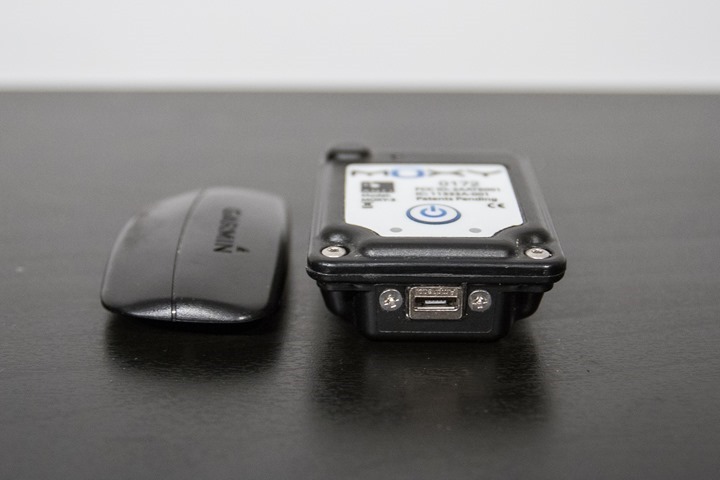
Simultaneously, defensive patent acquisition remains a critical strategy for dominant hardware manufacturers. In an industry where wearable competitors—such as Whoop or specialized health tech startups—actively pursue patent portfolios relating to physiological tracking, securing Moxy’s intellectual property prevents rival entities from leveraging those assets in future product developments or legal assertions.
The immediate future for existing Moxy hardware users remains stable. Because Moxy sensors rely heavily on local data transmission protocols and third-party analysis tools rather than proprietary, mandatory server infrastructure, current devices will continue to function. However, the ultimate roadmap for Moxy-branded hardware and specialized software portals under Garmin’s ownership has not yet been publicly detailed.
Garmin and Samsung Targeted in New IOENGINE Patent Lawsuit
In a separate legal development, Garmin was named alongside consumer electronics giant Samsung in a patent infringement lawsuit filed in federal court. The plaintiff, IOENGINE, is an intellectual property holding entity with a history of initiating broad infringement litigation against major technology corporations, including previous multi-year legal battles with companies such as PayPal, Roku, and Ingenico.
The current lawsuit centers on a patent originally issued in 2004 concerning data tunneling methodologies between computing devices. The plaintiff’s legal filings present exceptionally broad interpretations of digital data transfer, citing various Garmin product lines—including specific references to the Fenix E and Fenix 5 smartwatches—as well as routine background synchronization processes, such as the transfer of Physio TrueUp performance metrics to the Garmin Connect cloud platform.
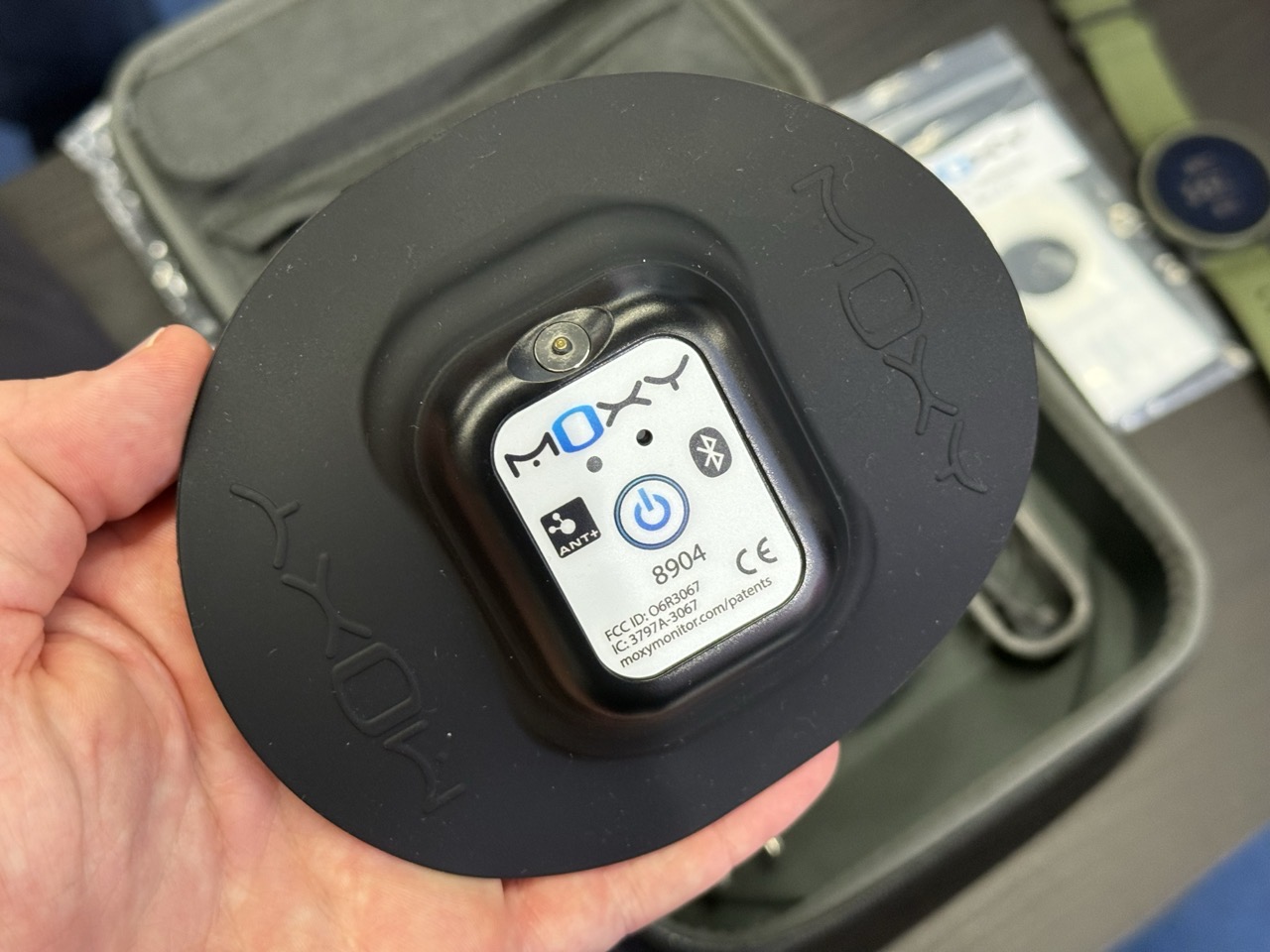
Legal experts have noted the expansive nature of the claims, which critics argue effectively encompass fundamental operational principles of modern networked computing. Despite the sweeping scope of the allegations, Garmin has historically maintained a robust legal posture when confronting patent assertions, frequently employing aggressive countersuits and jurisdictional challenges to dismiss claims brought by non-practising entities.
Legal Strategy and Broader Industry Impact
Patent litigation remains a standard, albeit costly, operational friction point for major technology firms operating in the United States. Analysts tracking Garmin’s legal history point to previous robust responses—such as the company’s decisive countersuits in intellectual property disputes with competitors like Suunto—as evidence of an established corporate strategy designed to deter speculative or overreaching legal claims.
Defending against expansive patent litigation requires substantial investments of corporate time and financial capital. By maintaining a highly active and publicly documented defense strategy, Garmin seeks to establish a deterrent effect, discouraging external entities from viewing the company as an easy target for broad infringement claims.
As both the integration of Moxy Monitor and the defense against the IOENGINE lawsuit unfold, Garmin continues to solidify its market dominance in the sports technology sector. While the immediate operational outcomes of these events remain to be seen, they underscore the complex intersection of hardware acquisition, intellectual property management, and corporate defense strategies in the modern wearables industry.