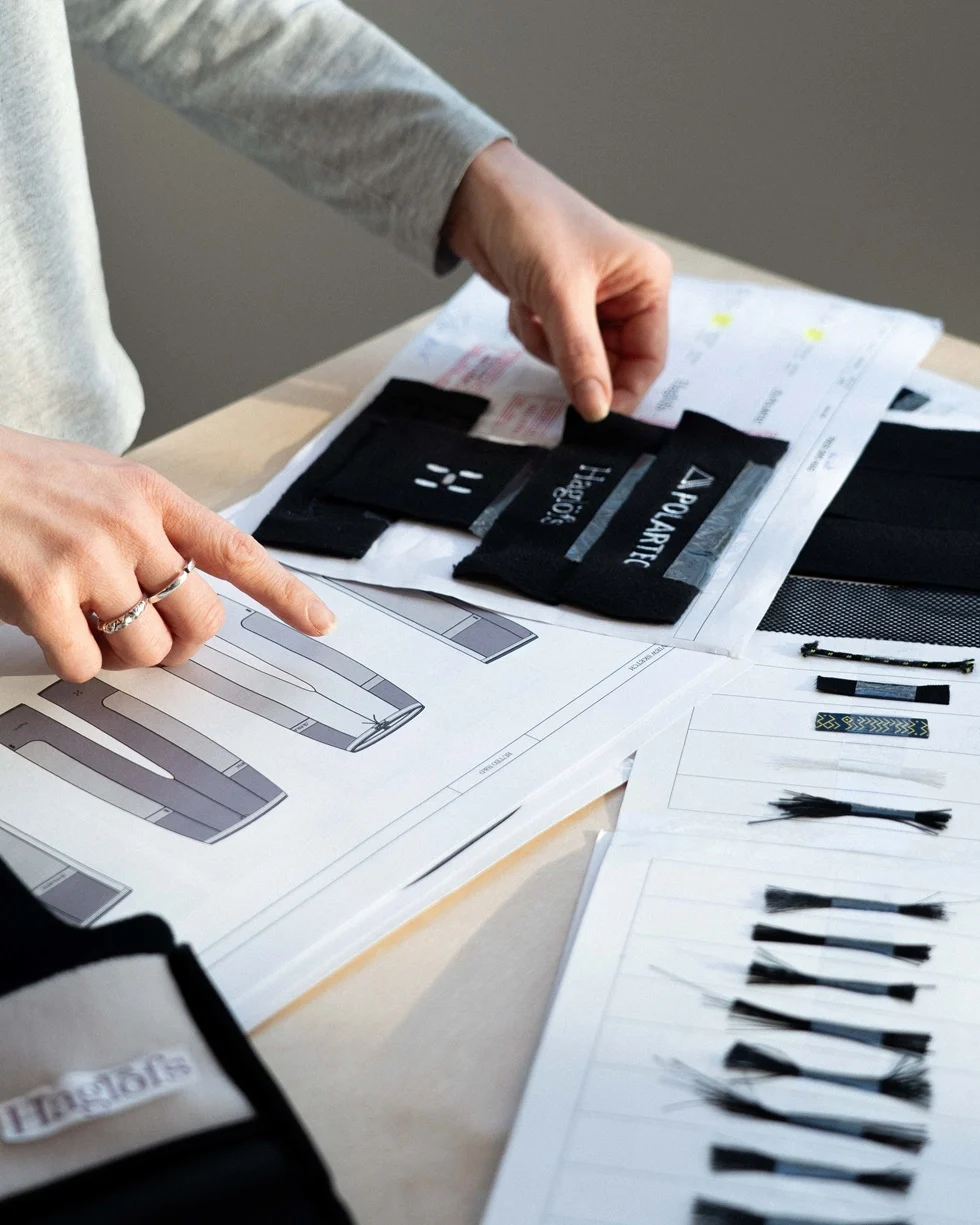
The outdoor apparel industry is confronting an environmental contradiction hidden in plain sight across every retail floor worldwide: the pervasive, resource-intensive cult of the color black. Step into the fleece aisle of any major outfitter, and shelves are lined with dozens of variations of black garments produced by competing brands. To the untrained eye, the items appear uniform. However, under precise lighting conditions, subtle variations emerge, revealing a fragmented manufacturing ecosystem defined by isolated, redundant supply chains.
This systemic redundancy is the target of a joint initiative by Swedish outdoor brand Haglöfs and performance textile manufacturer Polartec. Together, they have introduced "Standard Issue Black," an initiative designed to eliminate hundreds of separate, chemically intensive dye processes in favor of a single, industry-wide standard. The campaign moves beyond corporate sustainability rhetoric, addressing the heavy resource toll of synthetic textile dyeing through direct supply-chain consolidation.
The Chemistry and Environmental Toll of Synthetic Dyeing
To understand the scope of the problem, industry analysts point to the fundamental chemistry of synthetic materials. Unlike natural fibers such as wool and cotton, which readily absorb water-based dyes at relatively low temperatures, synthetic fabrics like polyester are hydrophobic. Polyester repels moisture, necessitating the use of specialized disperse dyes applied under intense pressure within aqueous baths operating at 130 degrees Celsius or higher.
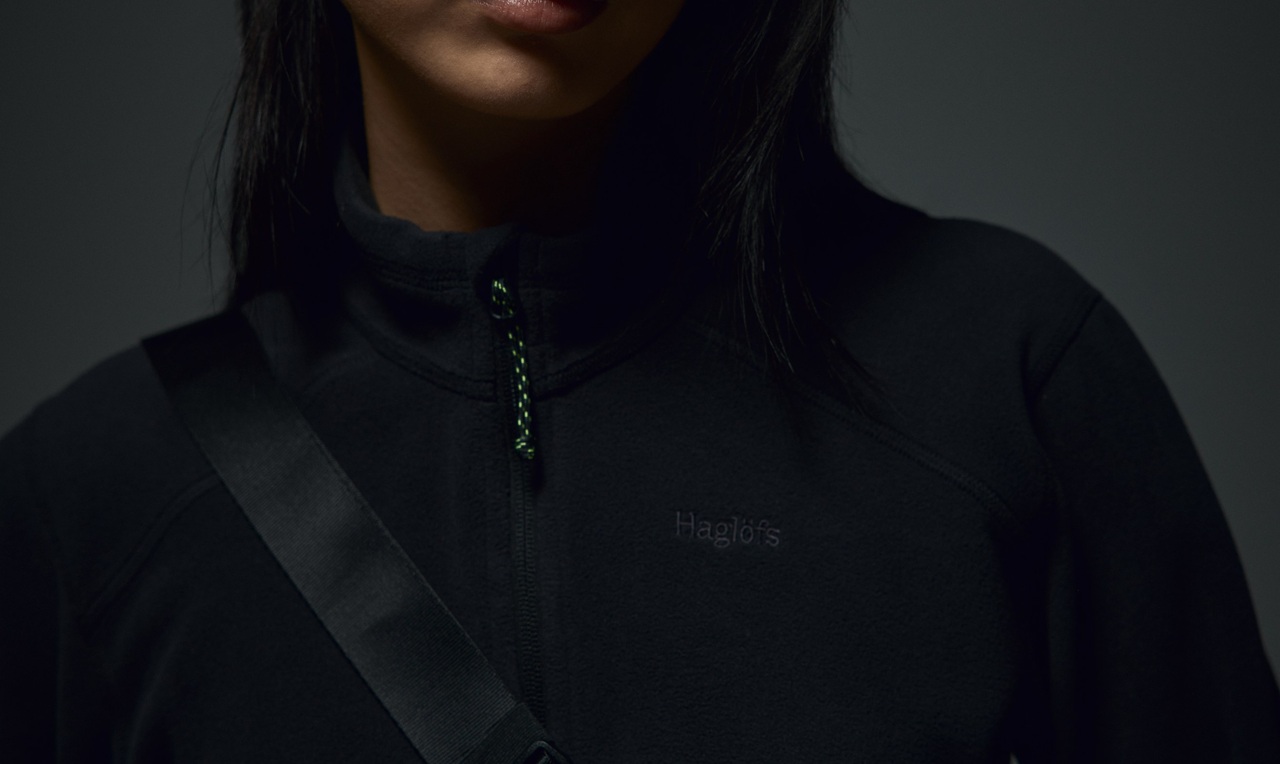
Among all colors, black places the heaviest demand on this process. Achieving a deep, uniform, and lightfast black requires layering multiple disperse dye molecules, which increases the frequency of fixation cycles, thermal energy input, and chemical consumption.
According to global textile impact studies, the textile sector is responsible for approximately 20% of global industrial water pollution, with dyeing and finishing operations accounting for the largest share. Processing a single kilogram of polyester fabric requires anywhere from 30 to 150 liters of water, heavily influenced by shade depth and facility efficiency. Because black sits at the absolute darkest end of the color spectrum, it consumes resources at the higher end of this range.
The structural inefficiency lies in fragmentation. Rather than utilizing a shared, optimized color standard, hundreds of individual outdoor brands independently commission their own custom shades of black. Each brand incurs separate recipe development costs, distinct laboratory dips, independent quality approval processes, and separate chemical and water footprints for outputs that remain functionally identical to the consumer.
Chronology and the Path to Standard Issue Black
The collaborative effort between Haglöfs and Polartec developed through a deliberate, multi-stage rollout aimed at proving the viability of standardized coloring before commercial integration.
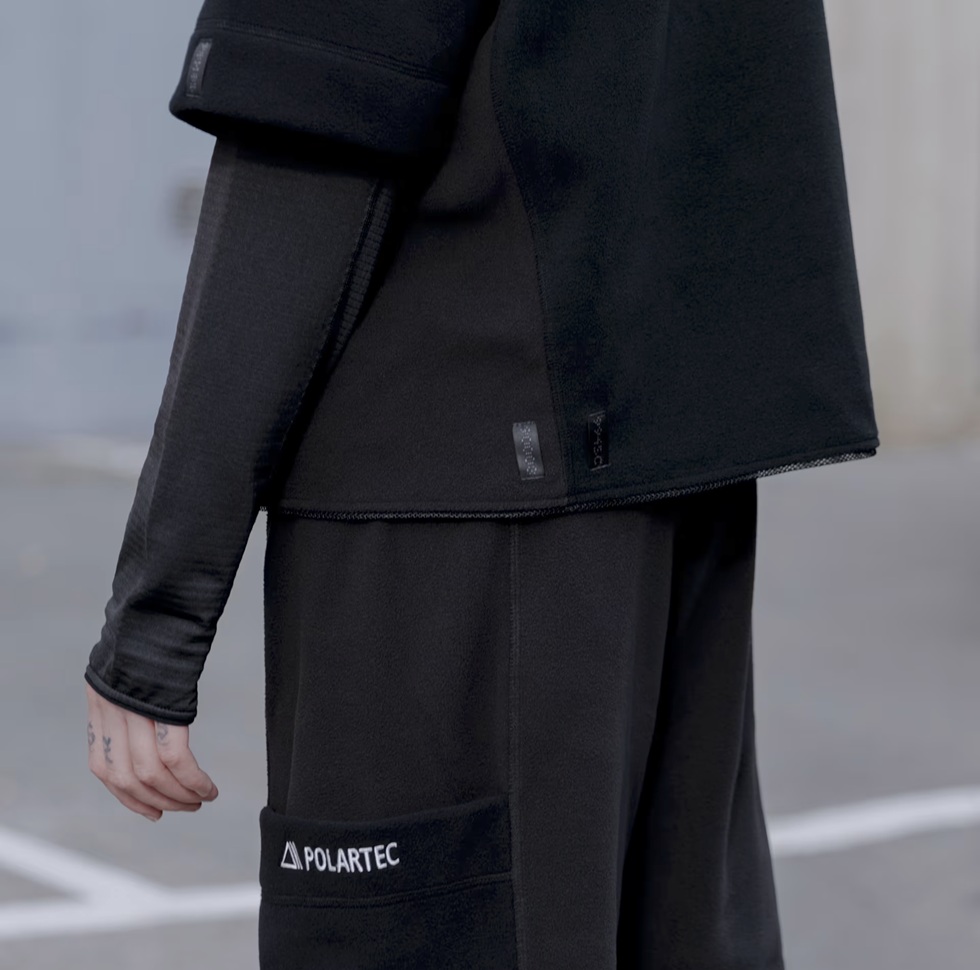
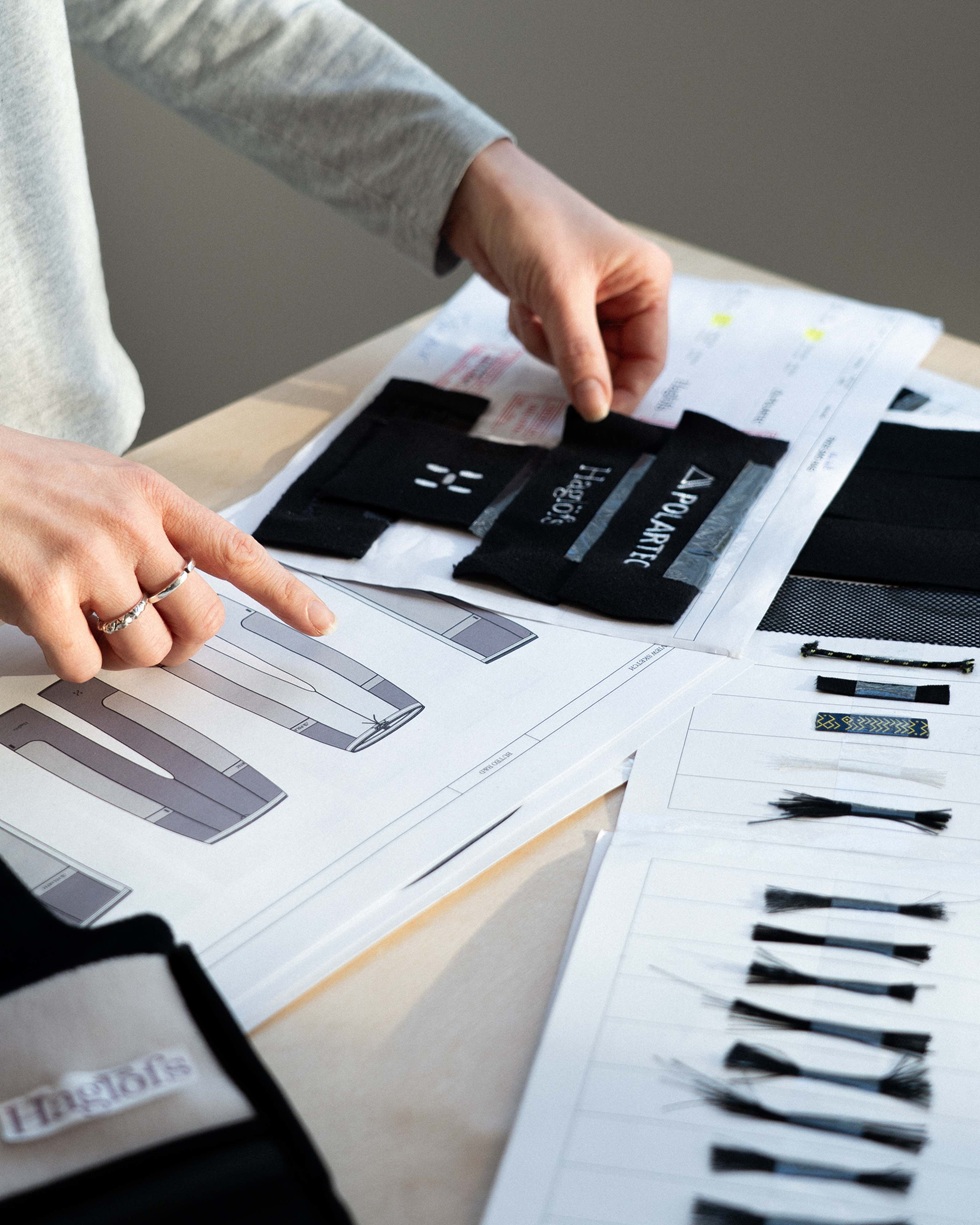
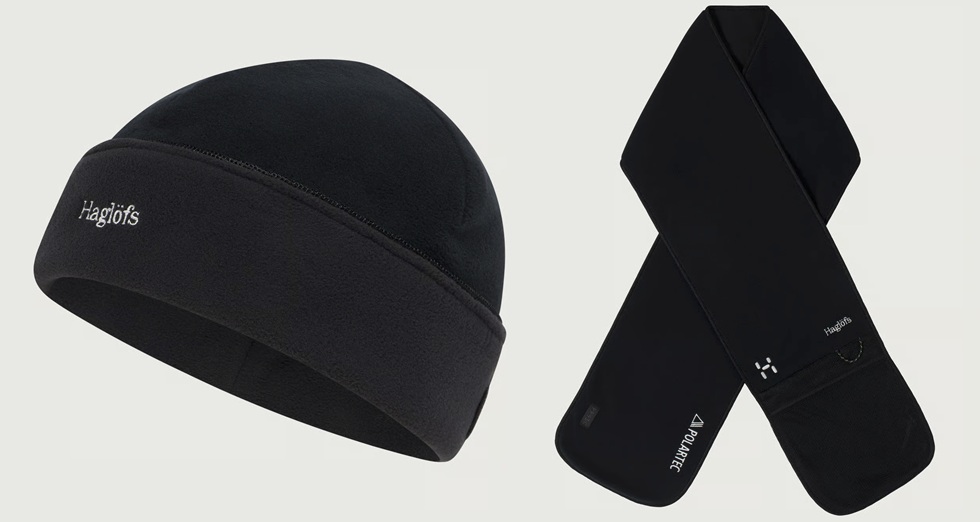
The campaign began as an awareness-raising concept known as the Black Capsule Project. Haglöfs constructed a limited apparel collection—featuring a Project Tee, a beanie, a scarf, and pants—assembled entirely from leftover black Polartec fleece scraps sourced from various distinct production runs. Each garment featured exposed woven labels stamped with unique color batch numbers, making the invisible differences between independent dye runs visually apparent. The project served as a physical demonstration of the redundant processing cycles operating simultaneously across global textile mills.
Following the conceptual rollout, Haglöfs and Polartec formalized Standard Issue Black. Rather than keeping the formulation proprietary as a competitive advantage, Polartec established a single, pre-approved shade of black produced at scale as part of its standard manufacturing baseline. The formulation is made available to any brand across the outdoor market without licensing fees or restrictions.
The commercial realization of this initiative is scheduled for full production in Haglöfs’ Fall/Winter 2026 collection. Rather than confining the standard to niche or experimental capsule garments, Haglöfs integrated the universal black into its high-volume bestseller, the Buteo Mid II Jacket. By applying the standard to a high-turnover product, the partnership seeks to validate the commercial viability of supply chain consolidation at scale.
Quantitative Impact and Efficiency Gains
The economic and environmental justification for Standard Issue Black rests entirely on economies of scale. Textile dye houses operate on minimum order quantities (MOQs), requiring hundreds of kilograms of fabric per run to achieve economic and environmental efficiency. When multiple brands consolidate smaller, fragmented orders into unified, large-scale production cycles, the resource savings compound rapidly.
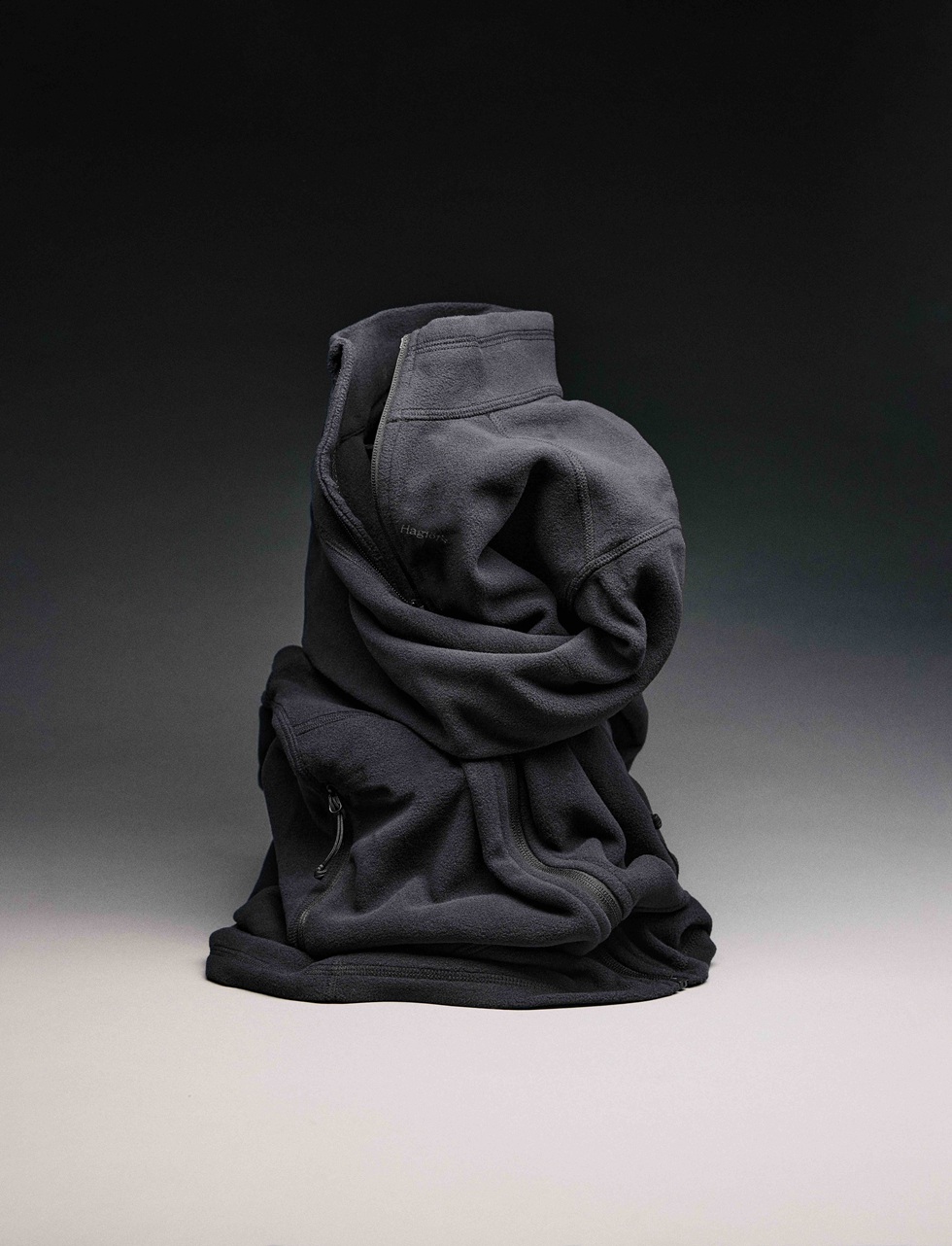
Internal lifecycle assessments provided by Haglöfs indicate that transitioning to a universal black fabric yields a reduction of more than 50% in water consumption and at least a 20% decrease in energy usage compared to traditional, fragmented piece-dyeing methods. While these figures represent manufacturer-supplied estimates rather than independent third-party audits, industrial chemists note that the underlying principles of batch consolidation align with established thermodynamic efficiencies in textile manufacturing.
Furthermore, the standard addresses minimum order quantity constraints that frequently force smaller brands or smaller seasonal collections to pay financial and environmental premiums for short production runs. By pooling demand into unified dyeing schedules, mills can operate fewer, larger vats, reducing chemical runoff and wastewater treatment loads.
Industry Statements and Design Philosophy
A primary objection raised by apparel designers centers on creative restriction. Critics argue that standardizing a foundational color like black could lead to aesthetic homogenization across competing outdoor brands.
Industry leadership has actively pushed back against this assumption. Eva Weiss, Head of Design and R&D at Haglöfs, addressed the creative implications directly during the rollout of the initiative.
"Standardization doesn’t have to limit creativity," Weiss stated. "With the right framework, it gives us the freedom to work together in the same creative direction and make a bigger impact. Having one defined black simplifies the design process, and brands could still differentiate themselves through other colors, cuts, and design elements."
Proponents of the standard draw parallels to existing industry-wide component sharing. Decades ago, the outdoor and broader apparel industries largely standardized on hardware components such as YKK zippers. The ubiquity of standardized fasteners did not stifle creative garment design; instead, it freed design teams to focus their resources on structural cuts, technical specifications, proprietary fabrics, and functional feature sets. Standard Issue Black applies this exact functional logic to the realm of color chemistry.
Broader Market Implications and Institutional Inertia
Despite clear environmental and economic incentives, the broader adoption of Standard Issue Black remains subject to the realities of market behavior. The outdoor industry has a history of launching well-intentioned sustainability initiatives that struggle to gain cross-brand adoption due to institutional inertia, competitive siloing, and supply chain rigidities.
Moreover, the persistent "green premium"—the historical gap between consumer sustainability values and actual purchasing habits—has sidelined numerous ecological innovations. However, Standard Issue Black circumvents this barrier because it does not impose a financial penalty on manufacturers or consumers. The unified dyeing process is cost-neutral to positive, removing the economic disincentive that typically hampers sustainable supply chain updates.
Analysts observe that the initiative joins a wave of structural manufacturing adjustments within the textile sector, paralleling innovations such as zero-carbon polyfiber developments by BASF and VAUDE, automated fiber-to-garment systems by Unspun, and expanded use of expanded polyethylene (ePE) membranes by Gore.
Whether competing outdoor brands will set aside proprietary color standards to adopt a unified black remains the central question for the initiative’s long-term success. By moving the concept from limited exhibition pieces into high-volume commercial production via the Buteo Mid II Jacket, Haglöfs and Polartec have shifted the burden of proof from theoretical debate to practical implementation across the global market.