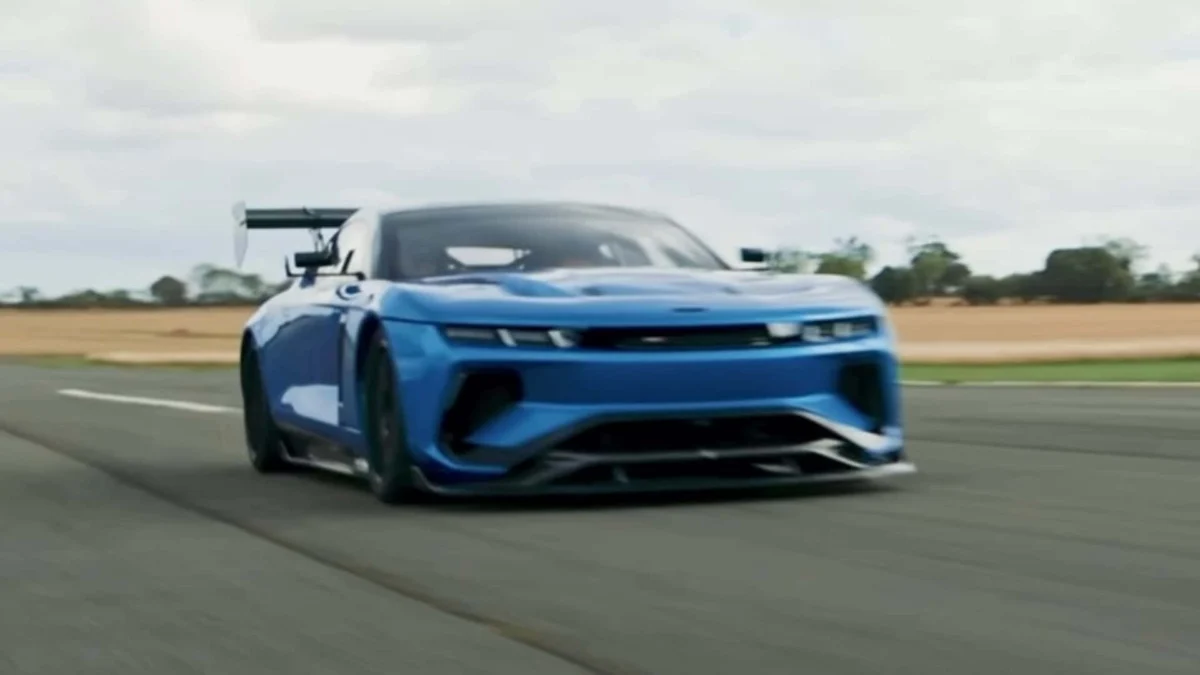
The storied British automotive brand Jensen is making a definitive return to the high-performance landscape with the unveiling of the Jensen Interceptor GTX prototype. Currently configured as a track-only development vehicle, the project signals a significant shift for the revived marque, which is leveraging a combination of classic British design aesthetics and modernized American engineering to challenge contemporary performance benchmarks. While the vehicle is not yet street-legal, its debut marks a pivotal milestone in the company’s multi-year effort to modernize its portfolio and re-establish its presence in the global GT market.
A Chronological Path to Rebirth
The return of Jensen has been a long-gestating process characterized by incremental progress. The brand, historically famous for the Interceptor of the 1960s and 70s—a vehicle defined by its Chrysler V8 engines and Italian-penned coachwork—fell into dormancy for several decades. The current iteration of the company began signaling its intent to return to production years ago, with various announcements surfacing regarding the development of an "ultra-high-performance" luxury machine.
The timeline for the current Interceptor GTX project gained significant momentum in early 2024, when the company began teasing the prototype’s specifications. The decision to prioritize a track-focused development vehicle served as a strategic move, allowing engineers to refine the chassis dynamics and powertrain cooling systems without the regulatory constraints associated with road-legal homologation. Following a series of static reveals and technical previews, the public’s first encounter with the vehicle’s auditory signature—a raw, supercharged V8 exhaust note—has served to validate the project’s performance-oriented ambitions.
Engineering the Powerplant: An Anglo-American Collaboration
At the heart of the Jensen Interceptor GTX lies a specialized powertrain that underscores the brand’s commitment to high-output engineering. Rather than developing a bespoke engine from scratch, Jensen has opted for a sophisticated collaboration with General Motors. The process begins with a GM-sourced block, which is then shipped to Late Model Engine (LME) in Texas for a comprehensive technical overhaul.
The transformation is extensive. LME re-engineers the block to accommodate high-stress performance, replacing stock internals with a high-performance rotating assembly designed for sustained track use. The cylinder heads are subjected to precision CNC machining to optimize airflow, and titanium valves are integrated to reduce reciprocating mass, allowing for higher engine speeds. The entire system is managed by a Motec engine control unit, which provides the granular data logging and tuning capabilities required for a professional-grade track machine.
The performance figures are substantial: in its current configuration, the supercharged 6.8-liter V8 produces approximately 973 horsepower. However, technical documentation provided by the manufacturer indicates that the platform is engineered to support up to 1,200 horsepower with specific tuning adjustments. This power is routed through a manual gearbox, a choice that stands in stark contrast to the trend of dual-clutch transmissions in the supercar sector. This decision suggests that Jensen is targeting a specific demographic of driving enthusiasts who prioritize mechanical engagement over sheer shift-speed efficiency.
Technical Specifications and Chassis Dynamics
While the engine remains the primary talking point, the chassis architecture of the Interceptor GTX is equally critical to its identity. By utilizing a tube-frame or heavily modified chassis structure, Jensen is attempting to balance the weight distribution of the massive V8 engine with the handling characteristics required for track performance. The use of advanced materials in the suspension geometry and braking systems is intended to translate the engine’s near-four-digit horsepower into usable track pace.
The "GT" and "GTR" monikers planned for future road-going versions indicate a two-tier strategy. The GT variant is expected to offer a more compliant suspension and refined interior for grand touring purposes, while the GTR will likely retain much of the stiffness and aggressive aero-profile of the current prototype. This differentiation allows Jensen to appeal to both the collector market and the track-day enthusiast segment.
Broader Market Implications
The re-entry of a legacy brand like Jensen into the modern automotive market is fraught with challenges. The current landscape is dominated by electrified powertrains and advanced driver-assistance systems. By leaning heavily into internal combustion and manual transmission technology, Jensen is positioning itself as a niche manufacturer that caters to the "analog" experience.
From a business standpoint, the feasibility of such a project depends on small-batch production and high price points. Historically, low-volume manufacturers have struggled to achieve profitability due to the high costs of research and development, safety testing, and global regulatory compliance. However, by establishing a "track-only" prototype first, the company is effectively crowdfunding the final stages of engineering through brand interest and potentially early deposits from high-net-worth enthusiasts.
If the road-legal version arrives as planned, it will enter a segment occupied by vehicles like the Aston Martin DBS or the Ferrari 812 Superfast. To succeed, the Jensen will need to offer a unique value proposition that justifies its cost, which is expected to be significant. The brand’s heritage provides a level of prestige that new startups often lack, but it also carries the burden of living up to the legendary status of its predecessors.
Industry Perspectives
Automotive analysts have noted that the "Jensen" name carries significant weight among collectors, but the conversion of that brand equity into modern sales is a complex task. The focus on the 6.8-liter V8 is a calculated choice; in a market moving toward hybridization, a naturally aspirated or supercharged, high-displacement V8 is increasingly seen as a "future classic" asset.
Furthermore, the involvement of Texas-based LME demonstrates a globalized supply chain that is typical of high-end boutique car building. By outsourcing the heavy lifting of the engine build to experts in the field, Jensen has effectively mitigated some of the technical risks associated with engine development, allowing its internal team to focus on chassis tuning and bodywork aesthetics—the core of the "Jensen" brand identity.
Future Outlook and Roadmap
The path forward for the Jensen Interceptor GTX remains focused on iterative refinement. The company has not provided a specific release date for the road-legal version, reflecting the realities of automotive development where testing schedules are often subject to change based on track data and component reliability.
The next phase of the project will likely involve extended testing in various climates and track conditions to ensure that the cooling and electronic systems can handle the demands of public road usage. Once the prototype is considered "production-ready" in terms of track performance, the transition to a road-legal car will involve significant efforts regarding emissions compliance, crash safety testing, and the integration of interior comfort features that are currently absent from the stripped-out prototype.
For now, the automotive community is viewing the Jensen Interceptor GTX as a promising, if ambitious, endeavor. Its ability to marry the raw, visceral experience of a high-horsepower V8 with the heritage of a classic British nameplate offers a compelling narrative. Whether or not the company can successfully navigate the transition from a track-only curiosity to a reliable, production-ready road car will define the next chapter of the Jensen legacy. As the development continues, the primary challenge will be balancing the unadulterated power of the prototype with the refinement required to satisfy the expectations of modern luxury consumers.