The Development Landscape and Creative Origins
The announcement of TALON TOWERS follows the success of Malitschek’s previous project, BETON BRUTAL, which established a niche for minimalist, high-difficulty first-person platforming. While BETON BRUTAL focused on a stark, utilitarian aesthetic, TALON TOWERS represents an ambitious pivot toward atmospheric storytelling. By incorporating a sense of history—implied through the dilapidation of its titular structures—the project draws comparisons to the iconic works of Fumito Ueda, specifically the sense of isolation and scale present in titles like Ico, Shadow of the Colossus, and The Last Guardian.
The development team has expanded significantly since Malitschek’s solo efforts. By onboarding Quinn K., known for the design work on Blanksword, and collaborators from the development team behind the critically lauded title If Found, the project has gained a broader creative scope. This cross-pollination of talent suggests a shift toward narrative integration within the movement-heavy gameplay loop, a common feature in games where environmental storytelling serves as a primary driver of player motivation.
Gameplay Mechanics and Movement Complexity
At its core, TALON TOWERS is designed as an expressive movement simulator. The gameplay showcase reveals a diverse suite of traversal tools, intended to challenge the player’s mastery of spatial awareness and timing. Mechanics include standard running and climbing, as well as complex maneuvers such as wall-running, wall-kicking, tightrope traversal, and monkey-bar swinging.
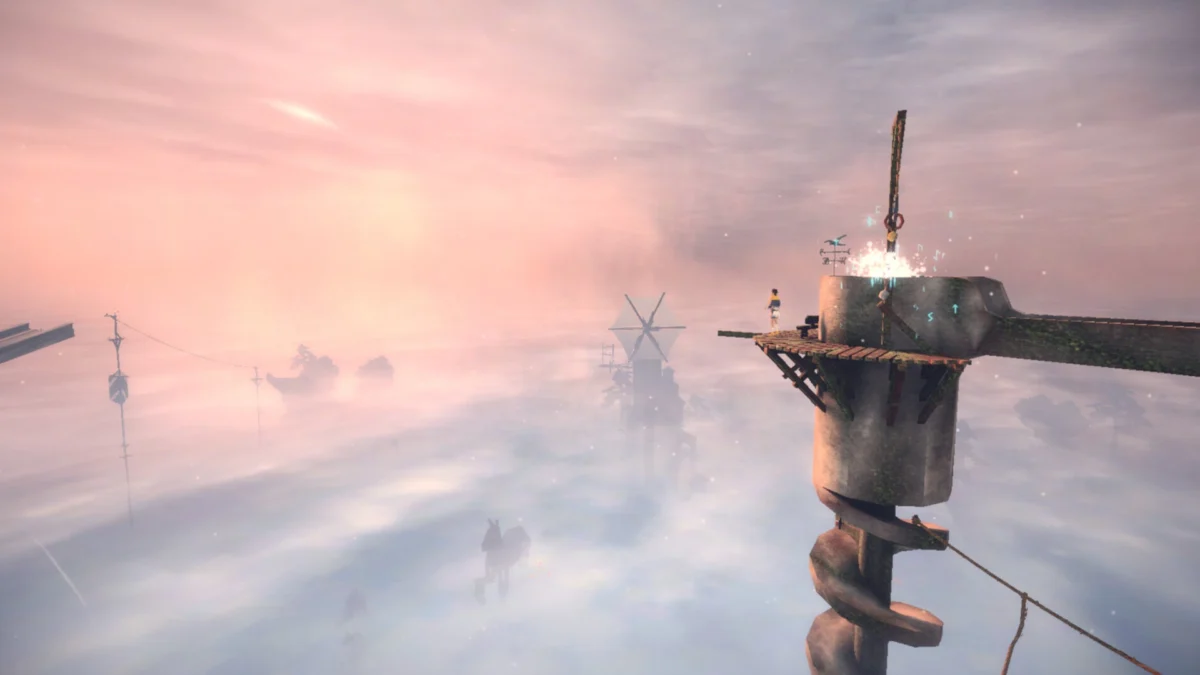
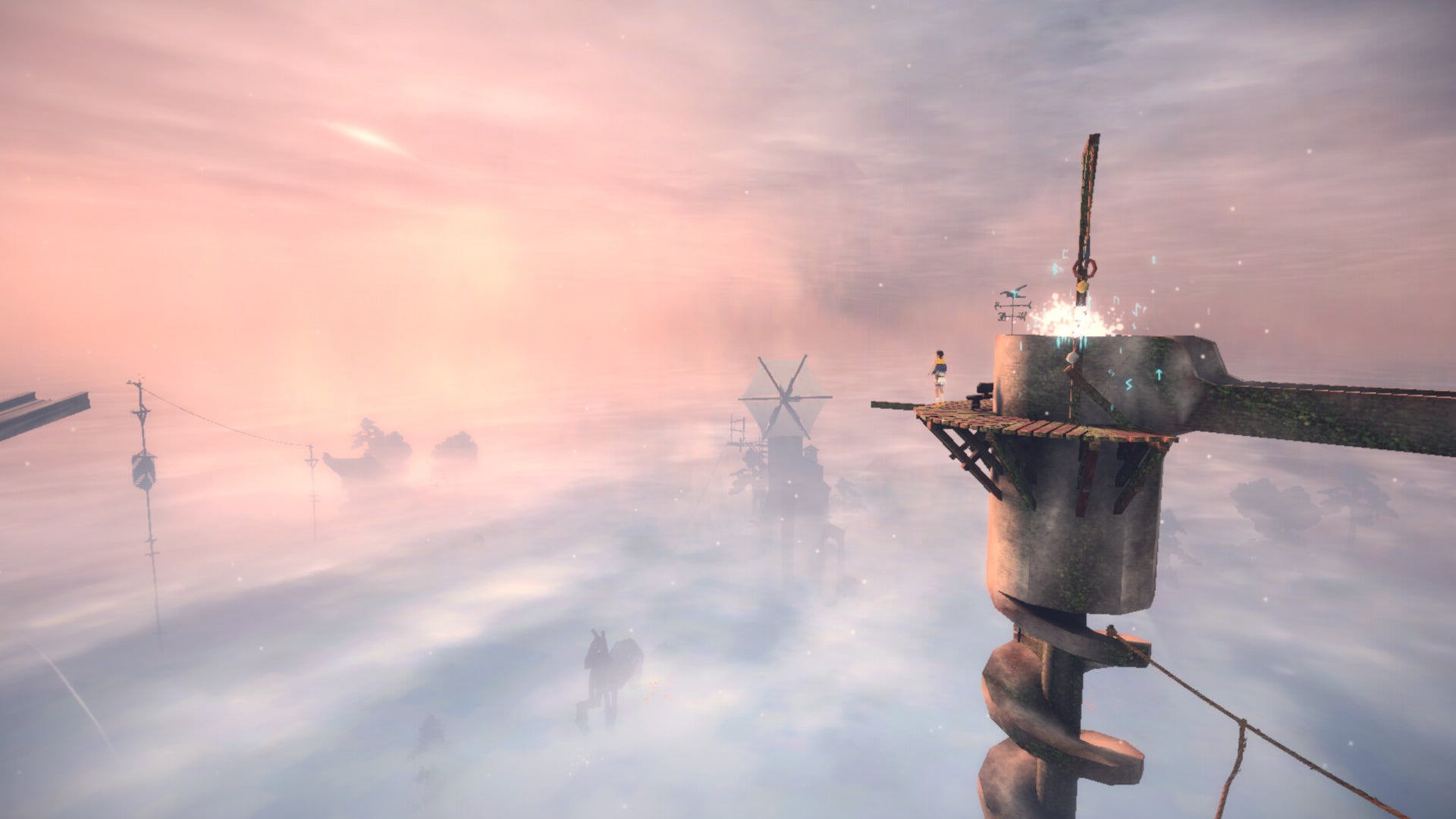
The technical demand of these maneuvers is heightened by the game’s environment. The structures are characterized by narrow, precarious pathways suspended over an expansive, featureless fog, creating a persistent sense of risk. Unlike traditional platformers that rely on static obstacle courses, TALON TOWERS emphasizes a fluid, momentum-based system. The inclusion of avian-based transformation sequences—where the player takes the form of a bird—suggests a departure from purely grounded physics, likely introduced to provide players with a momentary respite from the high-tension vertical climbs.
Chronology of the Project Reveal
The project’s emergence into the public eye followed a strategic, albeit understated, rollout.
- Early Development Phase: Following the release of BETON BRUTAL, Malitschek began prototyping mechanics focused on verticality and structural decay.
- Expansion Phase: Throughout the subsequent months, the development team solidified, with internal playtesting confirming the viability of the movement suite.
- Official Announcement: The reveal occurred via a comprehensive gameplay showcase, providing a detailed look at both the environmental design and the core mechanical loop.
- Public Engagement: Simultaneously with the showcase, a Steam store page was launched, signaling the move into a production-heavy phase of development.
The timing of the announcement aligns with a broader market trend in the independent gaming sector, where "precision platformers" have seen a resurgence in popularity. By releasing a lengthy, transparent gameplay showcase, the developers have opted for a "show-not-tell" approach, aiming to set realistic expectations for the game’s final polish and difficulty curve.
Comparative Analysis: The "Ueda" Aesthetic
In contemporary game criticism, the "Uedaness" of a project typically refers to three distinct pillars: minimal UI, environmental storytelling, and a sense of scale that emphasizes the fragility of the protagonist. TALON TOWERS adheres to these principles by stripping away HUD elements and focusing on the player’s interaction with the gargantuan architecture.
The game’s antagonists also reflect this design philosophy. Rather than utilizing conventional combat, certain segments of the game feature pursuit sequences. These encounters, which have drawn comparisons to the "shadow-creature" segments in Ico or the chase sequences in Celeste, serve to increase the stakes of the movement without requiring traditional weaponry. This choice of design keeps the player focused on the primary skill set—traversal—rather than diverting resources into a combat engine that might distract from the game’s core identity.
Broader Implications for the Genre
The rise of high-fidelity, high-difficulty parkour games marks a shift in how players engage with 3D space. Titles like Mirror’s Edge once pioneered first-person momentum, but modern iterations have refined this into "precision movement," where every input must be intentional. TALON TOWERS sits at the intersection of this genre and the "walking simulator" sub-genre, which prioritizes atmosphere over conflict.
Factually, the success of such titles often hinges on the responsiveness of the control scheme. With the inclusion of complex maneuvers like wall-kicking, the developers face the challenge of creating a system that feels intuitive yet capable of supporting extreme difficulty. If the game successfully balances these, it could set a new benchmark for movement-based indie titles. The project’s reliance on community feedback via the Steam wishlist mechanism also reflects a shift in how developers gauge potential market interest before locking in release dates, prioritizing a "when it’s done" approach over rigid, potentially crunch-inducing deadlines.
Official Stance and Community Reception
While no formal press releases regarding a release date have been issued, the project’s presence on Steam has generated early momentum within the parkour and platformer enthusiast communities. The reaction to the reveal video has been largely positive, with viewers noting the fluid animation cycles and the atmospheric potential of the fog-covered world.
Industry observers note that the collaboration between designers from disparate projects—ranging from roguelike RPGs to narrative-focused adventures—suggests a holistic approach to the game’s final state. The implication is that TALON TOWERS will not be a singular experience focused only on mechanics, but a curated journey that uses movement as a vehicle for exploration and tension.
Technical and Market Considerations
From a technical standpoint, the game’s performance in rendering vast, sprawling, and vertical environments will be a critical factor. The footage released thus far indicates a focus on lighting and atmospheric depth, which suggests the game will require significant optimization to maintain a consistent frame rate—a prerequisite for any title that relies on high-precision movement.
The decision to avoid a specific release window is a tactical choice that benefits the development team by mitigating the risk of scope creep. By focusing on the "when it’s done" model, Malitschek and his collaborators are signaling a commitment to quality over velocity. For consumers, this model has become increasingly accepted, as players have shown a higher tolerance for delayed releases if the trade-off is a polished, bug-free experience upon launch.
Conclusion
TALON TOWERS represents a refined, ambitious step forward for the indie parkour genre. By synthesizing the brutalist design language of Malitschek’s past work with the atmospheric sensibilities of the "Ueda" school of design, the team is crafting a title that emphasizes verticality, mystery, and mechanical depth. As development progresses, the success of the title will likely be measured by its ability to maintain the delicate balance between the player’s agency and the environment’s hostility. With its emphasis on fluid movement and the evocative nature of its setting, the game is poised to become a significant entry in the landscape of independent 3D platformers.