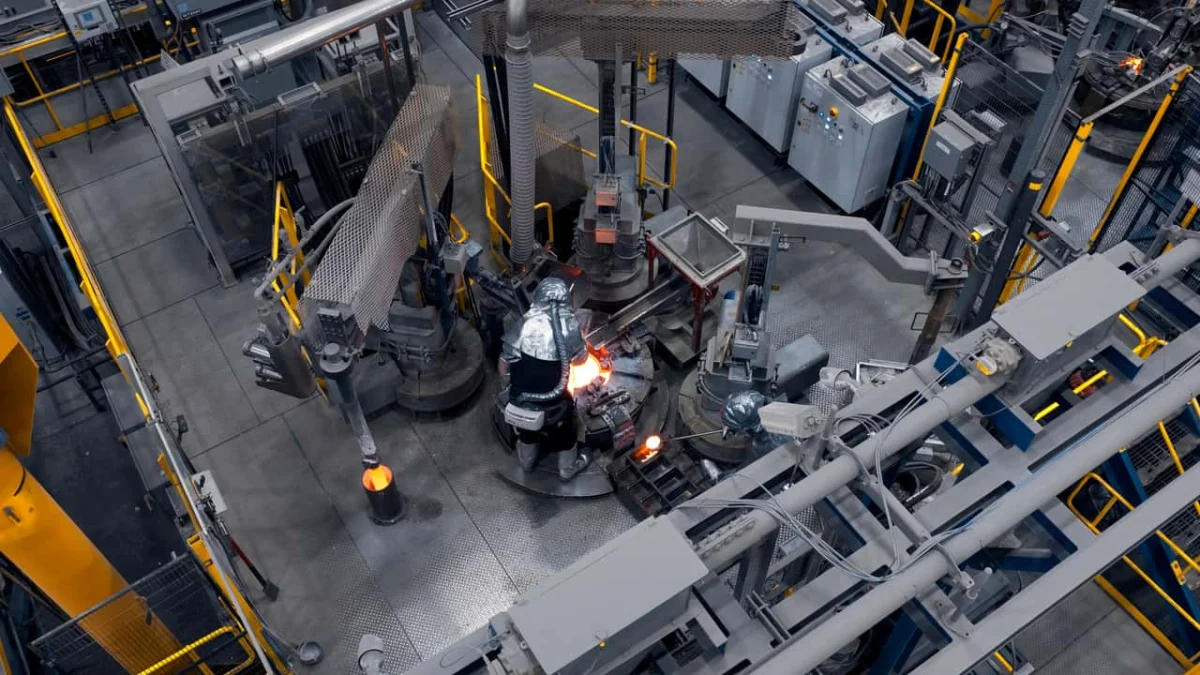
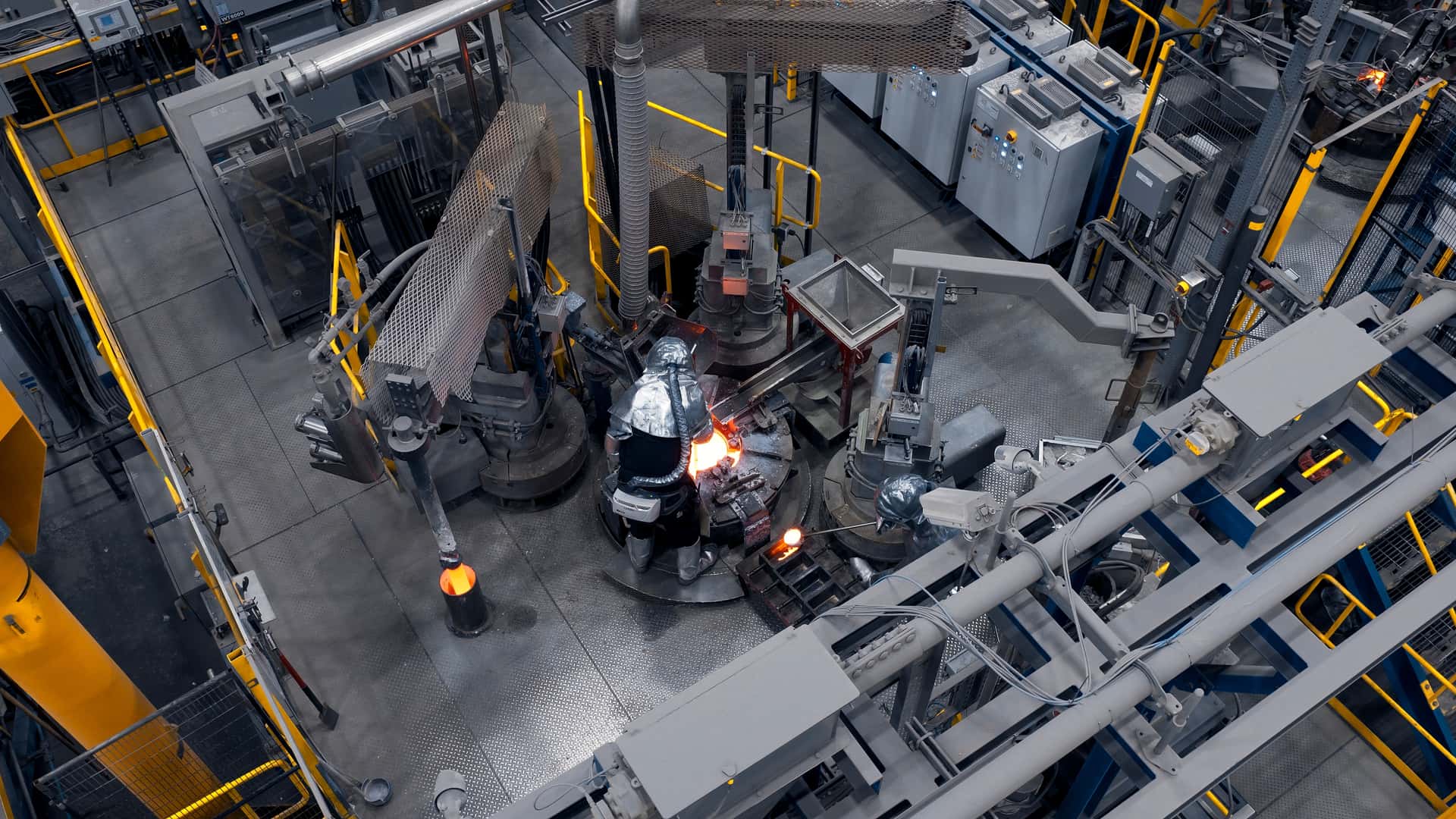
Inside the high-security confines of the MP Materials Independence factory in Fort Worth, Texas, the future of American automotive autonomy is taking shape in the form of unassuming, palm-sized magnets. These components, reminiscent of miniature candy bars with their sharp, metallic edges and robust density, represent a critical pivot point in the global transition to electric vehicles. As employees in specialized thermal protective gear monitor equipment operating at temperatures exceeding 1,000 degrees Celsius, they are performing a task that was, until recently, almost exclusively the domain of Chinese industrial facilities: the transformation of raw rare earth elements into high-performance permanent magnets.
The significance of these magnets is difficult to overstate. They are the essential heart of the traction motors that power modern electric vehicles, providing the torque and energy efficiency necessary for the buttery-smooth acceleration drivers expect. Beyond the automotive sector, these same neodymium-iron-boron (NdFeB) magnets are foundational to military technology, including guidance systems for fighter jets and missiles, as well as essential components in medical diagnostic equipment and consumer electronics like iPhones.
The current geopolitical reality is defined by a massive imbalance in the supply chain for these materials. According to the International Energy Agency, China accounts for 49% of global rare earth production, but its dominance in the refining and processing stages is even more profound. For years, the United States has relied almost entirely on foreign sources for these materials, leaving domestic manufacturers vulnerable to the whims of trade policy and geopolitical posturing.
The vulnerability of this dependency was laid bare last year when the U.S. government implemented broad tariffs on Chinese imports. Beijing responded with retaliatory export controls on rare earth magnets, triggering an immediate supply chain crisis. The impact was felt across the automotive industry; notably, Ford Motor Company was forced to suspend production of its popular Explorer SUV for a week after a critical supplier exhausted its inventory of these essential magnets. While the U.S. eventually negotiated a reduction in tariff percentages, the underlying reality remains: the strategic bottleneck is still in effect, and American manufacturers are operating in a precarious landscape.
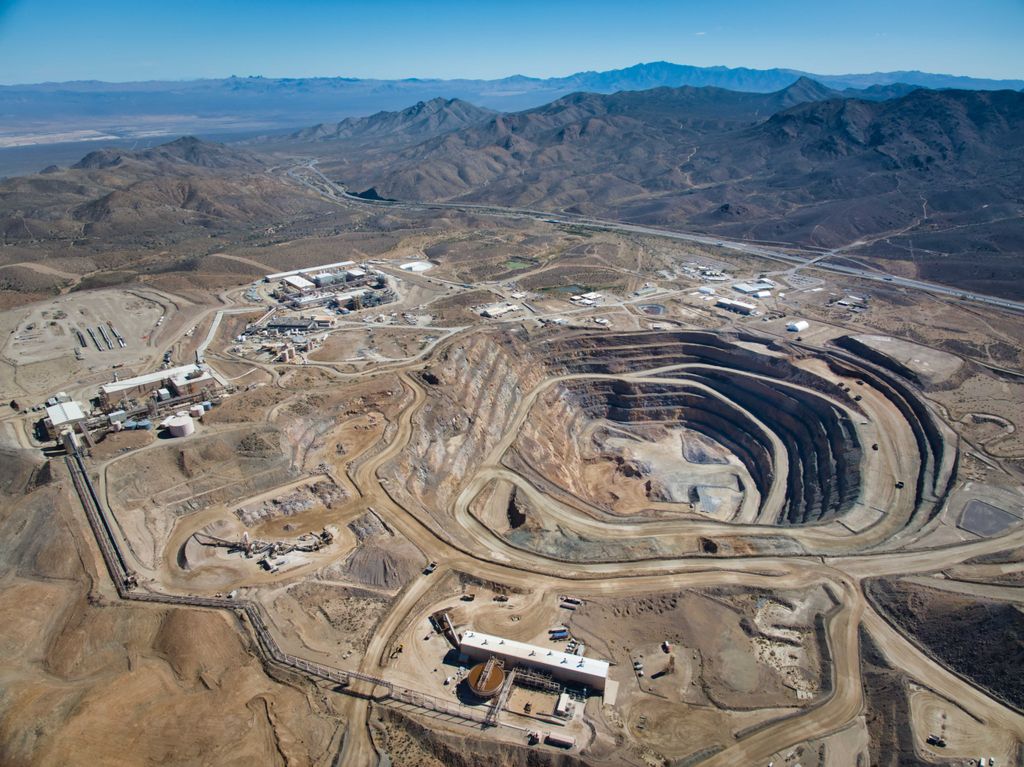
MP Materials, an American company based in the Mojave Desert, is leading a multi-billion-dollar effort to reverse decades of industrial outsourcing. The company owns and operates the Mountain Pass mine in Southern California, which stands as the only rare earth mining and processing facility in the Western Hemisphere. The history of this site is both storied and emblematic of the American manufacturing decline. Discovered in 1949 by prospectors searching for uranium, the site later became the world’s primary source of rare earths between 1965 and 1995. However, as global manufacturing shifted toward low-cost Asian markets, the facility suffered from chronic underinvestment and multiple ownership changes, eventually nearing bankruptcy before being acquired by MP Materials for $20.5 million in 2017.
The partnership between MP Materials and General Motors serves as a primary case study for the current trend of domestic localization. Following the global semiconductor shortage of 2021, GM leadership identified that their reliance on foreign, specifically Chinese, rare earth magnets posed a catastrophic risk to their long-term EV electrification goals. Shilpan Amin, GM’s global chief supply chain and procurement officer, noted that the company’s decision to pursue a domestic supply chain was a strategic response to these risks. The deal, which involved an offtake agreement while the Independence plant was still in its pilot phase, represents a fundamental shift in procurement strategy: "buy where you build."
The process of onshoring this capability is technically rigorous. At the Independence facility, raw NdPr (neodymium and praseodymium) oxide, extracted from the Mountain Pass mine, undergoes a series of complex metallurgical transformations. This includes hydrogen decrepitation and grain boundary diffusion—processes that require advanced engineering expertise. The oxide is first compressed into metallic bricks, then pulverized into a powder that resembles coarse metal flakes, before being re-compressed into the precise, high-density blocks required for EV motors. The company claims that a single large-scale rotor for a GM electric vehicle requires 192 of these magnets, while smaller versions utilize 128.

The economic implications of this transition are substantial. Currently, American-made magnets carry a premium price tag due to the inefficiencies inherent in scaling up a new, highly complex manufacturing operation. However, industry analysts and company executives argue that this is a temporary hurdle. As production volume increases and the facility hits high-utilization targets, the cost is expected to descend the affordability curve. Amin emphasized that on a level playing field, domestic production will ultimately compete with global alternatives.
The long-term vision for the Independence plant is ambitious. MP Materials aims to produce one million magnets daily, a goal supported by a growing list of major clients. Beyond the GM contract, the company has secured a $500 million commitment from Apple, which intends to transition its devices toward 100% recycled rare earth magnets processed domestically. Furthermore, the U.S. Department of War has entered into a multi-billion-dollar supply deal, commissioning a new 1.2-million-square-foot facility in Northlake, Texas, that will be five times the size of the existing Fort Worth plant.
Despite these advancements, the path to complete independence is long. Research from Benchmark Mineral Intelligence suggests that even with these domestic initiatives, the United States will likely remain reliant on Chinese-processed materials well into the next decade. Projections for 2030 indicate that the U.S. may only account for 5% of the global rare earth supply, while China is expected to maintain an 86% share. The International Energy Agency continues to list the United States as the most vulnerable nation regarding supply chain shocks, given the concentration of reserves and processing infrastructure in China.
The effort to decouple from these foreign dependencies requires more than a single facility or a single mining company. It necessitates a coordinated, years-long industrial strategy involving government, private sector investment, and a renewed focus on domestic material science. The Department of War’s active involvement—evidenced by massive contracts with other firms like USA Rare Earth and Vulcan Elements—signals that Washington views this not just as an economic endeavor, but as a core pillar of national security.
As the Independence factory nears its full-scale production launch, the automotive industry watches closely. The success of this facility will serve as a bellwether for whether the U.S. can effectively reindustrialize in sectors where it has been dormant for decades. For General Motors, the investment is a hedge against future volatility; for the United States, it is a tentative but necessary step toward securing the critical materials that define the modern technological era. The "Independence" name of the Fort Worth factory is, in this context, more than just a brand—it is a mission statement for an industry attempting to navigate a new, more fragmented geopolitical reality.