As the seasonal transition ushers in cooler temperatures and changing foliage across North America, outdoor enthusiasts and industry experts alike are shifting their focus from summer pursuits to autumn expeditions. For the editorial staff at Backpacker magazine, September 2026 marked a period of rigorous field testing spanning multiple continents and ecosystems. From late-season paddling excursions and high-altitude snow scouting missions in South America to durability trials along Wisconsin’s historic Ice Age Trail in preparation for the upcoming 2027 Spring Gear Guide, the team put a diverse array of equipment through demanding conditions.
Evaluating gear in dynamic environments is a foundational practice for outdoor journalism, ensuring that consumers receive reliable, field-tested recommendations before investing in new equipment. During the September testing window, three specific items emerged as standout performers: a specialized survival knife from Outdoor Element, an innovative pair of alpaca wool socks from Paka, and a fast-acting sublingual caffeine powder from Buzz Bomb. Each product addresses unique challenges faced by backpackers, hikers, and endurance athletes, offering distinct solutions for utility, comfort, and performance enhancement in the backcountry.
Engineering and Field Performance of the Outdoor Element Flicker Feather
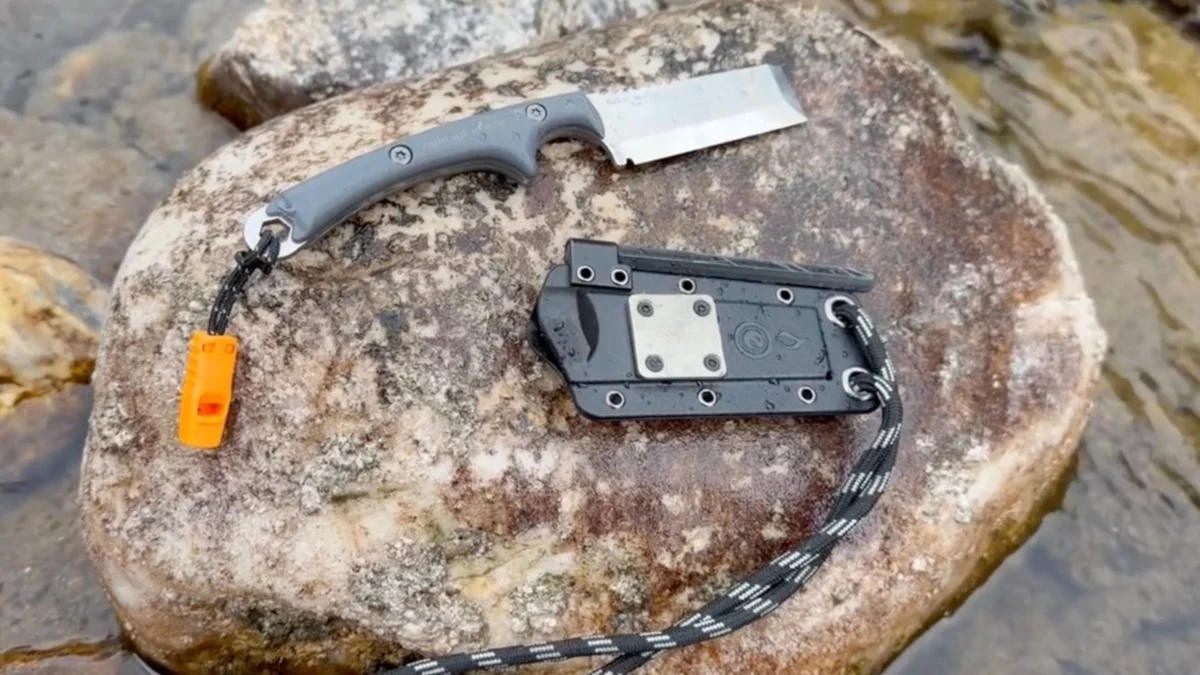
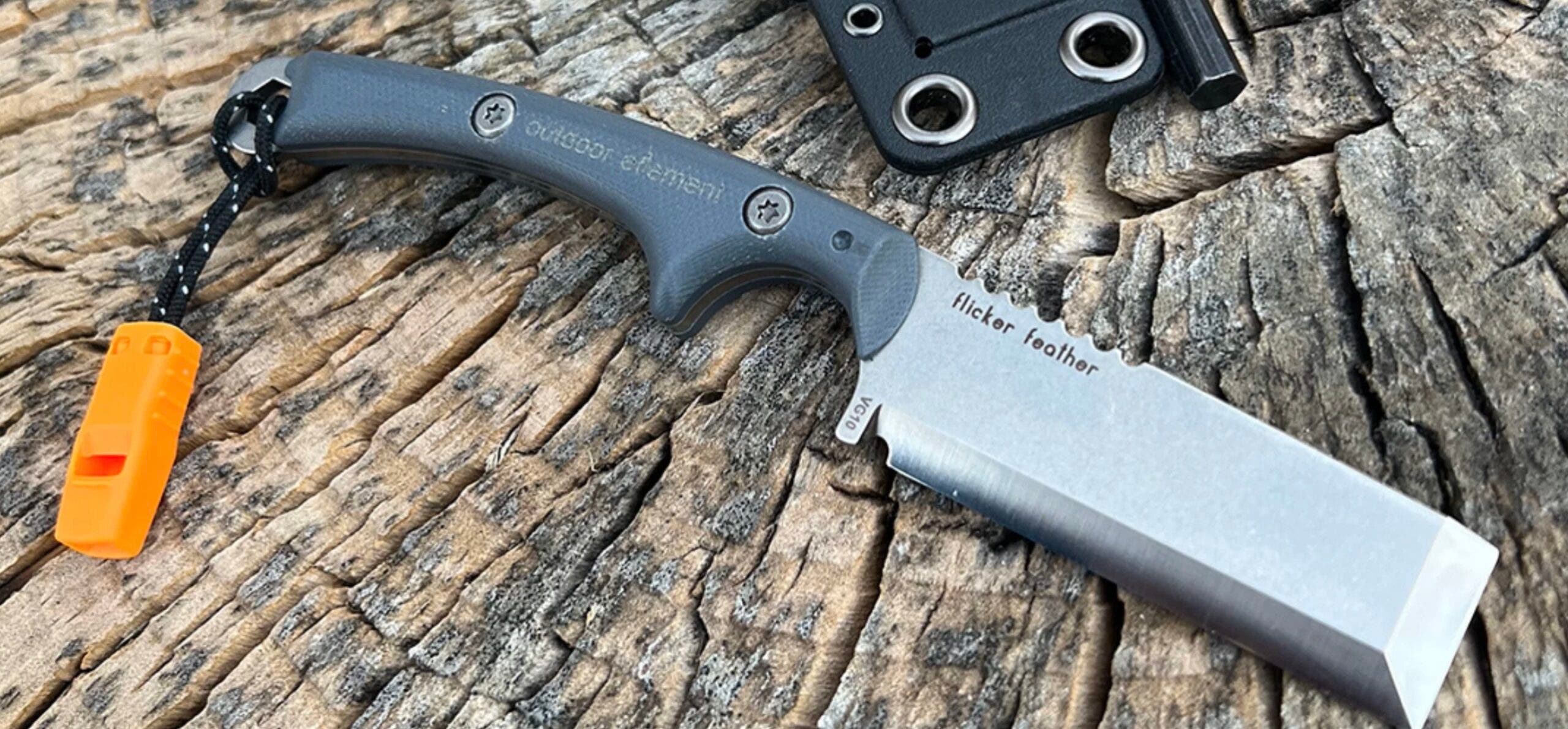
The Outdoor Element Flicker Feather, retailing at approximately $60, introduces a unique design philosophy to the category of fixed-blade outdoor knives. Officially categorized by the manufacturer as a "survival chisel," the tool departs from traditional drop-point or clip-point blade geometries. Fabricated from VG10 steel—a high-carbon stainless steel prized for its edge retention and corrosion resistance—the blade features a flat tip designed to incorporate a second, perpendicular sharp edge. This geometry is intended to facilitate precision tasks such as wood carving, scraping, and shelter construction.
Ergonomics play a significant role in the Flicker Feather’s design, with a contoured handle engineered to support fine motor control during intricate bushcraft applications. However, user feedback from field testing highlights a notable functional limitation: the chisel bevel is ground on only one side. Consequently, the knife is directional, requiring left- and right-handed users to purchase specific versions tailored to their dominant hand. This asymmetry may limit its universal appeal in group settings or shared gear kits.
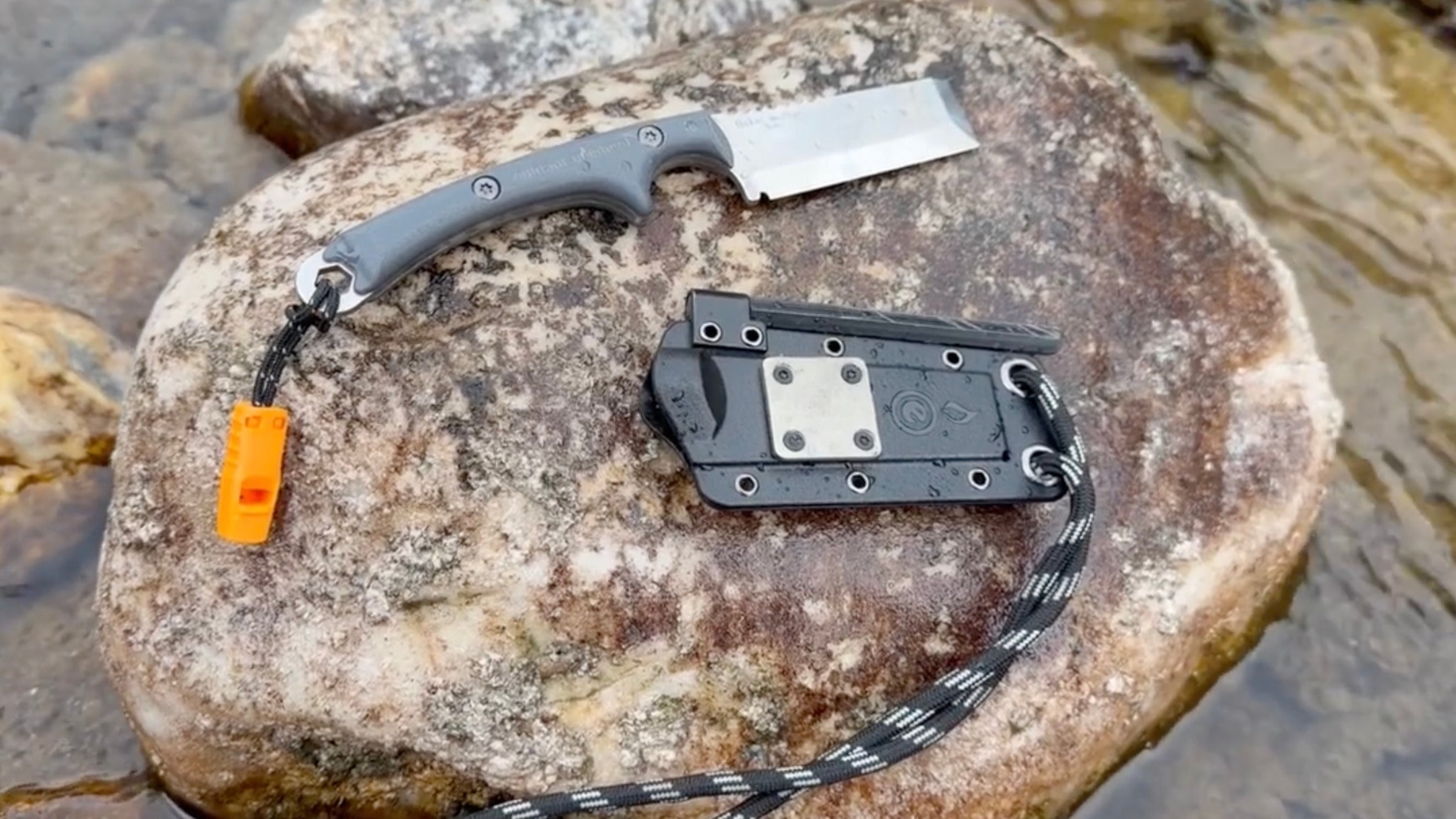
Despite the blade’s specific configuration, the primary innovation of the Flicker Feather system lies in its injection-molded hard plastic sheath. The housing incorporates an active locking mechanism that secures the knife firmly, mitigating the risk of accidental displacement during high-movement activities such as scrambling or running. Attachment options are versatile, featuring a heavy-duty metal clip designed to interface with pack straps or waistbelts, alongside a lanyard attachment point that allows for neck carry.
Furthermore, the sheath integrates several auxiliary survival utilities intended to reduce the overall weight and footprint of an emergency kit. These include a built-in sharpening plate for in-field edge maintenance, a ferrocerium rod for reliable fire-starting capabilities independent of matches or lighters, and an emergency signaling whistle integrated directly into the knife’s pommel. At a price point of $60, industry analysts note that the Flicker Feather occupies a cost-effective niche compared to premium, single-purpose hiking knives, offering multi-use utility for budget-conscious backpackers.
Material Innovation in Footwear: Paka Trail Crew Socks
Footwear comfort remains one of the most critical factors in determining the success or failure of a long-distance backpacking trip. Foot ailments such as blisters, hot spots, and moisture accumulation account for a significant percentage of trail injuries and premature exits from through-hiking routes. While merino wool has long dominated the market as the gold standard for natural-fiber technical socks, recent supply chain developments and agricultural innovations have brought alternative animal fibers into the outdoor sector.
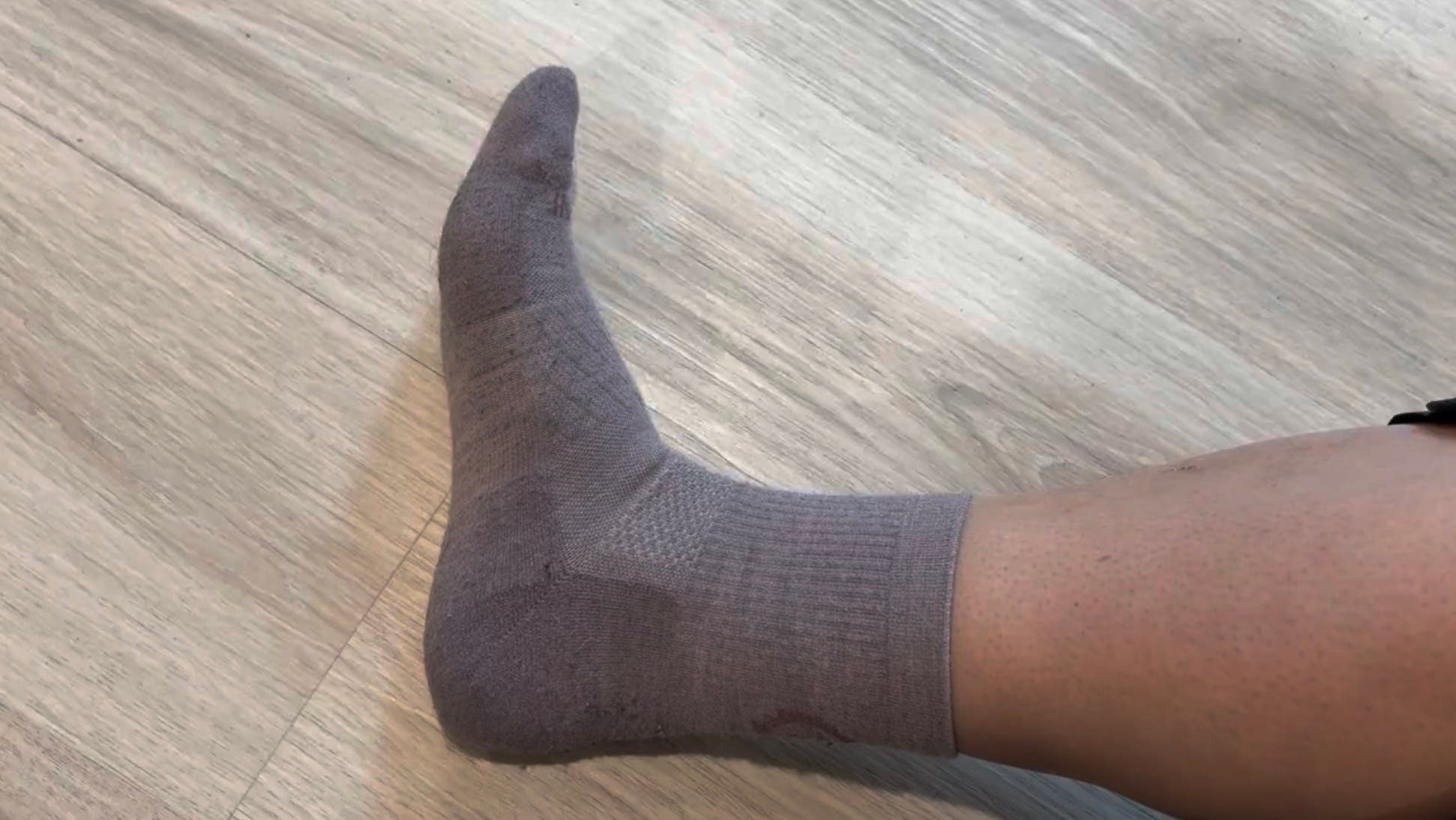
Paka’s Trail Crew socks, priced at $25, represent a shift toward alpaca wool as a primary technical material. Alpaca fiber possesses distinct physical properties that differentiate it from sheep’s wool. According to manufacturer specifications and independent textile evaluations, alpaca fibers are hollow-core structures that provide superior thermal regulation while remaining significantly lighter than traditional wool. Additionally, the fiber contains minimal lanolin, making it naturally hypoallergenic and resistant to bacterial growth, which helps mitigate odor accumulation over multi-day use without chemical anti-microbial treatments.
During field tests along the Ice Age Trail, the Trail Crew socks demonstrated high performance in moisture management and durability. Testers observed that the alpaca blend retains less water than sheep’s wool when subjected to stream crossings or heavy perspiration, resulting in faster drying times. The structural design incorporates light compression through the arch to prevent bunching, minimizing friction points that lead to blisters.
Durability enhancements are particularly evident in the heel and Achilles padding. Paka extended the cushioned zone higher up the rear cuff than is standard in athletic socks, targeting the precise area where low-profile trail running shoes and cycling footwear typically cause abrasion and premature fabric wear. By combining the natural anti-stink and thermoregulating properties of natural fibers with targeted reinforcement zones, the $25 sock has established itself as a competitive alternative in the technical apparel market.
Sublingual Supplementation: Buzz Bomb Caffeine Powder
Managing energy levels during alpine starts and endurance efforts has historically relied on heavy liquids, bulky energy drinks, or high-sugar gels that can cause gastrointestinal distress during strenuous exertion. To address the need for rapid, lightweight energy supplementation, Buzz Bomb introduced a flavored caffeine powder utilizing a sublingual delivery mechanism. Retailing at $25 for a pack of 20 single-serving, one-gram packets, the product is formulated to dissolve directly under the tongue rather than being mixed into water.
Sublingual administration bypasses the digestive tract’s primary metabolic processing, allowing active compounds to be absorbed directly through the mucous membranes into the bloodstream. The manufacturer asserts that this method achieves systemic absorption within approximately one minute, providing a faster onset of action compared to ingested liquids or solids.
From a nutritional standpoint, Buzz Bomb’s formulation addresses concerns associated with commercial energy drinks, which frequently contain excessive stimulant loads ranging from 200 to 300 milligrams of caffeine per serving. Each one-gram packet of Buzz Bomb contains 50 milligrams of caffeine, an amount roughly equivalent to a standard cup of black tea or a mild cup of coffee. Available in palatable fruit flavors such as Lemon Drop and Peach Mango, the powder offers users precise, scalable dosage control without the sugar crashes or cardiac jitteriness often reported with high-stimulus alternatives.
While the product successfully delivers functional energy in an ultralight format weighing mere fractions of an ounce, editorial evaluations noted minor psychological hurdles associated with the consumption method. The practice of pouring dry powder directly into the oral cavity diverges significantly from traditional dietary habits, prompting discussions among testers regarding the boundary between nutritional convenience and compulsive stimulant reliance during extended field assignments.
Broader Implications for Gear Development and Industry Trends
The introduction and evaluation of specialized equipment such as the Flicker Feather, Paka Trail Crew socks, and Buzz Bomb caffeine powder illustrate broader trajectories within the outdoor recreation industry. As manufacturing technologies evolve, brands are increasingly focusing on multi-functionality, alternative material sourcing, and weight reduction to meet the demands of modern backpackers.
The integration of survival tools into knife sheaths reflects a sustained consumer demand for minimalist gear configurations, where individual items serve multiple functions to reduce pack weight. Similarly, the adoption of alpaca wool highlights a growing interest in sustainable, high-performance natural fibers that challenge the dominance of petroleum-based synthetics and traditional sheep’s wool. In the nutrition sector, innovations in delivery systems indicate that manufacturers are moving beyond traditional formats to prioritize rapid absorption, reduced packaging waste, and controlled dosage.
As testing for the 2027 Spring Gear Guide continues, these early-season selections establish a benchmark for performance, utility, and design ingenuity. For manufacturers, consumer reception of these niche products will likely influence future product development cycles, steering R&D investments toward efficiency, ergonomic specialization, and alternative material sciences in the competitive outdoor gear market.