The evolution of digital communication took a monumental leap forward at Meta Connect 2026, where Meta Platforms officially unveiled its cutting-edge "Holograms" feature. Long gone are the days of stylized, low-fidelity cartoon avatars that once defined virtual reality platforms. Replacing them is a hyper-realistic digital representation system designed to bridge the gap between physical and virtual interaction. Powered by advanced artificial intelligence and streamlined smartphone scanning technology, the new Holograms feature is poised to redefine how humanity connects across distances, starting with integrations in WhatsApp and expanding into Meta’s growing ecosystem of smart eyewear and mixed-reality headsets.
From Crude Cartoons to Hyper-Realistic Digital Twins: A Decade of Avatar Development
To understand the magnitude of Meta’s 2026 announcement, one must examine the painstaking evolution of the company’s digital identity systems. When Meta—then Facebook—first introduced its virtual reality avatar ecosystem years ago, the reception was largely lukewarm. Those early iterations were often criticized for being overly simplistic, static, and devoid of genuine human expression.
Over the subsequent years, iterative updates gradually improved facial tracking, texture mapping, and clothing options. Internally referred to during its developmental phases as "codec avatars," the technology spent years confined to research laboratories. Engineers worked tirelessly to solve the uncanny valley problem—the psychological discomfort humans feel when viewing artificial entities that closely, but imperfectly, resemble real people.
By 2024, significant modern upgrades had been introduced to Meta Quest platforms, offering better proportions and improved customization. However, the unveiling at Meta Connect 2026 marks the definitive commercial realization of those early research goals. By dropping the technical jargon in favor of the intuitive moniker "Holograms," Meta has signaled that the technology is finally ready for mainstream consumer adoption.
The Mechanics of Holograms: Setup, Processing, and Execution
The creation of a Meta Hologram is remarkably streamlined, designed to be executed by everyday users without specialized studio equipment. The onboarding process requires approximately 60 seconds of interaction via a standard smartphone application. During this initial phase, the user is prompted to rotate their head in various directions while capturing high-resolution facial data. Additionally, users answer a series of prompts out loud, allowing Meta AI to analyze vocal inflection, natural cadence, and idiosyncratic physical mannerisms.
Once the local smartphone capture is complete, the data undergoes a server-side processing period lasting between five and ten minutes. During this window, Meta AI constructs a personalized, highly accurate 3D digital model tailored for deployment across compatible applications.
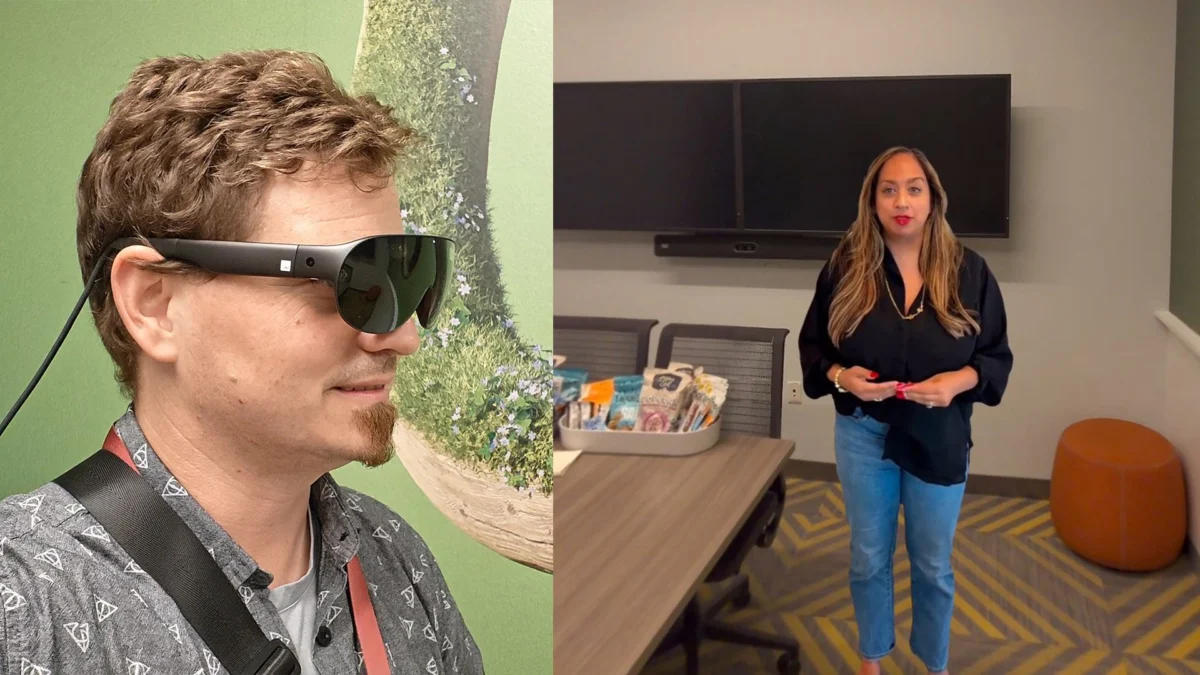
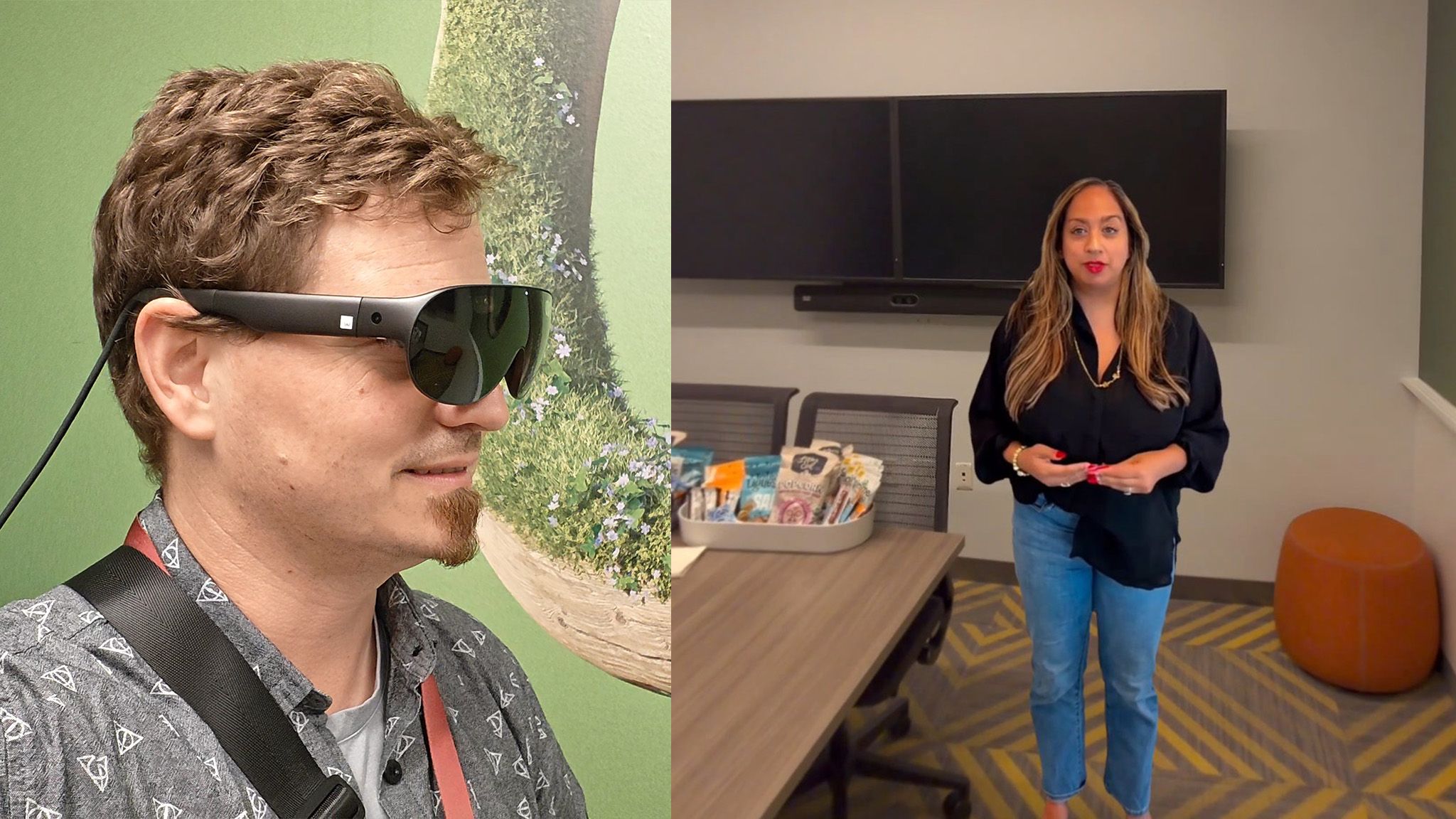
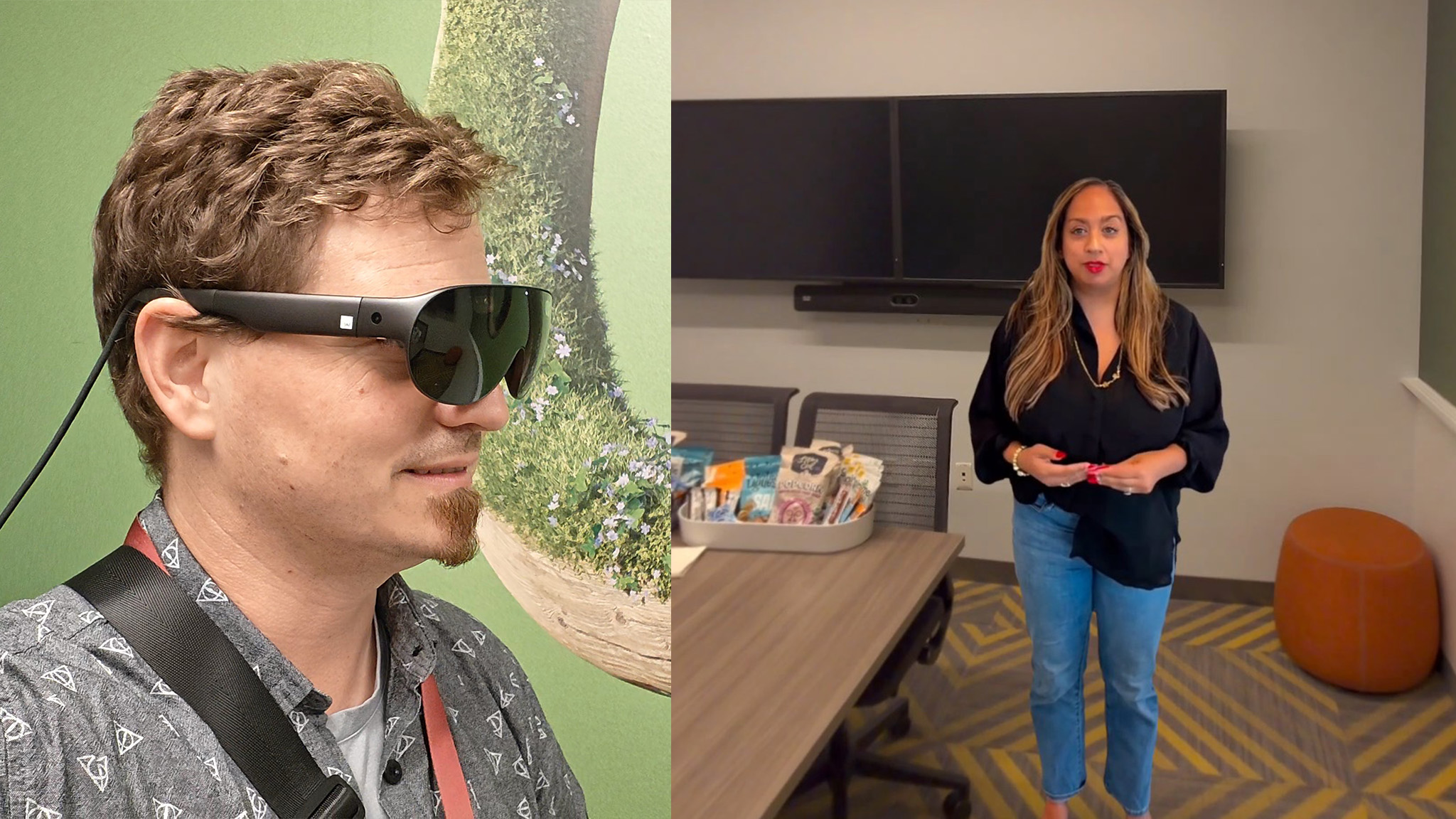
The practical application of this technology was demonstrated during live media demonstrations at Meta Connect 2026. Testers reported seamless interactions utilizing Meta Ray-band Display glasses and Meta VR headsets. When a user initiates a WhatsApp video call while wearing supported smart glasses, the recipient does not see a direct camera feed from the glasses. Instead, they view a pristine, real-time Hologram of the caller that accurately replicates their appearance, clothing, and facial expressions—all while the caller appears entirely natural in their physical environment.
Integration Across the Meta Ecosystem: From Smart Glasses to Spatial Computing
The versatility of Meta’s new Holograms extends far beyond traditional phone screens, finding its true home in spatial computing environments. When answering calls through Meta VR headsets featuring full-color passthrough video, users initially encounter standard floating interface windows displaying the Hologram. However, tapping a dedicated spatial button transforms the experience entirely.
The interface window dissolves, projecting a full-scale, life-size Hologram directly into the user’s physical room. Maintaining correct height, bodily proportions, and real-time behavioral responses, the digital representation appears to occupy physical space alongside the viewer. Users can move around the room, alter the Hologram’s placement, or resize the digital entity to suit their environment.
Crucially, this system operates without the need for cumbersome full-body tracking hardware. Meta AI extrapolates movement, posture, and gestures based on the initial behavioral profile recorded during setup. Furthermore, because Meta has integrated Holograms into its developer ecosystem via an application programming interface (API), third-party applications will soon possess the capability to incorporate the technology, paving the way for cross-platform utility.
Industry Implications and Future Outlook
The introduction of high-fidelity holograms in consumer technology carries profound implications for remote work, social connectivity, and digital security. As professional environments increasingly adopt hybrid work models, the ability to communicate via hyper-realistic digital representations could permanently alter corporate communication, reducing travel costs while maintaining the nuance of face-to-face interaction.
However, the technology also presents significant ethical and security challenges. The creation of convincing digital twins that accurately mimic an individual’s appearance, voice, and mannerisms raises legitimate concerns regarding deepfakes, identity theft, and privacy. Cybersecurity experts have noted that as digital representations become indistinguishable from reality, authentication protocols must evolve concurrently to prevent malicious impersonation.
Meta has emphasized its commitment to data privacy and security, stating that user data processed during the creation of Holograms is heavily encrypted and subject to strict consent guidelines. As the feature rolls out to the broader public in the coming months, regulatory bodies and consumer advocacy groups will undoubtedly monitor its deployment closely.
Ultimately, Meta Connect 2026 will likely be remembered as the inflection point where science fiction officially transitioned into consumer reality. By bridging the gap between artificial intelligence, wearable tech, and spatial computing, Meta has laid the groundwork for a future where physical distance is no longer a barrier to human presence.