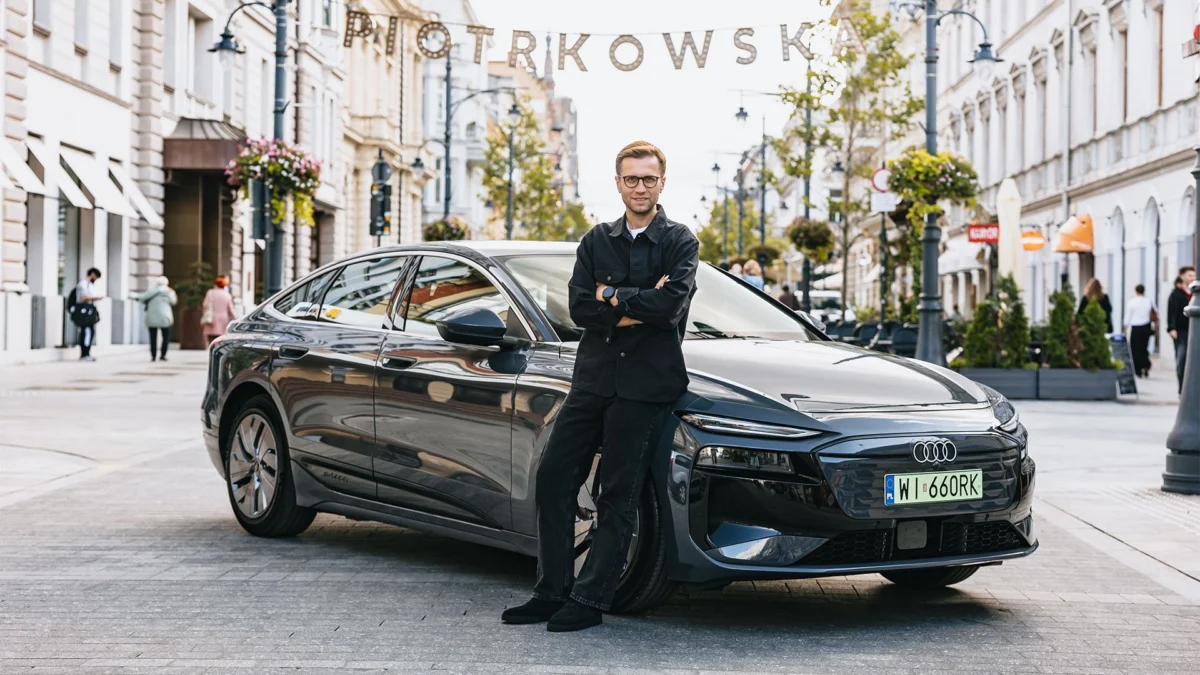
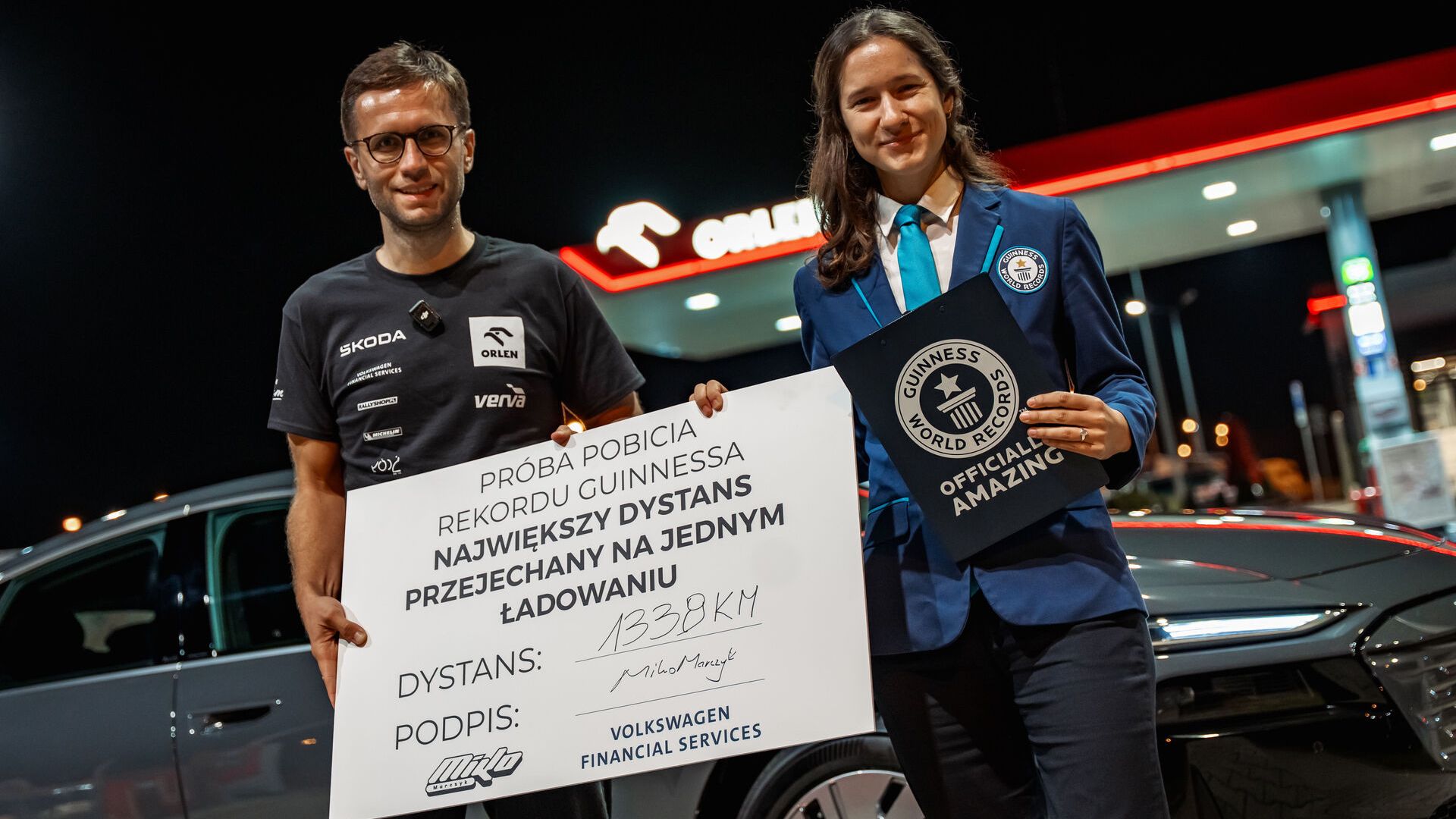
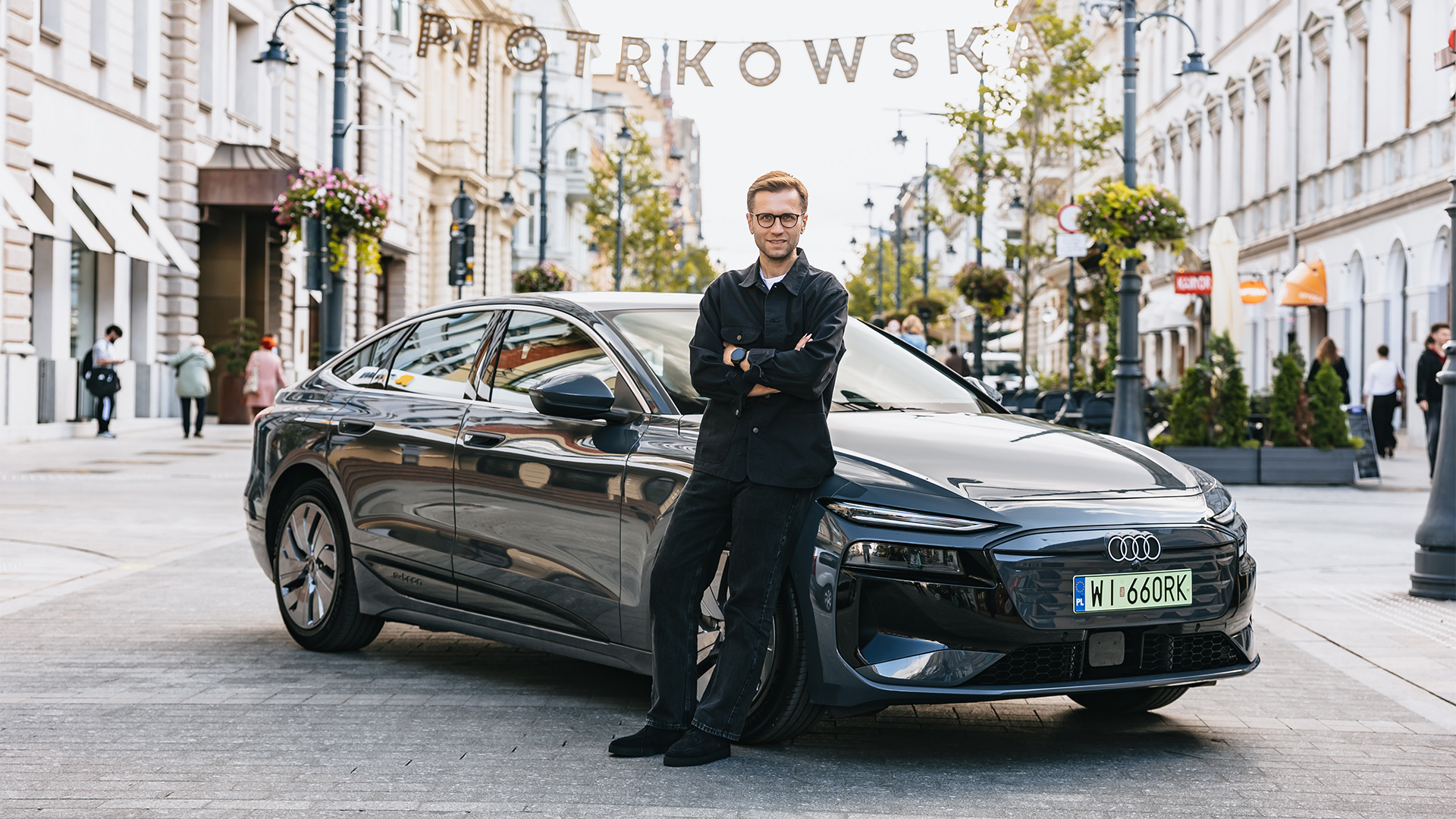
Polish rally driver Mikołaj Marczyk has fundamentally challenged conventional wisdom surrounding electric vehicle (EV) efficiency and range capabilities. Piloting an Audi A6 Sportback e-tron performance, Marczyk successfully traversed 831.4 miles (1,338 kilometers) on a single battery charge, nearly doubling the vehicle’s official WLTP-rated range of 482 miles. The feat not only establishes a remarkable milestone for the luxury automaker but also highlights the profound impact that driver technique, route planning, and environmental optimization can have on modern electric mobility.
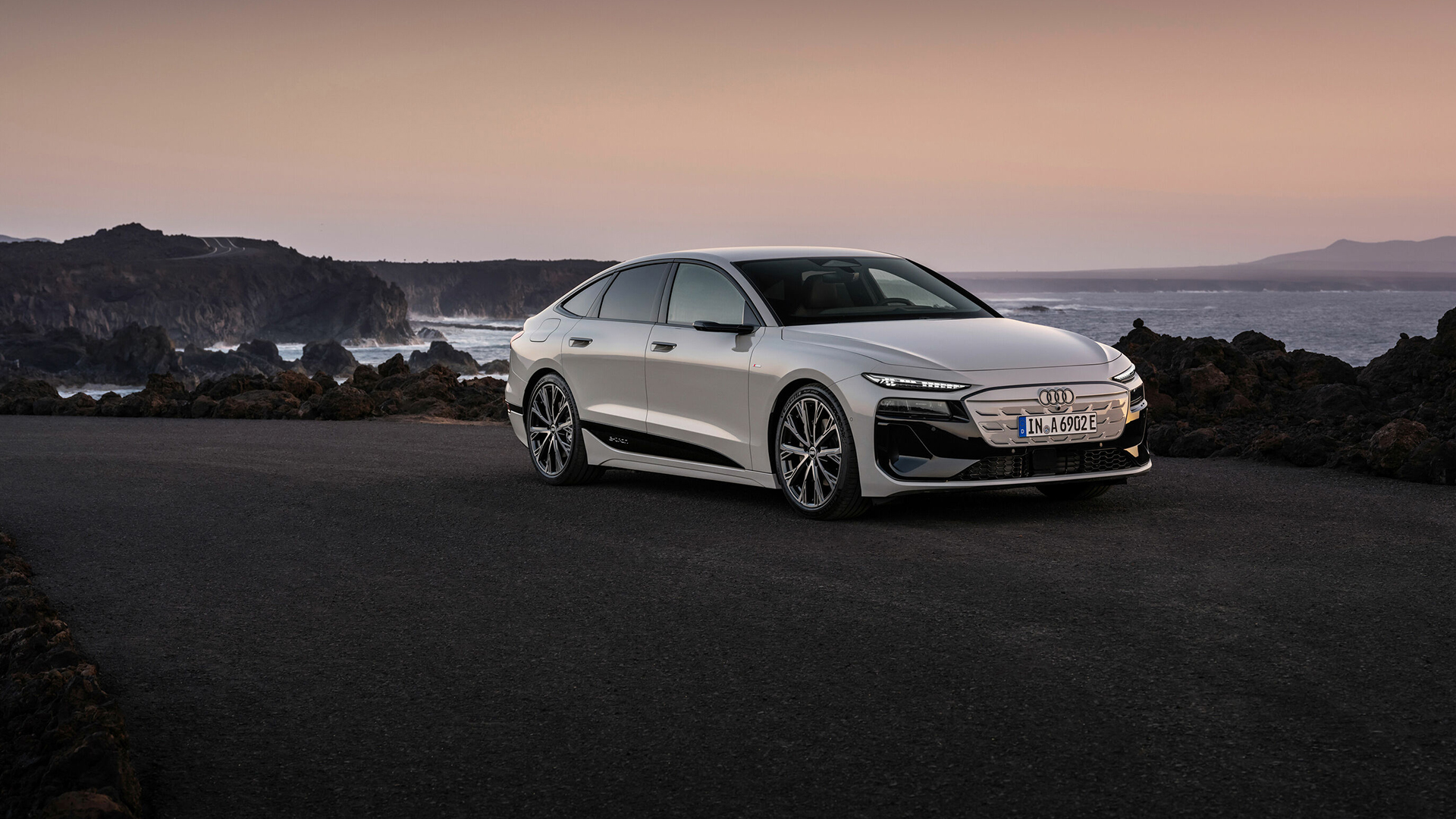
Marczyk, who previously demonstrated his endurance-driving capabilities in 2025 by extracting 1,759 miles from a single tank of fuel in a combustion-engine Skoda Superb, turned his analytical and tactical focus toward battery-electric propulsion. The choice of vehicle for the record-breaking attempt was the Audi A6 Sportback e-tron performance. This specific trim configuration features a 326-horsepower rear-mounted electric motor powered by a 100kWh gross battery capacity, translating to a net usable capacity of 94.9 kWh.
Chronology and Route of the Record-Breaking Journey
The meticulously planned expedition was designed to test the vehicle across a diverse array of topography, traffic conditions, and ambient temperatures, providing a rigorous stress test for the electric powertrain.
The journey commenced in Zakopane, a town nestled in the foothills of the Tatra Mountains in southern Poland. This starting location offered an immediate strategic advantage: navigating the challenging mountain terrain provided ample opportunities for regenerative braking down steep inclines, feeding vital energy back into the vehicle’s 94.9 kWh net battery pack.
From the Tatra Mountains, Marczyk directed the Audi A6 e-tron northward toward Kraków, negotiating urban environments and typical commuter congestion. Following the route along the Vistula Valley, the vehicle passed through Sandomierz before embarking on the final stretch toward the northern coastal town of Hel.
Upon reaching the destination of Hel on the Baltic coast, rather than stopping to plug into a high-speed DC charger, the professional rally driver executed a turnaround. He began retracing his steps southward, maximizing efficiency metrics until the vehicle’s battery was entirely depleted. The Audi A6 e-tron finally came to a complete halt after covering an astonishing cumulative distance of 831.4 miles. To put this into perspective, this distance is equivalent to driving nonstop from New York City to Chicago, or from London to Milan, entirely on electrons.
Environmental Factors and Real-World Conditions
Critics and skeptics of electric vehicles frequently highlight temperature degradation as a primary hurdle for battery-powered transport, pointing to reduced range during cold-weather driving. However, Marczyk’s run systematically dismantled several assumptions regarding adverse climate operation.
According to telemetry data and driver logs, significant portions of the marathon drive occurred during peak rush-hour traffic conditions, forcing the vehicle to endure stop-and-go urban cycles that traditionally degrade efficiency. Furthermore, while the average ambient temperature hovered around a mild 15 degrees Celsius (59 degrees Fahrenheit), the mercury dropped as low as 7 degrees Celsius (44.6 degrees Fahrenheit) during specific phases of the journey. Despite these chilly conditions, the vehicle maintained extraordinary efficiency levels, proving that modern thermal management systems and advanced battery chemistry can mitigate the traditional range penalty associated with colder environments.
Comparisons within the Extended-Range EV Sector
The achievement places the Audi A6 Sportback e-tron in elite company within the niche realm of extreme-range hyper-miling tests. Notably, the Audi achieved its 831-mile run using a battery pack with a net capacity of 94.9 kWh.
For comparison, the previous benchmark-setter in long-distance single-charge EV journeys, the Lucid Air Grand Touring, relies on a significantly larger nominal battery capacity of 112 kWh. The fact that Audi’s executive sedan managed to compete with and surpass expectations using a smaller power reserve underscores the exceptional aerodynamic efficiency of the A6 e-tron’s body design, which boasts a low drag coefficient, alongside the optimized energy management of its platform architecture.
Industry Implications and the Myth of Range Anxiety
The success of Marczyk’s expedition serves as a timely case study for the automotive industry, particularly as manufacturers race to build cars with larger, heavier, and more expensive battery packs to appease consumer fears of running out of power.
For years, the automotive sector has grappled with "range anxiety"—the psychological barrier preventing mainstream consumers from adopting battery-electric vehicles due to fears of insufficient infrastructure and limited travel distances. Official testing cycles, such as the WLTP (Worldwide Harmonized Light Vehicles Test Procedure) in Europe or EPA ratings in North America, provide standardized metrics, but drivers frequently treat these numbers as ceilings rather than variables dependent on human behavior.
Marczyk’s approach demonstrates that human factor engineering—specifically how a vehicle is driven—plays an overwhelmingly influential role in energy consumption. By adhering to rigorous hyper-miling techniques, drivers can fundamentally alter the operational profile of their vehicles.
Key Techniques for Maximizing Electric Range
Following the conclusion of the event, automotive experts and technical analysts broke down the core methodologies utilized by the Polish rally driver to achieve such staggering efficiency. These principles can be adopted by everyday motorists seeking to optimize their daily commutes:
- Anticipatory Driving and Smooth Deceleration: Avoiding abrupt acceleration and harsh braking preserves kinetic energy. By reading the road ahead, drivers can lift off the accelerator early and allow regenerative braking systems to smoothly recapture energy, converting forward momentum back into electrical storage.
- Optimization of Tire Pressures: Maintaining correct rolling resistance through precisely calibrated tire pressures minimizes friction losses over long distances, directly translating to higher efficiency per kilowatt-hour.
- Strategic Utilization of Topography: Leveraging natural elevations—such as the mountain descents encountered in the Tatra region—maximizes the recovery capabilities of modern regenerative braking systems without requiring mechanical friction brakes.
- Speed Management and Aerodynamics: Air resistance increases exponentially with speed. Maintaining moderate, steady velocities significantly reduces the energy required to cut through the atmosphere compared to high-speed highway cruising.
Broader Impact on the Automotive Market
As global infrastructure continues to expand and charging speeds become exceptionally rapid—with many modern 800-volt architectures capable of adding hundreds of miles of range in under twenty minutes—tests like Marczyk’s reinforce a broader narrative: the technology inside modern EVs is frequently more capable than consumer driving habits reflect.
While the average owner will rarely attempt an 830-mile non-stop stint in rush-hour traffic, the demonstration provides concrete reassurance. It proves that premium electric vehicles like the Audi A6 e-tron are robust enough to handle severe weather fluctuations, congested urban environments, and demanding topography while retaining exceptional energy reserves.
Ultimately, the record-breaking run suggests that the future of electric mobility is not solely dependent on packing ever-larger batteries into heavy chassis, but rather on the synergistic combination of intelligent vehicle engineering, aerodynamic design, and mindful, efficient driving techniques.